
Eyelashes, at their most fundamental biological level, serve a protective purpose. They act as a sophisticated sensory system, alerting the eye to potential irritants and reflecting airborne debris, much like tiny, vigilant sentinels. They shield the delicate ocular surface from dust, sweat, and other foreign particles, even playing a role in regulating moisture evaporation from the eye. This innate function is an evolutionary marvel, designed for survival and visual acuity.
However, in the context of human culture, commerce, and identity, the purpose of eyelashes has expanded far beyond mere biological defense. For brands operating in the vast and lucrative beauty industry, eyelashes are not just a functional appendage; they are a powerful canvas for expression, a key signifier of beauty standards, and a potent tool in crafting personal and corporate identity. Understanding “what eyelashes were made for” in this broader sense unlocks the strategies behind successful branding in cosmetics, revealing how companies tap into deeper human aspirations and perceptions through these delicate strands.
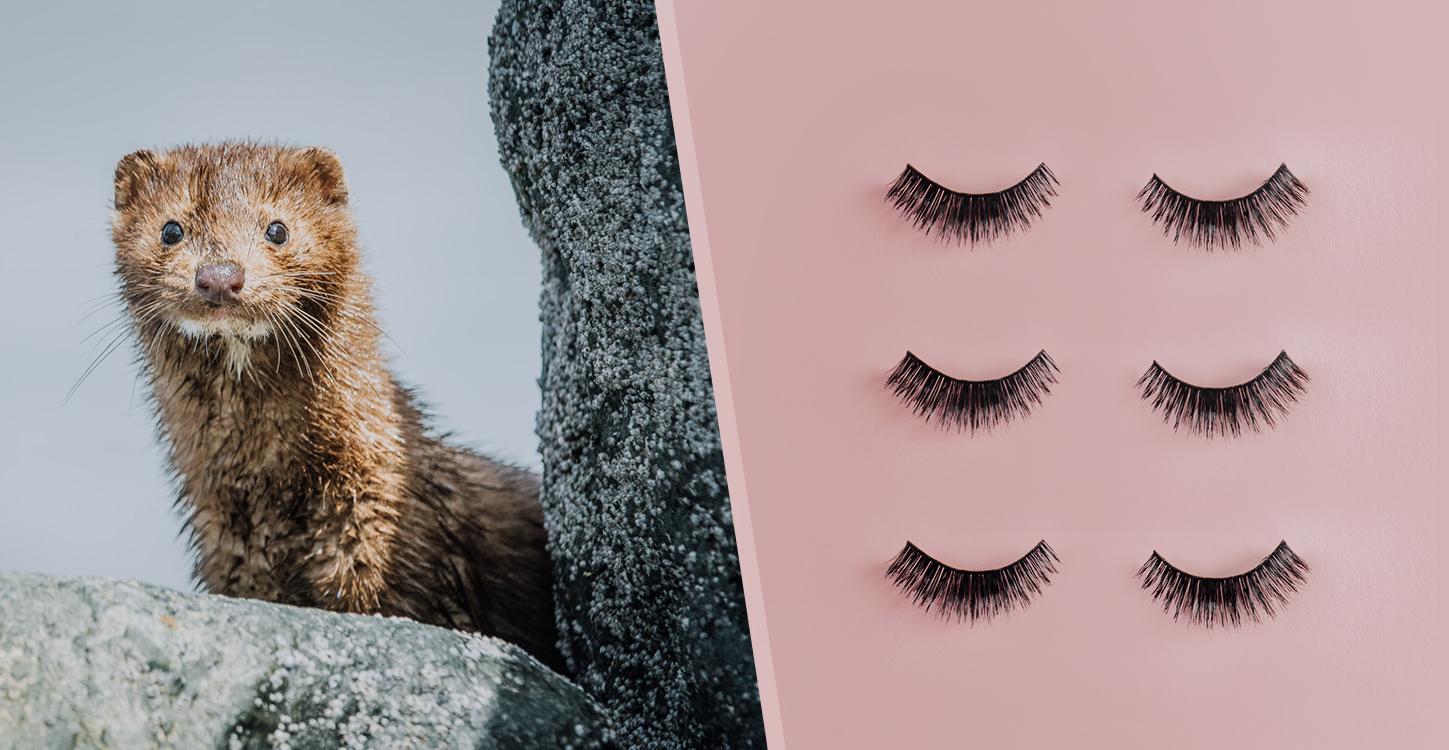
Beyond Biology: Eyelashes as a Canvas for Identity and Aspiration
The allure of the eyes has been a constant across cultures and throughout history. They are often considered the windows to the soul, conveying emotion, intent, and vitality. Eyelashes, framing these windows, naturally amplify their impact. Long, full, and dark lashes are almost universally associated with youth, health, and femininity, projecting an image of allure and innocence simultaneously. Brands adeptly tap into these fundamental human desires, translating a biological feature into a cornerstone of aesthetic aspiration.
The visual power of enhanced eyelashes is undeniable. They can make eyes appear larger, brighter, and more expressive, instantly transforming a face. This inherent transformative potential is precisely what beauty brands leverage. They don’t just sell mascara; they sell confidence, glamour, and the promise of a more captivating gaze. The “purpose” of eyelashes, in this branding context, morphs from protection to projection – projecting a desired image, a particular mood, or an aspirational lifestyle.
The Psychology of Attraction and Trust
The aesthetic appeal of prominent eyelashes is rooted in psychological principles that extend beyond mere vanity. From an evolutionary perspective, features associated with youth and health often trigger positive responses. Lush eyelashes can signal robust health, an absence of disease, and even hormonal balance, all of which historically contributed to perceived attractiveness. Brands understand this subconscious connection and craft their messaging to subtly reinforce these perceptions.
Beyond primitive attraction, eyelashes also play a role in trust and engagement. When eyes are framed beautifully, they can appear more open and inviting, fostering a sense of connection. This isn’t just about superficial beauty; it’s about how we perceive and interact with others. A brand selling a lash-enhancing product isn’t just promising a physical change; it’s offering a subtle psychological advantage in social interactions. The brand becomes an enabler of positive self-perception and improved social dynamics, weaving its product into the very fabric of personal confidence and communication.
Crafting the Lash Narrative: Brand Strategy in the Beauty Industry
The beauty industry’s approach to eyelashes is a masterclass in brand strategy, demonstrating how a single feature can be segmented, diversified, and marketed across various consumer needs and desires. Brands don’t just offer “lash products”; they build entire narratives around different lash goals, from natural enhancement to dramatic transformation.
Consider the diverse product categories: mascara, false lashes (strip and individual), lash extensions, lash lifts, tinting, and lash growth serums. Each category targets a distinct consumer segment with specific needs, time commitments, and budget considerations. Mascara might appeal to the daily user seeking quick enhancement, while lash extensions cater to those desiring longer-lasting drama and convenience. Growth serums speak to individuals seeking genuine physiological change and long-term improvement. This strategic segmentation allows brands to capture a wide array of customers, each believing their specific “lash problem” has a tailored “lash solution.”
The Art of Product Development and Innovation
The intense competition within the lash market drives relentless innovation in product development. Brands invest heavily in research and development to create unique formulations, applicator designs, and material science breakthroughs that differentiate their offerings. For mascaras, this means developing wands engineered for specific effects (volumizing, lengthening, curling), smudge-proof and waterproof formulas, and ingredients that nourish lashes. For false lashes, innovation focuses on lighter materials, more natural-looking designs, and easier application. Lash serums incorporate advanced peptides and vitamins to stimulate growth.
This commitment to innovation isn’t just about functional improvement; it’s a critical branding play. Novelty and superior performance create buzz, justify premium pricing, and reinforce a brand’s image as a leader or innovator. A brand that consistently delivers a “better” lash experience builds loyalty and trust, ensuring that consumers return not just for the product, but for the promise of cutting-edge beauty solutions.
Storytelling and Emotional Connection
At the heart of any successful brand strategy is compelling storytelling, and lash brands are no exception. Their messaging goes far beyond simply listing product benefits; it delves into the emotional impact of enhanced lashes. Campaigns rarely show just a before-and-after; they depict the feeling of transformation: the spark of confidence, the thrill of a captivating glance, the power of self-expression.

Brands might tell stories of empowerment, framing their products as tools for women to feel strong and assertive. Others focus on transformation, promising a metamorphosis that boosts self-esteem. Some evoke glamour and luxury, positioning their products as keys to an exclusive, sophisticated world. This emotional resonance is crucial. When a consumer buys a lash product, they’re not just purchasing a cosmetic item; they’re investing in a narrative about themselves and how they want to be perceived. The brand, through its carefully crafted story, facilitates this aspiration, making the “purpose” of eyelashes intrinsically tied to personal narrative and emotional fulfillment.
Marketing the Gaze: Channels and Campaigns for Lash Brands
Marketing lash products requires a multifaceted approach, utilizing both traditional and digital channels to reach and persuade consumers. The highly visual nature of eyelashes lends itself perfectly to compelling campaigns that showcase immediate, dramatic results.
Digital marketing has become paramount, with social media platforms like Instagram, TikTok, and YouTube serving as primary arenas for engagement. Influencer marketing plays a particularly dominant role, as beauty gurus and content creators demonstrate application techniques, share honest reviews, and present aspirational “looks.” This peer-to-peer recommendation, often perceived as more authentic than traditional advertising, builds trust and drives purchase intent. Tutorial videos are invaluable, demystifying application and demonstrating the transformative power of the products.
Traditional advertising, while evolving, still holds sway, particularly through glossy print ads in fashion magazines and celebrity endorsements that lend an air of aspirational luxury and credibility. Experiential marketing, through beauty counter demonstrations, pop-up events, and in-store lash services, provides tactile engagement and personalized advice, fostering a direct connection between brand and consumer.
The Role of Influencer Marketing
For lash brands, influencers are not just advertisers; they are extensions of the brand’s identity and storytelling. A beauty influencer with a strong personal brand and a loyal following can bridge the gap between product and aspiration. When an influencer demonstrates how a particular mascara creates an unbelievably voluminous look, or when they share their experience with a lash serum, it feels less like a sales pitch and more like a trusted recommendation from a friend.
Brands strategically partner with influencers whose personal aesthetics and values align with their own. This ensures that the message resonates authentically with the target audience. Micro-influencers, with their highly engaged niche audiences, can be particularly effective for specialized lash products, while macro-influencers and celebrities can drive mass awareness and establish trendsetting authority. The “purpose” of eyelashes, in this context, becomes a shared aesthetic journey, guided by trusted voices.
Visual Merchandising and Packaging Design
Beyond digital screens and editorial spreads, the physical presentation of lash products is critical. Visual merchandising in retail environments must immediately convey the brand’s essence and the promise of its products. Display cases often highlight the transformative effects with dramatic imagery, inviting consumers to imagine the possibilities.
Packaging design is equally vital. For a luxury lash brand, packaging might feature sleek lines, metallic accents, and minimalist typography, conveying sophistication and exclusivity. A playful, mass-market brand might opt for vibrant colors, whimsical fonts, and eye-catching graphics to signal fun and accessibility. The design of the mascara wand itself, often highlighted in advertisements, can become an iconic symbol of the brand’s innovative spirit. Every element, from the carton’s texture to the shape of the applicator, contributes to the overall brand experience, turning a protective biological feature into a covetable object of desire.
The Future of Lash Branding: Personalization and Sustainability
The future of lash branding is poised at the intersection of technological advancement and evolving consumer values. Personalization is becoming increasingly important, driven by AI and data analytics. Brands are exploring virtual try-on apps that allow customers to see how different lash styles or mascaras would look on them, offering tailored recommendations based on eye shape, skin tone, and desired effect. Custom-blended mascaras or 3D-printed false lashes designed specifically for an individual’s eye contours are no longer far-fetched concepts. This hyper-personalization redefines the “purpose” of lashes from a generic beauty standard to an individualized expression.
Furthermore, the growing demand for ethical sourcing, cruelty-free production, and sustainable packaging is significantly shaping brand strategies. Consumers are increasingly discerning, seeking brands that align with their values. Lash brands are responding by reformulating products to be vegan, using recycled or refillable packaging, and ensuring transparency in their supply chains. A brand’s commitment to sustainability and ethical practices is becoming a powerful differentiator, fostering trust and loyalty in a market where consumers want to feel good about their purchases.
Brand Resilience in a Shifting Landscape
In this rapidly evolving landscape, brand resilience hinges on adaptability and authenticity. Brands must not only keep pace with technological innovation but also demonstrate a genuine understanding of shifting consumer priorities. This means embracing transparency about ingredients and production processes, engaging in meaningful dialogues about beauty standards, and advocating for inclusivity.
Ultimately, the enduring success of lash brands will depend on their ability to consistently articulate and deliver on the expanded “purpose” of eyelashes: not just as a biological shield, but as a dynamic tool for self-expression, confidence, and connection in an increasingly conscious world. Brands that can authentically weave these complex narratives into their products, marketing, and corporate identity will continue to captivate the gaze and loyalty of consumers for years to come.
aViewFromTheCave is a participant in the Amazon Services LLC Associates Program, an affiliate advertising program designed to provide a means for sites to earn advertising fees by advertising and linking to Amazon.com. Amazon, the Amazon logo, AmazonSupply, and the AmazonSupply logo are trademarks of Amazon.com, Inc. or its affiliates. As an Amazon Associate we earn affiliate commissions from qualifying purchases.