
The NFL trade deadline represents one of the most high-stakes windows in professional sports, serving as a critical juncture where championship aspirations intersect with cold, hard financial mathematics. For years, the deadline was a relatively quiet affair, often overshadowed by the mid-season grind. However, as the league’s economic landscape has evolved, the deadline has transformed into a sophisticated marketplace for asset management. Understanding what week the NFL trade deadline occurs is only the first step; the more profound inquiry lies in how organizations leverage this specific window to manage salary cap health, optimize draft capital, and mitigate financial risk.
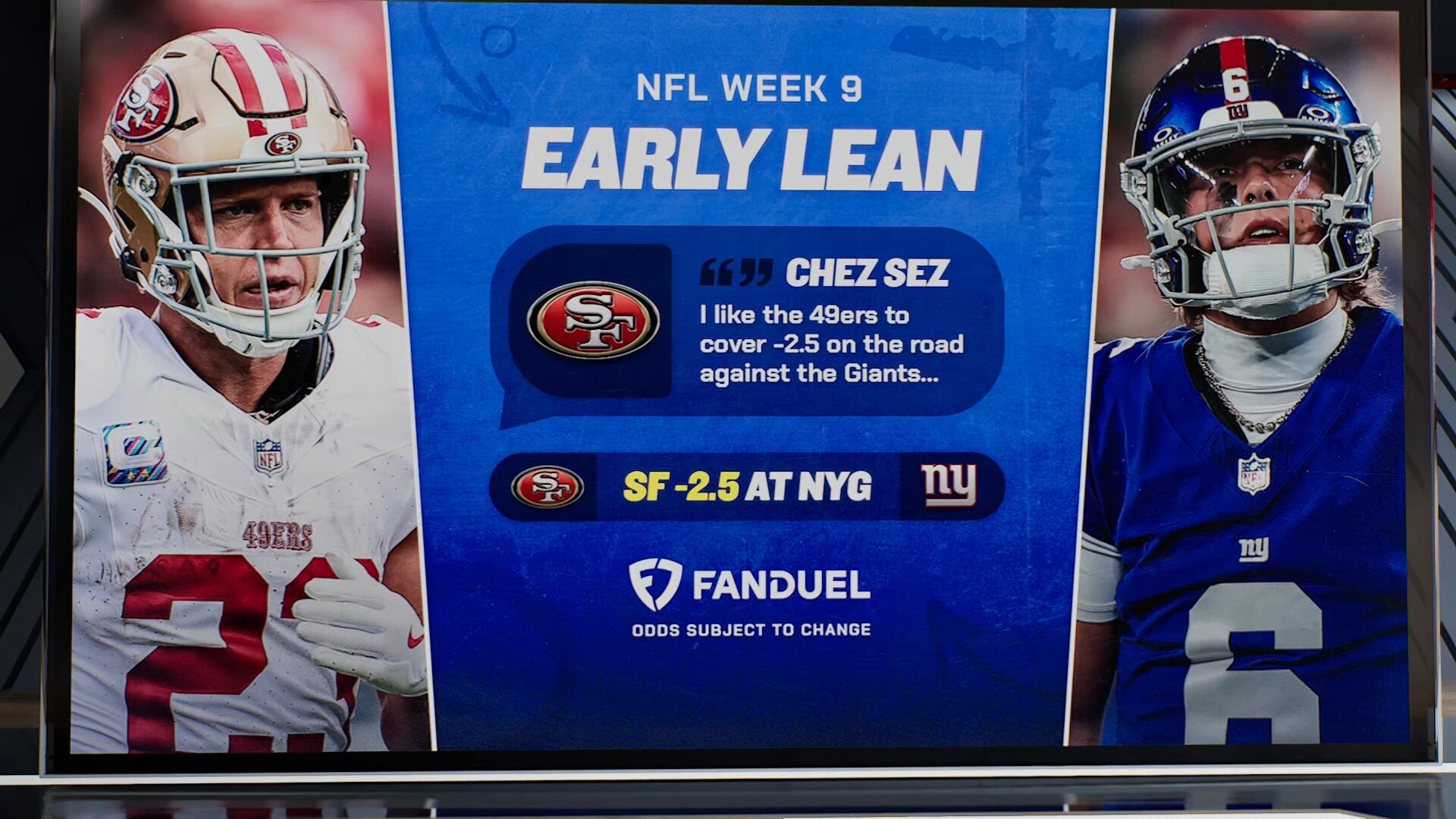
As of the 2024 season, the NFL trade deadline has been moved to the Tuesday following Week 9. This shift from the traditional Week 8 window reflects a growing consensus among owners and general managers that an extra week of performance data is vital for making sound investment decisions. In a multibillion-dollar industry where a single acquisition can cost millions in guaranteed salary and irreplaceable draft equity, that extra week of evaluation provides a necessary buffer for risk assessment.
The Strategic Calendar: Why the Week 9 Shift Matters for Business
The decision to move the deadline to Week 9 was not merely a scheduling quirk; it was a calculated business move approved by the league’s owners to enhance the “tradability” of assets. In the high-velocity environment of the NFL, the difference between being a “buyer” or a “seller” often hinges on a single game. By pushing the deadline further into the season, the league has effectively widened the market, allowing more teams to accurately determine their internal ROI (Return on Investment) for the current fiscal year.
The Value of Performance Data in Asset Valuation
In any financial market, volatility is the enemy of sound investment. By Week 9, a team has played roughly half its schedule. This provides a statistically significant sample size to evaluate the roster’s strengths and weaknesses. For a general manager, this data is the equivalent of a quarterly earnings report. It allows them to decide whether to “double down” on their current portfolio by acquiring expensive veteran talent or to “liquidate” underperforming or expiring assets to recoup value for future cycles.
Market Liquidity and the Competitive Balance
From a macro-economic perspective, the NFL trade deadline serves as a mechanism for redistributing talent to where it is most valued. A star wide receiver on a losing team is an underutilized asset; that same player on a contender is a high-yield investment. The Week 9 deadline maximizes market liquidity by giving losing teams enough time to accept their reality and enter the “seller” market, while giving contenders enough time to identify the specific missing piece that justifies a massive financial outlay.
Salary Cap Management: The Math Behind the Deadline
The most complex aspect of the NFL trade deadline is not the players themselves, but the invisible ledgers that govern their movement. The NFL operates under a “hard cap” system, meaning every dollar spent must fit within a strictly enforced limit. When a trade occurs at the deadline, it triggers a series of complex accounting maneuvers that can impact a team’s financial health for years.
Prorated Salaries and the Art of the “Rental”
One of the primary financial advantages of the Week 9 deadline is salary proration. When a team acquires a player mid-season, they are only responsible for the remaining balance of that player’s base salary for the year. For example, if a player earns $17 million annually, an acquiring team at the Week 9 mark may only be on the hook for roughly half that amount. This “discounted” entry price allows teams with limited cap space to fit high-priced superstars into their budgets, effectively treating them as “rentals” for a championship run.
Dead Cap Space: The Cost of Divestment
For the selling team, trades are often about cleaning up the balance sheet. However, trading a player does not always result in a clean break. Under NFL rules, any “signing bonus” money already paid to the player stays on the original team’s books as “dead cap.” A strategic seller must weigh the benefit of receiving a draft pick against the financial burden of carrying dead money for a player who is no longer on the roster. In many cases, teams will strategically trade players specifically to accelerate that dead money into the current year, thereby “resetting” their cap for the following season—a move similar to a corporation taking a one-time charge to improve future profitability.
Contract Restructuring as a Transaction Catalyst
In modern NFL trade negotiations, the financial terms are often as debated as the draft picks. We frequently see “salary retention” deals, where the selling team agrees to pay a portion of the player’s remaining salary in exchange for a higher-value draft pick. This is a direct exchange of cash for draft equity, illustrating that in the NFL, cap space is a currency just as valuable as talent.
Draft Capital as a Liquidity Asset
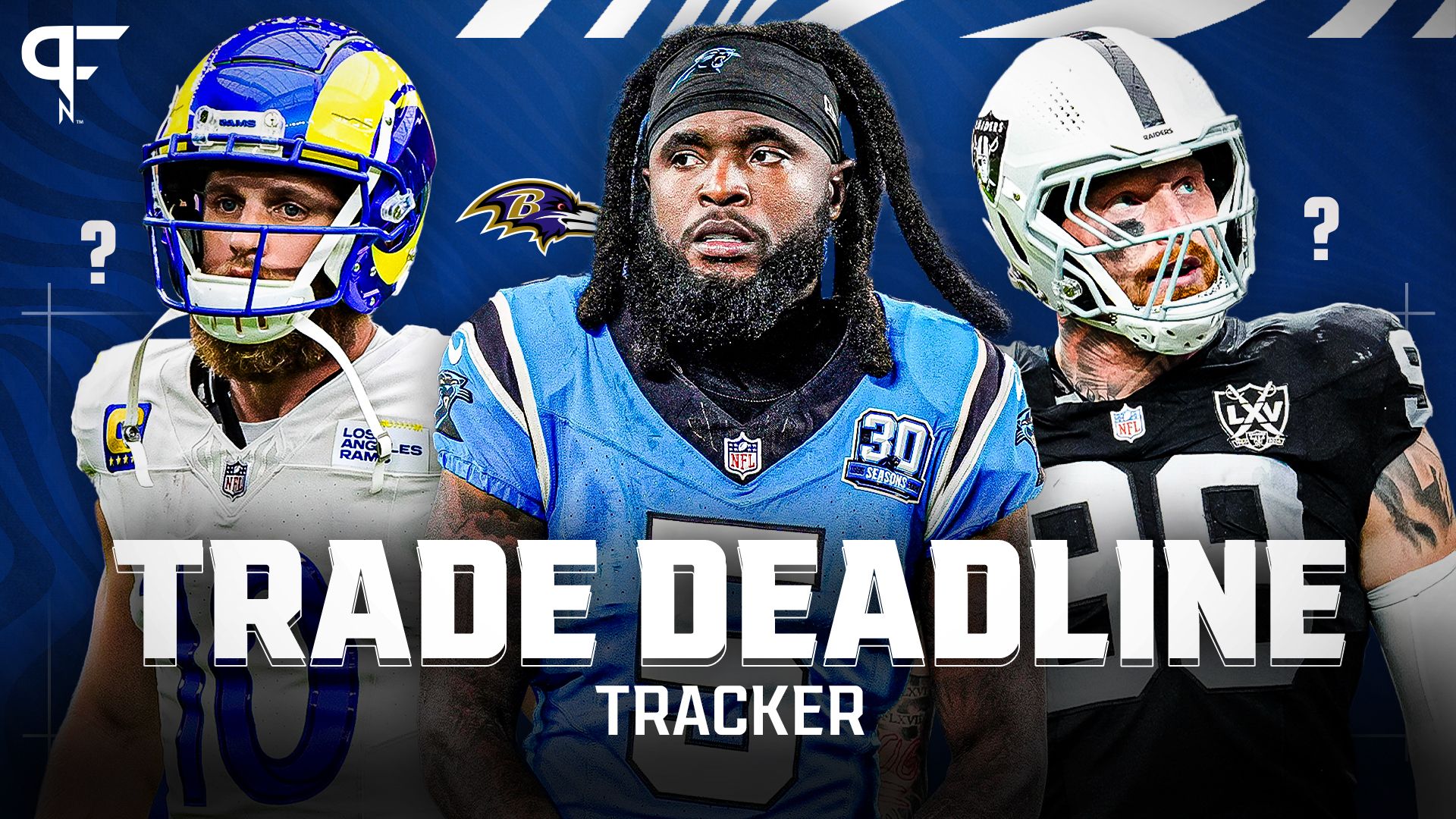
In the business of football, draft picks are the ultimate liquid assets. They have a fixed cost (via the rookie wage scale) and represent the primary way for teams to acquire low-cost, high-ceiling labor. At the trade deadline, these picks are used as the primary medium of exchange.
The Time Value of Draft Picks
Just as a dollar today is worth more than a dollar tomorrow, a draft pick’s value fluctuates based on its proximity. At the trade deadline, teams often trade future assets (picks in the upcoming year or the year after) for immediate help. This is the football equivalent of taking out a loan. A team is borrowing from its future potential to maximize its current window of opportunity. The “interest” on that loan is the risk that the acquired player gets injured or fails to perform, leaving the team with neither the player nor the picks.
Opportunity Cost and the Rebuilding Cycle
For selling teams, the trade deadline is the peak time to maximize the ROI on aging assets. A 30-year-old veteran has little value to a team that won’t be competitive for three years. By trading that player for a second or third-round pick, the team converts a depreciating asset into a growth asset. The financial benefit is twofold: they remove a large salary from their books and gain a rookie contract that will be significantly cheaper and under team control for four years.
Financial Risk Assessment in Mid-Season Acquisitions
Every trade at the deadline carries a significant degree of financial risk. Professional organizations must conduct rigorous “due diligence” that mirrors the M&A (Mergers and Acquisitions) process in the corporate world.
The “Sunk Cost” Fallacy in Sports Management
One of the greatest risks at the trade deadline is the “sunk cost” fallacy. Teams that have already invested heavily in a season may feel compelled to “save” their investment by spending even more at the deadline. This often leads to overpaying for mediocre talent. Analytical front offices use sophisticated models to determine the “marginal gain” of an acquisition. If a trade only increases a team’s Super Bowl probability by 1-2%, is it worth sacrificing $10 million in cap space and a second-round pick? Often, the answer is no, yet the pressure to win frequently drives sub-optimal financial decisions.
Insuring the Investment: Contract Extensions
Rarely does a team trade a first-round pick for a player without a plan for their long-term financial future. Often, a trade is immediately followed by a contract extension. This allows the team to spread the “cap hit” over several years, making the acquisition more palatable from a budgeting perspective. However, this also “locks” the team into that player, reducing their future financial flexibility. This is the ultimate “high-stakes” bet in the business of the NFL.
The Seller’s Market: Maximizing ROI on Expiring Assets
While the media often focuses on the “buyers,” the “sellers” are frequently the ones who see the greatest long-term financial gain from the trade deadline. A well-executed sell-off can accelerate a team’s rebuilding process by years.
Compensatory Pick Logic
In the NFL’s complex financial ecosystem, teams must also consider “compensatory picks.” If a player’s contract expires and they sign with another team, the original team may receive a compensatory draft pick the following year. At the trade deadline, a seller must decide if they can get more value via a trade now than they would get via a compensatory pick later. This requires a deep understanding of the league’s secret compensatory formula—a masterclass in speculative financial modeling.
Cultural Capital and Financial Stability
Beyond the numbers, trading a high-priced veteran can sometimes be a move to preserve the “cultural capital” of an organization. By moving on from a player who no longer fits the long-term vision, a team can reallocate those financial resources toward younger players who represent the future of the brand. This ensures that the team’s “payroll” is aligned with its “production,” a fundamental tenet of any successful business.
Conclusion: The Trade Deadline as a Financial Catalyst
What week is the NFL trade deadline? It is the ninth week of the season, but more importantly, it is the week where the financial reality of the league takes center stage. It is a moment of reckoning where general managers must act as portfolio managers, deciding which assets to hold, which to sell, and which to acquire at a premium.
The move to Week 9 has provided organizations with more data, more time, and more opportunities to execute complex financial strategies. Whether it’s through the clever use of prorated salaries, the strategic accumulation of draft capital, or the ruthless pruning of dead cap space, the trade deadline is the ultimate test of an organization’s financial acumen. In the NFL, games are won on Sundays, but championships are often built through the disciplined and visionary management of capital during the frantic hours leading up to the Tuesday of Week 9.
aViewFromTheCave is a participant in the Amazon Services LLC Associates Program, an affiliate advertising program designed to provide a means for sites to earn advertising fees by advertising and linking to Amazon.com. Amazon, the Amazon logo, AmazonSupply, and the AmazonSupply logo are trademarks of Amazon.com, Inc. or its affiliates. As an Amazon Associate we earn affiliate commissions from qualifying purchases.