
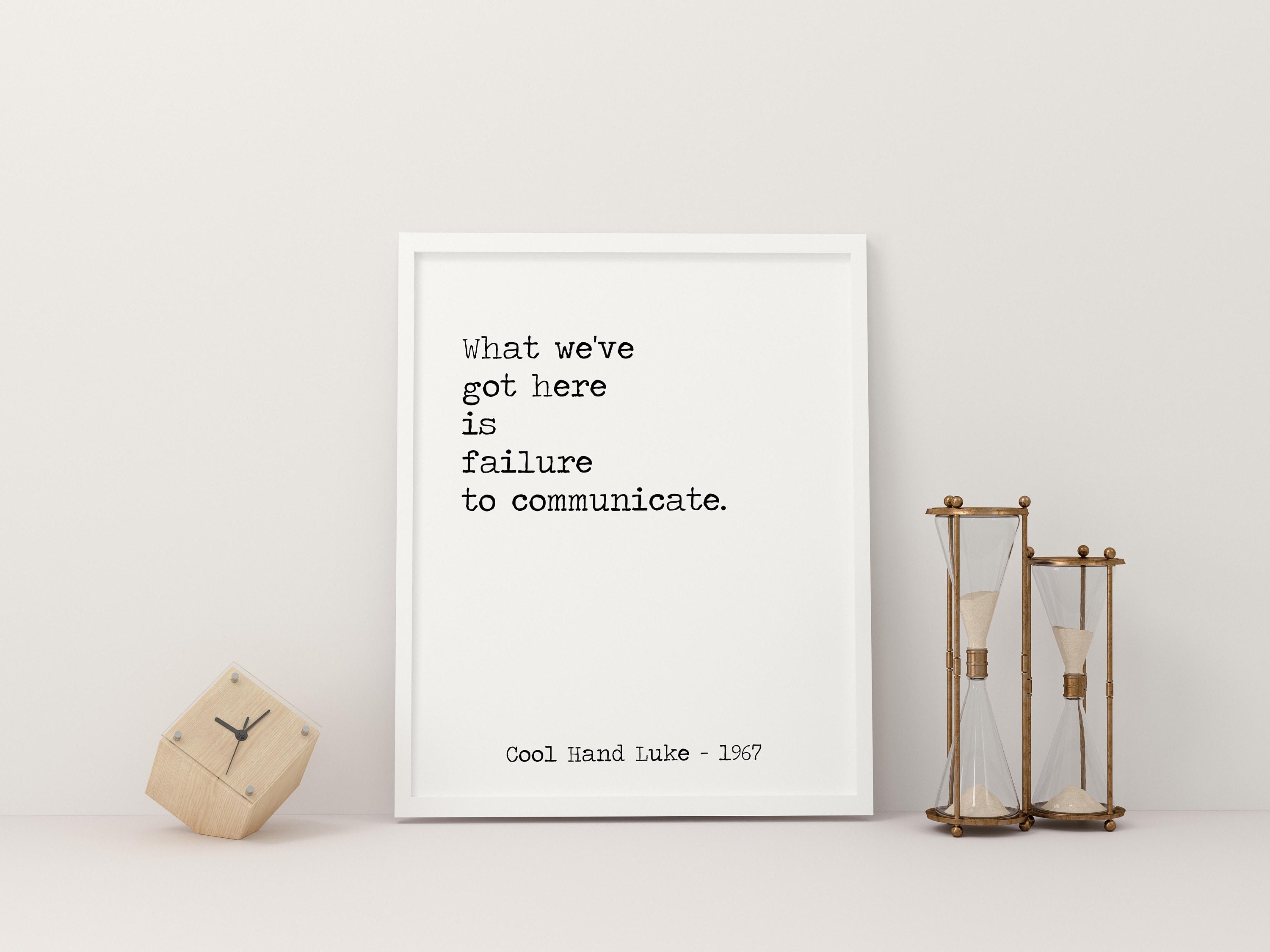
The iconic line, “What we have here is a failure to communicate,” originally from Cool Hand Luke, perfectly encapsulates a pervasive challenge facing the modern film industry. It’s not just about making a great movie; it’s about effectively communicating its essence, its promise, and its unique value proposition to an audience deluged with content. In an era where screens proliferate and attention spans dwindle, the failure to brand a film strategically is, quite simply, a failure to connect. This isn’t merely a marketing misstep; it’s a profound branding crisis that impacts box office performance, critical reception, and the cultural longevity of cinematic art. Effective branding for a movie transcends mere advertising; it’s about forging an emotional connection, managing expectations, and creating a distinct identity that resonates long after the credits roll.

The Modern Predicament: Why Movies Fail to Connect
The landscape of film consumption has transformed dramatically, but the fundamental need for clear, compelling communication remains. Yet, many films, despite their artistic merit or financial investment, struggle to find their audience or are misunderstood upon release. This disconnect often stems from a lack of strategic branding that anticipates and shapes audience perception.
Mismatched Messaging and Audience Expectations
One of the most common pitfalls in movie communication is the misalignment between promotional materials and the actual content or tone of the film. A trailer might promise an action-packed blockbuster, only for the audience to discover a contemplative drama. A poster might suggest a whimsical comedy, when the film veers into dark satire. This deceptive branding, often driven by a desire to appeal to the broadest possible audience, invariably leads to disappointment and negative word-of-mouth. When audiences feel misled, trust in the film’s brand—and potentially the studio’s brand—erodes.
Consider films that have suffered from this: a genre-bending masterpiece marketed as a straightforward thriller, or a profound character study packaged as a romantic comedy. The initial surge in viewership from misinformed audiences quickly gives way to backlash, impacting reviews and subsequent attendance. Effective branding, conversely, sets accurate expectations, ensuring that those who do choose to watch are the ones most likely to appreciate and champion the film, fostering genuine advocacy rather than resentment. It’s about attracting the right audience, not just any audience.
Over-reliance on IP and Generic Branding
In an industry increasingly reliant on established intellectual property (IP)—sequels, reboots, prequels, and shared universes—there’s a dangerous tendency towards generic branding. The assumption is often that the existing brand equity of a franchise is sufficient to carry a new installment, leading to homogeneous marketing campaigns that fail to highlight the unique elements or fresh perspectives of individual films. Every superhero movie begins to look like the last, every fantasy epic blends into the next.
While leveraging IP is a sound business strategy, neglecting to craft a distinct brand identity for each new entry within a franchise is a missed opportunity. Each film, even within a beloved universe, has its own story, its own emotional arc, and its own unique selling proposition. When trailers and posters lean too heavily on familiar tropes without showcasing what makes this particular film special, it contributes to brand fatigue. Audiences crave novelty, even within familiarity. A strong brand for an individual film within a franchise respects the legacy while asserting its own identity, preventing it from being just “another one” but rather “the next must-see.”
The Digital Deluge: Noise in the Marketplace
The proliferation of content across myriad streaming platforms, coupled with the traditional theatrical release schedule, has created an unprecedented level of noise in the entertainment marketplace. Every week brings a cascade of new releases, making it incredibly difficult for any single film to cut through and capture sustained audience attention. In this hyper-competitive environment, a weak or undifferentiated brand is tantamount to invisibility.
Without a distinct brand identity—a unique visual language, a compelling narrative, and a clear emotional promise—a film risks getting lost in the algorithm. Audiences scroll through endless options, making snap judgments based on thumbnails, loglines, and short previews. A generic title, an uninspired poster, or a confusing synopsis can be the death knell for a film’s discoverability. The challenge is not just to be seen, but to be memorable and meaningful in a sea of options. Effective branding helps a film establish its beachhead in this crowded digital ocean, giving it a voice and a face that stand out.
Crafting a Compelling Cinematic Brand Identity
Moving beyond the challenges, the imperative is clear: films need robust, strategic branding. This isn’t an afterthought but a foundational element of a film’s journey from concept to audience connection.
Defining the Core Proposition: Beyond Genre
The cornerstone of effective film branding is the crystal-clear definition of its core proposition. This goes beyond simply stating the genre (“It’s a sci-fi thriller”) or listing key actors. It involves articulating the film’s unique emotional core, its thematic resonance, and the specific experience it promises. What feeling will the audience walk away with? What question will it provoke? What unique perspective does it offer?
For instance, Jaws wasn’t just a “shark movie”; its brand promised primal fear, the disruption of summer idyllicism, and a suspenseful cat-and-mouse game. La La Land wasn’t just a “musical”; its brand evoked bittersweet nostalgia, the pursuit of dreams, and the magic of classic Hollywood. Identifying this core emotional and thematic promise allows marketers to build a brand narrative that deeply resonates, tapping into universal human experiences while still highlighting the film’s individuality. This helps to cultivate a loyal audience that aligns with the film’s true spirit.
Visual and Verbal Cohesion: The Integrated Campaign
Once the core proposition is defined, the next step is to translate it into a cohesive visual and verbal language that permeates every touchpoint of the marketing campaign. This demands synergy between posters, trailers, social media assets, promotional taglines, and even merchandise. A strong film brand exhibits consistency in its aesthetic and tone across all platforms.
The key art (poster) and trailer are paramount. The poster should distill the film’s essence into a single, compelling image, setting the mood and hinting at the narrative without giving everything away. The trailer should build anticipation, establish tone, and communicate the central conflict or allure, all while maintaining visual and thematic consistency with the poster. Every piece of collateral—from website design to press kit materials—must speak in one unified voice. This integrated approach builds recognition, reinforces the film’s identity, and fosters trust with the audience, making the brand instantly recognizable and memorable.
Storytelling the Story: Engaging the Audience Pre-Release
Modern film branding isn’t just about presenting the film; it’s about telling a story about the film even before its release. This involves engaging the audience pre-release in ways that build anticipation, establish relevance, and foster a sense of connection without spoiling the narrative. This pre-release storytelling can take many forms: behind-the-scenes glimpses, interviews with directors and cast discussing themes, character profiles, or even interactive social media campaigns that invite audience participation.

The goal is to create a compelling narrative around the film’s creation and its significance. This could involve highlighting the filmmakers’ unique vision, the challenges of production, the social relevance of its themes, or the innovative techniques employed. For example, a campaign might focus on the immersive world-building for a fantasy film, or the meticulous historical research for a biopic. By offering these curated glimpses, a film brand can build a dedicated community of enthusiasts who feel invested in its journey and are eager to experience the final product. This shifts the focus from merely promoting a product to nurturing a relationship with potential viewers.
Leveraging Data and Analytics for Brand Resonance
In today’s digital age, branding is no longer purely an art; it’s also a science. Data and analytics offer invaluable insights that can refine and optimize a film’s brand strategy, ensuring it connects with the right audiences in the most effective ways.
Audience Segmentation and Targeted Messaging
Generic marketing casts too wide a net, often missing key demographics or alienating others. Data-driven branding allows for precise audience segmentation. By analyzing demographics, viewing habits, social media engagement, and psychographic profiles, studios can identify niche markets and tailor messaging that speaks directly to their specific interests and values. A horror film might have a different brand message for a younger, TikTok-savvy audience than for traditional horror aficionados.
Targeted messaging ensures that the right film is presented to the right person, in the right way, on the right platform. This approach minimizes wasted marketing spend and maximizes impact, increasing the likelihood of conversion from awareness to viewership. For example, a film with a strong female lead might be highlighted differently for an audience interested in empowering narratives versus one primarily seeking action. This precision branding respects the diversity of audience tastes and preferences.
Performance Metrics: Beyond Box Office Gross
While box office numbers or streaming hours are ultimate indicators of commercial success, effective film branding requires tracking a broader array of performance metrics. These include trailer views, social media sentiment, engagement rates with promotional content, website traffic, ticket pre-sales, and post-release buzz. These metrics provide a granular understanding of how and why a film’s brand is resonating (or not resonating) with different audience segments.
Measuring sentiment, for example, can reveal if specific aspects of a campaign are eliciting positive or negative reactions. Engagement rates on social media can indicate which types of content are most compelling. This data allows for a more holistic assessment of a film’s brand health, moving beyond simply counting dollars to understanding the depth and quality of audience connection. It helps answer critical questions like: Is the brand message cutting through? Is it evoking the intended emotional response? Is it building loyalty?
Iterative Branding: Adapting to Feedback
The beauty of data-driven branding is its iterative nature. Unlike traditional campaigns that were often set in stone months before release, digital platforms allow for real-time monitoring and agile adaptation. If early trailer reactions are mixed, or if a particular promotional asset underperforms, the brand strategy can be course-corrected. Messaging can be tweaked, new creative assets can be deployed, or targeting parameters can be adjusted based on immediate feedback.
This iterative process ensures that the film’s brand remains dynamic and responsive. It allows marketers to learn what works and what doesn’t, refining their approach throughout the film’s lifecycle—from initial awareness to post-release longevity. This flexibility is crucial in a rapidly evolving market, allowing film brands to stay relevant and maximize their potential connection with audiences. It’s about being in constant conversation with the market, rather than a one-way broadcast.
The Future of Film Branding: Nurturing a Lasting Relationship
As the film industry continues to evolve, the emphasis on robust branding will only intensify. The future lies in moving beyond transactional marketing to fostering genuine, lasting relationships between films and their audiences.
Community Building and Interactive Engagement
The future of film branding will increasingly focus on building vibrant communities around stories and characters. This goes beyond passive consumption, inviting audiences to actively participate and engage. This could manifest as interactive experiences, fan-generated content initiatives, exclusive online forums, or real-world events that bring fans together. Studios and filmmakers can leverage social media and dedicated platforms to foster these communities, turning viewers into advocates and collaborators.
For example, a film brand might launch an ARG (alternate reality game) that extends its narrative into the real world, or host live Q&As with cast and crew that allow fans to ask questions directly. By nurturing these communities, films can cultivate a loyal following that transcends the initial release, ensuring a sustained cultural presence and encouraging rewatchability and continued engagement with the brand. This transformational approach creates brand equity that endures.
The Personal Brand of the Filmmaker and Talent
In an age of authenticity, the personal brands of directors, writers, and actors are becoming increasingly intertwined with the films they create. Audiences are often drawn not just to the story, but to the vision behind it. Leveraging the personal brand of a respected director known for a particular style, or an actor passionate about specific themes, can add significant weight and authenticity to a film’s brand.
This involves filmmakers and talent engaging directly with fans, sharing their creative journey, and articulating their passion for the project. When a director’s personal brand aligns with the film’s message, it creates a powerful synergy that builds trust and excitement. This is particularly effective for indie films or projects with a strong authorial voice, where the creator’s reputation becomes an integral part of the film’s unique selling proposition. It humanizes the brand, making it more relatable and accessible.
Cultivating Brand Legacy: Beyond the Initial Release
A truly successful film brand isn’t just about a big opening weekend; it’s about cultivating a legacy that extends far beyond the initial release. This involves strategies to ensure a film’s brand endures, fostering rewatchability, cultural impact, and ongoing relevance. This can include merchandising, spin-off content (podcasts, web series), remastered editions, educational initiatives, and maintaining a robust digital presence that continues to engage audiences years after its debut.
Consider classics that have maintained their brand power for decades, not just through repeated showings but through consistent engagement with new generations and evolving cultural dialogues. Effective post-release branding ensures that a film doesn’t just fade into obscurity after its theatrical run but continues to be discovered, discussed, and celebrated, cementing its place in cinematic history and culture. This long-term vision transforms a movie into a timeless cultural artifact, securing its brand legacy for generations to come.
In conclusion, the challenge of “failure to communicate movies” in today’s dynamic entertainment landscape is fundamentally a branding challenge. It requires a shift from viewing marketing as a mere promotion to embracing branding as a holistic, strategic imperative that shapes perception, manages expectations, and fosters deep emotional connections. By meticulously defining core propositions, ensuring visual and verbal cohesion, leveraging data for precise targeting, and building communities around cinematic experiences, the film industry can move beyond mere communication to truly resonate, ensuring that every film finds its voice and its lasting place in the hearts and minds of its audience. The future of cinema depends not just on what stories are told, but how effectively their brands are communicated.
aViewFromTheCave is a participant in the Amazon Services LLC Associates Program, an affiliate advertising program designed to provide a means for sites to earn advertising fees by advertising and linking to Amazon.com. Amazon, the Amazon logo, AmazonSupply, and the AmazonSupply logo are trademarks of Amazon.com, Inc. or its affiliates. As an Amazon Associate we earn affiliate commissions from qualifying purchases.