
In the modern media landscape, where content saturation makes it increasingly difficult for any single intellectual property to stand out, What We Do in the Shadows serves as a definitive case study in brand differentiation. Originally a cult-classic indie film from New Zealand, the property has successfully transitioned into a globally recognized television franchise. This evolution was not accidental; it was the result of a rigorous adherence to a specific brand identity that prioritizes subversion, character consistency, and a unique visual language. For brand strategists and marketers, the “vampire” brand of this series provides invaluable insights into how to take a fatigued concept—the vampire trope—and revitalize it for a modern audience through strategic repositioning.

The Power of Genre Subversion as a Market Entry Strategy
When FX first announced a television adaptation of What We Do in the Shadows, the “vampire” market was arguably at a point of peak exhaustion. From the teen-focused romance of Twilight to the gritty hyper-realism of True Blood, every conceivable angle of the vampire mythos seemed to have been explored. To enter this market effectively, the brand needed more than just a high production budget; it needed a unique selling proposition (USP).
Redefining the Value Proposition
The USP of What We Do in the Shadows lies in its commitment to “mundane immortality.” Traditionally, the vampire brand was built on pillars of sex appeal, danger, and mystery. The creators of Shadows pivoted entirely, building a brand around incompetence, domesticity, and the bureaucratic banality of eternal life. By stripping away the “cool” factor, they created a vacuum in the market that they alone filled. This is a classic brand strategy: when the competition is zigging toward glamour, you zag toward the absurdly ordinary.
Targeting the “Cult” Demographic
From a brand positioning perspective, the show did not attempt to be everything to everyone. It leaned heavily into its “mockumentary” roots, a format that inherently builds intimacy and trust with the audience. By adopting the aesthetic of a documentary, the brand signals authenticity. This appeals to a demographic that is often skeptical of high-gloss, over-produced corporate media. The brand equity is built on the audience feeling like they are “in on the joke,” transforming viewers into brand advocates who drive word-of-mouth growth.
Personal Branding and the Archetypes of Immortality
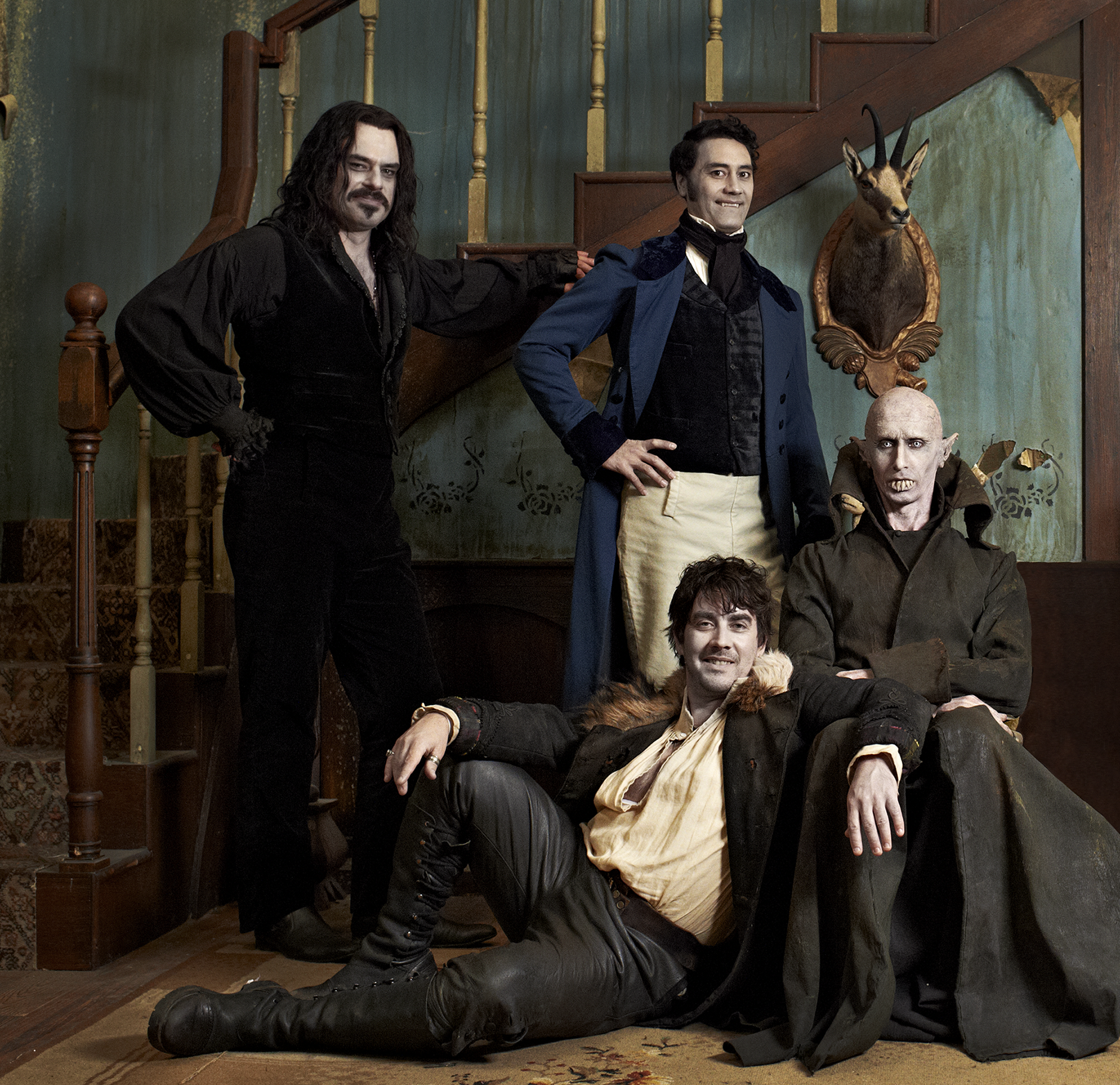
The success of any long-term brand identity depends on the strength of its core assets. In the context of What We Do in the Shadows, these assets are the individual characters. Each vampire represents a distinct “sub-brand” within the larger corporate identity of the household, providing multiple entry points for different audience segments.
Nandor the Relentless: The Legacy Brand
Nandor represents the “legacy brand” that refuses to update its operating system. He is the personification of a traditional entity trying to navigate a digital-first world. His brand identity is built on past glories and a rigid adherence to outdated protocols. This resonates with audiences because it mirrors the real-world friction between established institutional brands and the rapidly changing modern cultural landscape.
Laszlo and Nadja: The Lifestyle and Aesthetic Brands
Laszlo and Nadja represent the “lifestyle” aspect of the brand. Laszlo’s identity is built on hedonism and unapologetic self-expression, while Nadja represents the fiery, high-status executive who often finds herself managing the chaos of her subordinates. Their personal brands are highly visual and meme-able, providing the “shareable” content that is essential for brand visibility in the social media era. They are the “influencers” of the vampire world, maintaining a high level of aesthetic consistency that anchors the show’s visual brand.
The “Energy Vampire” and the Innovation of New Brand Categories
Perhaps the most significant contribution the show has made to the broader “vampire” brand lexicon is the introduction of Colin Robinson: the Energy Vampire. In marketing terms, this is an example of “Blue Ocean Strategy”—the creation of an entirely new market space where there is no competition.
Creating a New Category
By identifying a universal human experience—the feeling of being drained by a boring or pedantic person—and labeling it as a form of vampirism, the show’s creators expanded the brand’s reach. The “Energy Vampire” became a cultural shorthand almost overnight. This is the ultimate goal of any brand: to have your proprietary terminology adopted into the general lexicon.

The Relatability Factor
Colin Robinson’s brand is built on relatability and office culture. By integrating corporate jargon, IT troubleshooting, and the banality of the cubicle into the supernatural brand of the show, the writers bridged the gap between the fantastical and the everyday. This strategic inclusion allows the brand to comment on modern workplace dynamics, making it relevant to a much wider professional audience than a traditional horror or fantasy brand would reach.
Visual Identity: Sustaining a Cohesive Aesthetic in a Modern Context
A brand is only as strong as its visual consistency. What We Do in the Shadows maintains a rigorous “corporate identity” through its use of color, lighting, and costume design. Despite the chaotic nature of the plot, the visual language of the show is disciplined and recognizable.
The Contrast Strategy
The visual brand is built on the contrast between the “Old World” (velvets, candlelight, ornate carvings) and the “New World” (Staten Island strip malls, fluorescent-lit council chambers, beige office parks). This visual dissonance is the core of the brand’s humor and identity. It reinforces the central theme of being “out of time” and “out of place.” From a design perspective, the show uses a muted, desaturated palette that gives it a gritty, “real” feel, which serves as the perfect canvas for the absurdity of the characters’ actions.
Consistency Across Platforms
This visual identity extends beyond the screen. The promotional materials, social media assets, and even the title sequences utilize a consistent font and color scheme that evokes 19th-century gothic horror while maintaining a playful, modern twist. This ensures that whether a consumer sees a clip on TikTok or a billboard in Times Square, the brand recognition is instantaneous.
Transmedia Storytelling and Community Engagement
In the digital age, a brand cannot exist in a vacuum. It must engage with its community and extend its narrative across multiple platforms. What We Do in the Shadows has mastered the art of transmedia storytelling, ensuring that the “vampire” brand remains active and engaging even between seasons.
The “Vampiric Council” as a Meta-Brand
The introduction of the Vampiric Council, featuring cameos from famous vampires of other media (such as Tilda Swinton and Wesley Snipes), was a brilliant strategic move. It essentially “certified” the Shadows brand within the wider industry. By acknowledging the competition and bringing them into the fold, the show positioned itself as the central hub of the modern vampire brand ecosystem. This is akin to a disruptive startup gaining endorsements from established industry titans.
Social Media as a Character Extension
The show’s social media strategy involves maintaining the “voice” of the characters. By posting content that feels like it was curated by the vampires themselves (or their disgruntled familiar, Guillermo), the brand fosters a deep sense of community. This high-engagement strategy turns passive viewers into active participants in the brand’s world-building. It leverages the “Familiar” archetype—the loyal, hardworking assistant—to mirror the experience of the fan, creating an emotional resonance that builds long-term brand loyalty.
Conclusion: Lessons from the Shadows
The success of the What We Do in the Shadows vampire brand demonstrates that even the most saturated markets can be disrupted with the right strategy. By focusing on niche identity, subverting established norms, and maintaining a rigorous visual and character-driven consistency, the creators have built a robust brand that continues to scale.
For brand managers and strategists, the takeaways are clear:
- Differentiate through Subversion: Don’t just compete on quality; compete on perspective.
- Lean into Archetypes: Build a multifaceted brand that offers different “vibe” entry points for different segments.
- Innovate New Categories: Look for the “unclaimed” space within your industry and define it before someone else does.
- Maintain Visual Discipline: A cohesive aesthetic is the shorthand for brand professionality and trust.
In the end, What We Do in the Shadows isn’t just about vampires; it’s about how a well-defined brand can survive and thrive for centuries—or at least for several award-winning seasons—in a world that is constantly trying to drain its energy.
aViewFromTheCave is a participant in the Amazon Services LLC Associates Program, an affiliate advertising program designed to provide a means for sites to earn advertising fees by advertising and linking to Amazon.com. Amazon, the Amazon logo, AmazonSupply, and the AmazonSupply logo are trademarks of Amazon.com, Inc. or its affiliates. As an Amazon Associate we earn affiliate commissions from qualifying purchases.