
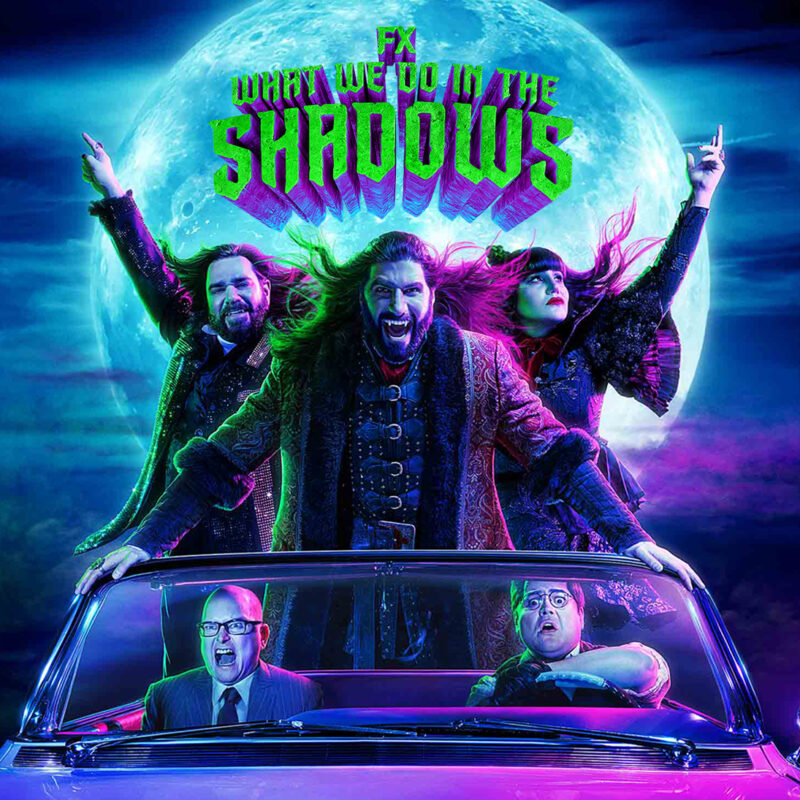
In the modern media landscape, transitioning a niche cinematic property into a multi-season television powerhouse is a feat of strategic branding that few achieve. When What We Do in the Shadows premiered its second season, it wasn’t just delivering another set of episodes; it was solidifying a brand identity that had to balance the legacy of the original 2014 film with the demands of a global streaming audience. The second season serves as a masterclass in brand expansion, demonstrating how a creative entity can maintain its “cult” appeal while scaling its market presence.

The Evolution of a Niche IP: From Indie Film to Global Television Brand
The primary challenge for any brand transition—especially one moving from a singular product (a film) to a recurring service (a TV series)—is maintaining the “Brand Core” while allowing for necessary evolution. For What We Do in the Shadows, the brand core is built on the juxtaposition of the mundane and the supernatural, delivered through a specific mockumentary lens.
Defining the Brand Core: The Mockumentary Aesthetic
The mockumentary style is more than a filming technique; it is a visual brand signature. In Season 2, the production elevated this aesthetic to create a sense of authenticity that resonates with modern consumers who value “unfiltered” content. By utilizing shaky-cam footage, direct-to-camera testimonials, and deliberate “technical glitches,” the brand establishes a rapport with the audience. This transparency—the “breaking of the fourth wall”—builds a unique level of brand trust, making the fantastical characters feel accessible and relatable.
Expanding the Universe Without Diluting the Identity
A common pitfall in brand scaling is “brand dilution,” where the original message becomes lost in an attempt to appeal to everyone. Season 2 of What We Do in the Shadows avoided this by doubling down on its specific brand of humor. Instead of broadening the comedy to suit a general sitcom audience, the showrunners leaned further into the high-concept lore and the idiosyncratic personalities of Nandor, Laszlo, Nadja, and Colin Robinson. By doing so, they reinforced the brand’s unique selling proposition (USP): the hilarious incompetence of ancient beings in a modern world.
Strategic Marketing and Audience Engagement for Season 2
Marketing a second season requires a shift in strategy. While Season 1 was about brand awareness, Season 2 focused on brand loyalty and community building. The marketing campaign for the second season utilized character-driven narratives to bridge the gap between the screen and the consumer’s daily life.
Leveraging Social Media for Character-Driven Branding
The brand identity of What We Do in the Shadows is heavily reliant on its characters. For the launch of Season 2, FX and the marketing teams utilized social media platforms not just to post trailers, but to allow the characters to “interact” with the real world. This is a form of experiential branding. When a character like Colin Robinson—an energy vampire—is used in marketing materials to “drain” the audience’s social media feed, it creates a tactile brand experience. This engagement strategy transforms viewers from passive observers into active participants in the brand’s ecosystem.
The Power of Transmedia Storytelling
Season 2 benefited from a robust transmedia approach. The brand wasn’t confined to a 30-minute time slot. Through digital shorts, behind-the-scenes content that maintained the mockumentary persona, and clever tie-ins with the creators’ other projects, the “Shadows” brand became a persistent presence in the cultural zeitgeist. This consistency is vital in brand strategy; it ensures that the brand remains top-of-mind even during the off-season, increasing the lifetime value of the viewer.
Case Study: Rebranding the Vampire Trope
Before What We Do in the Shadows, the “vampire brand” in popular culture was largely divided into two categories: gothic horror (Dracula) or teen romance (Twilight). The genius of this series, particularly crystallized in Season 2, was the strategic rebranding of the vampire as a bureaucratic, socially awkward “everyman.”

Differentiation in a Crowded Horror-Comedy Market
Market differentiation is the cornerstone of successful brand positioning. Season 2 introduced the “Vampiric Council” and various supernatural rivals in a way that satirized corporate structures and social hierarchies. By positioning vampires as people who struggle with email, neighbor disputes, and local city council meetings, the brand carved out a space that was entirely its own. It didn’t compete with American Horror Story or The Walking Dead; it created a new sub-category of “Supernatural Workplace Comedy.”
The Role of Cameos in Brand Validation
In branding, “social proof” or “endorsements” can significantly elevate a product’s status. Season 2 continued the trend of utilizing high-profile guest stars, but it did so in a way that validated the brand’s “cool factor.” When established icons of the genre appear on the show, they aren’t just guest actors; they are brand ambassadors. Their participation signals to the audience that this brand is the industry standard for the genre, further cementing its position as a “must-watch” cultural phenomenon.
The “Jackie Daytona” Effect: Viral Branding and Narrative Pivots
Perhaps the most significant branding moment of Season 2 was the episode “On the Run,” which introduced the character of Jackie Daytona. This episode represents a brilliant “brand pivot” within a single season, showcasing the versatility of the core IP.
Sub-Branding and the Power of the Alter Ego
Jackie Daytona—Laszlo’s human disguise as a “regular human bartender” from Pennsylvania—became a brand within a brand. The iconography of Jackie Daytona (the toothpick, the jeans, the sudden obsession with girls’ high school volleyball) became a viral sensation. From a brand strategy perspective, this was a masterstroke in creating shareable, meme-worthy content that felt organic to the story. It allowed the brand to experiment with a different aesthetic (small-town Americana) without losing its supernatural roots.
Creating Memorable Consumer Touchpoints
The success of the Jackie Daytona persona demonstrates the importance of “sticky” brand moments. In a world of infinite content, brands must create specific, highly memorable touchpoints that stick in the consumer’s mind. For Season 2, Jackie Daytona was that touchpoint. It wasn’t just a funny plot point; it was a cultural artifact that generated significant organic marketing through fan art, merchandise, and social media discourse, effectively lowering the brand’s customer acquisition cost (CAC) for new viewers.
Long-Term Brand Equity and the Streaming Ecosystem
As What We Do in the Shadows progressed through its second season, it moved from a “promising newcomer” to a “pillar brand” for FX on Hulu. This transition is essential for long-term brand equity and sustainability in the volatile streaming market.
Retention Strategies: Why Season 2 Was the “Make or Break” Moment
In subscription-based models, retention is the most critical metric. Season 2 had to prove that the “Shadows” brand had “legs”—that the premise wasn’t just a one-off joke but a sustainable world. By deepening the character arcs (specifically Guillermo’s journey from a submissive familiar to a badass vampire hunter), the brand introduced a narrative tension that demanded continued viewership. This emotional investment is the highest form of brand loyalty; the audience isn’t just watching for the jokes; they are watching because they are invested in the brand’s “protagonists.”
Scaling the Brand for Global Distribution
The brand strategy of Season 2 was clearly designed with global scalability in mind. While the setting is Staten Island, the themes of isolation, the desire for belonging, and the absurdity of modern life are universal. By focusing on these human (or sub-human) elements, the brand was able to transcend geographical boundaries. The international success of Season 2 proved that a well-defined brand identity, rooted in strong storytelling and consistent visual language, can find a home in any market.
Conclusion: The Legacy of Season 2 as a Brand Benchmark
Season 2 of What We Do in the Shadows stands as a testament to the power of disciplined brand management in the creative arts. By staying true to its indie roots while embracing the resources of a major network, the series managed to grow its audience without sacrificing its soul. It redefined a tired trope, engaged its audience through innovative transmedia marketing, and created iconic sub-brands that will live on in pop culture history.
For brand strategists and marketers, the takeaway is clear: success lies in the balance of consistency and surprise. You must give the audience the “brand promise” they expect (mockumentary vampires), but you must deliver it in ways they never saw coming (Jackie Daytona). As the series continues to evolve, the foundation laid in Season 2 remains the blueprint for how to turn a cult favorite into a global brand powerhouse.
aViewFromTheCave is a participant in the Amazon Services LLC Associates Program, an affiliate advertising program designed to provide a means for sites to earn advertising fees by advertising and linking to Amazon.com. Amazon, the Amazon logo, AmazonSupply, and the AmazonSupply logo are trademarks of Amazon.com, Inc. or its affiliates. As an Amazon Associate we earn affiliate commissions from qualifying purchases.