
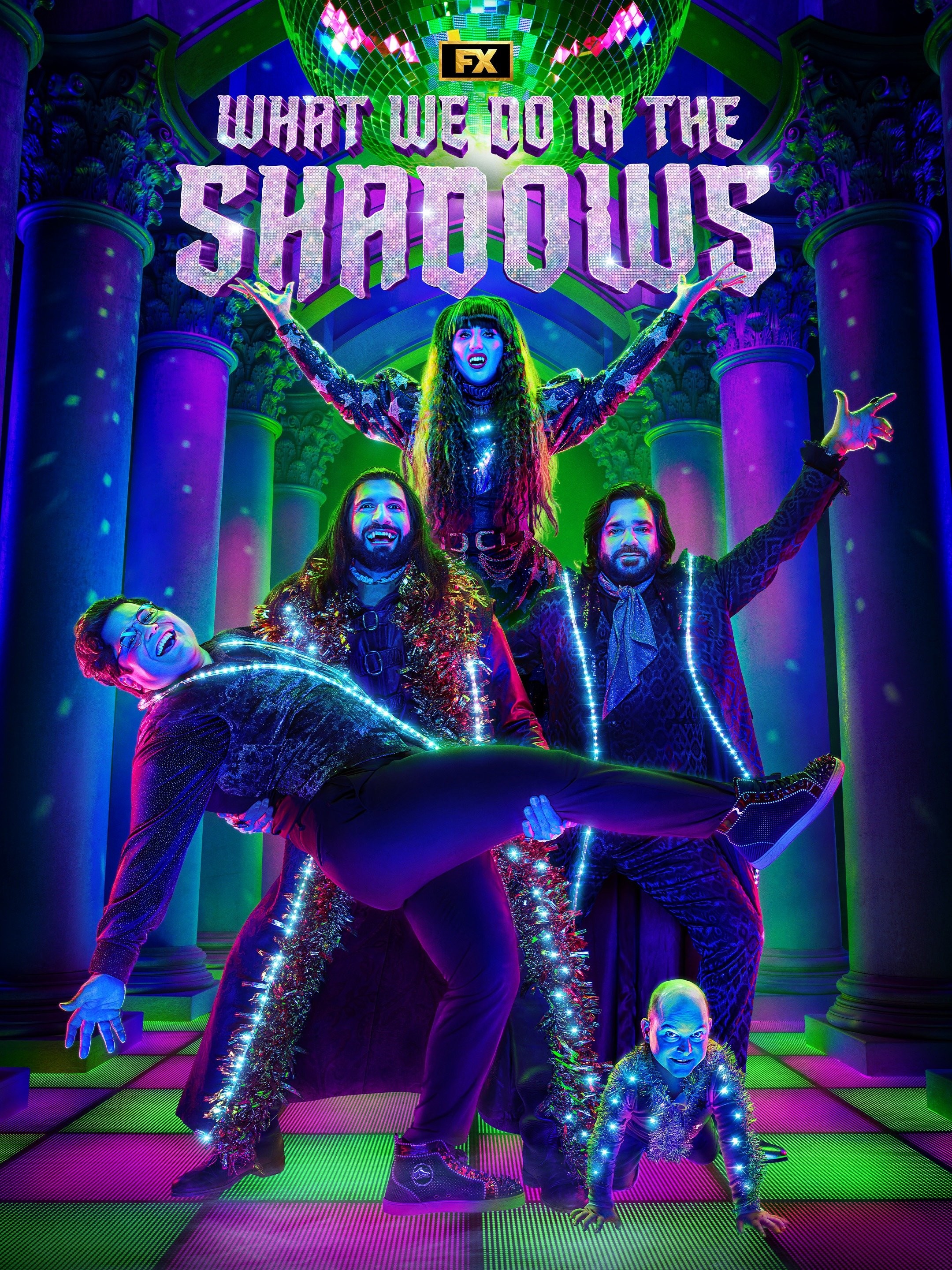
The television series “What We Do in the Shadows” has carved out a unique niche in the comedy landscape, captivating audiences with its mockumentary-style exploration of vampire life. Beyond its humor and supernatural premise, the show offers a compelling case study for understanding brand longevity and the strategic evolution required to remain relevant and engaging over multiple seasons. This article delves into the core elements that have contributed to the enduring success of “What We Do in the Shadows” as a brand, examining how its creative team has consistently delivered fresh content while maintaining its distinctive identity.
The Genesis of a Unique Brand Identity: Establishing the Foundation
From its inception, “What We Do in the Shadows” possessed a potent and singular brand identity, directly inherited from the critically acclaimed 2014 film of the same name. This initial success provided a strong foundation, but the transition to a television series required a strategic approach to translate that charm and humor to a larger, episodic format without diluting its essence.
The Charm of the Mundane in the Macabre
The genius of the show lies in its ability to juxtapose the extraordinary existence of ancient vampires with the utterly mundane realities of modern life. Nandor, Laszlo, Nadja, and Colin Robinson, along with their long-suffering familiar Guillermo, navigate the challenges of rent, household chores, awkward social interactions, and the existential ennui of immortality. This commitment to grounding the fantastical in the relatable is a cornerstone of its brand. It allows the audience to connect with characters who, despite their supernatural powers, are hilariously inept at basic human tasks. This deliberate contrast creates a rich vein of comedic potential that has been consistently mined throughout the series.
Mockumentary as a Strategic Tool
The mockumentary format is not merely a stylistic choice; it is a strategic branding element. It imbues the show with a sense of authenticity, even within its fantastical world. The “talking head” interviews, the shaky camera work, and the seemingly accidental intrusions into the vampires’ lives all contribute to a feeling of genuine observation. This format allows for direct audience engagement with the characters’ inner thoughts and justifications for their absurd behaviors. It also facilitates the exploration of individual character arcs and the evolution of their relationships, making the brand feel dynamic and responsive to audience perception.
Establishing Core Brand Pillars
The initial seasons of “What We Do in the Shadows” successfully established several core brand pillars that have remained consistent:
- Anachronistic Humor: The vampires’ struggle to adapt to modern technology and social norms provides an endless source of humor. Their outdated perspectives on everything from smartphones to pop culture clash hilariously with the present day.
- Character-Driven Comedy: While the premise is strong, the show’s true strength lies in its meticulously crafted characters. Each vampire possesses a distinct personality, set of flaws, and historical baggage, making their interactions compelling and their individual journeys engaging.
- Subversive Satire: Beneath the surface of the comedic antics, the show subtly satirizes societal norms, human foibles, and even aspects of the supernatural genre itself. It playfully deconstructs tropes while celebrating them.
By building upon these foundational elements, the show created a brand that was both distinctive and adaptable, paving the way for its continued success.
Sustaining Momentum: The Art of Creative Evolution in Later Seasons
Maintaining audience interest and critical acclaim over multiple seasons is a significant challenge for any brand, and “What We Do in the Shadows” has excelled in this area through a strategic approach to creative evolution. The show has demonstrated an impressive ability to introduce new elements, develop existing storylines, and keep the narrative fresh without straying from its core identity. This adaptability is crucial for long-term brand health.
Expanding the Supernatural Lore and World-Building
While the focus remains on the core group of vampires, the series has wisely expanded its supernatural universe. The introduction of new supernatural creatures, the exploration of vampire politics on a larger scale, and the deeper dives into the history and hierarchy of the vampire world have all served to enrich the brand. This strategic expansion provides new storytelling opportunities and keeps the narrative from becoming stagnant.
- The Vampire Council and Hierarchy: Episodes delving into the Vampire Council have been particularly effective. They have allowed the writers to explore the complex and often absurd bureaucracy of the supernatural world, providing a new backdrop for character interactions and comedic conflicts. These expansions also serve to legitimize the vampires’ place within a larger, established supernatural order, adding depth to their existence.
- Introducing New Supernatural Species: The inclusion of werewolves, ghosts, witches, and other supernatural beings has not only added variety but also allowed for interesting thematic explorations and comedic pairings. The interactions between different species, often fraught with ancient rivalries and misunderstandings, have provided fertile ground for fresh storylines.
- Deepening Backstories and Historical Context: While the show often relies on quick jokes about historical periods, later seasons have explored character backstories with more depth. Understanding Nandor’s past as a fierce warrior, Laszlo’s scandalous history as a nobleman, and Nadja’s origins as a vengeful spirit adds layers to their present-day personalities and motivations, making them more complex and relatable brands in themselves.

Character Development and Relationship Dynamics
A brand thrives when its audience feels connected to its characters. “What We Do in the Shadows” has excelled at character development, allowing its core cast to grow and evolve while remaining true to their established personalities. The relationships between the vampires, and particularly Guillermo’s evolving role, have been central to the show’s success.
- Guillermo’s Ascendancy: Guillermo de la Cruz’s journey from a subservient familiar to a formidable vampire hunter, and eventually a potential vampire himself, has been one of the most compelling arcs in the series. This evolution has provided immense narrative drive and allowed the show to explore themes of identity, loyalty, and aspiration from a unique perspective. His growing competence and confidence challenge the established power dynamics within the household, creating new comedic and dramatic possibilities.
- The Domestic Squabbles as a Constant: Despite their immense power, the vampires’ ongoing domestic squabbles and petty rivalries remain a core component of the brand. The writers have skillfully maintained these dynamics, ensuring that the characters’ fundamental personalities and their often-dysfunctional cohabitation continue to be a source of humor and conflict. The evolution here lies in the subtle shifts in these dynamics as characters grow, but the underlying essence of their clashing personalities persists.
- Exploring Individual Quirks and Obsessions: Later seasons have often focused on deepening specific character quirks and obsessions. Nandor’s ongoing quest for love and validation, Laszlo’s lascivious pursuits and theatrical outbursts, Nadja’s enduring passion for her doll and her fiery temper, and Colin Robinson’s insatiable hunger for energy have all been explored and amplified, providing consistent avenues for comedic material.
The Strategic Use of Guest Stars and Recurring Arcs
The show has also demonstrated a knack for strategically integrating guest stars and developing recurring story arcs that add new dimensions to the brand. These elements have been used not just for novelty but to further develop the core premise and characters.
- Meaningful Guest Appearances: Guest stars have often been integrated in ways that directly impact the main characters and their storylines, rather than feeling like superficial additions. Whether they are playing supernatural entities, human acquaintances, or figures from the vampires’ past, these appearances have consistently served the narrative and enhanced the brand’s universe.
- Developing Ongoing Narratives: The introduction of ongoing narratives, such as the dynamics with the neighboring vampires or the recurring presence of specific supernatural organizations, has provided a sense of continuity and depth. These arcs allow for character growth and plot progression over multiple episodes, giving the audience a reason to invest in the long-term trajectory of the brand.
The Enduring Appeal: Maintaining Brand Relevance in a Competitive Landscape
In the highly competitive landscape of television, maintaining brand relevance requires more than just consistent quality; it demands an ongoing understanding of audience expectations and the ability to adapt to evolving cultural sensibilities. “What We Do in the Shadows” has achieved this by consistently delivering on its core promises while subtly evolving its approach.
The Power of Consistency and Familiarity
At its heart, “What We Do in the Shadows” is a brand built on familiarity and a consistent comedic tone. Audiences tune in for the specific brand of humor, the established character dynamics, and the unique world they have come to love. The show’s ability to deliver on these expectations season after season is paramount to its enduring appeal. This consistency reassures the audience that they will receive the experience they have come to expect, fostering loyalty.
- Reliable Comedic Formula: The show has honed a comedic formula that blends dry wit, observational humor, and slapstick. This reliable structure ensures that each episode offers moments of genuine laughter, a key component of its brand promise. The predictability of the comedic beats, within the context of unpredictable situations, is a source of comfort for viewers.
- Character Archetypes and Their Evolution: While the characters are complex, they also embody recognizable archetypes of vampire lore. The writers have masterfully played with these archetypes, offering fresh takes and surprising depths. The audience understands the core of who these characters are, allowing them to appreciate the nuances of their development.
- A Safe Haven for Absurdity: In a world that can often feel overwhelming, “What We Do in the Shadows” offers a welcome escape into a realm of organized chaos and charming absurdity. This provides a consistent brand promise of lighthearted entertainment and a temporary reprieve from reality.
Adapting to Modern Sensibilities Without Compromising Identity
While the vampires are stuck in the past, the show itself has demonstrated an impressive ability to adapt to modern sensibilities and cultural conversations without sacrificing its core identity. This nuanced approach allows the brand to remain relevant to contemporary audiences.
- Subtle Social Commentary: The show often incorporates subtle social commentary through its characters’ anachronistic perspectives. By highlighting the absurdities of modern social norms through the eyes of out-of-touch vampires, the show engages in a form of satire that resonates with current discussions without being heavy-handed.
- Inclusive Representation (within its context): The show has also been praised for its inclusive representation, particularly with Guillermo’s character. His journey as a Latino familiar navigating the vampire world offers a unique perspective and has resonated with a diverse audience. The show’s ability to integrate these elements organically into its narrative is a testament to its sophisticated brand management.
- Meta-Humor and Self-Awareness: The show frequently employs meta-humor, acknowledging its own existence as a television show and referencing its own past seasons or episodes. This self-awareness adds another layer of sophistication to its brand, allowing it to engage with its audience on a deeper level and demonstrate its understanding of the media landscape.

The Brand as a Reflection of Its Creative Team’s Vision
Ultimately, the enduring success of “What We Do in the Shadows” is a testament to the consistent vision and creative prowess of its team. The show’s brand is intrinsically linked to the talent behind it, from the original creators to the current showrunners and writers. This strong creative leadership ensures that the brand’s integrity is maintained.
- Writer’s Room as a Brand Engine: The show’s writer’s room has proven to be a highly effective engine for generating fresh, witty, and character-driven material. Their ability to continually find new comedic avenues within the established premise is a core strength of the brand.
- Director’s Eye for Detail: The directorial team has consistently captured the mockumentary style with precision, ensuring a cohesive visual language that reinforces the brand. The way scenes are framed, the use of close-ups, and the seamless integration of special effects all contribute to the authentic, albeit absurd, world.
- Actor’s Embodiment of Characters: The casting and performances of the main actors have been instrumental in bringing the brand to life. Their commitment to fully embodying these eccentric characters, embracing their flaws and quirks, has made them incredibly endearing and has solidified their place in the public consciousness as iconic figures.
In conclusion, “What We Do in the Shadows” is more than just a popular television show; it is a masterclass in brand longevity and strategic evolution. By establishing a unique identity, artfully expanding its narrative scope, and consistently adapting to maintain relevance, the series has secured its place as a cultural touchstone. Its success serves as a valuable case study for any brand seeking to thrive in the long term, demonstrating that a strong foundation, combined with a willingness to evolve and a deep understanding of its audience, is the key to enduring appeal.
aViewFromTheCave is a participant in the Amazon Services LLC Associates Program, an affiliate advertising program designed to provide a means for sites to earn advertising fees by advertising and linking to Amazon.com. Amazon, the Amazon logo, AmazonSupply, and the AmazonSupply logo are trademarks of Amazon.com, Inc. or its affiliates. As an Amazon Associate we earn affiliate commissions from qualifying purchases.