
Wall Street, a name synonymous with American finance, capitalism, and often, both immense wealth and devastating crises, is far more than just a narrow street in lower Manhattan. It represents a complex ecosystem of markets, institutions, and people that have shaped, and continue to shape, the global economy. To understand “what was Wall Street” is to embark on a journey through centuries of economic evolution, technological innovation, and societal shifts, all viewed through the lens of capital, investment, and market dynamics. It is the story of how a modest colonial trading post transformed into the symbolic and literal epicentre of modern finance, orchestrating the flow of capital that powers industries, fuels innovation, and dictates the financial fortunes of nations and individuals alike.
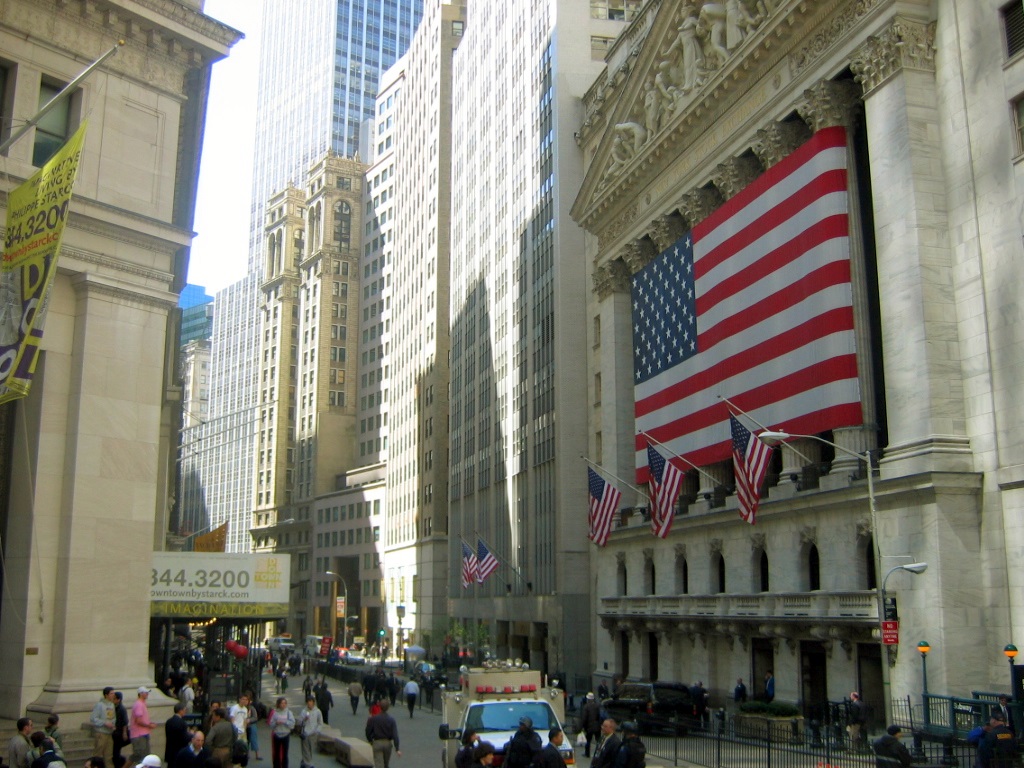
The Genesis of a Financial Frontier: From Dutch Outpost to Economic Hub
The origins of Wall Street are surprisingly humble, a stark contrast to the colossal power it wield wields today. Its initial purpose had little to do with finance and everything to do with defence and commerce in the burgeoning New World.
Early Origins and the Wall’s Significance
The very name “Wall Street” traces its roots back to the 17th century when New Amsterdam, a Dutch colonial settlement, erected a wooden palisade along its northern border in 1653. This wall, built to protect against potential attacks from Native Americans and rival British colonists, stretched from river to river, effectively demarcating the city’s limits. While the physical wall was eventually dismantled by the British in 1699, the street that ran alongside it retained its name. Even in these early days, the area began to serve as a meeting point for merchants and traders, foreshadowing its future as a commercial hub. Commodities like tobacco, sugar, and slaves were bought and sold, laying rudimentary groundwork for future market activities. The geographic convenience, with easy access to the port and the existing trade routes, naturally fostered an environment where economic transactions became increasingly centralized.
The Buttonwood Agreement and the Birth of the NYSE
The true genesis of Wall Street as a financial marketplace, specifically for securities, can be precisely dated to May 17, 1792. On this pivotal day, twenty-four stockbrokers and merchants gathered under a buttonwood tree at 68 Wall Street. They signed the Buttonwood Agreement, a document that established rules for trading securities, primarily government bonds (issued to fund the Revolutionary War) and shares of early banks like the Bank of New York. This agreement sought to formalize what had previously been an informal and often chaotic process of buying and selling shares. It mandated that members trade only with one another and set fixed commission rates, creating a more orderly and exclusive market. This informal gathering under a tree was the direct precursor to the New York Stock & Exchange Board, formally established in 1817, which later became the New York Stock Exchange (NYSE). This event marked the transition from ad-hoc trading to a structured, rule-bound exchange, fundamentally altering the trajectory of American finance and solidifying Wall Street’s role as the nascent nation’s primary market for capital.
Wall Street’s Ascent: Forging the Modern Financial System
As the United States expanded and industrialized throughout the 19th and early 20th centuries, Wall Street grew exponentially in tandem, becoming an indispensable engine for national economic development.
Industrialization and Capital Formation
The post-Civil War era saw unprecedented industrial growth across America, often referred to as the Second Industrial Revolution. Railroads crisscrossed the continent, factories churned out goods, and new technologies emerged. All of this required enormous amounts of capital. Wall Street rose to meet this demand, becoming the primary conduit through which capital was raised. Investment bankers played a crucial role, underwriting stocks and bonds issued by burgeoning corporations, allowing them to fund expansion, build infrastructure, and innovate. Figures like J.P. Morgan became titans, not just as financiers but as architects of entire industries, consolidating competing companies and effectively shaping the American economic landscape. Without the efficient capital allocation facilitated by Wall Street, the rapid industrialization of the United States would have been significantly hampered, if not impossible. The Street evolved into a sophisticated mechanism for channeling savings into productive investments, transforming individual wealth into collective economic power.
The Rise of Investment Banking and Brokerage Firms
With the increasing complexity of capital markets, specialized financial institutions began to emerge and proliferate. Investment banks, distinct from commercial banks, focused on facilitating the issuance of new securities (primary market) and advising corporations on mergers, acquisitions, and restructuring. Firms like Goldman Sachs, Lehman Brothers, and Merrill Lynch became household names, though their roles were often more behind-the-scenes, connecting investors with companies in need of funding. Brokerage firms, on the other hand, specialized in executing trades on behalf of individual and institutional investors (secondary market), providing access to the exchanges. These firms developed sophisticated research departments and trading desks, employing an army of analysts, traders, and salespeople. The professionalization of these services further cemented Wall Street’s dominance, creating an intricate network of expertise and capital flows that was unparalleled anywhere else in the world.
Regulatory Frameworks and Market Evolution
The rapid growth and increasing sophistication of financial markets also brought periods of unchecked speculation, market manipulation, and subsequent crashes. The Panic of 1907, for instance, highlighted the fragility of the financial system and the lack of a central authority. This led to the creation of the Federal Reserve System in 1913, designed to provide stability and liquidity to the banking sector. However, it was the cataclysmic Wall Street Crash of 1929 and the ensuing Great Depression that truly forced a fundamental rethink of financial regulation. The New Deal era brought forth landmark legislation such as the Securities Act of 1933 and the Securities Exchange Act of 1934, which established the Securities and Exchange Commission (SEC). These acts introduced stricter disclosure requirements, prohibited insider trading, and aimed to protect investors, fundamentally reshaping the regulatory landscape and bringing a new era of oversight to Wall Street. These regulations, while evolving, laid the groundwork for the more structured and transparent markets we know today.
The Engines of Capital: Functions and Key Players
At its core, Wall Street performs several critical functions that are indispensable to a modern capitalist economy, facilitated by a diverse array of institutions.
Stock Exchanges: Where Value is Traded
The most visible components of Wall Street are its stock exchanges, primarily the New York Stock Exchange (NYSE) and the NASDAQ. These exchanges provide organized marketplaces where publicly traded securities—stocks, bonds, and other financial instruments—are bought and sold. The NYSE, with its iconic trading floor, has historically been associated with larger, more established companies, while the NASDAQ, a fully electronic exchange, became the preferred venue for technology and growth companies. These exchanges perform crucial roles: they provide liquidity, allowing investors to easily buy and sell assets; they facilitate price discovery, reflecting the collective judgment of millions of investors; and they offer a mechanism for companies to raise capital by issuing shares. Beyond stocks, exchanges also host trading in commodities, futures, options, and other derivatives, allowing for risk management and speculative opportunities across various asset classes.
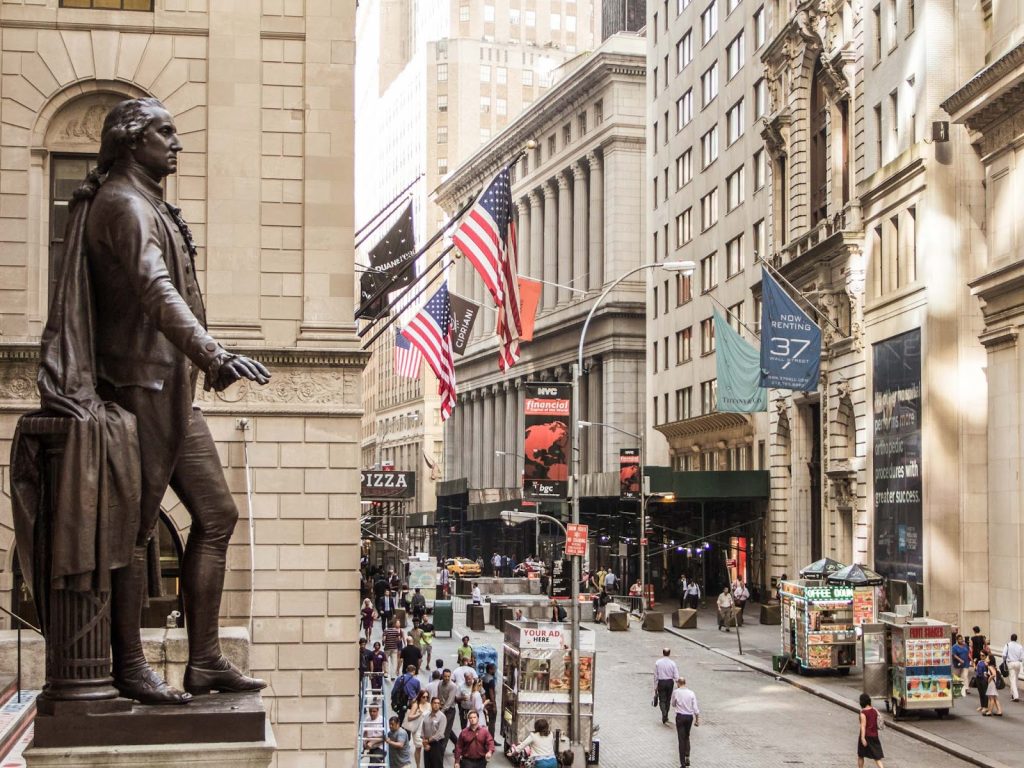
Investment Banks: Facilitating Growth and Mergers
Investment banks are the architects of corporate finance on Wall Street. Their primary functions include underwriting new stock and bond issues for corporations and governments, guiding companies through initial public offerings (IPOs), and advising on mergers and acquisitions (M&A). They act as intermediaries, connecting companies that need capital with investors willing to provide it. Furthermore, investment banks engage in proprietary trading, using their own capital to make market bets, and provide prime brokerage services to hedge funds, offering lending, clearing, and execution services. Their expertise is crucial for complex financial transactions, enabling companies to grow, consolidate, and restructure, thereby driving economic activity and facilitating shifts in industrial landscapes.
Asset Management and Wealth Creation
A significant, though often less public, segment of Wall Street is dedicated to asset management. This involves managing portfolios of investments for individuals, institutions (like pension funds and endowments), and sovereign wealth funds. Firms such as BlackRock, Vanguard, and Fidelity manage trillions of dollars, deploying capital across a vast spectrum of assets from stocks and bonds to private equity and real estate. Their role is to generate returns for their clients, fulfilling long-term financial goals such as retirement planning, education funding, and philanthropic endowments. Hedge funds and private equity firms also fall under this umbrella, albeit with different investment strategies and client bases, often targeting higher returns through more aggressive or specialized approaches. These institutions are vital in accumulating, preserving, and growing wealth, playing a crucial role in the financial security of millions and the broader economy’s stability.
Periods of Turmoil and Transformation: Resilience and Reinvention
Wall Street’s history is not a linear path of uninterrupted growth; it is punctuated by periods of profound crisis, each testing its resilience and prompting significant change.
Market Crashes and Economic Recessions
From the Panic of 1907 to the Black Tuesday of 1929, the Black Monday of 1987, the Dot-com Bust of 2000, and the Global Financial Crisis of 2008, Wall Street has been at the epicenter of numerous market crashes and economic recessions. These events often stem from excessive speculation, asset bubbles, opaque financial instruments, or systemic vulnerabilities. Each crisis brought immense financial losses, triggered widespread panic, and had ripple effects throughout the global economy. The human cost—job losses, foreclosures, and shattered savings—underscored the profound impact Wall Street’s actions and market health have on ordinary people. These periods of turmoil, while devastating, have also served as catalysts for learning and reform, prompting reassessments of risk, ethics, and regulatory efficacy.
The Role of Regulation in Crisis Management
In the wake of major crises, regulatory responses have often been swift and far-reaching. The creation of the Federal Reserve and the SEC following the Great Depression established foundational regulatory structures. The Sarbanes-Oxley Act of 2002 followed the Enron and WorldCom scandals, aiming to improve corporate governance and accountability. Most recently, the Dodd-Frank Wall Street Reform and Consumer Protection Act of 2010 was a direct response to the 2008 financial crisis, seeking to prevent a recurrence through stricter oversight of banks, new consumer protections, and enhanced transparency in derivatives markets. While regulations are constantly debated for their effectiveness and potential unintended consequences, they represent society’s attempt to temper the excesses of capitalism and safeguard the financial system from systemic collapse. Wall Street’s relationship with regulation is a perpetual push and pull, a dynamic tension between innovation and control.
Adapting to Globalized Markets and Digitalization
Beyond crises, Wall Street has also undergone continuous transformation driven by technological advancements and the increasing globalization of financial markets. The advent of computers and later the internet revolutionized trading, moving from paper-based transactions to electronic platforms. Program trading, algorithmic trading, and high-frequency trading became dominant, increasing market speed and efficiency but also introducing new forms of risk. Simultaneously, the interconnectedness of global economies meant that events in one part of the world could quickly impact markets on Wall Street, and vice-versa. Firms expanded internationally, establishing operations in London, Tokyo, Hong Kong, and other financial centers, reflecting the borderless nature of modern capital flows. This ongoing adaptation demonstrates Wall Street’s capacity for reinvention, constantly seeking to leverage new technologies and expand its reach to maintain its central position in global finance.
The Enduring Legacy and Future Trajectory of Wall Street
Wall Street, in its multifaceted historical and contemporary form, remains an undeniable force in the world. Its legacy is complex, encompassing both unparalleled innovation and periods of profound controversy.
Its Unwavering Influence on Global Finance
Despite shifts in power to other financial hubs and the increasing decentralization of some financial activities, Wall Street’s influence remains paramount. The sheer volume of capital, depth of expertise, and breadth of financial products and services concentrated in and around this district are unmatched. The decisions made by its institutions, the trends emerging from its markets, and the capital allocated by its players ripple across continents, affecting economies, businesses, and individuals globally. It continues to be a primary source of capital for groundbreaking enterprises, a barometer of economic health, and a hub for financial talent and innovation. Its symbolic power as the embodiment of American capitalism endures, making it a constant subject of scrutiny, admiration, and criticism.
Navigating New Challenges: Fintech, ESG, and Decentralization
The financial landscape is ever-evolving, and Wall Street is currently navigating several transformative challenges. Fintech, the convergence of finance and technology, is disrupting traditional business models, with startups offering innovative solutions in payments, lending, and investment, sometimes bypassing established institutions. The rise of Environmental, Social, and Governance (ESG) investing is shifting capital towards more sustainable and ethically responsible ventures, pressuring firms to integrate these considerations into their strategies. Perhaps most revolutionary is the concept of decentralization, driven by blockchain technology and cryptocurrencies, which promises to fundamentally alter how financial transactions are executed, potentially disintermediating traditional financial institutions. Wall Street must continually adapt to these forces, integrating new technologies, embracing sustainable practices, and rethinking traditional structures to remain relevant and competitive.
Beyond the Bricks and Mortar: A Symbolic Power
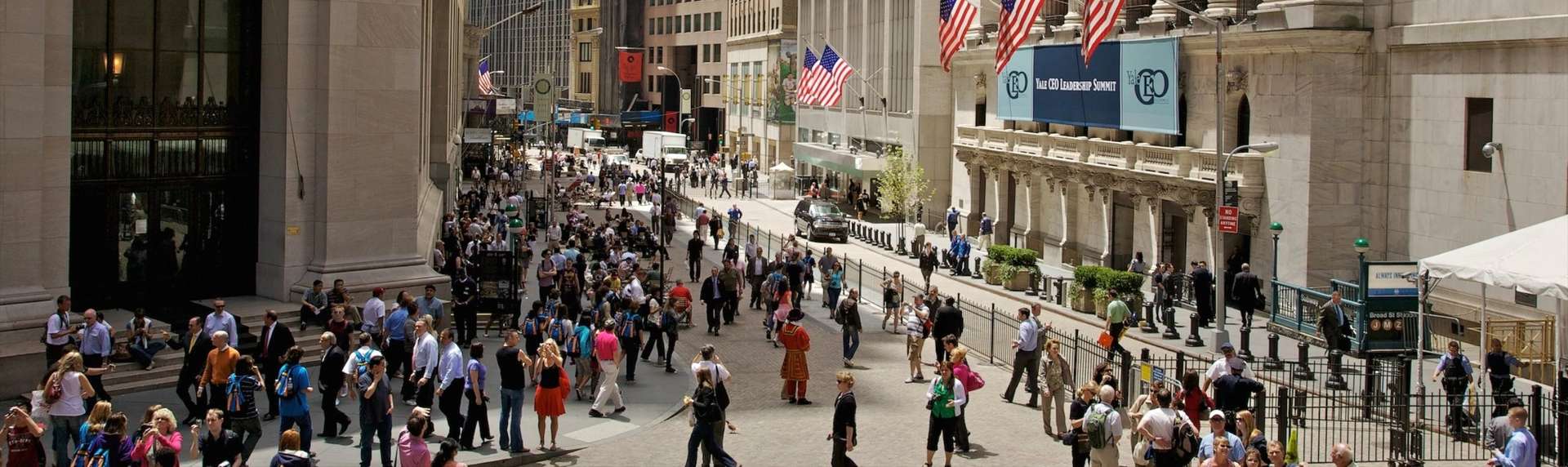
Ultimately, “Wall Street” transcends its physical location. It is a powerful symbol—a shorthand for the entire U.S. financial industry, its aspirations, its excesses, and its undeniable impact. It represents the perpetual quest for capital formation, the thrill of the market, the complexities of wealth management, and the cyclical nature of economic booms and busts. From its humble beginnings as a defensive wall to its current status as a global financial titan, Wall Street has been, and continues to be, a dynamic and often contentious force in human history, intimately tied to the ebb and flow of money, power, and progress. Understanding “what was Wall Street” is to understand a significant chapter in the ongoing story of global capitalism and its relentless evolution.
aViewFromTheCave is a participant in the Amazon Services LLC Associates Program, an affiliate advertising program designed to provide a means for sites to earn advertising fees by advertising and linking to Amazon.com. Amazon, the Amazon logo, AmazonSupply, and the AmazonSupply logo are trademarks of Amazon.com, Inc. or its affiliates. As an Amazon Associate we earn affiliate commissions from qualifying purchases.