
The translation of literary descriptions into visual media is one of the most complex challenges in modern film technology. When J.K. Rowling first penned the description of Lord Voldemort, she created a nightmare of biological impossibility: a snake-like visage, slit nostrils, and glowing red eyes with cat-like pupils. For the technologists and visual effects (VFX) artists tasked with bringing this to life in the Harry Potter film franchise, the question of what Voldemort was “supposed” to look like wasn’t just a creative debate—it was a technical hurdle that pushed the boundaries of digital rendering, facial tracking, and compositing software.
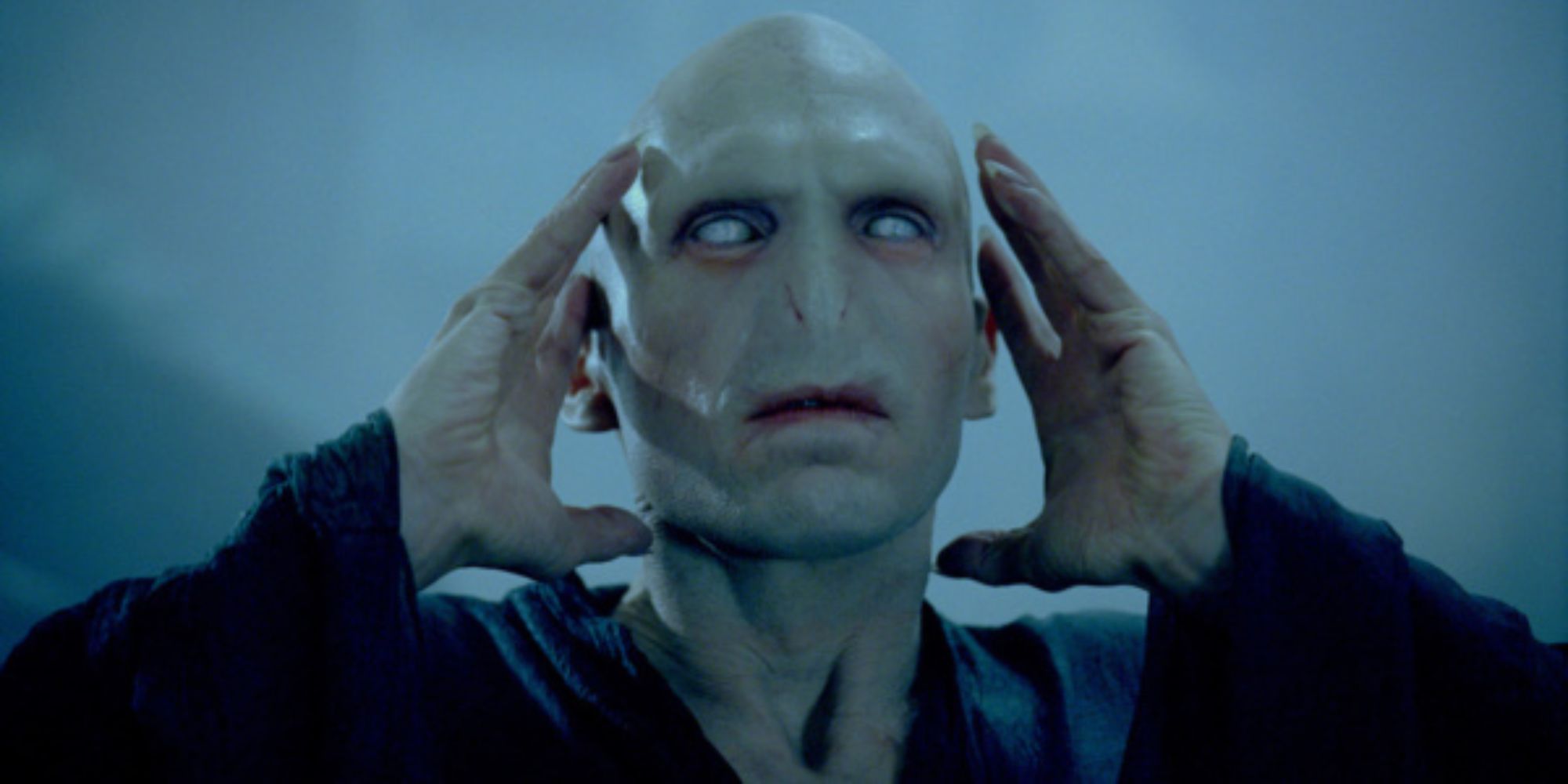
In the transition from page to screen, Voldemort’s appearance became a case study in how technology mediates our perception of horror. By examining the digital architecture behind the Dark Lord, we gain insight into the sophisticated workflows that define modern character tech.
From Page to Pixels: The Technical Blueprint of Lord Voldemort
Before a single frame was shot, Voldemort existed as a set of technical specifications derived from literary descriptions. In the world of high-end character design, this process begins with concept art that must eventually be reconciled with the limitations of the current hardware and software stacks.
The Literary Description as a Design Spec
In the source material, Voldemort is described as having skin “white as a skull,” eyes that are “blood-red,” and a nose “as flat as a snake’s with slits for nostrils.” From a tech perspective, this creates immediate challenges regarding “subsurface scattering”—the way light penetrates a surface and scatters. Bone-white skin can easily look like plastic or “clay” in a digital environment if the shaders are not calibrated correctly. The VFX teams had to develop custom shaders that could simulate the translucency of sickly, thin skin while maintaining a terrifying, otherworldly texture.
Concept Art and the Digital Sandbox
The initial “look-dev” (look development) phase involved digital sculpting tools like ZBrush and Mudbox. Unlike traditional clay modeling, these digital environments allow artists to work with millions of polygons, carving out the fine topographical details of the character’s face. The goal was to create a digital asset that looked “supposedly” human but was fundamentally broken. Designers used these programs to experiment with how much of the “snake” features could be integrated into the human anatomy of actor Ralph Fiennes without falling into the “uncanny valley,” where a character looks just realistic enough to be repulsive for the wrong technical reasons.
Practical Prosthetics vs. Digital De-aging: The Hybrid Approach
One of the most significant technical triumphs in the creation of Voldemort was the marriage between physical makeup and digital augmentation. While contemporary films often lean heavily on full CGI characters, Voldemort required a hybrid workflow to ensure the performance remained grounded in reality.
Ralph Fiennes and the Physical Transformation
The foundation of Voldemort’s look was a series of thin prosthetic appliances. However, the technology of 2005 (when The Goblet of Fire was produced) meant that heavy prosthetics could stifle an actor’s facial expressions. To solve this, the makeup team used extremely thin layers of silicone that allowed the micro-movements of Fiennes’ face to be captured by cameras. This physical layer provided the “base” texture and interactive lighting that a purely digital model might struggle to replicate authentically.
Digital Erasure: The Challenge of the Missing Nose
The most iconic “missing” piece of Voldemort’s look—his nose—was a purely technical achievement. Because it is impossible to physically hide a human nose with makeup without adding bulk, the VFX team had to perform “digital surgery” on every single frame in which Voldemort appeared. This involved placing tracking markers (small dots) on the actor’s face. In post-production, artists used software like Nuke and Autodesk Maya to “paint out” the nose and replace it with the sunken, slit-nostril digital asset. This required frame-by-frame rotoscoping and complex “match-moving” to ensure that the digital nose followed the physical movements of the head with sub-pixel accuracy.
Advanced Rendering Techniques and Lighting Physics
To make Voldemort look as he was “supposed” to look—frightening, ethereal, and unnatural—the tech teams had to master the physics of light. The way a character looks is often less about the model itself and more about how that model interacts with its digital environment.
Subsurface Scattering and Pale Skin Texturing
As mentioned, the “skull-white” skin was a technical minefield. In the world of 3D rendering, “Subsurface Scattering” (SSS) is the technique used to simulate the way light travels through skin. If you hold your hand up to the sun, you see a red glow; that is SSS. For Voldemort, the technical directors had to invert the warmth usually associated with human skin. They programmed the shaders to reflect a cold, blue-green undertone, giving him a “corpse-like” digital signature. This required massive computational power at the time, as calculating the path of millions of light rays through a translucent surface is one of the most processor-intensive tasks in rendering.
Ray-Tracing the Red Eyes: A Technical Choice
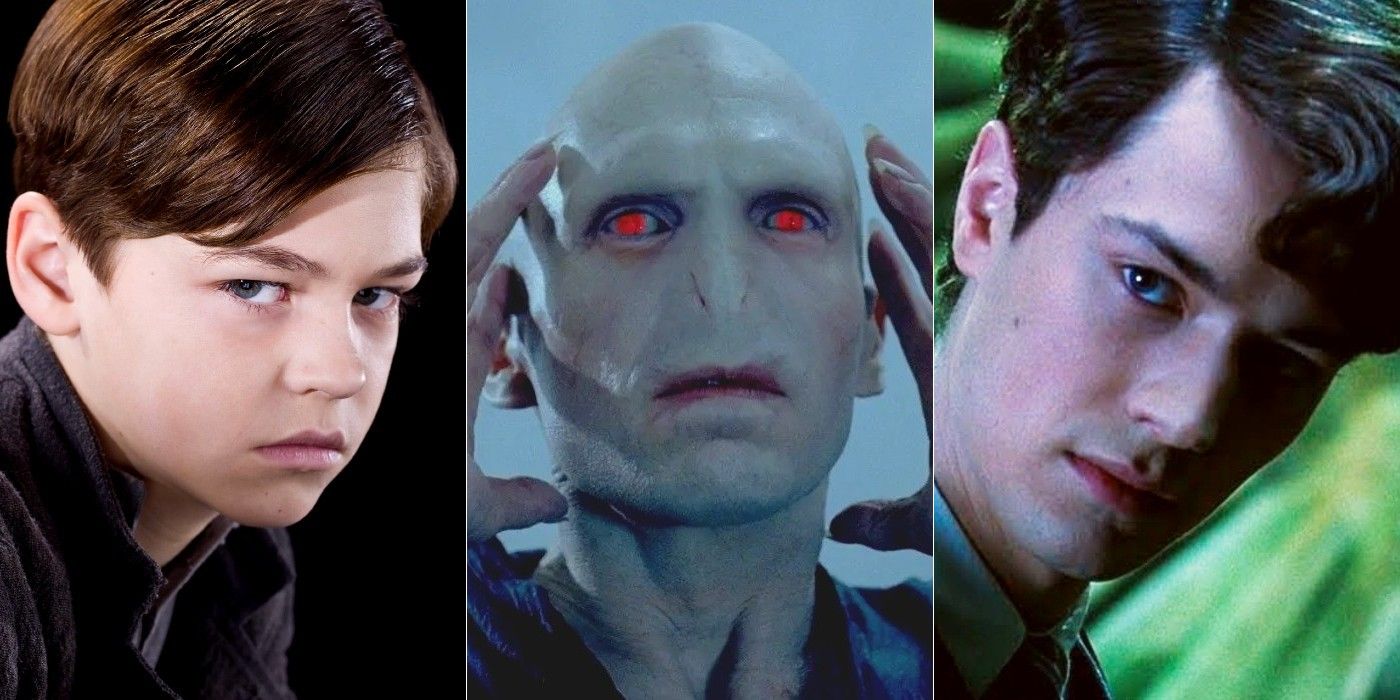
One of the biggest diversions from the books was the decision to omit the glowing red eyes. From a tech and directorial standpoint, this was a calculated risk. While they could have used digital overlays to change the eye color, the filmmakers found that the “human” eyes of Ralph Fiennes were more expressive. However, the technical possibility was fully explored. Using ray-tracing—a rendering technique that simulates the physical behavior of light—artists could have created a red iris that glowed from within. Ultimately, they decided that the digital “noise” of the red glow would distract from the “acting” data being captured from the pupils, proving that sometimes, the best tech is the tech you choose not to use.
The Future of Character Design: AI and Procedural Generation
If Voldemort were being designed today, the “supposed” look would be achieved through an entirely different set of technological tools. The evolution of AI and real-time engines has changed the landscape of character creation.
Would Voldemort Look Different Today?
With the advent of Unreal Engine 5 and MetaHuman technology, creating a photorealistic, “snake-like” humanoid is now possible in real-time. Modern “Machine Learning” (ML) algorithms can analyze thousands of images of snakes and human skulls to procedurally generate skin textures that are more detailed than anything possible in the mid-2000s. We would likely see “dynamic wrinkling” systems, where the skin stretches and folds with perfect anatomical accuracy based on AI-driven simulations of underlying muscle and bone structures.
Generative Design in Modern Fantasy Media
Today’s VFX artists use generative design to explore iterations of a character’s look. An artist could prompt an AI model to “blend a human male with a king cobra,” generating hundreds of variations in seconds. This allows for a more rigorous exploration of the “supposed” look before a single 3D model is built. Furthermore, modern “Performance Capture” (as seen in Avatar or Planet of the Apes) would allow for Voldemort’s entire face—including the nose slits—to be rendered in real-time during filming, allowing the director to see the final “monster” on a monitor while the actor is still on set.
Conclusion: The Legacy of Digital Craftsmanship
The question of what Voldemort was supposed to look like is ultimately a testament to the era’s technical ingenuity. It represents a pivot point in film history where digital effects moved away from being “add-ons” and became integral to the character’s soul. By using a combination of high-resolution digital sculpting, complex SSS shaders, and meticulous frame-by-frame compositing, the VFX teams created a villain that felt biologically plausible yet spiritually vacant.
Voldemort’s visual identity remains a benchmark for digital character design. It reminds us that technology’s primary role in storytelling is to bridge the gap between the impossible images in a writer’s mind and the tangible reality of the screen. As we move into an era of AI-generated visuals and real-time rendering, the Dark Lord’s “look” stands as a reminder of the precision and technical mastery required to turn a literary nightmare into a digital reality.
aViewFromTheCave is a participant in the Amazon Services LLC Associates Program, an affiliate advertising program designed to provide a means for sites to earn advertising fees by advertising and linking to Amazon.com. Amazon, the Amazon logo, AmazonSupply, and the AmazonSupply logo are trademarks of Amazon.com, Inc. or its affiliates. As an Amazon Associate we earn affiliate commissions from qualifying purchases.