
In the world of corporate identity and brand strategy, we often speak of “pivot points”—singular moments where a company’s trajectory shifts from obscurity to market dominance. In the realm of professional sports, few technicalities have served as a more profound pivot point than the “Tuck Rule.” While it originated as an obscure line in the NFL rulebook, it evolved into a foundational element of one of the most powerful brand legacies in modern history: the New England Patriots dynasty and the personal brand of Tom Brady.
To understand the Tuck Rule is to understand how a specific, controversial moment can be leveraged to build a narrative of destiny, resilience, and institutional excellence. It was not merely a referee’s decision; it was the catalyst for a multi-billion dollar shift in sports branding.
The Mechanics of the Rule and the Night That Changed Everything
Strictly defined by the NFL rulebook at the time, Rule 3, Section 22, Article 2, Note 2—popularly known as the Tuck Rule—stated that any intentional forward movement of a quarterback’s arm started a forward pass, even if the player lost possession while attempting to “tuck” the ball back toward his body. Essentially, if a quarterback moved his arm forward to throw and then decided not to, any fumble that occurred while he was bringing the ball back to his chest was technically an incomplete pass, not a turnover.
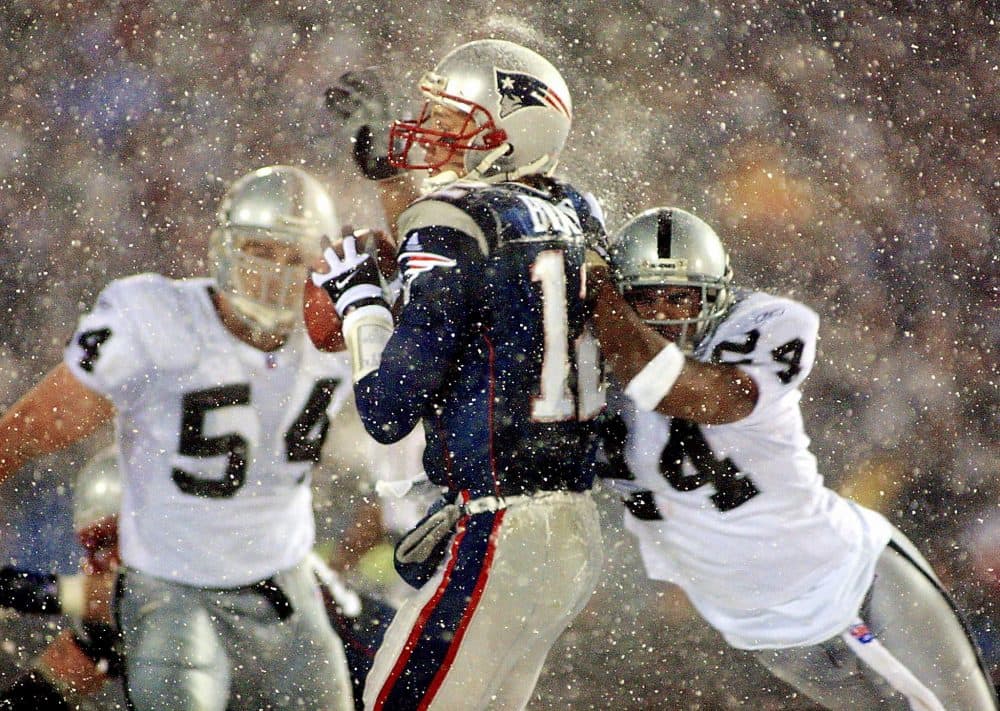
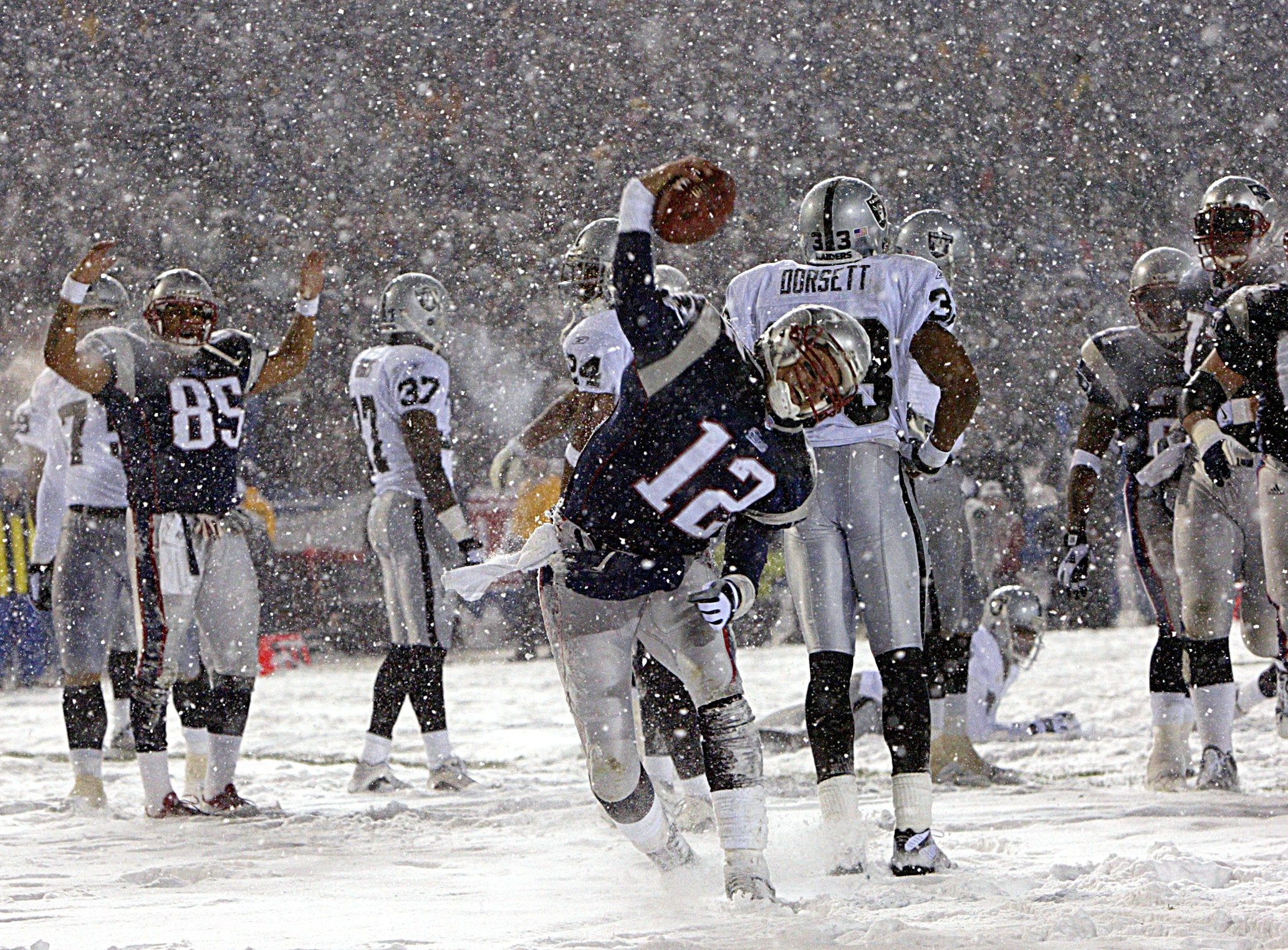
The rule became a household name on the night of January 19, 2002, during the AFC Divisional Playoff game between the New England Patriots and the Oakland Raiders. In the freezing snow of Foxboro, Massachusetts, Raiders cornerback Charles Woodson hit Patriots quarterback Tom Brady, causing what appeared to be a game-ending fumble. However, after a video review, officials cited the Tuck Rule, ruled it an incomplete pass, and allowed the Patriots to retain possession. They went on to win the game and, eventually, their first Super Bowl.
From Technicality to Brand Catalyst
For a brand strategist, this moment represents the ultimate “lucky break” that precedes a massive market expansion. Before this game, the New England Patriots were a middling franchise with a brand characterized by inconsistency. Tom Brady was a sixth-round draft pick—a “budget” asset with low expectations. The Tuck Rule functioned as the unexpected venture capital injection that allowed the brand to survive long enough to prove its long-term value.
The Power of Narrative in Brand Building
Had the Tuck Rule not been invoked, the Patriots likely would have lost, and the “Brady-Belichick” era might have been strangled in its crib. By surviving that moment, the franchise was able to pivot its narrative from “struggling underdog” to “team of destiny.” In branding, the story you tell about your origin matters as much as the product itself. The Tuck Rule provided the Patriots with a “creation myth” that suggested they were protected by the very rules of the game, setting the stage for two decades of psychological dominance over their competitors.
Defining the “Patriot Way”: Corporate Identity Born from Controversy
Following the Tuck Rule game, the New England Patriots did not just win games; they developed a distinct corporate identity known as “The Patriot Way.” This brand identity was built on the pillars of discipline, meticulous attention to detail (including the exploitation of obscure rules), and a “next man up” philosophy.
Brand Discipline and the Exploitation of “Fine Print”
The Tuck Rule taught the Patriots organization a valuable lesson in brand positioning: knowledge of the “fine print” provides a competitive edge. This became a hallmark of the Belichick era. While other teams focused on raw talent, the Patriots branded themselves as the smartest organization in the room. They leveraged the Tuck Rule not as a source of shame, but as a testament to their preparation and their ability to operate within the margins of the system.
The “Villain Brand” vs. The “Hero Brand”
The Tuck Rule also created a fascinating branding dichotomy between the two teams involved. The Oakland Raiders, already possessing a brand identity rooted in being “outlaws” and “rebels,” saw their brand reinforced as the perpetual victims of the establishment. Conversely, the Patriots began their transition into the “corporate juggernaut.” In any market, having a clear antagonist helps solidify a brand’s internal culture. The lingering resentment from the rest of the league over the Tuck Rule allowed the Patriots to adopt an “Us Against the World” internal culture, which is one of the most effective tools for building employee (or player) loyalty and performance.
The Personal Branding of Tom Brady: From Sixth-Rounder to G.O.A.T.
No individual brand benefited more from Rule 3, Section 22, than Tom Brady. Today, the Brady brand is synonymous with “The Greatest of All Time” (G.O.A.T.), luxury lifestyle, and high-performance longevity (TB12). However, in 2001, Brady was a placeholder.
Leveraging Momentum for Brand Equity
The Tuck Rule gave Brady the “space” to succeed. In brand management, timing is everything. Had he fumbled and lost that game, his brand might have been labeled “unreliable” or “backup-tier.” Instead, the ruling gave him the opportunity to lead a game-winning drive, effectively “launching” his brand on a global stage. He capitalized on this momentum by winning the Super Bowl MVP weeks later, instantly converting his brand from a low-value asset to a premier blue-chip entity.
Authenticity and the Persistence of the “Tuck” Narrative
Even decades later, Brady’s ability to engage with the Tuck Rule narrative shows a masterclass in personal brand management. In 2022, he posted a viral video jokingly admitting that it “might” have been a fumble. This type of self-aware marketing softens a brand, making a massive, untouchable icon seem relatable. By leaning into the controversy rather than running from it, he maintains control over the narrative, a key strategy for any high-profile brand facing historical scrutiny.
Lessons in Crisis Management and Brand Capital for the NFL
The NFL as a whole had to manage the fallout of the Tuck Rule. The controversy was so great that it eventually led to the rule being abolished in 2013. However, the decade-long lifespan of the rule served the NFL’s overarching brand strategy perfectly.
Controversy as an Engagement Tool
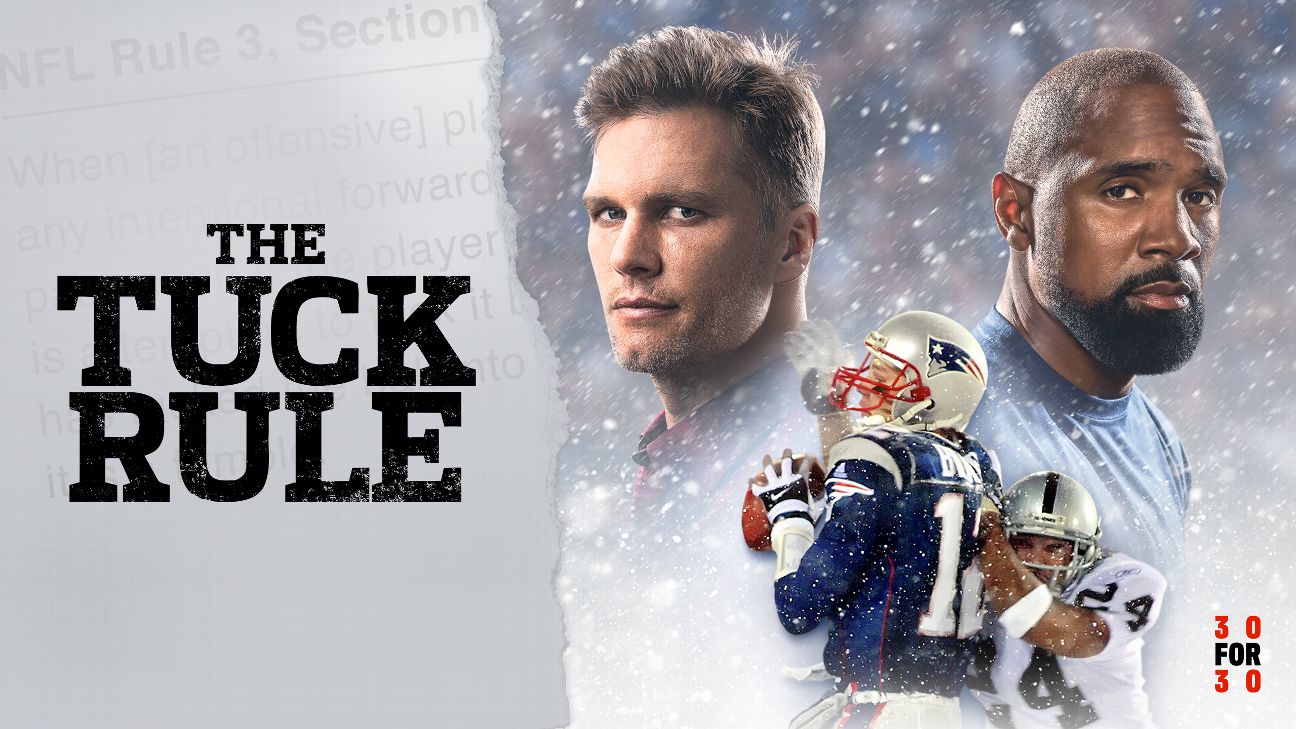
In marketing, “outrage” is a form of engagement. The Tuck Rule was discussed in sports media for years, keeping the NFL brand at the center of cultural conversation. The league understood that a perfectly fair game is often less marketable than a game with a controversial talking point. The Tuck Rule provided the league with “Brand Capital”—a story so compelling and divisive that it ensured viewers would tune in for the rematch, the sequel, and the documentary twenty years later.
Evolving the Product to Protect the Brand
The eventual repeal of the Tuck Rule in 2013 was a strategic “product recall.” When a feature of your product (the rule) starts to cause more damage to the brand’s reputation for integrity than it provides in entertainment value, the feature must be removed. By abolishing the rule by a 29-1 vote among team owners, the NFL demonstrated “Institutional Agility,” showing its stakeholders (the fans) that it was capable of self-correction to protect the long-term health of the brand.
The Legacy of Rule 3, Section 22: Changing the Narrative of Success
The Tuck Rule is more than a footnote in a sports almanac; it is a case study in how “luck” is codified into “strategy” over time. The most successful brands in the world are often those that take a fortunate occurrence and retroactively frame it as part of a master plan.
Converting Fortune into a Sustainable Model
The New England Patriots took the “capital” gained from the Tuck Rule and reinvested it into six Super Bowl titles. They used the breathing room provided by that one referee’s decision to build a sustainable, repeatable model of excellence. This is the ultimate goal of brand strategy: using a singular market breakthrough to establish a permanent market position.
Conclusion: The Strategic Value of the “Tuck”
For businesses and personal brands, the Tuck Rule serves as a reminder that the “fine print” matters, that controversy can be converted into brand equity, and that a single moment of survival can be the foundation of a multi-decade empire. The rule itself is gone, but the brand identity it helped forge—one of cold, calculating efficiency and a refusal to lose—remains the gold standard in the sports world. In the end, the Tuck Rule didn’t just change the result of a game; it changed the way we perceive the intersection of rules, luck, and the construction of greatness.
aViewFromTheCave is a participant in the Amazon Services LLC Associates Program, an affiliate advertising program designed to provide a means for sites to earn advertising fees by advertising and linking to Amazon.com. Amazon, the Amazon logo, AmazonSupply, and the AmazonSupply logo are trademarks of Amazon.com, Inc. or its affiliates. As an Amazon Associate we earn affiliate commissions from qualifying purchases.