
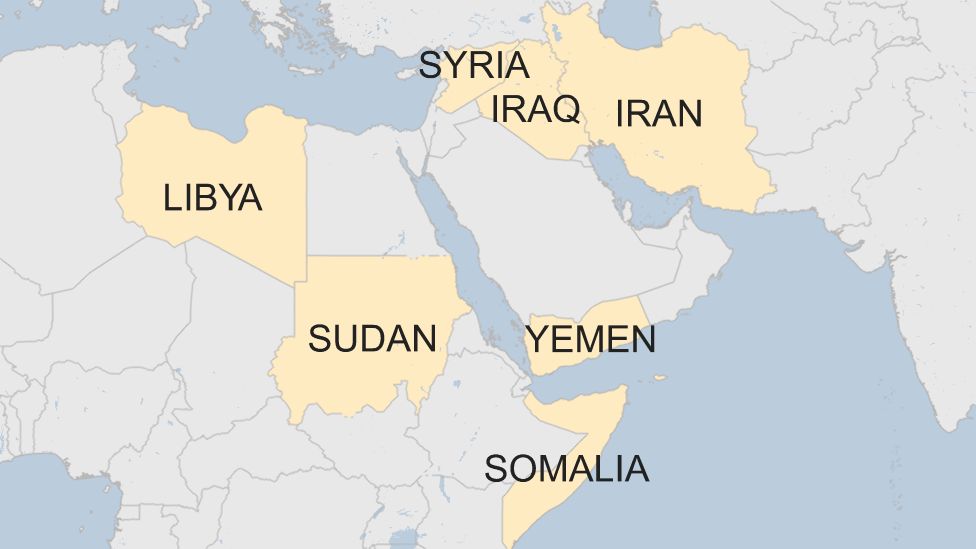
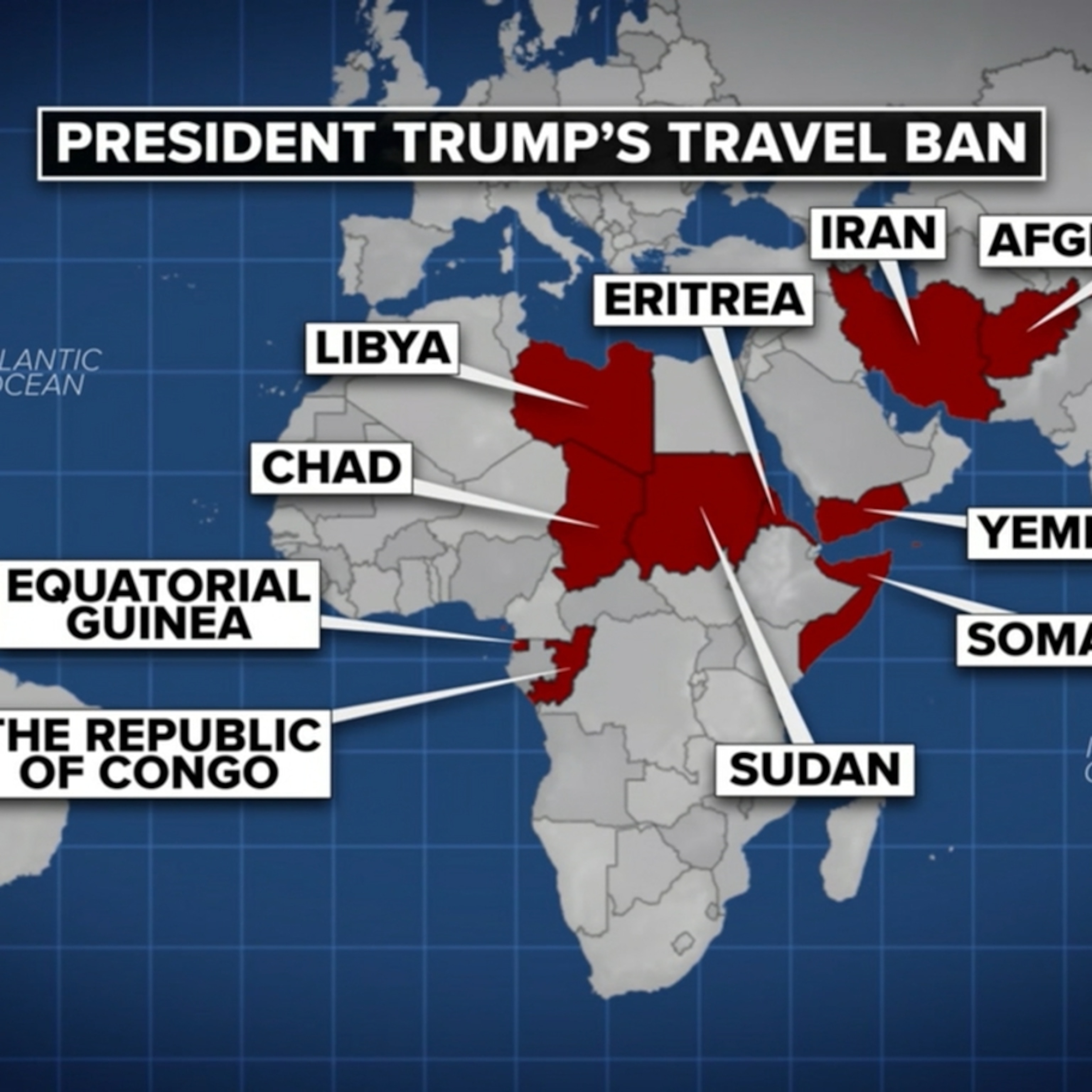
When the term “travel ban” is discussed in contemporary discourse, it is often framed through a political or humanitarian lens. However, for investors, corporate treasurers, and personal finance strategists, the various travel bans—most notably the U.S. executive orders initiated in 2017 and the subsequent global lockdowns of 2020—represented a seismic shift in the global economic landscape. To understand what the travel ban was from a financial perspective, one must look beyond the borders and into the ledgers of multinational corporations and the portfolios of global investors.
The financial implications of restricted mobility are vast. They encompass everything from the immediate plummeting of aviation stocks to the long-term devaluation of “hospitality capital.” In this analysis, we will explore the travel ban as a case study in market volatility, corporate risk management, and the evolution of personal financial planning in an era of geopolitical uncertainty.
The Macroeconomic Impact: How Travel Restrictions Reshape Global Markets
The immediate aftermath of a travel ban is rarely felt at the border alone; it is felt on the trading floor. When mobility is restricted, the velocity of money slows down. The travel ban, in its various iterations, served as a catalyst for a re-evaluation of global market dependencies.
Aviation and Hospitality: The Immediate Revenue Crisis
The most direct victims of any travel ban are the airline and hospitality sectors. In the wake of the 2017 executive orders and the later, more expansive COVID-era bans, the aviation industry faced a liquidity crisis. Fixed costs—such as aircraft leases, maintenance, and labor—remained high while top-line revenue evaporated.
For investors, this period was a masterclass in “sectoral contagion.” As airlines lost value, the ripple effect hit aerospace manufacturers like Boeing and Airbus, as well as the global fuel markets. The financial “travel ban” wasn’t just about stopping people; it was about stopping the flow of capital that travels with them. Tourism-dependent economies saw their Gross Domestic Product (GDP) forecasts slashed, leading to currency devaluation in emerging markets that rely heavily on foreign exchange brought in by international visitors.
Foreign Direct Investment (FDI) and Global Talent Acquisition
From a business finance perspective, travel bans act as a non-tariff trade barrier. Economic growth is often driven by Foreign Direct Investment (FDI), which requires executives to scout locations, meet partners, and oversee operations. When travel is restricted, the “due diligence” process becomes exponentially more expensive and time-consuming.
Furthermore, the “brain drain” or “talent lock” caused by travel bans has a tangible price tag. Silicon Valley and other tech hubs rely on the global movement of H-1B visa holders and specialists. When a travel ban restricts this movement, companies face increased domestic labor costs and the potential loss of intellectual property development to foreign competitors. The financial cost of “lost innovation” is difficult to quantify but is reflected in the long-term R&D (Research and Development) expenditures of major corporations.
Corporate Financial Management in the Face of Geographic Constraints
For the Chief Financial Officer (CFO) of a multinational enterprise, a travel ban is a risk factor that must be mitigated through complex financial instruments and strategic pivots. The shift from “Just-in-Time” to “Just-in-Case” financial planning became a hallmark of the post-travel ban era.
Supply Chain Fragility and Logistics Costs
While travel bans often focus on passengers, the logistical infrastructure used for passengers is frequently shared with high-value cargo. A significant portion of global air freight is carried in the bellies of passenger planes. When passenger flights are canceled due to a ban, cargo capacity shrinks, and shipping rates skyrocket.
Businesses had to restructure their finance departments to account for “logistics volatility.” This meant holding more cash on hand to cover emergency shipping costs and diversifying suppliers to ensure that a ban in one region didn’t lead to a total production halt. The travel ban essentially forced a “de-globalization” of supply chain finance, where companies began investing in regional hubs to insulate themselves from international border closures.
Risk Mitigation and Business Continuity Planning
In the world of corporate finance, “Business Continuity Planning” (BCP) became a major investment area. Before the era of large-scale travel bans, many companies viewed geographic restrictions as a “black swan” event—highly unlikely and difficult to predict. Today, BCP is a standard line item in corporate budgets.
Companies have invested billions in digital infrastructure to facilitate “virtual mobility.” From a financial standpoint, this is a shift from OpEx (Operating Expenses) related to travel to CapEx (Capital Expenditures) in technology. While reducing travel costs can improve the bottom line in the short term, the long-term financial impact of reduced face-to-face deal-making is a subject of intense debate among corporate strategists.
Personal Finance and the ‘New Normal’ for Global Investors
The travel ban didn’t just affect corporations; it fundamentally changed how high-net-worth individuals and retail investors manage their personal wealth. The realization that one’s physical presence in a location could be legally restricted overnight led to a surge in “financial hedging” via residency and citizenship.
Diversifying Portfolios Against Geopolitical Risk
Savvy investors now view “geography” as a risk asset, much like a stock or a bond. The travel ban taught the financial world that being tied to a single jurisdiction is a vulnerability. Consequently, we have seen a rise in the diversification of physical assets. This includes holding real estate in multiple jurisdictions and maintaining offshore bank accounts that remain accessible even if travel to a specific country is barred.
Investment portfolios have also shifted. There is a newfound skepticism toward “travel-heavy” stocks, with investors favoring companies that provide “borderless” services—such as cloud computing, fintech, and digital entertainment. The “Travel Ban Portfolio” is one that is resilient to physical lockdowns, focusing on assets that can be managed, traded, and liquidated from anywhere in the world.
The Rise of ‘Plan B’ Residencies and Economic Citizenship
Perhaps the most interesting financial trend born from travel restrictions is the boom in the “Investment Migration” industry. Programs that offer “Citizenship by Investment” (CBI) or “Residency by Investment” (RBI) are now marketed as essential financial tools.
For a significant fee—often ranging from $100,000 to over $2 million—individuals can purchase a “Plan B.” From a personal finance perspective, this is an insurance policy. The “cost” of the investment is weighed against the potential “loss” of being unable to access global markets or protect one’s family during a crisis. This has created a multi-billion dollar niche in the wealth management sector, where “mobility” is traded as a commodity.
Lessons for the Future: Financial Resilience in an Unpredictable World
What was the travel ban? It was a wake-up call for the global financial system. It exposed the fragility of a world that assumed perpetual motion and forced a massive reallocation of capital toward resilience and digital integration.
Leveraging Technology to Offset Physical Mobility Losses
The financial world has responded to travel restrictions by doubling down on fintech. The rise of decentralized finance (DeFi) and blockchain technology is, in part, a response to the realization that physical borders can hinder traditional banking. If a person cannot travel to a bank, or if a bank cannot move money across a restricted border, digital assets provide a workaround. This tech-driven financial autonomy is a direct legacy of the constraints imposed by travel bans.

The Role of Financial Reserves and Liquidity
Finally, the travel ban emphasized the importance of liquidity. Both for individuals and for businesses, the ability to pivot requires cash. We have seen a shift in financial advice toward maintaining higher “emergency funds” that account for prolonged periods of restricted movement.
In conclusion, the travel ban was much more than a political maneuver; it was a transformative economic event. It redefined risk for the modern investor, forced corporations to rethink their global footprints, and gave birth to a new era of financial planning where mobility—or the lack thereof—is a primary variable. As we move forward, the lessons learned from these periods of restriction will continue to influence how capital is deployed, how businesses are structured, and how personal wealth is protected in an increasingly volatile world.
aViewFromTheCave is a participant in the Amazon Services LLC Associates Program, an affiliate advertising program designed to provide a means for sites to earn advertising fees by advertising and linking to Amazon.com. Amazon, the Amazon logo, AmazonSupply, and the AmazonSupply logo are trademarks of Amazon.com, Inc. or its affiliates. As an Amazon Associate we earn affiliate commissions from qualifying purchases.