
The year 2020 stands as one of the most anomalous and educational periods in the history of global finance. To understand what the stock market was in 2020 is to understand a paradox: a year characterized by the swiftest economic contraction in modern history occurring simultaneously with one of the most aggressive bull market recoveries ever recorded. For investors, 2020 was a trial by fire that redefined the relationship between the economy and the equity markets, highlighting the profound influence of monetary policy, the acceleration of digital transformation, and the rise of the retail investor.
The Great Crash: A Black Swan Event and the Fastest Bear Market
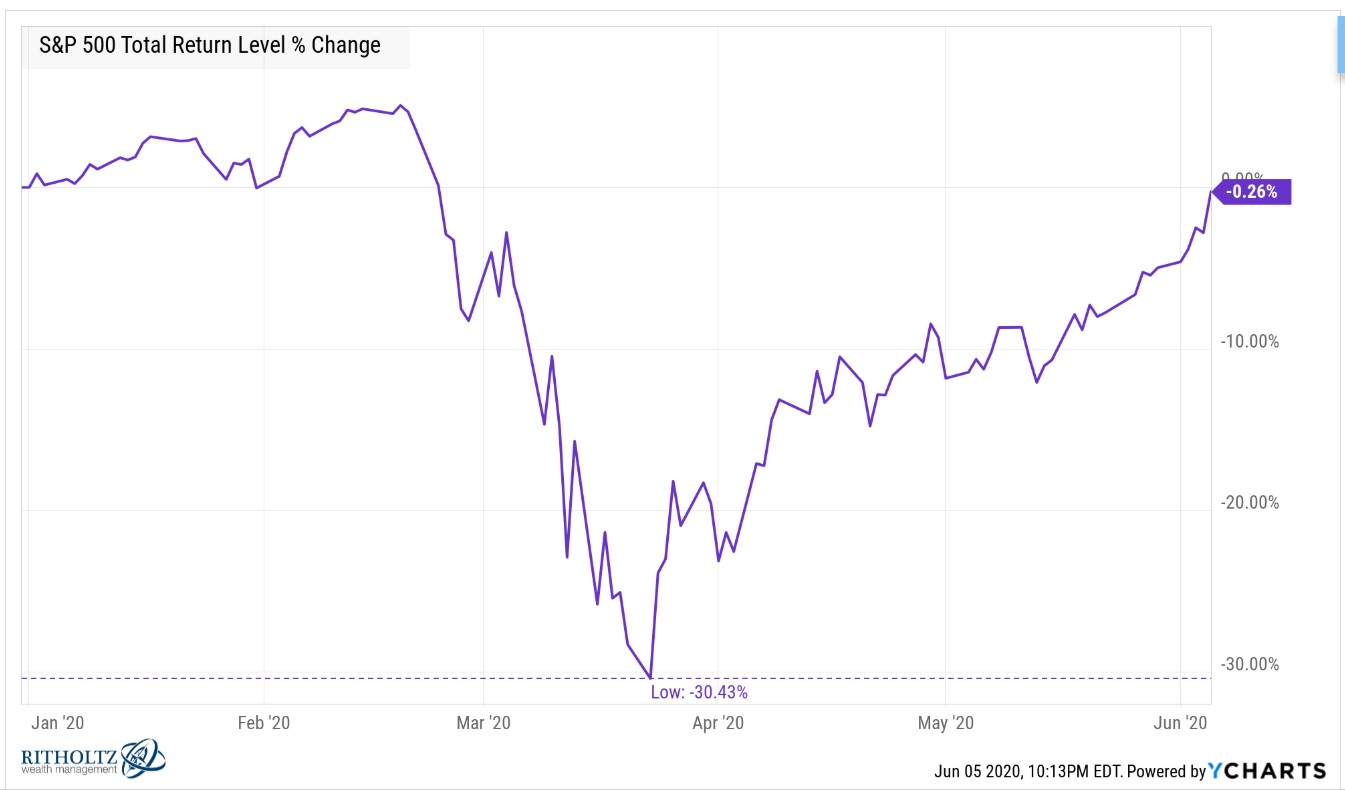
The stock market began 2020 on a high note, with major indices like the S&P 500 and the Dow Jones Industrial Average reaching record highs in mid-February. However, as the COVID-19 pandemic moved from a localized health concern to a global crisis, the financial markets reacted with historic intensity.
The Velocity of the Descent
Between February 19 and March 23, 2020, the S&P 500 plummeted by roughly 34%. This was not merely a correction; it was the fastest transition from an all-time high to a bear market in the history of the New York Stock Exchange. The speed of the decline was driven by extreme uncertainty regarding the lethality of the virus, the duration of impending lockdowns, and the total lack of a historical precedent for a “forced” global economic shutdown. During this window, the market experienced several “circuit breaker” events—automatic trading halts designed to curb panic selling—marking some of the most volatile trading days since the 1987 “Black Monday” crash.
The Liquidity Crisis and Flight to Cash
In the initial weeks of the March crash, traditional correlations broke down. Investors witnessed a “sell everything” mentality where even safe-haven assets, such as gold and long-term Treasuries, were sold off as institutions and individuals scrambled for cash. The CBOE Volatility Index (VIX), often referred to as the market’s “fear gauge,” spiked to levels not seen since the 2008 financial crisis, reflecting a total breakdown in investor confidence.
The Great Decoupling: Wall Street vs. Main Street
Perhaps the most confusing aspect of the 2020 stock market for the general public was the stark divergence between market performance and economic reality. While unemployment rates in the United States soared to nearly 15% and small businesses closed their doors permanently, the stock market began a relentless climb upward starting in late March.
The Role of the Federal Reserve
The primary catalyst for the market’s recovery was the unprecedented intervention by the Federal Reserve. Recognizing the potential for a total financial collapse, the Fed, led by Chairman Jerome Powell, slashed interest rates to near-zero and launched an open-ended quantitative easing program. By injecting trillions of dollars into the financial system and establishing credit facilities to buy corporate bonds, the Fed effectively put a “floor” under the market. This signaled to investors that the central bank would provide whatever liquidity was necessary to prevent a systemic failure, encouraging a return to risk assets.
Fiscal Stimulus and the CARES Act
On the fiscal side, the U.S. government passed the CARES Act, a $2.2 trillion stimulus package that provided direct payments to citizens and forgivable loans to businesses. This influx of capital prevented a total collapse in consumer spending and, perhaps more importantly for the stock market, provided households with the capital to stay afloat and, in many cases, begin investing. The combination of monetary and fiscal support created a “liquidity wave” that lifted equity prices even as GDP figures remained dismal.
The Digital Transformation and the Era of the “Stay-at-Home” Trade
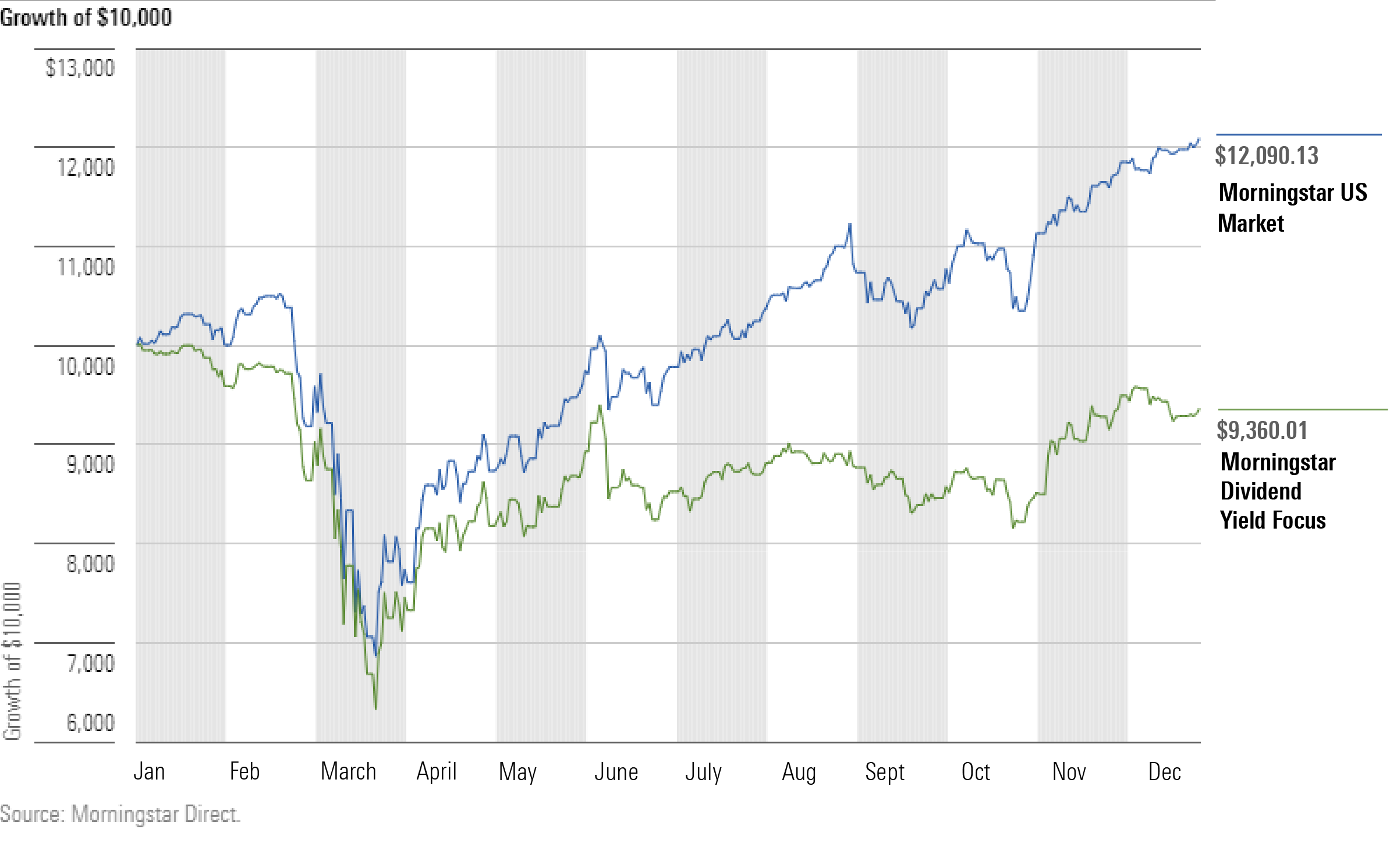
The 2020 stock market was not a monolithic rise; it was a highly fragmented recovery. While the broader indices recovered, the underlying drivers were specific sectors that benefited from—or were resilient to—the pandemic-induced shift in human behavior. This period accelerated trends that were expected to take a decade into a matter of months.
The Dominance of Big Tech
The year was defined by the massive outperformance of the “FAANG” stocks (Facebook, Apple, Amazon, Netflix, and Google) and Microsoft. These companies provided the infrastructure for remote work, cloud computing, and e-commerce. Because these firms had strong balance sheets and business models that thrived in a socially distanced world, they became the new defensive plays. By the end of 2020, these five companies represented a staggering percentage of the S&P 500’s total market capitalization, exerting an outsized influence on the index’s performance.
The Growth of “Stay-at-Home” Stocks
Beyond the tech giants, a new category of “stay-at-home” stocks emerged. Companies like Zoom Video Communications, Peloton, and Shopify saw their valuations skyrocket as they became essential services for a quarantined population. Conversely, “reopening” sectors—such as airlines, cruise lines, hotels, and traditional energy—lagged significantly for most of the year. This created what economists called a “K-shaped recovery,” where high-growth tech and digital services moved upward while labor-intensive, physical industries struggled to survive.
The Democratization of Investing: The Retail Revolution
One of the most lasting legacies of the 2020 stock market was the fundamental shift in who was trading. With professional sports canceled and many people stuck at home with stimulus checks, a new generation of retail investors entered the market, primarily through mobile-first, zero-commission brokerages.
The Robinhood Effect
The platform Robinhood became the face of this movement. By eliminating trading fees and gamifying the user experience, it attracted millions of new, younger investors. This influx of retail capital began to move markets in ways previously reserved for institutional hedge funds. Fractional shares allowed investors with small amounts of capital to own pieces of high-priced stocks like Amazon or Tesla, further increasing market participation.
Social Media as a Financial Force
2020 saw the rise of online communities, such as those on Reddit and Twitter, acting as collective engines for investment sentiment. While the famous “meme stock” craze of GameStop didn’t fully peak until early 2021, the groundwork was laid in 2020. The “Diamond Hands” and “YOLO” culture of retail trading introduced a new level of volatility and momentum to the market, often untethered from traditional valuation metrics like P/E ratios.
Key Lessons and the Close of a Historic Year
As 2020 drew to a close, the stock market had achieved the unthinkable. The S&P 500 finished the year up approximately 16%, while the tech-heavy Nasdaq Composite gained over 43%. The year ended on a high note driven by the “Vaccine Rally” in November, following news of successful trials from Pfizer and Moderna, which finally provided a light at the end of the tunnel for the global economy.
Time in the Market vs. Timing the Market
For personal finance and investing, 2020 provided the ultimate lesson in the dangers of market timing. Investors who panicked and sold at the bottom in March missed out on one of the fastest rallies in history. Those who remained disciplined and stayed invested—or better yet, rebalanced into the decline—were rewarded with significant gains. It served as a powerful reminder that the market is a forward-looking mechanism; it often begins to price in a recovery long before the headlines turn positive.

The Importance of Diversification and Resilience
The year also highlighted the necessity of a diversified portfolio. While tech stocks led the way, the sudden rotation into value and cyclical stocks following the vaccine news in November showed how quickly market leadership can shift. Investors learned that “risk” is not just about the probability of a market drop, but about the resilience of one’s portfolio to withstand unforeseen “Black Swan” events.
Ultimately, the stock market in 2020 was a testament to the power of central bank intervention, the adaptability of the corporate sector, and the evolving nature of the investor base. It was a year that challenged every conventional wisdom of finance, proving that in the world of investing, the only constant is change.
aViewFromTheCave is a participant in the Amazon Services LLC Associates Program, an affiliate advertising program designed to provide a means for sites to earn advertising fees by advertising and linking to Amazon.com. Amazon, the Amazon logo, AmazonSupply, and the AmazonSupply logo are trademarks of Amazon.com, Inc. or its affiliates. As an Amazon Associate we earn affiliate commissions from qualifying purchases.