
The question of Alexander the Great’s personal religious convictions remains a subject of scholarly debate and popular fascination. While the historical record offers glimpses into his actions and pronouncements concerning deities, a definitive statement on his internalized belief system is elusive. However, from a strategic perspective – viewing his reign and conquests through the lens of an ancient, highly effective brand – Alexander’s engagement with religion was a masterstroke. His cultivated image, inextricably linked to divine favor and the adoption of local pantheons, was a critical element in solidifying his vast, multicultural empire. This wasn’t merely about personal piety; it was about building a cohesive, powerful brand that transcended geographical and cultural boundaries.
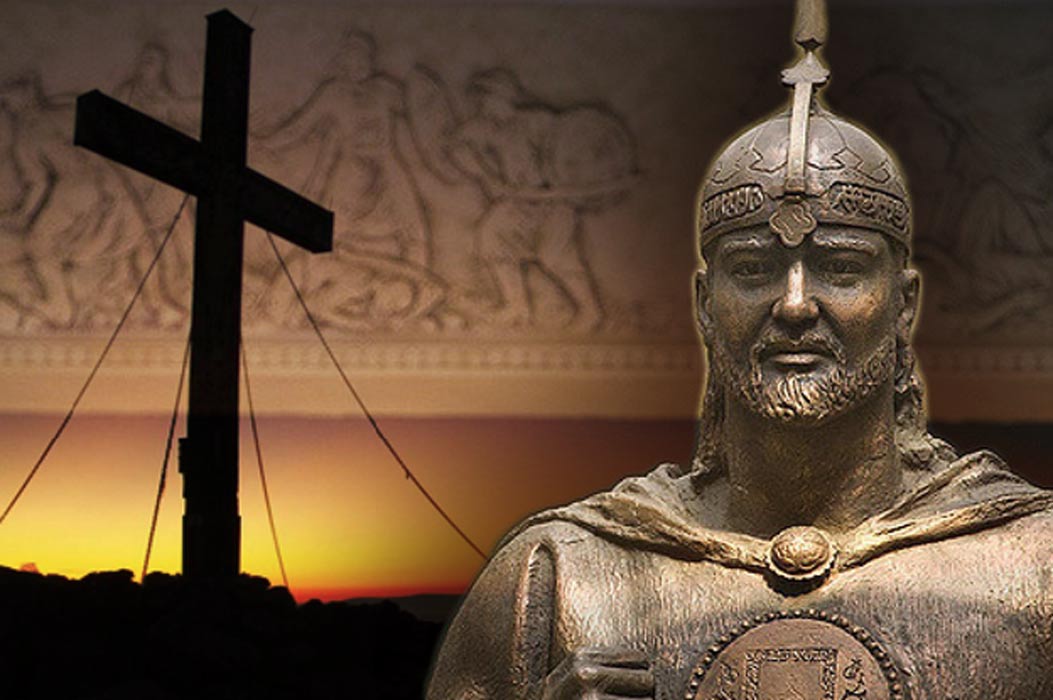
The Pan-Hellenic Pantheon: Cultivating an Image of Divine Mandate
Alexander was born into a world steeped in Greek polytheism. His father, Philip II of Macedon, was already a shrewd operator in leveraging religious associations for political gain. Alexander inherited and amplified this understanding, positioning himself as a divinely chosen leader within the Greek world. This was not just a matter of personal belief, but a crucial aspect of his brand identity.
Divine Parentage and Prophecy
From his earliest years, Alexander was associated with divine beings. The most famous example is the claim that his mother, Olympias, conceived him through Zeus, often depicted in the form of a serpent. While likely apocryphal, this narrative was potent. It immediately elevated Alexander beyond the status of a mortal ruler, imbuing him with an aura of destiny. This played into the existing Greek tradition of heroes and demigods, a recognizable and aspirational archetype within his target demographic – the Greek city-states and their citizens.
The pronouncements of oracles, such as the Oracle of Siwa in Egypt, further cemented this perception. His visit and subsequent acclaimed consultation with the oracle, which declared him the son of Zeus-Ammon, was a calculated move. This bestowed upon him a divine legitimacy recognized by the Egyptians and resonated deeply with the religious sensibilities of many Eastern cultures who revered syncretic divine figures. For his Greek followers, it reinforced the narrative of divine favor, aligning him with the ultimate authority of Zeus, the king of the gods. This divine association was a core component of his personal brand, making him not just a conqueror, but a chosen instrument of the gods.
Performing Piety and Honoring Local Deities
Alexander understood that to conquer and rule diverse peoples, he could not impose a singular religious identity. Instead, he strategically adopted and honored the religious practices of the conquered territories. This was a sophisticated form of brand adaptation. He was not just a Macedonian king; he became a patron and protector of local cults.
In Egypt, he presented himself as a pharaoh, participating in Egyptian religious ceremonies and honoring their gods, particularly Amun. He rebuilt temples and made offerings, demonstrating respect for their traditions. This act of religious diplomacy was crucial. It signaled to the Egyptians that their way of life, including their spiritual beliefs, would be respected under his rule. This fostered acceptance and reduced resistance, allowing him to consolidate his power more effectively. His image became one of a benevolent ruler who understood and respected their divine order, a stark contrast to the often brutal imposition of foreign rule.
Similarly, upon entering Asia, he made sacrifices at various altars and honored local deities. While the specifics of his personal belief in these foreign gods are debatable, the public performance of reverence was undeniable. It served to disarm potential opposition and integrate him into the existing socio-religious fabric of these societies. This pragmatism in religious observance was a hallmark of his brand, showcasing adaptability and inclusivity rather than rigid adherence to Macedonian traditions.
The Cult of Alexander: From Ruler to Divine Figure
As Alexander’s empire expanded, his personal image began to evolve from that of a divinely favored mortal to something approaching divine itself. This transformation was not solely organic; it was actively cultivated, transforming his personal brand into a quasi-religious phenomenon.
Royal Proskynesis and the Eastern Court
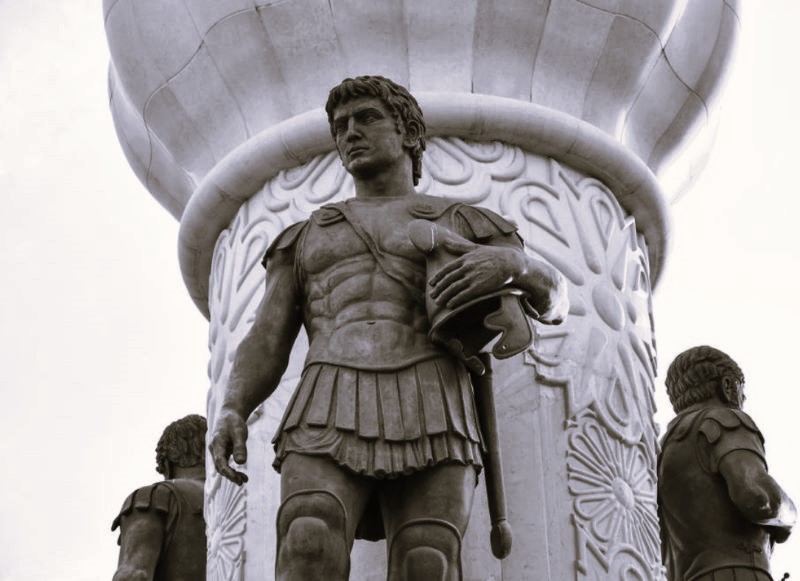
One of the most controversial aspects of Alexander’s later reign was his adoption of Persian court customs, including the practice of proskynesis – a ritual prostration before the king. For the Persians, this was a sign of respect for their monarch, who was seen as a divinely appointed ruler. For the Greeks, however, it carried connotations of worshipping a mortal as a god.
This practice, while alienating some of his Macedonian and Greek companions, was a deliberate extension of his brand. It was an attempt to bridge the cultural divide and establish a supreme authority that could command reverence from all subjects, regardless of their origin. By adopting the symbols and rituals of Eastern kingship, he was signaling his elevation to a level of power and prestige that transcended mere mortal leadership. It was a bold move to establish a singular, all-encompassing brand of supreme rule, where the ruler himself was an object of awe and veneration, akin to a divine entity.
The Deification Debates and Imperial Unification
The question of Alexander’s deification was a complex political and religious issue. While he himself may not have explicitly claimed divinity in the Greek sense during his lifetime, his actions and the growing reverence for him by his subjects certainly pointed in that direction. His posthumous deification in certain Greek cities and the development of the “Cult of Alexander” further solidified his divine image.
From a branding perspective, this deification was the ultimate achievement. It transformed his name and likeness into a powerful, enduring symbol that represented not just conquest, but order, prosperity, and divine favor. His image, now imbued with a quasi-divine status, became a unifying force across his vast and disparate empire. Cities named Alexandria, featuring his iconography, spread his brand throughout the known world, ensuring his legacy and influence would outlive his physical presence. This demonstrated an understanding of how to create an enduring, universally recognized brand that could inspire loyalty and awe, much like modern global brands aim to achieve.
The Practicality of Divine Association: A Brand Management Case Study
Alexander’s approach to religion was less about theological dogma and more about pragmatic brand management in the ancient world. His religion was a tool, a narrative, and a performance that served the ultimate goal of empire building and maintaining his personal authority.
Legitimacy and Control
The association with divinity provided an unparalleled source of legitimacy. In a world where power was often divinely sanctioned, claiming the favor of the gods, or even direct divine lineage, was a powerful way to legitimize one’s rule. It meant that opposition was not just political, but potentially impious. This divine aura helped to control dissent and foster obedience among diverse populations. His brand was intrinsically linked to divine right, making him harder to challenge and easier to follow.
Cultural Syncretism and Imperial Cohesion
Alexander’s willingness to engage with and integrate local religious practices was a key element in his strategy of cultural syncretism. He understood that a purely Hellenic brand of rule would likely fail to hold sway over the vast Persian Empire and its diverse peoples. By presenting himself as a figure who respected and incorporated local deities, he created a more inclusive brand of empire. This allowed different cultures to see themselves reflected in his rule, fostering a sense of shared identity under his leadership. It was a brilliant piece of brand integration, making the empire feel like a collective endeavor rather than an imposed foreign rule.
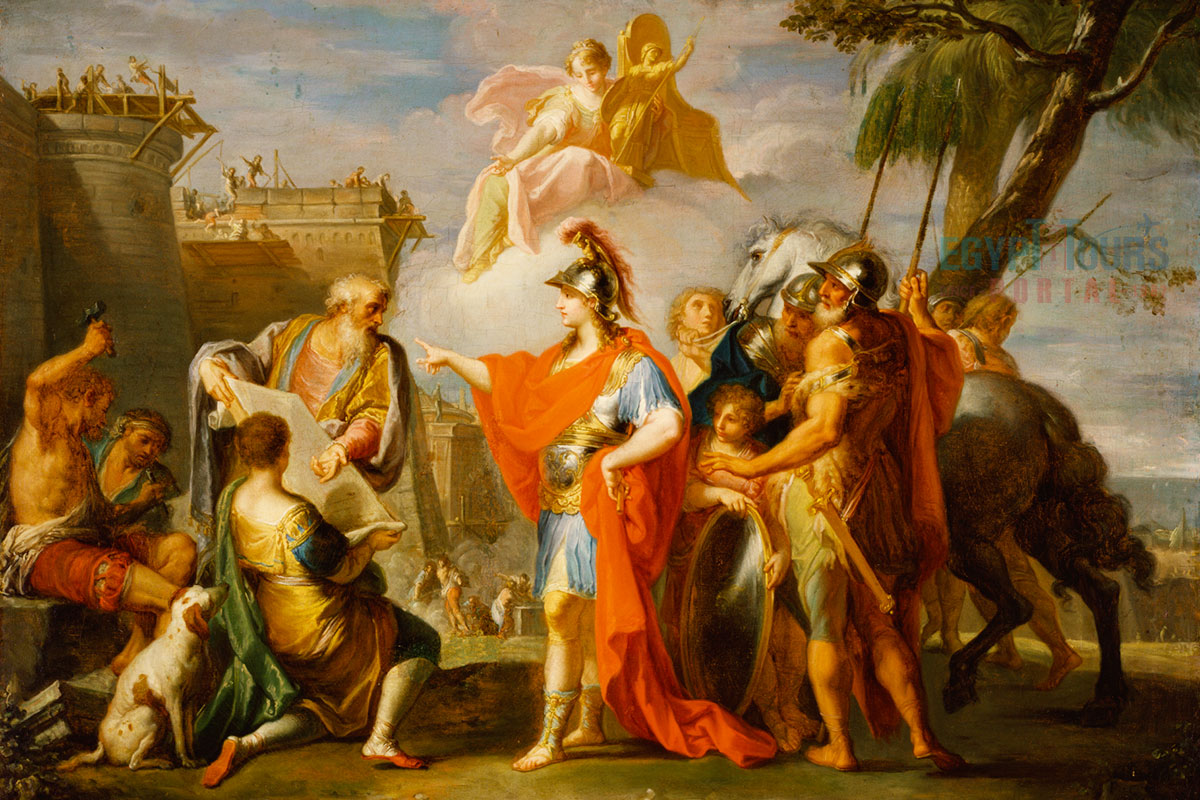
The Enduring Legacy: A Brand Beyond Time
The lasting impact of Alexander the Great is a testament to the effectiveness of his brand-building strategies, with religion playing a pivotal role. His name and image became synonymous with military genius, ambition, and a divinely ordained destiny. Even centuries after his death, figures like the Roman emperors sought to associate themselves with him, adopting his iconography and claims of divine connection.
The “religion” of Alexander the Great, therefore, was not a static set of beliefs but a dynamic, adaptable, and immensely powerful brand narrative. It was a sophisticated blend of personal ambition, strategic cultural engagement, and the masterful manipulation of religious sentiment. His ability to weave himself into the divine tapestry of the ancient world allowed him to forge an empire and create a legacy that continues to resonate, a true masterclass in ancient brand management. The question of what he personally believed is fascinating, but understanding how he used belief – and how it was used to shape his image – reveals the true genius of his historical impact. His religion was his ultimate brand differentiator, a divine endorsement that propelled him to unparalleled historical renown.
aViewFromTheCave is a participant in the Amazon Services LLC Associates Program, an affiliate advertising program designed to provide a means for sites to earn advertising fees by advertising and linking to Amazon.com. Amazon, the Amazon logo, AmazonSupply, and the AmazonSupply logo are trademarks of Amazon.com, Inc. or its affiliates. As an Amazon Associate we earn affiliate commissions from qualifying purchases.