
In the vast timeline of human history, the Neolithic period represents more than a mere shift in tool-making technology or the transition from nomadic lifestyles to settled villages. To the modern observer focused on finance, investing, and the mechanics of capital, the Neolithic Revolution is actually the most significant economic pivot in the history of our species. It was the moment humanity moved away from a “pay-check to pay-check” subsistence model—hunting and gathering—to a model of surplus, storage, and long-term asset management.
Understanding what the Neolithic period was requires looking past the stone axes and pottery. Instead, we must view it as the birth of the global economy. It was the era when the concepts of “capital,” “investment,” and “interest” first took physical form, setting the stage for every financial system that has followed, from the first grain banks of Mesopotamia to the digital ledgers of the modern day.
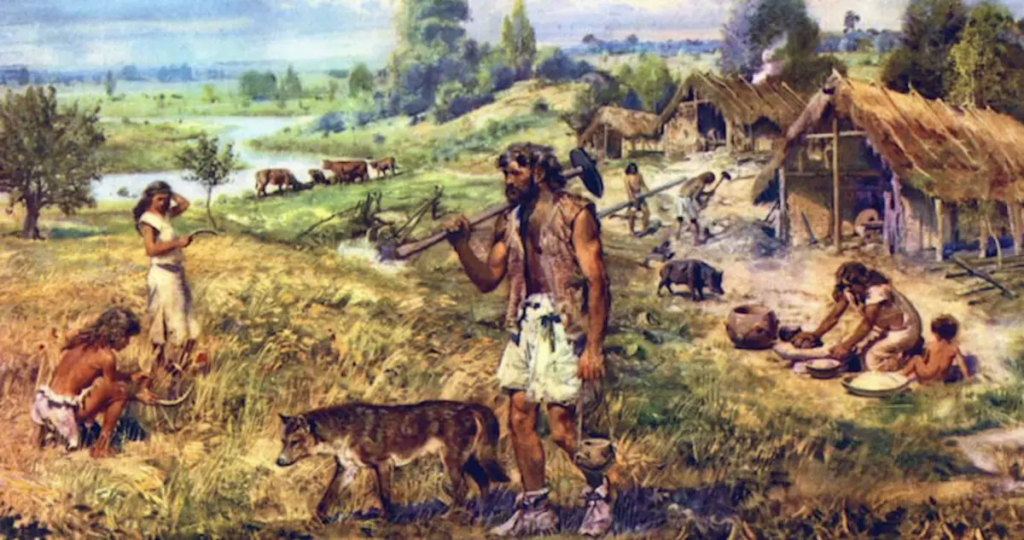
The Shift from Subsistence to Surplus: Humanity’s First Venture into Capital Accumulation
Before the Neolithic period, the human economic model was almost entirely based on immediate consumption. In a hunter-gatherer society, “income” (calories) was gathered and consumed in a tight loop. There was very little “savings” because the primary assets—wild game and gathered plants—were perishable and difficult to transport. The Neolithic Revolution changed the fundamental math of human existence by introducing the concept of a surplus.
Breaking the 1:1 Labor-to-Consumption Ratio
The advent of agriculture allowed humans to produce more value than they could consume in a single day. This was the first time in history that the labor-to-consumption ratio broke away from its 1:1 parity. In financial terms, this was the transition from a gig economy (finding food daily) to a business owner model (cultivating a crop).
By planting seeds, Neolithic farmers were essentially making a high-risk, high-reward investment. They deferred current consumption (the seeds) in exchange for a much larger future payout (the harvest). This deferment of gratification is the bedrock of all personal finance. Without the Neolithic ability to create a surplus, the concept of “investing” would be biologically impossible.
Domestication as the Original High-Yield Investment
The domestication of plants and animals represented the first major asset acquisition phase in human history. A herd of goats or sheep was not just a food source; it was a self-replicating asset class. Unlike a gathered root, a domesticated animal produces “interest” in the form of offspring, milk, and wool without the owner having to “spend” the principal (the parent animal).
This period saw the first realization that wealth could grow organically. A Neolithic farmer who managed his assets well could see his “portfolio” of livestock increase year over year. This biological compounding served as the precursor to compound interest in the modern financial world. It taught early humans the value of protecting their principal—the breeding stock—to ensure long-term wealth.
Infrastructure as an Asset Class: The Neolithic Built Environment
As Neolithic communities moved from a nomadic existence to a settled one, the concept of private and communal property began to take shape. This was the birth of the real estate and infrastructure sectors. For the first time, value was tied to a specific geographic location, leading to the development of the first fixed assets.
The Granary: History’s First Savings Account
The most critical piece of Neolithic financial infrastructure was not the home, but the granary. Once humans could produce a surplus of grain, they needed a secure place to store it. The granary functioned as the world’s first bank. It was a centralized location where wealth was deposited, protected from “inflation” (pests and rot), and managed for future use.
The ability to store grain meant that wealth was now “liquid” in a seasonal sense. A community could survive a “market downturn” (a drought or poor harvest) by drawing upon their accumulated savings in the granary. This stockpiling behavior is the direct ancestor of the modern emergency fund. It provided a safety net that allowed humans to take greater risks in other areas, such as exploring new technologies or expanding their territories.
Land Ownership and the Birth of Real Estate
In a nomadic world, land has utility but no inherent value as property. In the Neolithic period, however, land became the ultimate productive asset. The clearing of forests, the irrigation of fields, and the construction of permanent dwellings transformed raw land into “improved real estate.”
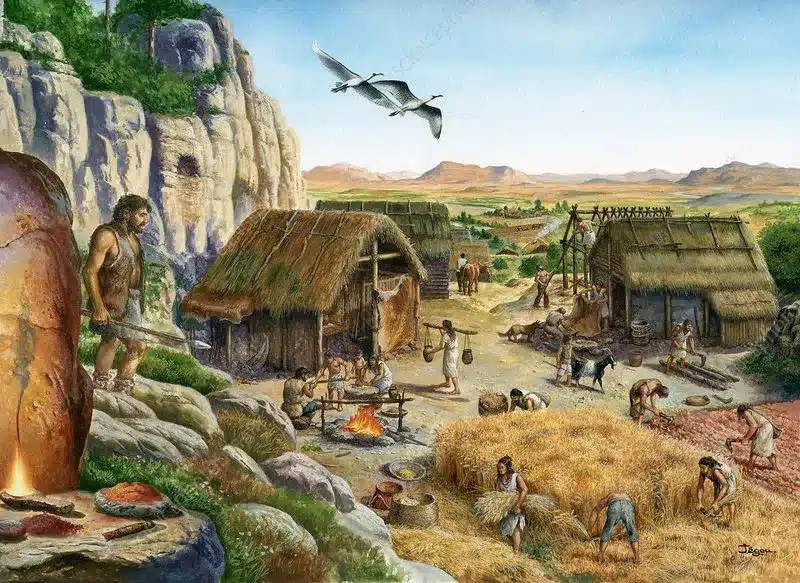
This shift created the first instances of wealth inequality based on asset ownership. Those who held the most fertile land near reliable water sources possessed the highest-value “portfolios.” This period marks the beginning of land as a vehicle for wealth preservation and transfer. For thousands of years following the Neolithic, real estate would remain the primary indicator of economic status, a trend that persists in many investment circles today.
Specialization and the Diversification of the Economic Landscape
Perhaps the most profound economic impact of the Neolithic period was the “diversification” of human labor. When a surplus of food exists, not everyone needs to be a food producer. This led to the first major expansion of the “service and manufacturing” sectors of the economy.
The Evolution of Trade and Liquidity
As different regions specialized in different goods—obsidian for tools, specific types of pottery, or certain breeds of livestock—the need for trade became paramount. However, trading a cow for a thousand arrowheads is logistically difficult. This friction in the market led to the earliest forms of commodity money.
While we often think of currency as coins or paper, Neolithic “money” was often functional. Cacao beans, salt, and specific shells began to circulate as a means of exchange. These items provided liquidity to an increasingly complex market, allowing individuals to store the value of their labor in a portable format. This transition from barter to early currency systems is the foundation upon which modern business finance is built.
The Specialization of Labor: The First “Side Hustles”
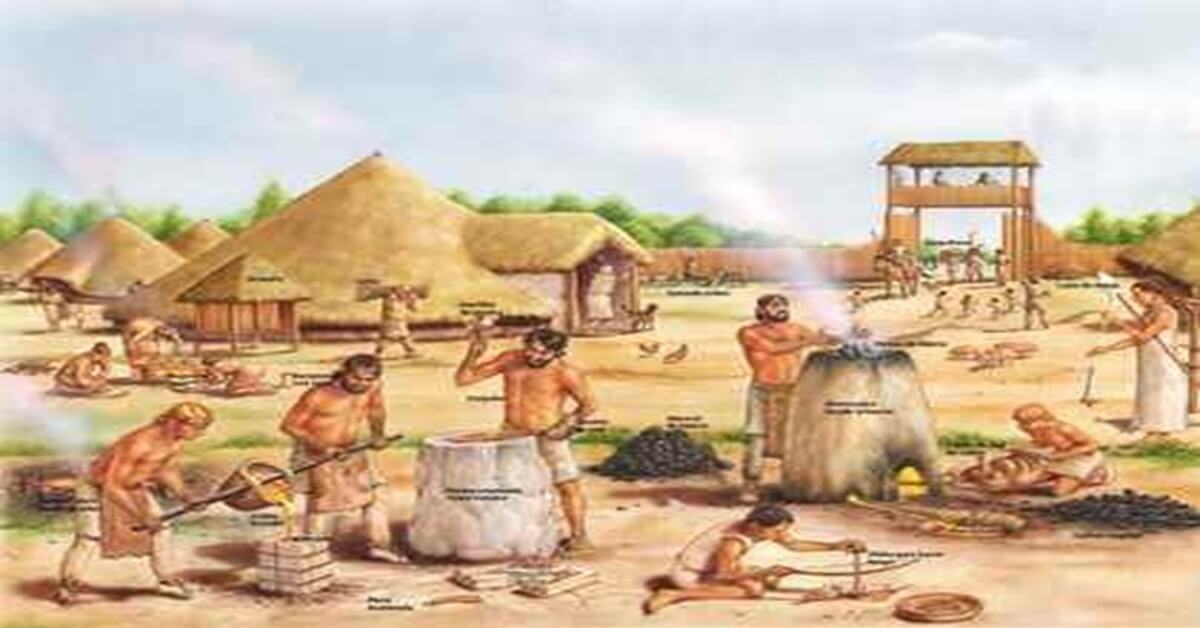
With the food supply secured by a portion of the population, others were free to become artisans, builders, or spiritual leaders. This specialization was the world’s first “labor market.” It allowed for the rapid advancement of technology because individuals could spend 10,000 hours mastering a specific craft—like metallurgy or weaving—rather than spending all their time on basic survival.
From a modern perspective, this mirrors the transition from a generalist workforce to a specialized, high-income skill economy. The Neolithic artisan was the first “freelancer,” trading specialized value for the surplus grain produced by the farming class. This created a symbiotic economic ecosystem where diverse “income streams” contributed to the overall wealth of the community.
Enduring Financial Principles from the Neolithic Dawn
The Neolithic period was not just a historical era; it was a masterclass in the principles of finance that we still use today. By studying how these early societies managed their resources, we can see the timeless nature of wealth creation and preservation.
Resilience through Stockpiling
The Neolithic farmer knew that a single bad season could result in total “bankruptcy” (starvation). Their solution was the same one recommended by financial advisors today: maintain a robust reserve. The concept of “saving for a rainy day” is a literal Neolithic survival strategy. In modern personal finance, we call this liquidity and risk management. The Neolithic transition proved that those who prioritize the accumulation of reserves are the ones who survive volatility.
The Power of Compound Growth
Whether it was the slow improvement of crop yields through selective planting or the natural increase of a herd, the Neolithic period was defined by growth. Early humans learned that by reinvesting a portion of their “earnings” (seeds or young animals) back into their “business” (the farm), they could achieve exponential growth over time.
This is the exact same principle behind reinvesting dividends in a stock portfolio. The Neolithic revolution taught us that the most effective way to build wealth is not through a single windfall, but through the consistent, disciplined reinvestment of surplus assets into productive engines of growth.
Conclusion
What was the Neolithic period? It was the birth of the investor mindset. It was the era when humanity stopped living off the land’s “daily interest” and started building “principal.” By inventing agriculture, storage, and specialization, our Neolithic ancestors created the first complex economic systems. They transformed the human experience from one of constant search to one of strategic accumulation. Every time we check a bank balance, invest in a piece of property, or diversify our income streams, we are practicing an economic tradition that began in the mud and silt of the Neolithic dawn. Understanding this period is the key to understanding the very DNA of money itself.
aViewFromTheCave is a participant in the Amazon Services LLC Associates Program, an affiliate advertising program designed to provide a means for sites to earn advertising fees by advertising and linking to Amazon.com. Amazon, the Amazon logo, AmazonSupply, and the AmazonSupply logo are trademarks of Amazon.com, Inc. or its affiliates. As an Amazon Associate we earn affiliate commissions from qualifying purchases.