
The NBA lockout is a term that sends a shiver down the spine of basketball fans, evoking memories of canceled games, uncertain futures, and frustrated athletes. While often framed as a simple dispute between owners and players, the reality of an NBA lockout is a complex financial and business negotiation that has significant repercussions for the league, its stakeholders, and the broader sports economy. At its core, an NBA lockout is a work stoppage initiated by the team owners, preventing players from practicing, playing games, or engaging in any team-related activities. This powerful leverage tool is employed when the league and the National Basketball Players Association (NBPA) fail to reach an agreement on the terms of a new Collective Bargaining Agreement (CBA). The CBA is the foundational contract that governs the relationship between the league and its players, outlining everything from salary caps and player salaries to revenue sharing, free agency rules, and draft procedures. When negotiations break down, owners have the right to “lock out” the players, effectively halting all league operations until a deal is struck.
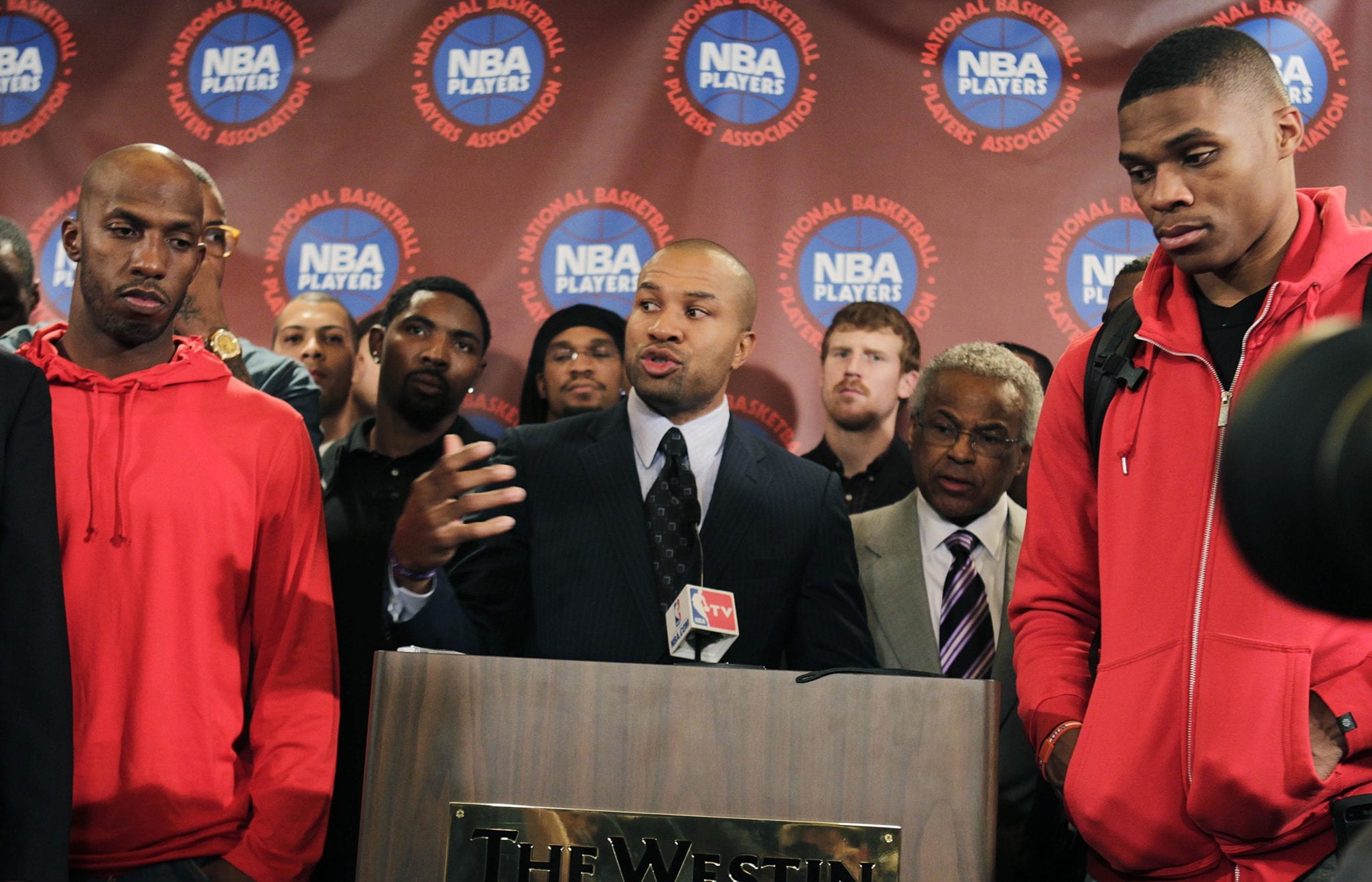
The economic implications of an NBA lockout are profound. For owners, it’s a way to force concessions from players, particularly when they feel the current CBA is financially disadvantageous to them. For players, it means lost income, potentially jeopardizing their careers and financial stability. Beyond the direct participants, lockouts ripple through the entire NBA ecosystem, impacting arena staff, concession vendors, merchandise producers, broadcasters, and countless other businesses that rely on the consistent flow of NBA games. Understanding the financial underpinnings of these disputes is crucial to grasping the true nature of an NBA lockout.
The Financial Stakes: Understanding the NBA’s Economic Engine
The NBA is a multi-billion dollar enterprise, and its financial health is meticulously managed through the Collective Bargaining Agreement. This document is not merely a set of rules; it’s a sophisticated financial blueprint that dictates how revenue is generated, distributed, and reinvested within the league. The primary driver of these negotiations, and often the source of conflict, is the division of basketball-related income (BRI).
Basketball-Related Income (BRI) Defined
Basketball-Related Income is a broad term that encompasses all revenue generated by the NBA and its teams from their basketball operations. This includes, but is not limited to:
- Ticket Sales: Revenue from season tickets, individual game tickets, and premium seating.
- Broadcast Rights: Agreements with national and local television networks, as well as streaming services, to broadcast games. This is often one of the largest components of BRI.
- Merchandise Sales: Revenue from official NBA merchandise, including jerseys, t-shirts, and other fan apparel sold through official channels.
- Sponsorships and Advertising: Revenue generated from corporate sponsorships of the league, individual teams, and specific events.
- Luxury Tax Payments: Payments made by high-spending teams exceeding the league’s luxury tax threshold. While a penalty for some, it is a source of revenue redistributed to lower-spending teams.
- Concessions and Arena Operations: While sometimes categorized separately, revenue generated from food, beverage, and other services within team arenas is often tied to the overall success of the basketball product.
The accurate calculation and transparent reporting of BRI are paramount. Discrepancies or disagreements over how BRI is calculated or what revenue streams are included can quickly escalate into major negotiation points.
The Salary Cap: A Central Pillar of Financial Negotiation
The NBA salary cap is perhaps the most significant financial mechanism governed by the CBA, and it’s frequently at the heart of lockout disputes. The salary cap is an annual limit on the amount of money that NBA teams can spend on player salaries. Its primary purpose is to promote competitive balance within the league. Without a salary cap, wealthier franchises with larger markets could theoretically outspend smaller market teams, leading to a predictable hierarchy of dominance and diminishing fan interest in less fortunate franchises.
- Soft vs. Hard Cap: The NBA operates on what is often described as a “soft” salary cap, meaning there are various exceptions and mechanisms (like the mid-level exception and the bi-annual exception) that allow teams to exceed the cap under specific circumstances. This is in contrast to a “hard” cap, which would strictly prohibit any team from spending above the designated limit, regardless of exceptions.
- Player Share of BRI: A critical aspect of salary cap negotiations is the players’ guaranteed share of BRI. Historically, players have sought a higher percentage of BRI, arguing that their talent and performance are the direct drivers of this revenue. Owners, conversely, often push for a lower player share, citing their significant investments in team infrastructure, marketing, and operational costs.
- Maximum and Minimum Salaries: The CBA also dictates maximum and minimum salaries for players based on their years of experience, ensuring a baseline of compensation and preventing exploitative contracts.
The interplay between BRI and the salary cap creates a dynamic financial environment where both owners and players have strong incentives to influence the terms of the CBA to maximize their financial outcomes and competitive advantages.
Historical NBA Lockouts: A Look at Past Disruptions
The NBA has a history of labor disputes, with lockouts occurring at various points in its existence. These periods of inactivity are not isolated incidents but rather recurring symptoms of the inherent tension between the business interests of the owners and the earning potential and collective bargaining power of the players. Examining past lockouts provides valuable insight into the recurring themes and economic pressures that drive these disputes.
The 1998-99 Lockout: A Contract Dispute and the Dawn of the Modern NBA

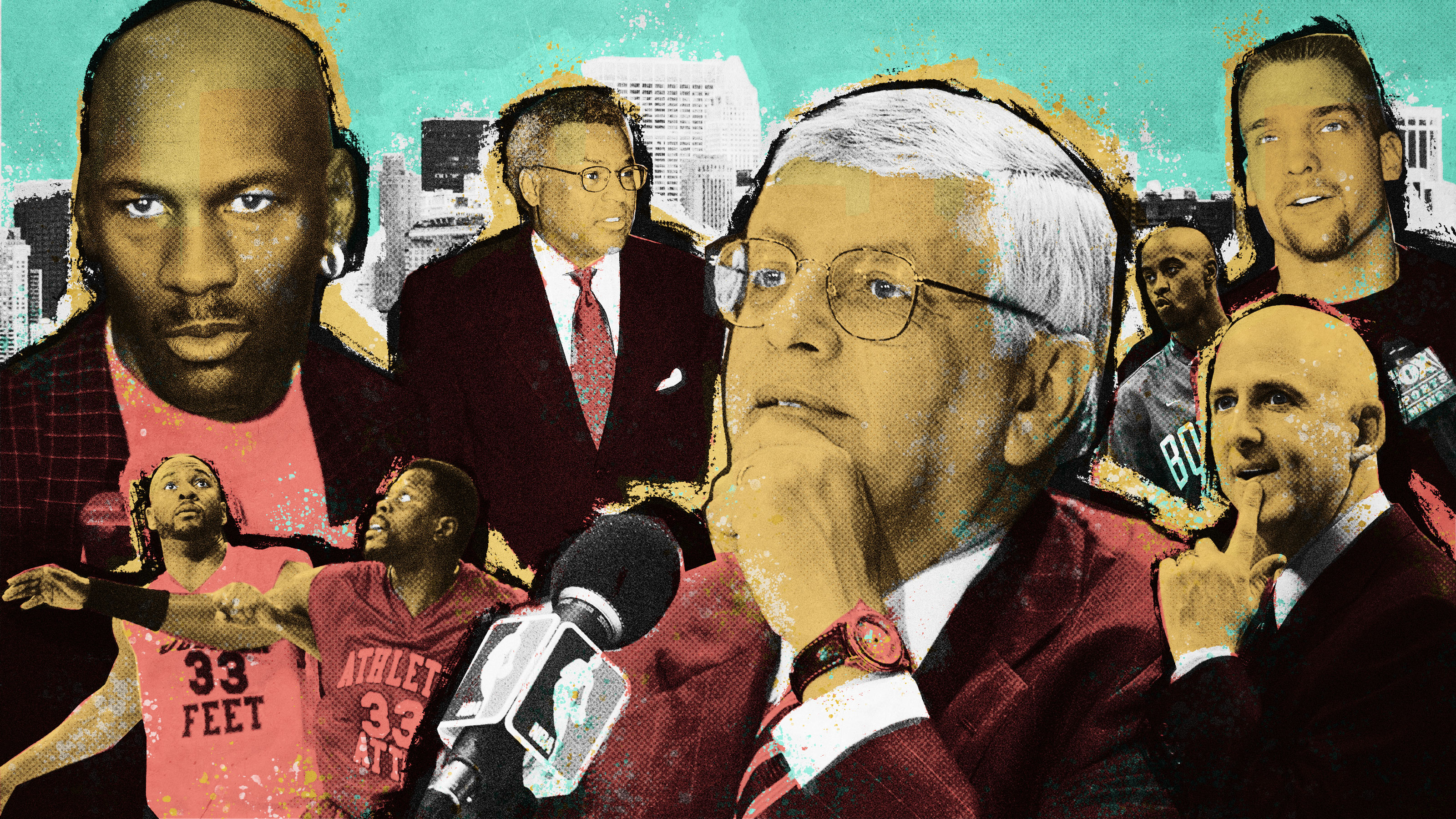
The 1998-99 lockout was a significant event that resulted in a shortened 50-game season. The primary issues revolved around the salary cap and the players’ ability to become free agents. Owners sought to implement a “second salary cap” or a luxury tax system that would penalize teams for exceeding a certain payroll threshold. Players, led by NBPA executive director Billy Hunter and union president Patrick Ewing, resisted this, fearing it would limit their earning potential and team flexibility. The lockout lasted for 204 days, ultimately ending with an agreement that saw the introduction of a luxury tax system, albeit a milder version than owners initially proposed. This lockout also marked the end of Michael Jordan’s legendary career, as he retired shortly after the agreement.
The 2011 Lockout: Revenue Sharing and the “CBA Wars”
The 2011 lockout was one of the most protracted and acrimonious in NBA history, leading to a lockout of 161 days and a 66-game season. The core of the dispute was a power struggle over the division of BRI and the owners’ desire to control player salaries more stringently. Owners, particularly those from smaller markets, argued that the existing CBA allowed for too much player spending and that revenue sharing was insufficient to keep them competitive. They pushed for a harder salary cap and a smaller share of BRI for players. The NBPA, under the leadership of Derek Fisher, fought to preserve player salaries and free agency options. Key sticking points included the “Larry Bird exception” (allowing teams to re-sign their own players even if it pushed them over the cap) and the length of player contracts. The eventual agreement saw a reduction in the players’ share of BRI, a slightly harder salary cap with fewer exceptions, and stricter rules regarding player contracts and free agency. This lockout significantly impacted player earnings and the financial landscape for teams.
The 2020-21 “Bubble” and the Shadow of Lockout
While not a full-blown lockout, the 2020-21 season was profoundly shaped by the COVID-19 pandemic and the league’s subsequent financial considerations. The “bubble” season, played in Orlando, Florida, was an unprecedented effort to salvage the season. However, the financial implications were severe, with reduced ticket revenues and a scramble to renegotiate broadcast deals. While no lockout occurred, the economic pressures and the need for flexibility led to a renegotiated CBA addendum and a compressed season. This period highlighted the league’s vulnerability to external economic shocks and the ongoing need for adaptability in its financial agreements.
The Economic Impact Beyond the Court
The consequences of an NBA lockout extend far beyond the immediate financial losses for players and owners. The disruption of a season has a cascading effect on a vast network of businesses and individuals who rely on the league’s consistent operation. These economic ripple effects are often overlooked but are a crucial part of understanding the true cost of a labor dispute.
Impact on Arena Operations and Ancillary Businesses
NBA arenas are bustling hubs of activity on game days. During a lockout, these venues fall silent, leading to significant losses for a wide range of businesses.
- Concession and Food Service: Companies responsible for providing food and beverages to fans lose their primary revenue stream. This impacts not only large catering corporations but also local suppliers of ingredients and beverages.
- Retail and Merchandise: Sports apparel stores, both within and outside arenas, experience a dramatic drop in sales of team merchandise, jerseys, and other NBA-related products.
- Hospitality and Tourism: Hotels, restaurants, and transportation services in cities with NBA teams often see a decline in business as visiting fans and media are absent.
- Arena Staff and Part-Time Employees: Ushers, security personnel, ticket takers, event setup crews, and other hourly workers often lose their jobs or face reduced hours during a lockout, disproportionately affecting those in lower-income brackets.
Broadcast Rights and Media Landscape
The NBA’s lucrative broadcast deals are a cornerstone of its financial model. Lockouts create uncertainty and potential breaches of contract, impacting television networks and streaming services.
- Advertising Revenue: Broadcasters rely heavily on advertising revenue generated during live games. A canceled season means a significant loss of this income.
- Content Creation: Media companies that produce pre-game shows, post-game analysis, documentaries, and other NBA-related content face a void in their programming.
- Negotiating Power: The threat of a lockout can also influence future media rights negotiations. If a lockout disrupts a season, it could give media partners leverage to seek more favorable terms in subsequent deals, fearing further instability.
The Fan Experience and Brand Loyalty
While not directly a financial entity in the same way as a business, fan engagement is the lifeblood of the NBA’s brand and, by extension, its financial success. Lockouts can erode this connection.
- Frustration and Disillusionment: Fans invest emotional and financial capital in their teams. A lockout, perceived as a greedy dispute between millionaires and billionaires, can breed cynicism and disinterest.
- Erosion of Brand Loyalty: Prolonged lockouts can lead fans to seek alternative entertainment or simply disengage from the sport altogether. Rebuilding that loyalty once the season resumes can be a challenging and expensive marketing endeavor.
- Impact on Future Engagement: Younger fans who are just developing their interest in the NBA may be turned off by the disruption, potentially impacting the league’s long-term growth.
The economic tapestry woven around the NBA is intricate and interconnected. A lockout unravels threads of this tapestry, affecting not just the direct participants but a far broader spectrum of the economy. The financial health of the league is intrinsically linked to its ability to maintain consistent operations and engage its passionate fanbase.
aViewFromTheCave is a participant in the Amazon Services LLC Associates Program, an affiliate advertising program designed to provide a means for sites to earn advertising fees by advertising and linking to Amazon.com. Amazon, the Amazon logo, AmazonSupply, and the AmazonSupply logo are trademarks of Amazon.com, Inc. or its affiliates. As an Amazon Associate we earn affiliate commissions from qualifying purchases.