
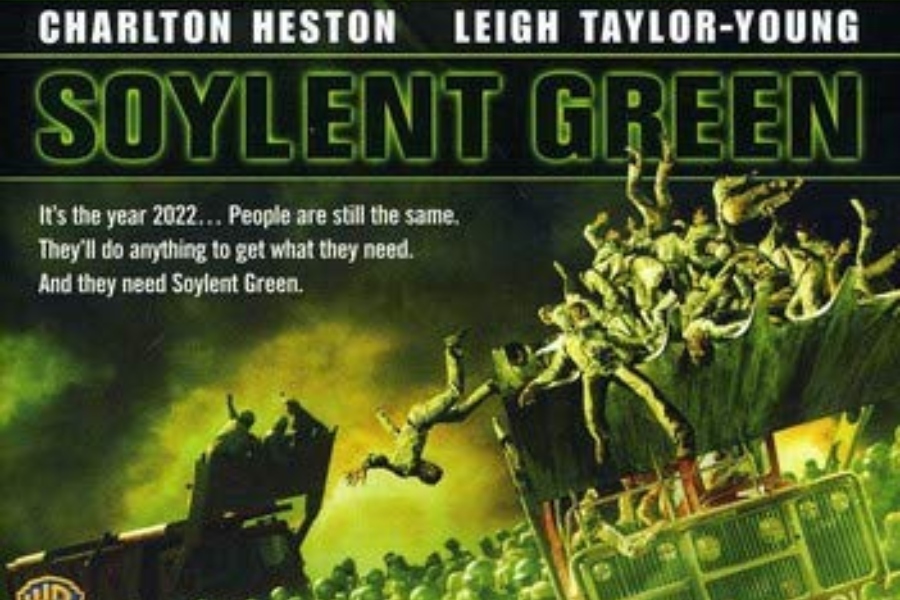
In the annals of science fiction, few films have left a more indelible mark on the collective consciousness than the 1973 classic Soylent Green. Set in a then-distant 2022, the film depicts a world ravaged by overpopulation, greenhouse effects, and total resource exhaustion. While the film’s central mystery—the horrific revelation of what the food supplement “Soylent Green” is actually made of—remains a legendary cinematic “spoiler,” its impact extends far beyond the silver screen.
For brand strategists and marketing professionals, Soylent Green represents more than just a cautionary tale about environmental collapse. It serves as a masterclass in the power of naming, the resilience of corporate identity, and the fascinating intersection where fiction meets reality. In an era where a real-world company successfully adopted the name “Soylent” for its meal-replacement products, we must analyze how brands can navigate, reclaim, and redefine even the most dystopian narratives to build modern corporate legacies.
The Cultural Weight of the Soylent Narrative
To understand the branding challenge associated with the term “Soylent,” one must first understand the weight of the cinematic source material. The film was an adaptation of Harry Harrison’s novel Make Room! Make Room!, but it was the movie’s specific focus on the “Soylent Corporation” that cemented the name in public memory.
The 1973 Premise: Branding Efficiency in a Dying World
In the film, the Soylent Corporation is the world’s sole provider of nutrition, producing wafers known as Soylent Red and Soylent Yellow. When they introduce “Soylent Green,” advertised as a high-protein supplement made from plankton, it represents the pinnacle of corporate innovation in a world of scarcity. The “brand” within the movie stands for salvation, yet it is built on a foundation of deception. This creates a unique psychological tension: the brand is both the hero and the ultimate villain of the story.
From Horror to Household Name
For decades, “Soylent Green” was a punchline—a shorthand for corporate malfeasance and the dehumanizing nature of industrialization. It became a cultural meme long before the digital age. However, this notoriety gave the name a 100% “unaided brand awareness” rating. In marketing, visibility is often the hardest hurdle to overcome. By the time a real-world entrepreneur decided to use the name, the “brand” already occupied a significant, albeit controversial, space in the consumer’s mind.
Reclaiming the Narrative: The Audacity of the Soylent Brand
In 2013, when software engineer Rob Rhinehart launched a meal-replacement drink, he chose the name “Soylent.” This was not an accident; it was a calculated piece of disruptive brand strategy. By leaning into a name associated with a cannibalistic dystopia, the company signaled a radical departure from traditional food marketing.
Disruptive Naming Conventions
Traditional brand strategy suggests that a name should evoke positive emotions: freshness, health, or joy. However, in the tech-heavy landscape of Silicon Valley, “disruption” is the primary currency. By choosing a name synonymous with a dystopian future, the real-life Soylent brand positioned itself as a “hacker” of the food industry. It wasn’t just a drink; it was a provocation. This strategy illustrates a key principle in modern branding: sometimes, being memorable and edgy is more valuable than being “safe.”
Risk Management in Branding
Adopting a controversial name requires a sophisticated risk management strategy. The real-world Soylent brand managed this by leaning into transparency. While the fictional corporation was built on secrets, the real-world company published its entire “source code” (the ingredient list) online. This reversal—using a “secretive” brand name to practice extreme transparency—transformed a liability into a brand strength. It showed that modern consumers value the irony and the “meta” nature of the brand, provided the product itself delivers on its promises.

Turning Scarcity into Solution: Corporate Identity and Sustainability
The core of Soylent Green (the film) is the crisis of scarcity. In the real world, brands are increasingly being judged on how they address global challenges like food security and environmental impact. The transition of “Soylent” from a fictional nightmare to a corporate identity focused on efficiency provides a fascinating look at the “Solutionist” brand archetype.
Building Trust through Transparency
In the movie, the Soylent Corporation’s brand collapsed because the gap between its public image (saving humanity) and its private reality (exploiting humanity) was too wide. Modern brands face a similar “authenticity gap.” To survive, a brand must ensure its corporate identity is aligned across all touchpoints. The modern Soylent brand focused on the concept of “engineered nutrition,” appealing to consumers who value logic and efficiency over the traditional, often romanticized, imagery of agriculture. This alignment of brand identity with a specific consumer demographic (the efficiency-seeker) allowed it to transcend its fictional origins.
The Ethics of Bio-Engineering and Brand Perception
Soylent Green warned of a world where technology went too far. In the current market, brands involved in AI, bio-engineering, or lab-grown foods face similar skepticism. The lesson for these brands is to own the narrative early. By acknowledging the “dystopian” fears of consumers—just as the Soylent brand acknowledged its namesake—companies can de-arm their critics. A brand that can laugh at its own darker associations often comes across as more human and trustworthy than one that tries to hide them.
Lessons for Modern Marketers and Personal Brands
The evolution of the “Soylent” name offers several high-level takeaways for anyone involved in brand strategy, personal branding, or corporate marketing. It proves that the context of a name can be rewritten through consistent action and strategic positioning.
Owning the Conversation
One of the most powerful moves a brand can make is “reclaiming” a narrative. If there is a negative perception or a difficult history associated with a product category or a name, leaning into it can be more effective than running away. This is often seen in personal branding, where public figures “own” their flaws or past mistakes to build a brand based on growth and redemption. In the case of Soylent, they didn’t just ignore the movie; they acknowledged it, thereby taking the “power” away from the joke and turning it into a conversation starter.
Long-term Brand Resilience
A brand’s longevity is determined by its ability to evolve. The fictional Soylent Corporation was static and deceptive, leading to its eventual downfall. Real-world brand strategy requires agility. The modern Soylent brand has moved through various phases: from a niche product for coders to a mainstream convenience beverage found in Walmart. Each step required a recalibration of the brand voice while maintaining the core identity of “efficiency.”
The Psychology of Provocation
In a crowded marketplace, the greatest risk is being ignored. Provocative branding—using names, imagery, or campaigns that challenge the status quo—can cut through the noise. However, this must be backed by a high-quality product. The Soylent brand would have failed if the drink itself was poor; the “edgy” name would have only served to highlight the product’s failures. When your brand uses provocation, the “delivery” phase of the customer journey must be flawless to justify the initial shock.

Conclusion: From Dystopia to Brand Dominance
The story of Soylent Green is a reminder that the meanings we attach to words and brands are not fixed. In 1973, “Soylent Green” was a symbol of the end of the world. Today, “Soylent” is a symbol of venture-backed innovation and functional nutrition. This transition highlights the incredible power of brand strategy to reshape reality.
For business leaders and marketers, the takeaway is clear: do not fear the narrative. Whether you are dealing with a challenging market perception or trying to launch a disruptive new identity, the “Soylent” example proves that with enough transparency, strategic irony, and a focus on solving modern problems, you can turn even a dystopian nightmare into a branding success story. By understanding the cultural roots of the stories we tell, we can better navigate the complex landscape of modern corporate identity and build brands that are not only memorable but truly resilient.
aViewFromTheCave is a participant in the Amazon Services LLC Associates Program, an affiliate advertising program designed to provide a means for sites to earn advertising fees by advertising and linking to Amazon.com. Amazon, the Amazon logo, AmazonSupply, and the AmazonSupply logo are trademarks of Amazon.com, Inc. or its affiliates. As an Amazon Associate we earn affiliate commissions from qualifying purchases.