
In the landscape of American economic history, few years are as pivotal as 1981. It was a year of transition, marked by the inauguration of Ronald Reagan, the launch of the first Space Shuttle, and a significant shift in fiscal policy that would redefine the “Money” category for decades to come. For those looking back at the financial realities of the early 1980s, one of the most frequent questions involves the baseline of the American labor market: What was the minimum wage in 1981?
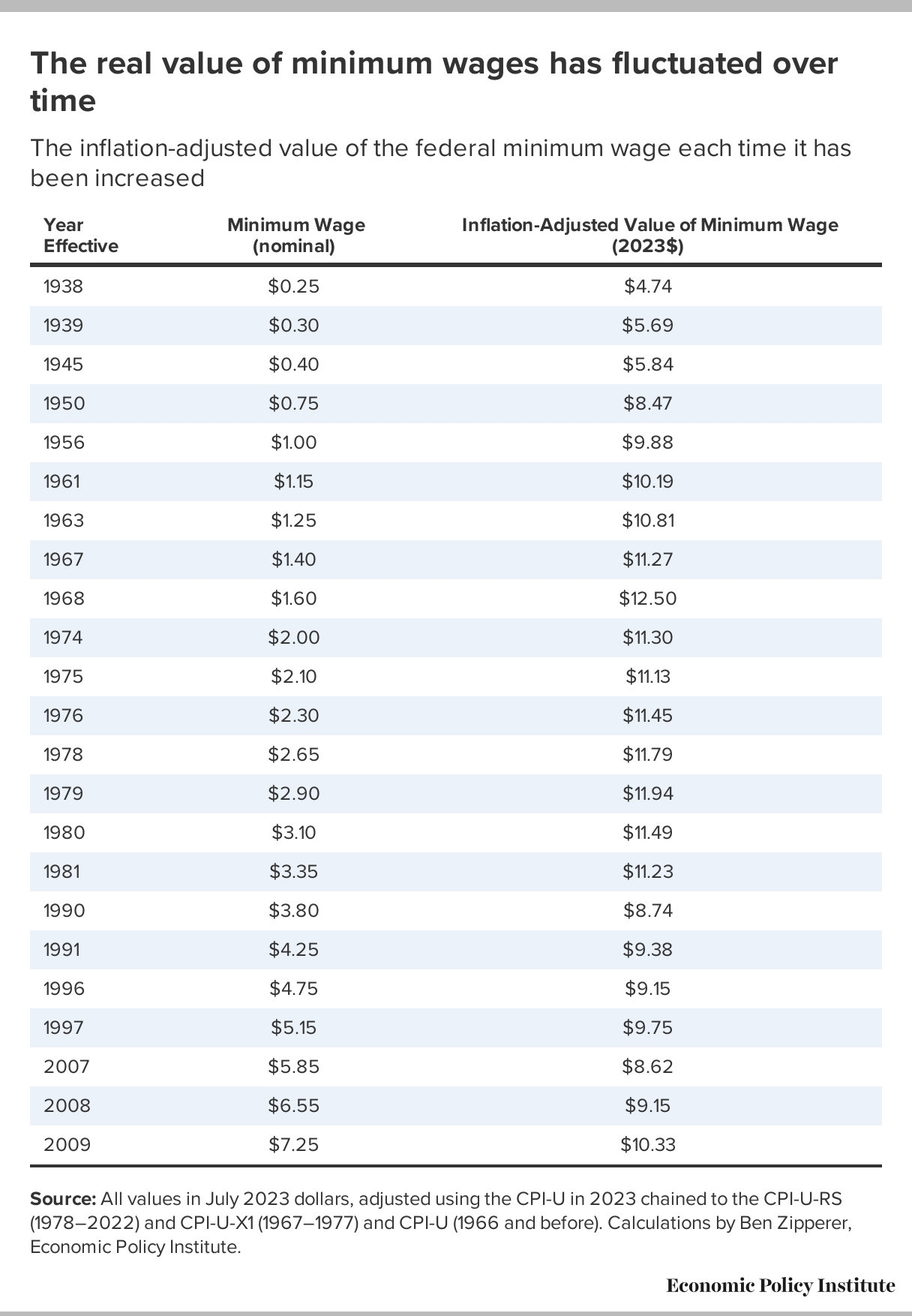
On January 1, 1981, the federal minimum wage in the United States rose to $3.35 per hour. While this figure may seem nominal by modern standards, it represented the culmination of a multi-year legislative effort to keep pace with the rampant inflation of the late 1970s. Understanding this figure requires more than just looking at the number; it requires an analysis of purchasing power, the legislative environment of the time, and the long-term implications for personal finance and business economics.
The Historical Context of the 1981 Minimum Wage
The $3.35 rate established in 1981 was not an overnight decision. To understand the financial landscape of that year, one must look back to the legislative actions of the mid-1970s.
The 1977 Amendments to the Fair Labor Standards Act
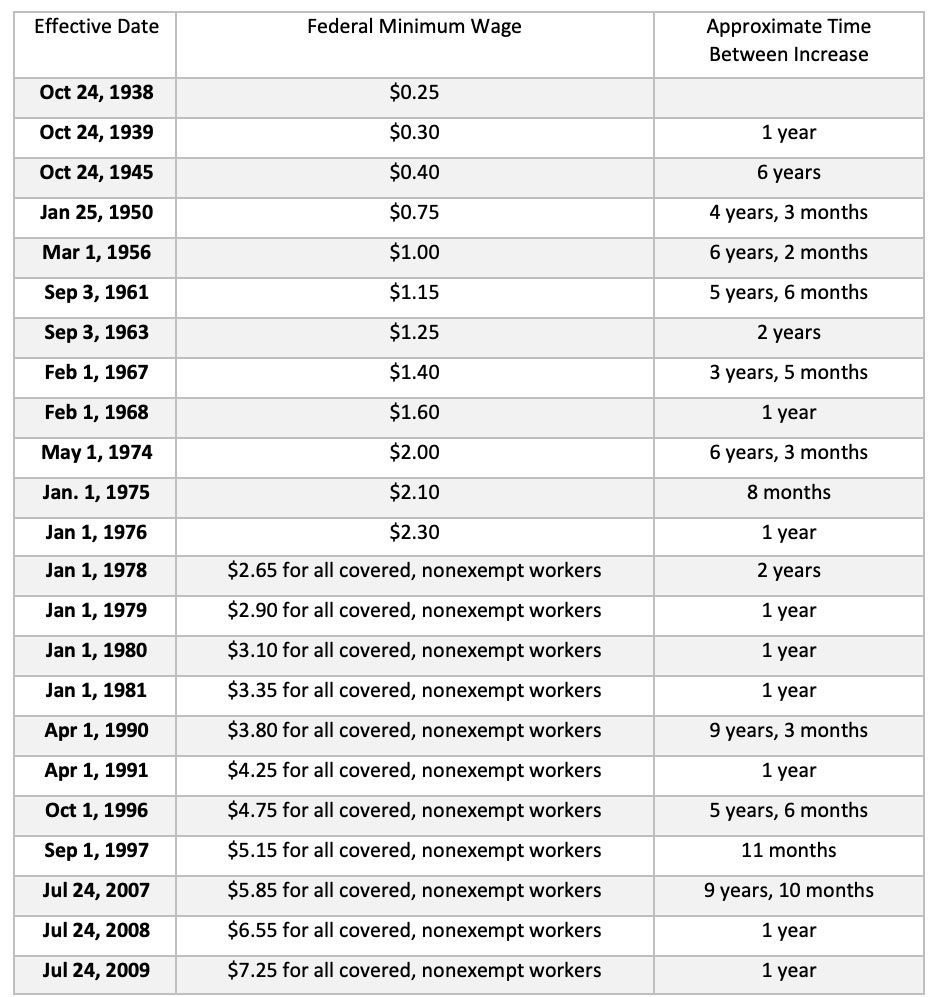
The Fair Labor Standards Act (FLSA), originally passed in 1938, is the bedrock of wage and hour laws in the U.S. In 1977, under President Jimmy Carter, Congress passed a series of amendments designed to provide a predictable, incremental increase in the wage floor. The goal was to protect workers against the “Great Inflation” that was eroding the value of the dollar. These amendments scheduled annual increases starting in 1978 ($2.65), moving through 1979 ($2.90) and 1980 ($3.10), and finally peaking at the 1981 rate.
From $3.10 to $3.35: The Final Increment
The jump from $3.10 to $3.35 represented an 8% increase. At the time, this was seen as a necessary adjustment to help low-income earners maintain a basic standard of living. However, 1981 also marked a turning point in how the federal government approached wage floors. After this increase took effect, the federal minimum wage would remain frozen at $3.35 for nearly a decade, not moving again until 1990. This stagnation created a significant shift in the “Money” niche, as the “real value” of wages began to diverge sharply from the “nominal value.”
Purchasing Power and Inflation: What $3.35 Could Buy
In personal finance, the most critical metric is not how much money you earn, but what that money can buy. To understand the 1981 minimum wage, we must look at the Consumer Price Index (CPI) and the “real” value of $3.35 compared to today’s economy.
The Impact of “Great Inflation” on the American Worker
In 1981, the United States was grappling with double-digit inflation. The annual inflation rate in 1980 had been a staggering 13.5%, and in 1981, it remained high at 10.3%. For a worker earning $3.35 an hour, the cost of living was rising almost as fast as their wages. When we adjust $3.35 for inflation using 2024 dollars, the figure equates to approximately $11.50 to $12.00 per hour.
Interestingly, this means that the federal minimum wage in 1981 actually had more purchasing power than the current federal minimum wage of $7.25, which has been stagnant since 2009. This “wage gap” highlights a core concern in modern business finance: the erosion of the floor for low-income consumers.
1981 vs. Today: Real Value Comparison
To put the $3.35 wage into perspective, consider the average cost of consumer goods in 1981:
- A gallon of gas: Approximately $1.31. A minimum wage worker could buy roughly 2.5 gallons of gas with one hour of work.
- Average Rent: Roughly $300 per month. A full-time minimum wage worker (earning ~$536 gross per month) could cover rent with about 56% of their pre-tax income.
- A loaf of bread: Approximately $0.50.
- A new car: Approximately $8,900.
While these prices seem low, the high interest rates of 1981 (often exceeding 15% for mortgages) made borrowing and personal debt management incredibly difficult, a stark contrast to the low-rate environments seen in the early 21st century.
The Economic Climate of the Early 1980s
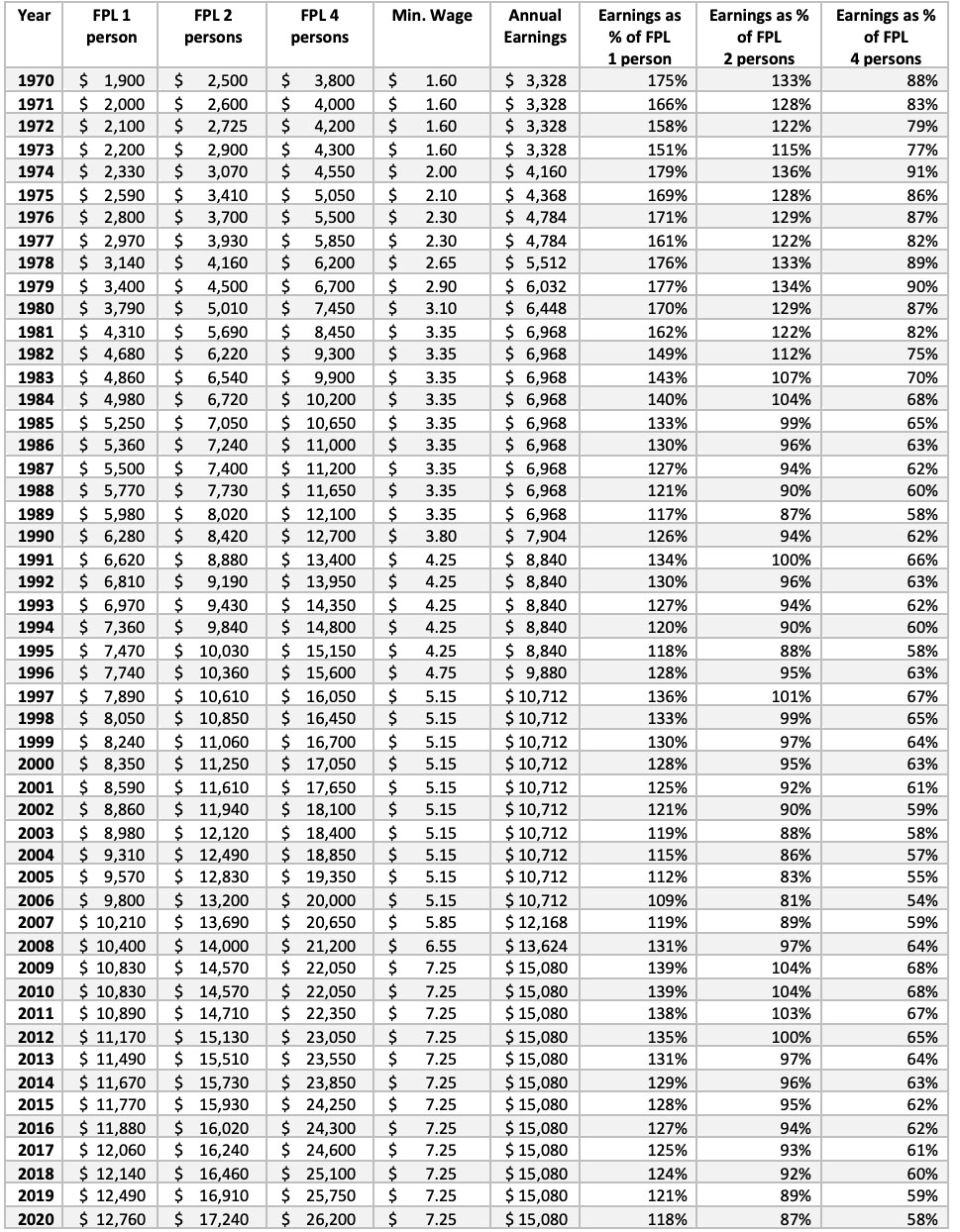
The 1981 wage floor existed within a volatile economic environment. The transition from the Carter administration to the Reagan administration brought a fundamental change in economic philosophy, often referred to as “Reaganomics” or supply-side economics.
Reaganomics and the Stagnation of Wage Increases
Upon taking office in 1981, President Reagan focused on tax cuts, deregulation, and a reduction in government spending. From a business finance perspective, the administration argued that a higher minimum wage would increase unemployment by making it more expensive for businesses to hire entry-level workers. Consequently, the $3.35 rate was not adjusted for the remainder of Reagan’s two terms.
For the “Money” sector, this led to a decade where corporate profits and productivity began to decouple from wage growth. While the stock market began a historic bull run in the mid-80s, the lowest-paid workers saw their effective income decline year-over-year as inflation continued to eat away at their $3.35 hourly rate.
The Shift in Labor Market Dynamics
1981 was also the year of the PATCO (Professional Air Traffic Controllers Organization) strike. When Reagan fired the striking controllers, it signaled a shift in the power dynamic between labor and capital. For those tracking “Online Income” and “Side Hustles” today, this was the era where the concept of “job security” began to transform, and the necessity of diversifying one’s income streams—though not yet digital—began to take root in the American psyche.
Financial Lessons for Modern Business and Personal Finance
Looking back at 1981 provides several insights for today’s investors, business owners, and employees. The interplay between inflation, interest rates, and the wage floor offers a roadmap for navigating modern financial volatility.
Budgeting Lessons from a High-Inflation Era
The workers of 1981 had to be masters of budgeting. With high inflation, the “Money” mindset of the time was focused on immediate purchasing power and high-yield savings. In 1981, Certificates of Deposit (CDs) and savings accounts offered interest rates that would seem unbelievable today—often 12% to 15%.
For a personal finance enthusiast, the lesson is clear: when inflation is high, cash is a melting ice cube, and assets that yield high interest or have intrinsic value (like real estate or commodities) are the primary tools for wealth preservation. The $3.35 hourly worker was at a disadvantage because they rarely had the surplus capital to invest in these high-yield instruments.
The Role of Minimum Wage in Business Sustainability
From a business finance perspective, the 1981 minimum wage level served as a benchmark for labor costs. Today’s businesses can learn from the “freeze” of the 1980s. Companies that rely solely on the federal minimum wage often face high turnover and low productivity.
Modern business strategy suggests that paying a “living wage”—which is significantly higher than the $7.25 federal floor and more in line with the $11.50+ inflation-adjusted rate of 1981—can actually improve the bottom line by reducing recruitment costs and increasing employee loyalty.
Conclusion: The Legacy of the 1981 Wage Floor
The year 1981 stands as a landmark in the history of American money. The $3.35 minimum wage was both a high-water mark for legislative wage-setting and the beginning of a long period of wage stagnation.
For the modern reader, the 1981 minimum wage is a reminder of the importance of “real value” versus “nominal value.” While $3.35 sounds like pocket change in an era of $5 lattes, its purchasing power tells a story of an economy that was, in many ways, more accessible to the entry-level worker than the federal floor is today.
As we navigate our own era of inflation and shifting labor markets, the financial lessons of 1981 remain relevant. Whether you are managing a small business, optimizing your personal budget, or looking for the next big investment, understanding the historical relationship between wages and the cost of living is essential. The $3.35 rate of 1981 isn’t just a trivia point; it’s a vital piece of the puzzle in the ongoing evolution of American personal and corporate finance.
aViewFromTheCave is a participant in the Amazon Services LLC Associates Program, an affiliate advertising program designed to provide a means for sites to earn advertising fees by advertising and linking to Amazon.com. Amazon, the Amazon logo, AmazonSupply, and the AmazonSupply logo are trademarks of Amazon.com, Inc. or its affiliates. As an Amazon Associate we earn affiliate commissions from qualifying purchases.