
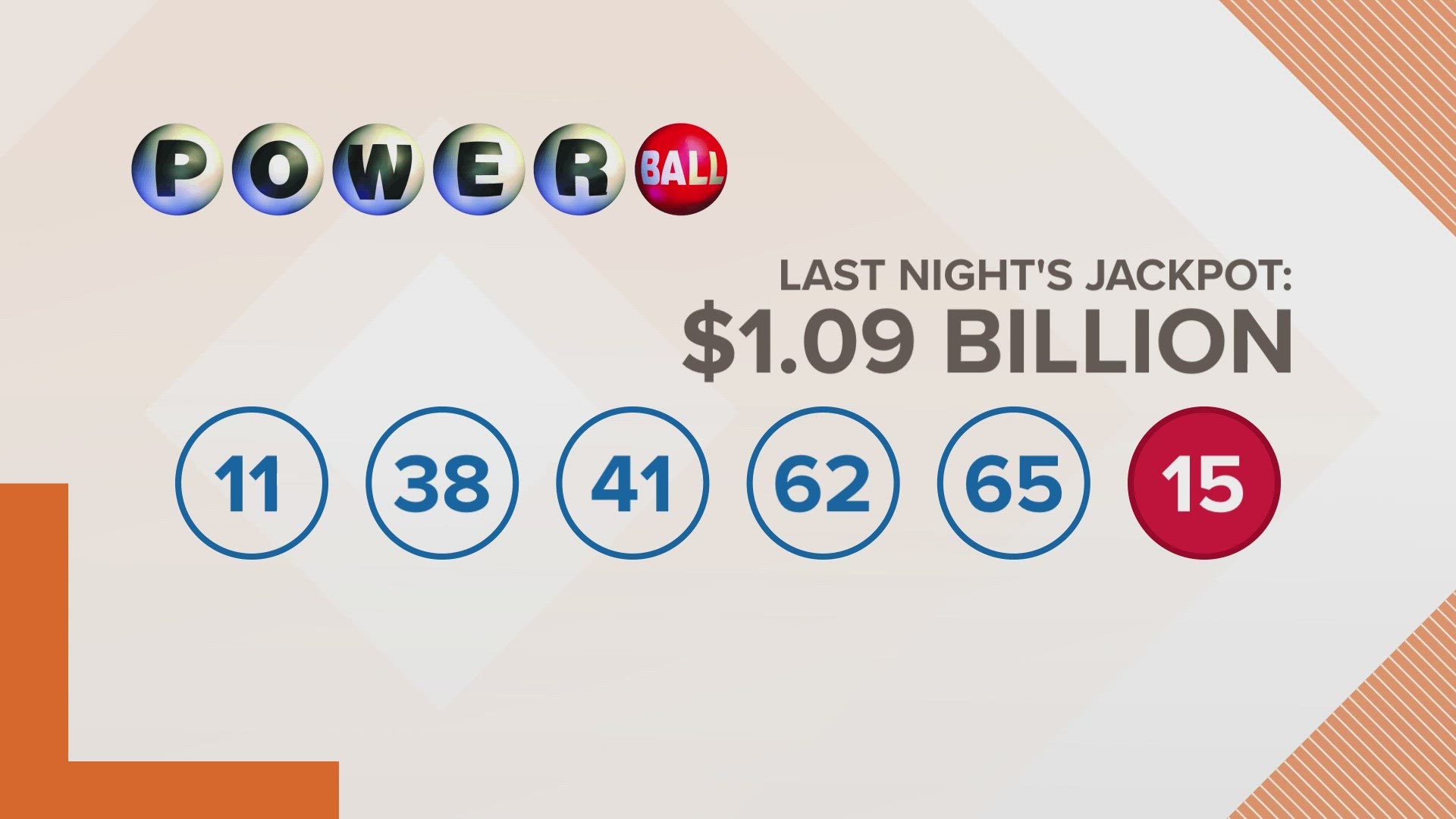
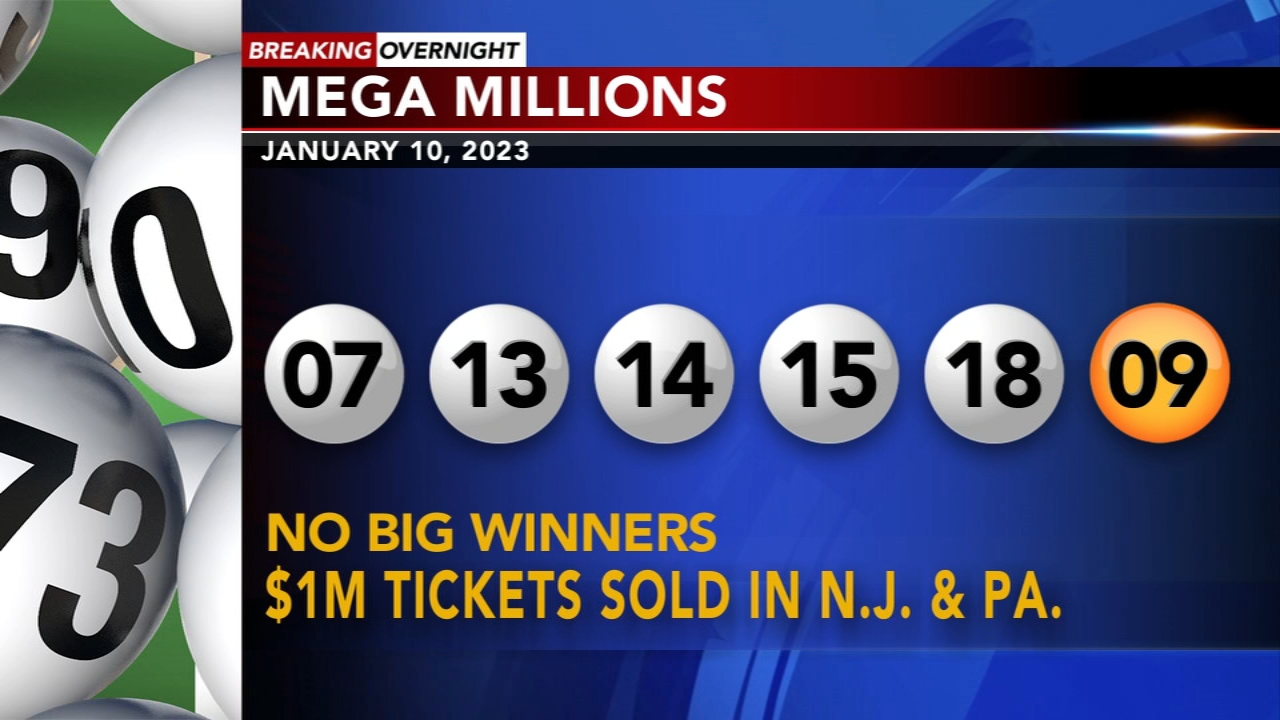
Every morning, millions of people wake up and perform a specific ritual: they grab their smartphones and search for the results of the latest drawing. The question “what was the lottery winning numbers last night?” is more than just a query for a set of digits; it represents a fundamental human desire for a “financial escape velocity.” For many, the lottery is a beacon of hope in a challenging economic landscape, offering a theoretical shortcut to generational wealth. However, from a professional financial perspective, the lottery is less about luck and more about the complex interplay of probability, taxation, and wealth management.
To truly understand the value of those numbers, one must look beyond the immediate excitement of a potential win and examine the underlying financial structures that govern sudden wealth. Whether you are holding a ticket or simply curious about the mechanics of wealth distribution, understanding the financial reality of the lottery is essential for anyone interested in personal finance and long-term economic stability.
The Mathematical Reality of the Lottery
The first step in analyzing the lottery within a financial context is to understand the mathematics of probability. Most major lotteries, such as Powerball or Mega Millions, operate on odds that are statistically staggering. For instance, the odds of winning the Powerball jackpot are approximately 1 in 292.2 million. To put this in perspective, a financial professional would describe this as a “low-probability, high-impact” event, but the emphasis is almost entirely on the “low probability” side.
Expected Value and the “Hidden Tax”
In finance, “Expected Value” (EV) is a calculation that determines the anticipated value of an investment based on its various possible outcomes. For most lottery drawings, the expected value of a $2 ticket is significantly less than $2. When you account for the fact that the jackpot is often split among multiple winners and that the government takes a substantial portion in taxes, the “real” value of a ticket is often cents on the dollar. Economists often refer to the lottery as a “regressive tax” or a “tax on math,” because it disproportionately affects lower-income individuals who spend a larger percentage of their earnings on tickets in hopes of financial relief.
The Opportunity Cost of Playing
From a personal finance standpoint, the most significant factor is opportunity cost. If an individual spends $10 a week on lottery tickets from age 20 to age 60, they will have spent $20,800. While that may not seem like a fortune, if that same $10 a week were invested in a low-cost S&P 500 index fund with an average annual return of 7%, it would grow to approximately $110,000. The “winning numbers” for most people are not found in a drawing, but in the consistent application of compound interest over time.
Financial Management for Sudden Wealth
On the rare occasion that the numbers checked “last night” actually match the ticket in hand, the winner is immediately thrust into a world of complex financial decision-making. Sudden Wealth Syndrome is a documented psychological and financial phenomenon where individuals who acquire large sums of money quickly end up losing it all due to poor planning and emotional spending.
Immediate Steps After a Major Win
The moments following the discovery of a winning ticket are the most critical. Financial advisors suggest a “cooling-off period.” The first step is not to quit your job or buy a supercar, but to secure the ticket and maintain anonymity if state laws allow. In many jurisdictions, winners can claim prizes through a blind trust or an LLC to keep their names out of the public record, which is a vital step in protecting personal security and financial integrity.
Building a Professional Advisory Team
A lottery winner should never manage their windfall alone. A professional “Wealth Council” is required, consisting of three primary pillars:
- Tax Attorney: To navigate the immediate federal and state tax liabilities, which can exceed 40% of the total prize.
- Certified Financial Planner (CFP): To create a long-term investment strategy that ensures the money lasts for decades, not just years.
- Certified Public Accountant (CPA): To manage ongoing filings and complex audits that inevitably follow high-net-worth individuals.
Long-Term Wealth Preservation Strategies
Once the initial shock wears off, the winner must decide how to receive their funds. This is one of the most important financial decisions a person will ever make, as it dictates their tax exposure and investment potential for the rest of their lives.
Lump Sum vs. Annuity: A Financial Analysis
Lottery winners are typically offered two choices: a one-time lump sum payment or an annuity paid out over 30 years.
- The Lump Sum: This provides immediate access to the “cash value” of the jackpot. The advantage is the “time value of money”—having the cash now allows the winner to invest it immediately, potentially outperforming the annuity’s scheduled increases.
- The Annuity: This provides a guaranteed stream of income for three decades. The primary advantage here is behavioral. It prevents the winner from spending the entire fortune in a short period. For someone without a background in finance or disciplined spending habits, the annuity acts as a crucial safety net.
Asset Allocation and Diversification
Preserving wealth is fundamentally different from creating it. A lottery winner’s goal shifts from “growth” to “capital preservation.” This involves diversifying assets across various classes to mitigate risk. A typical portfolio for a high-net-worth individual might include:
- Equities: Diversified stock holdings for long-term inflation protection.
- Fixed Income: Municipal bonds that provide tax-advantaged income.
- Real Estate: Tangible assets that provide both utility and appreciation.
- Cash Equivalents: Maintaining liquidity for emergencies and taxes.
The Psychology of Money and the “Lottery Mindset”
The reason people search for winning numbers with such fervor is deeply rooted in the psychology of money. Financial success is often viewed as a destination rather than a process. This “lottery mindset” can be detrimental to building sustainable wealth because it relies on external luck rather than internal discipline.
Hedonic Adaptation and Wealth
Psychologists use the term “hedonic adaptation” to describe the human tendency to return to a baseline level of happiness despite major positive or negative changes in life. Lottery winners often find that after the initial “high” of the win, their day-to-day happiness returns to exactly where it was before. Without a purpose-driven financial plan, the money becomes a source of stress rather than freedom.
Sustainable Wealth vs. Transient Gains
Professional finance emphasizes the “S-Curve” of growth—slow starts, rapid acceleration, and eventual plateauing. The lottery attempts to skip the slow start and the acceleration, landing the individual directly at the plateau. This lack of “financial maturity” is why an estimated 70% of lottery winners go bankrupt within a few years. They have the capital, but they lack the habits, such as budgeting, delayed gratification, and risk assessment, that are developed during the traditional wealth-building process.
Smarter Alternatives to the Lottery for Financial Growth
While the dream of waking up to the perfect set of numbers is enticing, the path to true financial independence is much more predictable and within reach of the average person. Instead of looking for last night’s numbers, one should look at their own balance sheet.
High-Yield Side Hustles and Digital Income
In the modern economy, the barriers to entry for starting a business are lower than ever. Rather than spending money on tickets with 1-in-300-million odds, investing that same capital into a side hustle—such as freelance consulting, digital products, or e-commerce—offers a significantly higher “Return on Investment” (ROI). These ventures allow for “asymmetric upside,” where the risk is small (a few hundred dollars and some time), but the potential reward is a scalable, recurring income stream.
Systematic Investing: The “Slow-Motion” Lottery
The closest thing to a guaranteed “winning ticket” in the financial world is the consistent, automated investment into diversified assets. By automating contributions to a retirement account or a brokerage account, an individual removes the emotional volatility of the market. Over 20 or 30 years, this systematic approach creates a level of wealth that is robust, sustainable, and—most importantly—earned.
In conclusion, while the search for “what was the lottery winning numbers last night” is a common habit, it serves as a reminder of the divide between speculative gambling and strategic wealth management. Real financial freedom is rarely found in the luck of a drawing; it is built through the understanding of mathematics, the discipline of saving, and the wisdom of long-term planning. By focusing on the numbers that actually matter—your savings rate, your investment returns, and your net worth—you can create a future that doesn’t depend on the bounce of a plastic ball.
aViewFromTheCave is a participant in the Amazon Services LLC Associates Program, an affiliate advertising program designed to provide a means for sites to earn advertising fees by advertising and linking to Amazon.com. Amazon, the Amazon logo, AmazonSupply, and the AmazonSupply logo are trademarks of Amazon.com, Inc. or its affiliates. As an Amazon Associate we earn affiliate commissions from qualifying purchases.