
The world of anime, much like any creative endeavor, is a marathon, not a sprint. For a series as long-running and expansive as One Piece, the sheer volume of content produced over its decades-long run inevitably leads to variations in animation quality, pacing, and narrative intensity. While fans passionately debate which arcs are the best or worst, a more niche, yet equally intriguing, question emerges: what constitutes the “laziest” episode? This isn’t about a poorly animated fight or a plot hole; it’s about episodes that seem to coast, relying on recycled footage, minimal new content, and a general lack of forward momentum.
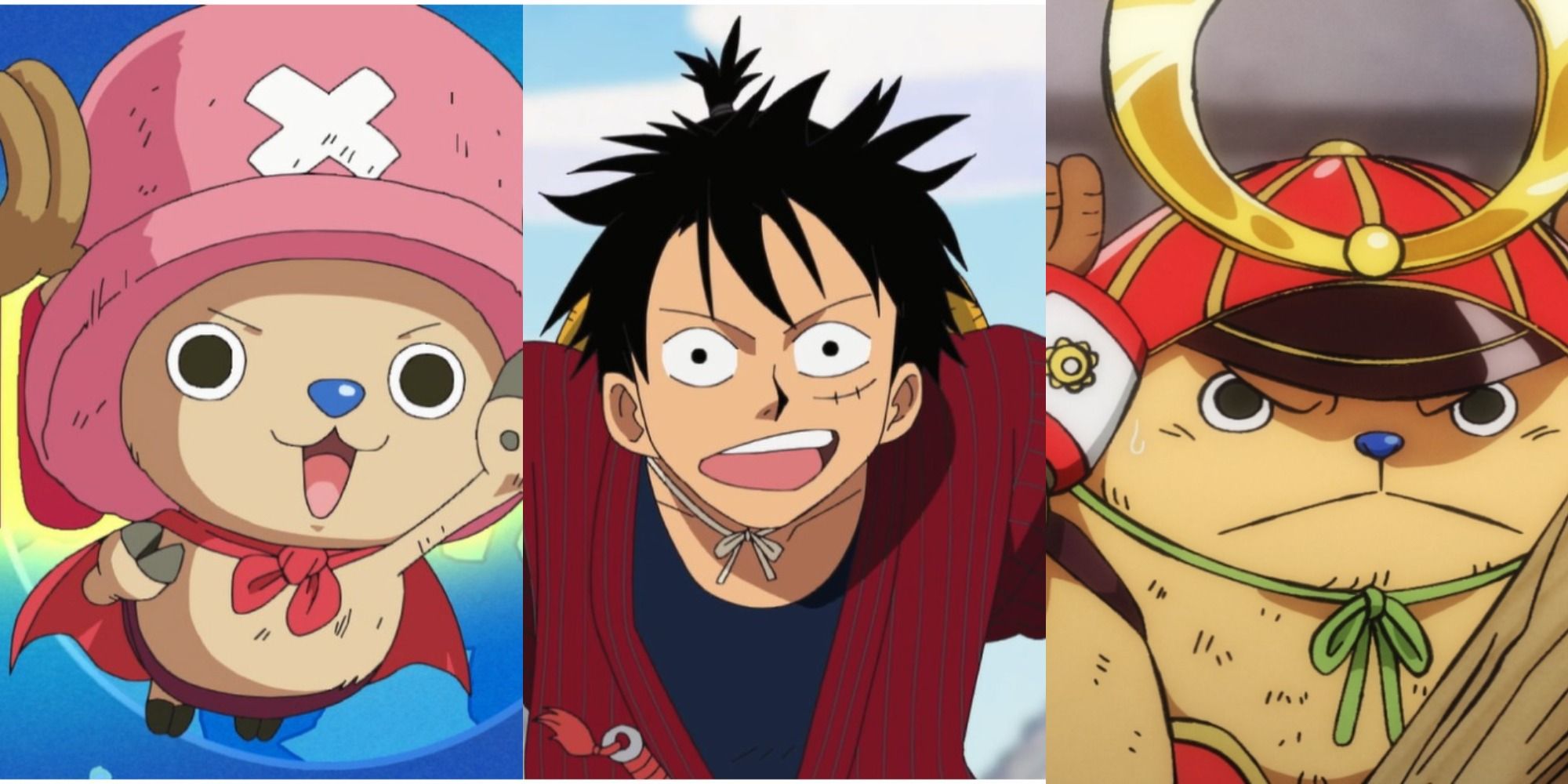
When we talk about “laziness” in the context of an anime episode, it’s crucial to differentiate it from intentional stylistic choices or necessary narrative breathing room. A “lazy” episode, in this discussion, refers to a deliberate or perhaps unintentional reduction in production effort that manifests as:
- Extensive Recap Footage: Episodes that spend a disproportionate amount of time rehashing past events, often with minimal new dialogue or animation.
- Stagnant Pacing: Storylines that feel deliberately slowed down, with scenes lingering for too long without significant plot progression.
- Minimal New Animation: Reliance on still frames, long shots of unchanging environments, or repeated character reaction shots.
- Filler Focused on Non-Essential Elements: While filler arcs can be fun, “lazy” filler often feels tacked on and doesn’t contribute meaningfully to character development or world-building.
- Abrupt Cliffhangers or Lack of Resolution: Episodes that end without any significant development, often to stretch out a single narrative beat over multiple weeks.
It’s important to approach this topic with a degree of understanding. One Piece is a massive undertaking, and occasional dips in output are understandable. However, for dedicated fans who invest hours into following the Straw Hats’ journey, episodes that feel like padding can be a point of contention. This exploration delves into the concept of “lazy” episodes within One Piece, examining the common characteristics and how they impact the viewer experience, all while maintaining a focus on the production and narrative efficiency, rather than simply critiquing animation style.
Understanding the Metrics of “Laziness” in Anime Production
The concept of a “lazy” episode isn’t purely subjective; it can be dissected through observable production and narrative choices. When a significant portion of an episode’s runtime is dedicated to rehashing familiar material, or when plot progression grinds to a near halt, it raises questions about the efficient allocation of resources and creative energy. This isn’t a condemnation of the animators or writers who are often under immense pressure, but rather an analysis of the outcomes of their efforts from a fan’s perspective.
The Economics of Animation and Runtime
The television anime industry operates on a tight schedule and budget. Each episode needs to be produced within a strict timeframe, and the cost of animation, voice acting, and music is considerable. To meet these demands, studios sometimes resort to strategies that can, unfortunately, result in what fans perceive as “lazy” episodes.
Recap Segments and Their Purpose
Recap segments are perhaps the most obvious indicator of an episode potentially leaning towards “laziness.” These are often strategically placed before a significant plot development or at the beginning of a new arc to reacquaint viewers with the ongoing narrative. However, when a significant chunk of an episode, sometimes five to ten minutes or more, is dedicated to simply replaying past scenes, it can feel like a way to fill time without generating new content. This is particularly jarring when the recap doesn’t offer new insights or commentary on the past events. The intention is often to catch up new viewers or remind long-time fans, but an overreliance can be a sign of struggling to produce enough fresh material within the production cycle.
Pacing as a Narrative Tool vs. Stagnation
Pacing is a critical element of storytelling. A well-paced episode builds tension, develops characters, and moves the plot forward at an appropriate rate. However, some episodes of One Piece have been criticized for their glacial pacing. This can manifest as scenes that are overly long, with minimal dialogue or action, and characters who spend an extended period contemplating, reacting, or simply staring. While a moment of quiet reflection can be powerful, when it dominates an entire episode and contributes little to the overarching narrative, it can feel like an artificial inflation of runtime. This deliberate slowing down can be a consequence of trying to adapt manga chapters that are light on plot progression or, again, a response to production pressures to stretch out material.
The Role of Flashbacks and Extended Internal Monologues
Similar to recap segments, extended flashbacks and lengthy internal monologues can also contribute to the perception of a “lazy” episode. While flashbacks are essential for providing backstory and character depth, an episode heavily reliant on them, especially if they’ve been shown multiple times before, can feel like a substitute for developing the present storyline. Internal monologues, while useful for conveying a character’s thoughts, can become tedious if they are prolonged and repetitive, offering little new information or emotional insight. The effective use of these narrative devices is about enhancing the story; their overuse, however, can feel like a placeholder.
Identifying Archetypal “Lazy” Episode Structures in One Piece
Beyond the general metrics, certain recurring structures within One Piece episodes tend to signal a potential dip in original content. These are patterns that, when combined, often lead to fan discussions about episodes feeling particularly uninspired or inefficient in their storytelling.
The “Transition” Episode: Bridging Gaps with Minimal Novelty
Many long-running anime series, including One Piece, feature episodes that primarily serve as transitions. These episodes often occur at the end of one major event and the beginning of another, or when the anime is close to catching up with the manga. While some transition episodes are skillfully crafted to build anticipation, others can feel like they are merely filling space.
“Holding Pattern” Narratives
These episodes often find the characters in a state of relative stasis, with minimal actual plot advancement. This could involve the Straw Hats waiting for something to happen, discussing future plans in a loop, or engaging in activities that, while character-building in principle, don’t push the main narrative forward. The sense of a “holding pattern” can be frustrating for viewers eager to see the story progress.
Recycled Animation and Stock Footage
To save time and resources, studios might lean heavily on recycled animation sequences or stock footage. This can include character reaction shots that are reused across different episodes, establishing shots of familiar locations that don’t change, or even action sequences that are subtly altered versions of past fights. While efficient, a noticeable reliance on such elements can make an episode feel less dynamic and original.
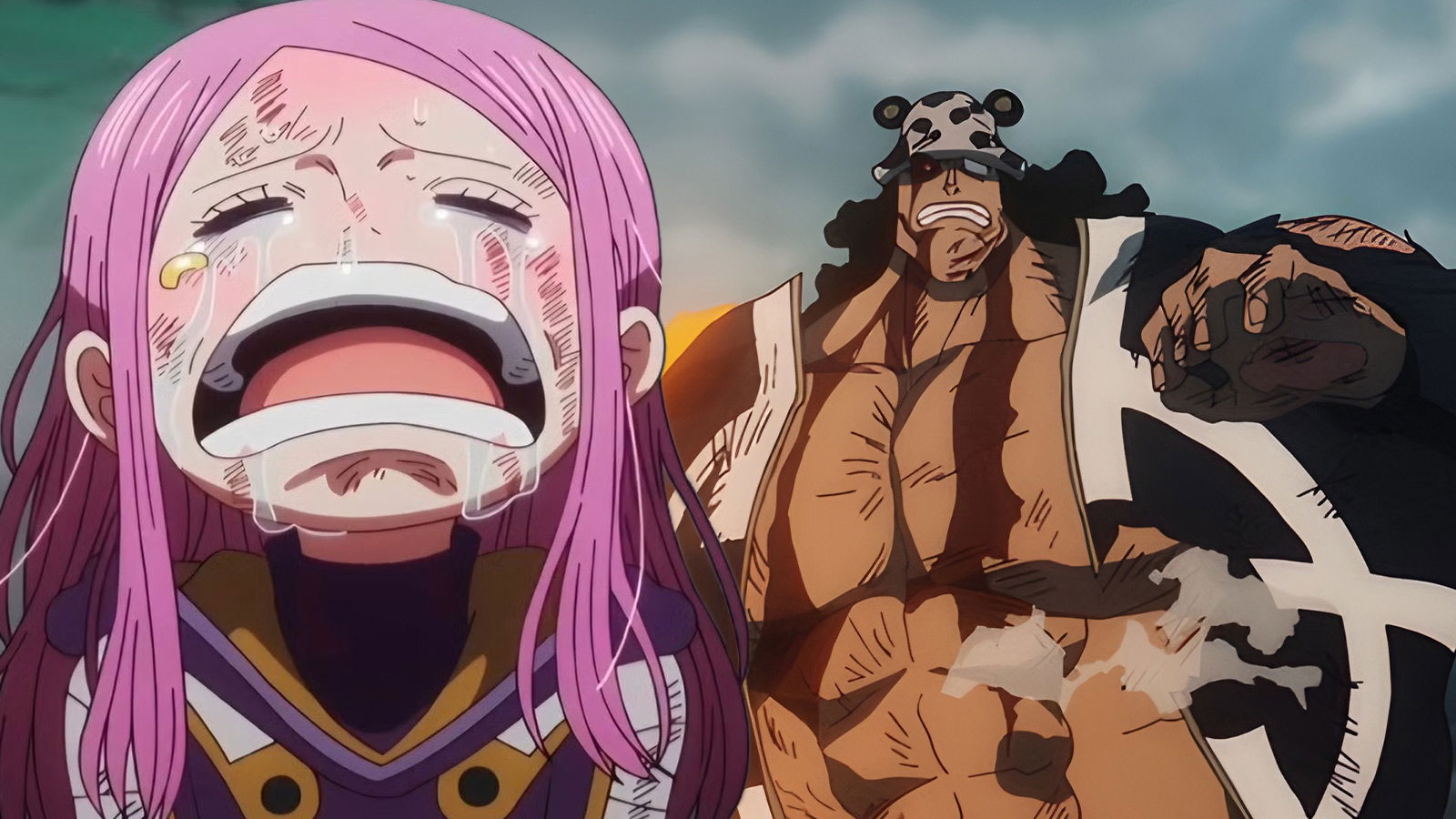
The “Flashback Extravaganza” Episode: Revisiting the Past to Fill the Present
Flashbacks are a cornerstone of storytelling, offering context and depth. However, in the context of a “lazy” episode, flashbacks can become a crutch, dominating the runtime without introducing new plot developments.
Thematic Flashbacks vs. Pure Recaps
There’s a significant difference between a flashback that adds a new layer to a character’s motivation or a past event that directly impacts the current situation, and one that simply replays events for the sake of remembrance. Episodes that rely on purely recapitulatory flashbacks, especially those that have been extensively covered before, often feel like an easy way to fill time rather than engage with the present narrative.
Interweaving Flashbacks with Minimal New Scenes
When flashbacks constitute the majority of an episode, with only a few short scenes of present-day action or dialogue interspersed, the overall impact can be diminished. The narrative momentum of the current storyline is frequently interrupted, and viewers may feel that they are not progressing through the main plot. This structure can be particularly frustrating when the resolution of the current conflict is imminent or when a new, exciting development is expected.
The “Filler-Adjacent” Episode: Peripheral Content with Low Stakes
While dedicated filler arcs are a separate phenomenon, some canon episodes can feel “lazy” due to their focus on tangential or low-stakes content that doesn’t significantly contribute to the main storyline or character development.
Uninspired Side Quests or Character Interactions
These episodes might feature the Straw Hats undertaking minor tasks or engaging in character interactions that, while potentially amusing, lack any real urgency or narrative weight. If these detours don’t illuminate character dynamics in a significant way or set up future plot points, they can feel like padding.
Repetitive Gags or Situational Comedy Without Advancement
One Piece is known for its humor, but when an episode relies heavily on repetitive gags or situational comedy that doesn’t lead to any plot progression or character insight, it can feel like a missed opportunity. While laughter is valuable, an entire episode dedicated to such elements can be seen as a less productive use of runtime.
The Impact of “Lazy” Episodes on Viewer Engagement and Perception
The cumulative effect of episodes that are perceived as “lazy” can have a tangible impact on how viewers experience and perceive a long-running series like One Piece. While dedicated fans often have a high tolerance, these instances can test patience and affect overall enjoyment.
The Erosion of Narrative Momentum
One of the most significant consequences of consistently encountering “lazy” episodes is the erosion of narrative momentum. When viewers anticipate a steady progression of the plot and the introduction of new challenges or revelations, episodes that offer little in the way of forward movement can lead to frustration and a feeling of being stuck. This is particularly true in arcs where pacing is already a concern. The perceived “slowness” can make the overall journey feel longer and less engaging.
Dilution of Impact and Urgency
The impact of major plot points, character developments, and emotional moments can be diluted when they are surrounded by episodes that lack substance. If an episode is primarily composed of recaps or filler-adjacent content, the subsequent arrival of a crucial event might feel less impactful because the viewer has been conditioned to expect a slower pace and less substance. The sense of urgency that drives many compelling narratives can be diminished, making it harder for viewers to remain fully invested.
The “Grind” Factor and Viewer Fatigue
For a series as extensive as One Piece, the cumulative effect of “lazy” episodes contributes to what fans often refer to as the “grind.” This is the feeling of having to push through less engaging content to reach the more exciting parts of the story. Viewer fatigue can set in when the ratio of exciting, plot-driving episodes to “filler-adjacent” or slow-paced episodes feels disproportionate. This fatigue can lead to a decline in viewership or even cause some fans to abandon the series altogether, especially if they perceive the pacing as a consistent issue rather than an occasional one.
The Double-Edged Sword of Adaptation Freedom
The anime’s adaptation of the manga grants the animation team a degree of freedom. This freedom, when exercised thoughtfully, can enhance the source material. However, it also presents the opportunity to stretch content thin. The decision to adapt fewer manga chapters per episode, or to expand on existing scenes, can be a deliberate choice to control the pacing and avoid catching up to the manga. While this can be beneficial for maintaining a steady release schedule and allowing the manga to stay ahead, it also opens the door for episodes that feel padded, thereby contributing to the perception of “laziness.” The challenge for the production team is to find a balance where this adaptive freedom serves the story rather than simply filling time.
In conclusion, while pinpointing a single “laziest” One Piece episode is a subjective endeavor, understanding the characteristics that contribute to this perception offers valuable insight into the production and narrative challenges of a long-running anime. Episodes that rely heavily on recaps, suffer from stagnant pacing, or focus on tangential content can test viewer patience. However, these instances also highlight the dedication of the production staff who strive to deliver hundreds of hours of content, and the discerning eye of a passionate fanbase that appreciates efficiency and forward momentum in their beloved Straw Hat adventures.
aViewFromTheCave is a participant in the Amazon Services LLC Associates Program, an affiliate advertising program designed to provide a means for sites to earn advertising fees by advertising and linking to Amazon.com. Amazon, the Amazon logo, AmazonSupply, and the AmazonSupply logo are trademarks of Amazon.com, Inc. or its affiliates. As an Amazon Associate we earn affiliate commissions from qualifying purchases.