
The “Pirates of the Caribbean” franchise, a behemoth in the entertainment landscape, has captivated audiences worldwide with its swashbuckling adventures, memorable characters, and iconic imagery. From its inception, the series has been more than just a collection of films; it has evolved into a potent brand, deeply ingrained in popular culture. Understanding the trajectory of this brand necessitates a close examination of its individual installments, particularly the most recent offering, to gauge its impact on consumer perception, market positioning, and future brand potential. This analysis will delve into “Pirates of the Caribbean: Dead Men Tell No Tales,” often referred to as “Salazar’s Revenge” in some markets, exploring its narrative, its place within the franchise’s brand arc, and its implications for the continued viability of the “Pirates of the Caribbean” brand.
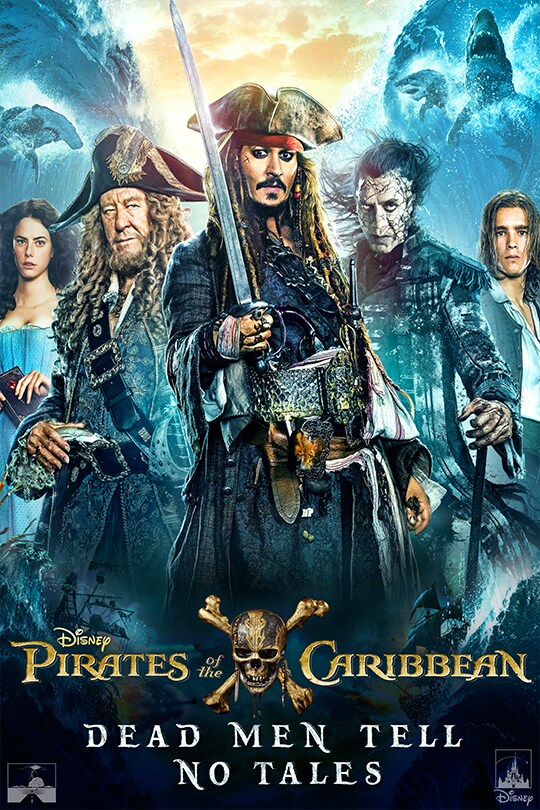
The Latest Chapter: “Pirates of the Caribbean: Dead Men Tell No Tales”
Released in 2017, “Pirates of the Caribbean: Dead Men Tell No Tales” marked the fifth installment in the immensely popular film series. This film aimed to reignite the magic of the original trilogy, which had set a high bar for adventure filmmaking and established the “Pirates” brand as a global phenomenon. The narrative centers on a disembodied Captain Salazar, a formidable ghost pirate bent on revenge against Captain Jack Sparrow and all who sail the seas. Salazar’s backstory, intertwined with a tragic past and a relentless pursuit of power, provided a compelling antagonist. The plot unfolds as young Henry Turner, son of Will Turner and Elizabeth Swann, seeks to break a curse that binds his father to the Flying Dutchman. This quest leads him to Jack Sparrow, who, despite his characteristic roguish charm and often self-serving motivations, becomes an unlikely ally.
Narrative Threads and Brand Resonance
The film’s narrative sought to connect with established lore and beloved characters while introducing new elements to keep the franchise fresh. The reintroduction of Will Turner and the exploration of his familial curse provided an emotional anchor, drawing on the foundational relationships built in earlier films. This was a strategic brand decision, aiming to leverage the nostalgia and loyalty built over a decade of storytelling. The introduction of new characters, such as Carina Smyth, a fiercely independent astronomer, aimed to inject fresh energy and appeal to a broader demographic. However, the effectiveness of these narrative choices in resonating with the core brand identity and its audience is a subject of critical discussion. The film attempted to balance epic action sequences with moments of character development, a formula that had proven successful in previous installments. The visual spectacle, a hallmark of the franchise, was undeniable, with elaborate CGI sequences and a grand scope that continued to define the brand’s cinematic experience.
Critical Reception and Brand Perception
“Dead Men Tell No Tales” garnered a mixed reception from critics. While the visual effects and action sequences were generally praised, the screenplay and pacing drew criticism. Some reviewers felt the plot was convoluted and derivative, lacking the originality that characterized the initial films. This critical discourse directly impacts brand perception. When a product associated with a strong brand receives lukewarm reviews, it can dilute the brand’s perceived quality and lead to a decline in audience enthusiasm for future endeavors. The film’s box office performance, while still substantial, did not reach the astronomical heights of its predecessors, further fueling discussions about the brand’s current market strength and its ability to consistently deliver at the highest level of commercial success. The perception of the brand is not solely built on financial returns but also on the critical acclaim and cultural impact each installment generates.
The Franchise as a Multifaceted Brand
The “Pirates of the Caribbean” franchise has transcended its cinematic origins to become a sprawling brand encompassing a variety of revenue streams and cultural touchstones. Its success is not merely a testament to compelling storytelling but also to astute brand management and marketing strategies that have consistently leveraged its core appeal.
From Theme Park Ride to Cinematic Blockbuster
The genesis of “Pirates of the Caribbean” as a brand lies in its humble beginnings as a popular attraction at Disneyland. The transition from a static theme park ride to a dynamic cinematic universe was a groundbreaking move. Disney’s decision to adapt the ride into a film in 2003 proved to be a masterstroke, tapping into an existing consumer familiarity and affection for the pirate theme. The first film, “The Curse of the Black Pearl,” was a critical and commercial success, exceeding all expectations and laying the foundation for a lucrative franchise. This initial success cemented the brand’s potential beyond its theme park roots, demonstrating its ability to capture the imagination of a global audience through compelling narratives and iconic characters.
Key Brand Pillars: Character, Lore, and Spectacle
At the heart of the “Pirates of the Caribbean” brand are several key pillars that have consistently resonated with audiences:
- Iconic Characters: Captain Jack Sparrow, portrayed by Johnny Depp, is arguably the most significant brand asset. His eccentric charm, unpredictable nature, and memorable quips have made him an enduring cultural icon. Beyond Sparrow, characters like Will Turner, Elizabeth Swann, Barbossa, and Davy Jones have also become integral to the brand’s identity, each contributing to the rich tapestry of the “Pirates” universe. The development and consistent portrayal of these characters have been crucial in fostering audience attachment and brand loyalty.

-
Rich Lore and Mythology: The franchise has built a complex mythology filled with curses, mythical creatures, supernatural elements, and pirate legends. From the Aztec gold that cursed the Black Pearl to the Flying Dutchman and the various mythical beings encountered, this intricate lore provides depth and intrigue. It allows for expansive storytelling possibilities and fuels fan engagement through discussions and theories about the universe’s inner workings. This established lore acts as a bedrock for the brand, offering a consistent framework for new adventures.
-
Visual Spectacle and Adventure: The “Pirates of the Caribbean” films are renowned for their grand scale, breathtaking visual effects, and thrilling action sequences. Swashbuckling sword fights, epic naval battles, and exotic locales have become synonymous with the brand. This commitment to high-quality production values ensures a captivating cinematic experience that aligns with the adventurous spirit of piracy. The visual language of the brand is instantly recognizable, contributing to its universal appeal.
Diversification and Brand Extensions
The success of the film franchise has paved the way for numerous brand extensions, further solidifying its presence in the entertainment market:
-
Merchandising: A vast array of merchandise has been produced, ranging from action figures and toy replicas to apparel and video games. This peripheral revenue stream not only generates income but also keeps the brand visible and engaging for consumers outside of the cinematic releases.
-
Video Games: The “Pirates of the Caribbean” brand has been translated into successful video games, allowing players to immerse themselves in the pirate world and embody their favorite characters. This interactive medium offers a different form of engagement for fans.
-
Theme Park Attractions: The original Disneyland attraction has been expanded and updated, and new “Pirates of the Caribbean”-themed experiences have been introduced in other Disney parks worldwide, reinforcing the brand’s connection to its roots and providing tangible, immersive experiences for fans.
The Impact of “Dead Men Tell No Tales” on the Brand’s Trajectory
“Pirates of the Caribbean: Dead Men Tell No Tales” occupies a critical juncture in the brand’s narrative arc. While it continued the established formula, its performance and reception have raised pertinent questions about the brand’s future direction and its ability to maintain its dominance in the entertainment landscape.
Stagnation vs. Evolution in Franchise Storytelling
One of the most significant discussions surrounding “Dead Men Tell No Tales” centers on whether the franchise is experiencing creative stagnation or a necessary evolution. The film, by design, revisited many familiar tropes and character dynamics. While this provided a sense of continuity for long-time fans, it also led to criticisms of predictability and a lack of fresh innovation. Brands that fail to evolve risk becoming stale, especially in a rapidly changing entertainment market driven by new trends and audience expectations. The challenge for the “Pirates” brand lies in finding a balance between honoring its established identity and introducing new elements that can capture the imagination of a contemporary audience. This involves exploring new narrative avenues, perhaps venturing into different time periods or introducing entirely new sets of characters and conflicts, while still retaining the core elements that define its appeal.
The Role of Key Performances and Brand Ambassadors
The presence and performance of key actors have historically been pivotal to the “Pirates of the Caribbean” brand. Johnny Depp’s portrayal of Captain Jack Sparrow is inextricably linked to the franchise’s immense success. His unique performance became a significant draw for audiences, and his absence or diminished role could significantly impact the brand’s appeal. The controversies surrounding Depp in the years leading up to and following the release of “Dead Men Tell No Tales” have inevitably cast a shadow over the brand. This highlights the vulnerability of a brand heavily reliant on its star power. The selection and cultivation of new brand ambassadors or the careful management of existing ones become crucial strategic considerations for any franchise aiming for long-term sustainability. For “Pirates,” this means either navigating the complexities of its most famous star or finding compelling new figures to carry the franchise forward.
Future Outlook and Brand Sustainability
The future of the “Pirates of the Caribbean” brand hinges on its ability to address the challenges presented by its latest installment and adapt to evolving market demands. The studio has explored various avenues for the franchise’s continuation, including potential reboots, spin-offs, and sequels. The success of these future endeavors will depend on a strategic re-evaluation of what makes the brand resonate with audiences in the current cultural climate. This might involve a willingness to take creative risks, to explore new storytelling techniques, and to potentially re-energize the brand with a fresh perspective. Furthermore, understanding the evolving preferences of global audiences, particularly in emerging markets, will be crucial. The brand’s ability to remain relevant and engaging will ultimately determine its long-term sustainability and its continued place in the pantheon of iconic entertainment franchises.
In conclusion, “Pirates of the Caribbean: Dead Men Tell No Tales” represents the latest chapter in a highly successful and multifaceted brand. While it aimed to deliver the familiar pirate adventure, its reception and performance have underscored the challenges of maintaining brand momentum in a dynamic entertainment industry. The franchise’s future success will depend on its capacity for innovation, its strategic management of its core brand assets, and its ability to connect with a new generation of audiences while retaining the loyalty of its established fanbase. The legacy of “Pirates of the Caribbean” as a powerful brand is undeniable, but its continued vitality will require careful navigation and a renewed commitment to creative excellence.
aViewFromTheCave is a participant in the Amazon Services LLC Associates Program, an affiliate advertising program designed to provide a means for sites to earn advertising fees by advertising and linking to Amazon.com. Amazon, the Amazon logo, AmazonSupply, and the AmazonSupply logo are trademarks of Amazon.com, Inc. or its affiliates. As an Amazon Associate we earn affiliate commissions from qualifying purchases.