
The seemingly simple question, “what was the interest rate,” unlocks a complex world of economic forces, personal financial decisions, and business strategies. Interest rates are not merely numbers; they are the bedrock of modern finance, influencing everything from the cost of a home loan to the profitability of a multinational corporation. They represent the cost of borrowing money or the return on lending it, a fundamental concept that underpins all economic activity. Understanding interest rates requires delving into their definitions, the mechanisms that set them, and their profound impact across various sectors. For anyone navigating the financial landscape, grasping the nuances of interest rates is not just advisable; it’s essential for making informed decisions and building a resilient financial future.
Understanding the Fundamentals: What Exactly is an Interest Rate?
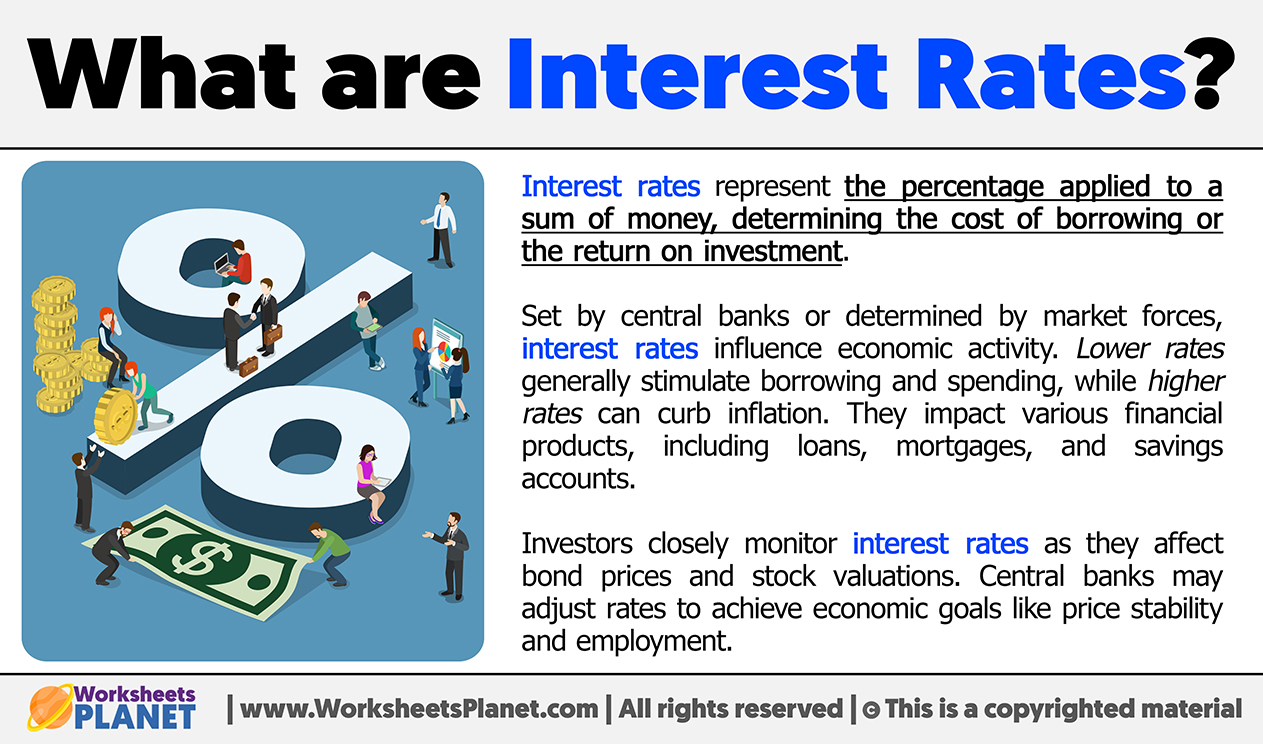
At its core, an interest rate is the percentage of a principal sum charged by the lender to the borrower for the use of assets. It’s the “price” of money, dictating how much extra a borrower must pay back or how much a lender will earn. This seemingly straightforward concept has layers of complexity, with various types and influencing factors shaping its behavior.
Defining Interest: The Cost of Borrowing, The Reward for Lending
When you borrow money, whether for a mortgage, a car, or a business venture, the lender charges you interest as compensation for the risk they take and for the opportunity cost of not using that money elsewhere. This is the cost of borrowing. Conversely, when you deposit money into a savings account, buy a certificate of deposit (CD), or invest in a bond, you are essentially lending money, and the institution or issuer pays you interest as a reward. This reward component incentivizes saving and investment, channeling capital where it can be most productive. The equilibrium between the demand for borrowing and the supply of lending is a key determinant of prevailing interest rates.
Key Types of Interest Rates: Nominal vs. Real, Fixed vs. Variable
The financial world features a spectrum of interest rates, each serving a distinct purpose. Nominal interest rates are the stated rates on a loan or investment, without adjustment for inflation. They are what you see advertised. However, to understand the true cost of borrowing or the real return on an investment, one must consider the real interest rate, which is the nominal rate minus the rate of inflation. A high nominal rate might still result in a low or even negative real return if inflation is running rampant.
Another critical distinction is between fixed and variable interest rates. A fixed-rate loan maintains the same interest rate throughout its term, offering predictability in payments. This is common for traditional mortgages. A variable-rate loan, also known as an adjustable-rate loan, has an interest rate that can change over time, typically tied to a benchmark index like the prime rate or LIBOR (though LIBOR is being phased out). While variable rates can offer lower initial payments, they carry the risk of future increases, making financial planning more challenging for borrowers. Lenders also offer different rates based on the borrower’s creditworthiness, with higher rates for higher perceived risk.
Factors Influencing Interest Rate Levels
Numerous macroeconomic and microeconomic factors converge to determine the prevailing interest rate landscape. Central bank monetary policy is arguably the most dominant force, as central banks like the U.S. Federal Reserve or the European Central Bank set benchmark rates that influence all other rates in the economy. Inflation expectations play a crucial role; if lenders expect inflation to erode the purchasing power of future repayments, they will demand higher nominal interest rates. Economic growth and employment levels also factor in: a robust economy with low unemployment often leads to higher demand for credit, pushing rates up. Conversely, during economic downturns, central banks may lower rates to stimulate borrowing and investment. Government debt levels, geopolitical stability, and global capital flows further contribute to the intricate dance of interest rate determination. The interplay of these factors creates a dynamic and constantly shifting environment for interest rates.
The Central Bank’s Role: Setting the Benchmark Rate
Central banks are the linchpins of a nation’s financial system, wielding significant power over interest rates through their monetary policy actions. Their decisions reverberate throughout the economy, influencing everything from consumer spending to international trade.
The Federal Reserve and Monetary Policy
In the United States, the Federal Reserve (often called “the Fed”) is the central bank. Its primary mandates are to maintain maximum employment, stable prices (control inflation), and moderate long-term interest rates. The Fed implements monetary policy through its Federal Open Market Committee (FOMC), which meets eight times a year to assess economic conditions and make policy decisions. While various central banks around the world have their own structures and specific mandates, their core function of managing money supply and credit conditions remains consistent. For instance, the European Central Bank (ECB) focuses on price stability within the Eurozone, while the Bank of England (BoE) similarly aims for price stability and supports the government’s economic policies.
Tools of Influence: Fed Funds Rate, Discount Rate, Reserve Requirements
The Federal Reserve employs several powerful tools to influence interest rates. The most prominent is the federal funds rate, the target rate for overnight lending between banks. While the Fed doesn’t directly set this rate, it influences it by buying or selling government securities in the open market (open market operations). When the Fed buys securities, it injects money into the banking system, increasing reserves and putting downward pressure on the federal funds rate. Selling securities has the opposite effect. This rate then serves as a benchmark for many other short-term interest rates in the economy.
Another tool is the discount rate, the interest rate at which commercial banks can borrow money directly from the Fed. Raising the discount rate discourages banks from borrowing, reducing the money supply and potentially increasing other interest rates. Conversely, lowering it encourages borrowing. Historically, reserve requirements—the fraction of deposits that banks must hold in reserve rather than lend out—were also a key tool. However, in recent decades, their role has diminished, and they were even set to zero in March 2020, becoming less a tool for active monetary policy and more a structural requirement. More recently, tools like interest on reserve balances (IORB) have become more prominent, influencing banks’ incentive to lend out excess reserves.
Inflation Targeting and Economic Stability
A major goal of central banks is to achieve price stability, typically defined as a low and stable rate of inflation. Many central banks explicitly adopt an inflation targeting framework, aiming for a specific inflation rate (e.g., 2% for the Fed and ECB). If inflation is rising above the target, the central bank might raise interest rates to cool down the economy by making borrowing more expensive, thereby reducing demand. If inflation is too low or deflation is a concern, they might lower rates to stimulate economic activity. This delicate balancing act is crucial for fostering sustainable economic growth and preventing boom-and-bust cycles that can destabilize financial markets and harm citizens’ purchasing power.
Impact on Personal Finance: How Interest Rates Affect Your Wallet
For individuals, interest rates are not an abstract economic concept but a tangible factor shaping daily financial realities. Their fluctuations can significantly alter the cost of debt, the attractiveness of savings, and major life decisions.
Mortgages and Housing Market Dynamics
Perhaps the most direct and significant impact of interest rates on personal finance is through mortgages. A small change in mortgage interest rates can translate into thousands of dollars difference in total interest paid over the life of a 15- or 30-year loan. When interest rates rise, borrowing becomes more expensive, reducing housing affordability and potentially cooling down a hot housing market. Conversely, lower rates make homes more affordable, stimulating demand and often leading to price appreciation. This dynamic influences not only homeownership rates but also the broader construction industry and related sectors. People often refinance their mortgages when rates drop significantly, allowing them to lower their monthly payments or shorten their loan term.
Credit Cards, Auto Loans, and Consumer Debt
Beyond housing, interest rates dictate the cost of various other consumer debts. Credit card interest rates are typically variable and among the highest, meaning any increase in benchmark rates can quickly make carrying a balance more expensive. For auto loans, which are often fixed-rate, higher interest rates translate directly into larger monthly payments and a higher total cost of the vehicle. Personal loans, student loans (especially those with variable rates), and lines of credit are all sensitive to rate changes. Higher interest rates can constrain consumer spending by diverting more income towards debt servicing, potentially slowing economic growth.
Savings Accounts, CDs, and Investment Returns
On the flip side, higher interest rates are generally beneficial for savers. Savings accounts, money market accounts, and certificates of deposit (CDs) offer better returns, making it more attractive to save money. For investors, rising rates can affect bond prices (they typically fall as rates rise) and influence stock market valuations as companies’ borrowing costs increase and future earnings are discounted at a higher rate. Retirees and those on fixed incomes often welcome higher rates, as they can generate more income from their cash holdings and low-risk investments. The interplay between risk and return becomes more nuanced, as higher rates might shift capital from riskier assets like stocks to safer, higher-yielding bonds and cash equivalents.
Student Loans: A Generational Burden
Student loans represent a unique and often substantial financial burden for many. Federal student loan rates are fixed annually based on treasury yields, meaning a rising rate environment can make new loans more expensive. Private student loans often carry variable rates, making borrowers vulnerable to rate increases. The sheer volume of student debt in many countries means that even small rate changes can have a widespread impact on a generation’s financial mobility, affecting their ability to purchase homes, start businesses, or save for retirement. Understanding the historical trends and potential future direction of interest rates is crucial for both current students and those planning for higher education.
Business and Economic Implications: Beyond the Individual
Interest rates extend their influence far beyond individual wallets, profoundly shaping the landscape for businesses, international trade, and government finance.
Corporate Borrowing and Investment Decisions
For businesses, interest rates are a critical factor in investment decisions. Lower borrowing costs incentivize companies to take on debt to expand operations, invest in new technology, research and development, or undertake mergers and acquisitions. This stimulates economic growth and job creation. Conversely, higher interest rates make capital more expensive, potentially causing businesses to postpone or cancel investment projects, which can slow economic expansion. Startups and small businesses are particularly sensitive to interest rate changes, as they often have less access to diverse funding sources and rely heavily on loans for initial capital and growth. Their cost of capital directly impacts their viability and expansion potential.
Impact on Small Businesses and Entrepreneurs
Small businesses and entrepreneurs are often at the sharp end of interest rate fluctuations. Unlike large corporations with established credit lines and access to capital markets, small businesses frequently depend on bank loans or lines of credit. Higher interest rates directly increase their operating costs, reducing their profit margins and making it harder to invest in growth, hire new employees, or even manage day-to-day cash flow. This can stifle innovation and hinder the creation of new jobs. During periods of rising rates, access to affordable credit can dry up, posing significant challenges for smaller enterprises trying to survive and expand.
Exchange Rates and International Trade
Interest rates also play a significant role in international finance through their impact on exchange rates. When a country’s central bank raises interest rates, it typically makes that country’s currency more attractive to foreign investors seeking higher returns on their capital. This increased demand can strengthen the currency, making imports cheaper but exports more expensive. Conversely, lower interest rates can weaken a currency. These exchange rate fluctuations directly impact international trade by affecting the competitiveness of a nation’s exports and the cost of its imports, influencing trade balances and global economic relationships.
Government Debt and Fiscal Policy
Governments are among the largest borrowers, financing public services, infrastructure projects, and budget deficits through the issuance of bonds. The interest rates at which they can borrow profoundly affect their national budgets and fiscal policy choices. Higher interest rates mean a larger portion of tax revenue must be allocated to servicing government debt, potentially reducing funds available for other critical areas like education, healthcare, or defense. This can limit fiscal flexibility and, in extreme cases, lead to concerns about sovereign debt sustainability. Conversely, lower rates provide governments with more fiscal headroom, enabling them to borrow more cheaply for stimulating the economy during downturns or investing in long-term growth initiatives.
Forecasting and Future Trends: What Lies Ahead?
The question “what was the interest rate” invariably leads to “what will the interest rate be?” Predicting future interest rate movements is a complex exercise, but understanding the key drivers can help individuals and businesses prepare.
Analyzing Economic Indicators: GDP, Inflation, Employment
Central banks base their policy decisions on a wide array of economic data. Key indicators include Gross Domestic Product (GDP), which measures economic output; inflation rates (Consumer Price Index, Personal Consumption Expenditures); and employment statistics (unemployment rate, job growth). Strong GDP growth and low unemployment might signal inflationary pressures, prompting central banks to consider rate hikes. Conversely, slowing growth and rising unemployment could lead to rate cuts to stimulate the economy. Investors, analysts, and policymakers constantly monitor these indicators for clues about the likely direction of monetary policy and, consequently, interest rates. Understanding these signals is paramount for financial planning.
Geopolitical Factors and Global Economic Shocks
Beyond traditional economic indicators, geopolitical events and global economic shocks can significantly influence interest rates. Wars, trade disputes, energy crises, or global pandemics can disrupt supply chains, fuel inflation, increase uncertainty, and impact economic growth. In times of crisis, investors often flock to safe-haven assets, which can temporarily push down rates on government bonds. Central banks may also react by adjusting rates to stabilize markets or mitigate economic fallout. The interconnectedness of the global economy means that a major event in one region can have ripple effects on interest rates worldwide, underscoring the need for a broad perspective.
Strategies for Navigating Rate Changes (for individuals and businesses)
Given the inherent unpredictability of interest rates, both individuals and businesses need robust strategies to navigate their fluctuations. For individuals, this might involve locking in fixed-rate mortgages during periods of low rates, minimizing high-interest credit card debt, diversifying investments to include assets that perform well in different rate environments, and building an emergency fund that can grow with higher savings rates. Businesses might employ hedging strategies to protect against rising borrowing costs, maintain flexible capital structures, and build strong balance sheets that can withstand economic shocks. Both should prioritize financial literacy, staying informed about economic trends, and consulting with financial professionals to tailor strategies to their specific circumstances and risk tolerance. Proactive planning, rather than reactive responses, is key to thriving in an environment where the answer to “what was the interest rate” is constantly evolving.
In conclusion, the inquiry into “what was the interest rate” opens a window into the core mechanisms of finance and economics. From the central bank’s boardrooms to individual household budgets and corporate balance sheets, interest rates are a pervasive force. Their constant evolution necessitates vigilance, informed decision-making, and strategic planning for anyone looking to secure their financial well-being in an ever-changing economic landscape.
aViewFromTheCave is a participant in the Amazon Services LLC Associates Program, an affiliate advertising program designed to provide a means for sites to earn advertising fees by advertising and linking to Amazon.com. Amazon, the Amazon logo, AmazonSupply, and the AmazonSupply logo are trademarks of Amazon.com, Inc. or its affiliates. As an Amazon Associate we earn affiliate commissions from qualifying purchases.