
In the dynamic landscape of modern business, where innovation is constant and competition fierce, companies are perpetually seeking strategic advantages to solidify their position, expand their reach, and maximize profitability. Among the most potent and historically significant strategies employed to achieve these goals is horizontal integration. Far from being a mere buzzword, horizontal integration represents a fundamental restructuring of markets, driving consolidation, altering competitive dynamics, and profoundly impacting everything from technological advancements to brand power and financial structures. To truly grasp its significance, especially in our interconnected digital age, it’s essential to delve into its definition, motivations, implications, and how it interweaves with the worlds of technology, branding, and finance.
The Core Concept: Defining Horizontal Integration
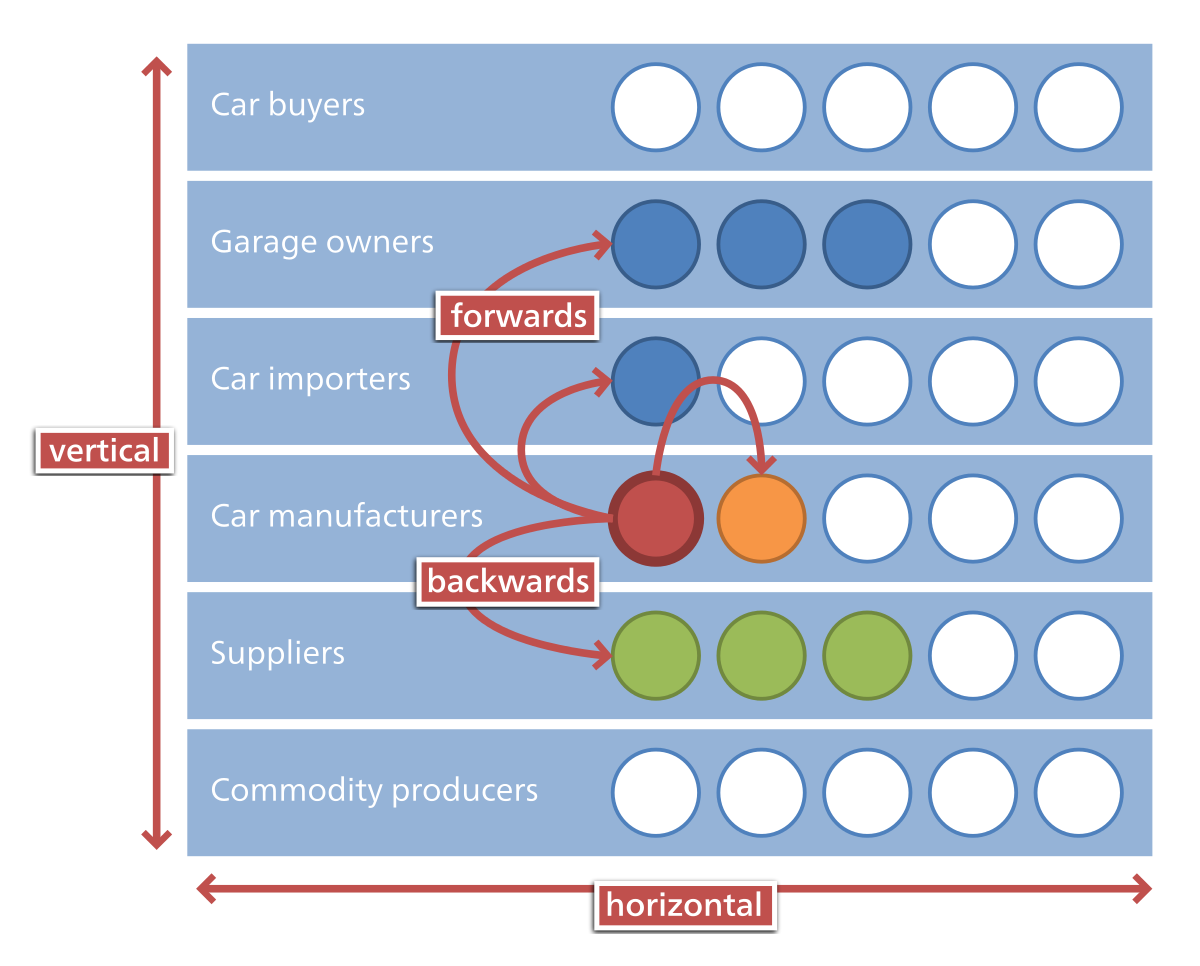
At its heart, horizontal integration is a business strategy where a company acquires, merges with, or gains control over another company operating at the same stage of the supply chain, within the same industry, and often selling similar or complementary products and services. Imagine a car manufacturer acquiring another car manufacturer, or a social media platform purchasing a competing social media platform. These are classic examples. The ultimate goal is often to increase market share, reduce competition, and achieve economies of scale, thereby enhancing the integrating company’s overall market power and profitability.
A Strategic Gambit for Market Dominance
This strategic move is fundamentally about achieving greater market concentration. By bringing a competitor under its wing, a company immediately eliminates a rival, absorbing their customer base, intellectual property, talent, and distribution channels. This isn’t just about growth; it’s about consolidation, reducing the number of players in a given market segment and allowing the acquiring entity to exert greater influence over pricing, product development, and industry standards. For consumers, this can mean fewer choices in the long run, but for the integrating company, it promises increased leverage and a more dominant position. In the context of our digital economy, this often translates to a tech giant acquiring a promising startup or a legacy brand absorbing a competitor to bolster its digital presence, directly impacting both technological innovation and brand visibility.
Distinguishing it from Vertical Integration
To fully appreciate horizontal integration, it’s useful to contrast it with its counterpart: vertical integration. While horizontal integration involves combining with companies at the same stage of the supply chain, vertical integration involves combining with companies at different stages. An example of vertical integration would be a car manufacturer acquiring a steel producer (backward integration) or a car dealership (forward integration). The primary goal of vertical integration is to control more of the supply chain, reduce costs, and ensure supply or distribution. Horizontal integration, conversely, is singularly focused on broadening market share and reducing competition within a specific industry segment. Both strategies have profound implications for business finance and market structure, but their strategic rationale and operational challenges differ significantly.
Driving Forces: Why Companies Pursue Horizontal Integration
The motivations behind horizontal integration are multifaceted, touching upon core aspects of business finance, brand strategy, and market positioning. Companies don’t embark on such complex and often costly ventures without compelling strategic reasons, almost always aiming for a significant return on investment and enhanced competitive standing.
Achieving Economies of Scale and Scope
One of the most compelling financial drivers for horizontal integration is the pursuit of economies of scale and scope. By combining operations with a competitor, the integrated entity can produce goods or services more efficiently, reducing per-unit costs. This can involve consolidating production facilities, streamlining administrative functions, optimizing supply chains, and leveraging greater purchasing power for raw materials or advertising. For example, two software companies merging might be able to combine their development teams, reducing redundant R&D efforts and accelerating product cycles while sharing infrastructure costs. From a financial perspective, these efficiencies directly translate to improved profit margins and a stronger balance sheet. Economies of scope, on the other hand, arise from producing a greater variety of products or services using shared resources, enhancing brand reach and potential revenue streams without a proportional increase in costs.
Expanding Market Share and Reducing Competition
Perhaps the most intuitive driver, horizontal integration is a direct path to significantly expanding market share. By absorbing a competitor, a company instantly gains access to their existing customer base, sales channels, and geographical markets. This immediate influx of market presence is often quicker and less risky than organic growth. Furthermore, eliminating a competitor directly reduces the intensity of rivalry within an industry. Fewer players mean less pressure on pricing, potentially leading to higher profit margins for the remaining entities. From a brand perspective, this can elevate the acquiring company’s brand to a more dominant or even iconic status, solidifying its position as an industry leader and making it a more recognizable and trusted name in the minds of consumers.
Enhancing Brand Portfolio and Customer Reach
Beyond mere market share, horizontal integration offers a powerful avenue for enriching a company’s brand portfolio and diversifying its appeal to a broader customer demographic. Consider a technology company known for its enterprise software acquiring a consumer-focused app. This move allows the acquiring company to tap into new customer segments, cross-sell products, and leverage the acquired brand’s equity. Disney’s acquisitions of Pixar, Marvel, and Lucasfilm are prime examples; these moves didn’t just eliminate competition but strategically expanded Disney’s storytelling universe, attracting diverse fan bases and cementing its position as a global entertainment powerhouse. For companies focused on digital services, acquiring a brand with a strong niche following can provide invaluable data and insights, informing future product development and marketing strategies across the entire integrated brand family. This strategic alignment of brands is a critical aspect of modern marketing, enabling synergistic campaigns and reinforcing the overall corporate identity.
Unlocking Synergies and Financial Growth
The promise of synergies is a key financial motivator. Synergies refer to the idea that the combined value and performance of two companies will be greater than the sum of their individual parts. These can be cost synergies (e.g., eliminating duplicate departments, negotiating better supplier contracts) or revenue synergies (e.g., cross-selling opportunities, new product bundles, expansion into new markets). For investors and financial analysts, the potential for these synergies often justifies the high valuations and significant financial investment required for an acquisition. Businesses project increased earnings per share, improved cash flow, and a stronger financial position post-merger, making these integrations attractive investment opportunities and driving shareholder value. Effective financial modeling and rigorous due diligence are crucial to accurately forecast and realize these promised benefits, distinguishing successful integrations from costly failures.
Horizontal Integration in the Digital Age: The Tech Perspective
The advent of the digital age has not only intensified the pace of horizontal integration but also fundamentally reshaped its dynamics. In the tech sector, where innovation is paramount and network effects reign supreme, horizontal moves often carry disproportionate weight, impacting everything from consumer choice to data privacy.
Tech Giants and the Consolidation Craze

The technology industry stands out as a prime arena for horizontal integration. Giants like Meta (Facebook) acquiring Instagram and WhatsApp, Google acquiring YouTube and Fitbit, or Microsoft acquiring LinkedIn have profoundly reshaped the digital landscape. These acquisitions weren’t merely about buying competitors; they were strategic moves to consolidate user bases, gain access to critical technologies and talent, and prevent emerging rivals from challenging their ecosystem dominance. For these tech behemoths, integrating horizontally means expanding their digital footprint, controlling key communication channels, and becoming indispensable parts of users’ daily lives. This “consolidation craze” reflects a broader trend where established players seek to absorb or neutralize potential disruptors, ensuring their continued relevance and market leadership in rapidly evolving sectors like AI, cloud computing, and social media.
Innovation, Ecosystems, and User Experience
The impact of horizontal integration on innovation and user experience in tech is a double-edged sword. On one hand, larger, integrated companies often have greater resources to invest in research and development, potentially leading to breakthroughs that smaller entities couldn’t afford. They can also integrate services more seamlessly within their expansive ecosystems, offering users a unified and enhanced experience (e.g., Facebook integrating Messenger with Instagram). This can foster a richer feature set, better performance, and more convenience. However, the flip side is that consolidation can stifle competition, reducing the impetus for true disruptive innovation from smaller players. When potential acquirers are also the biggest competitors, the incentive for truly groundbreaking independent development might diminish, as startups might aim for acquisition rather than prolonged competitive struggle, potentially leading to fewer truly novel products reaching the market.
Data Monopolies and Regulatory Scrutiny
Perhaps one of the most significant and contentious aspects of horizontal integration in the tech space is the aggregation of vast amounts of user data. When companies like Meta acquire other platforms, they merge disparate data sets, creating immensely powerful profiles of billions of users. This data, a critical asset in the digital economy, fuels targeted advertising, AI development, and product personalization. While beneficial for users in some respects (e.g., highly relevant content), it also raises serious concerns about data monopolies, privacy, and potential misuse. Consequently, horizontal integrations, particularly in tech, have come under intense scrutiny from regulatory bodies worldwide. Governments are increasingly concerned about antitrust issues, the potential for reduced consumer choice, and the immense power wielded by a few tech giants. This regulatory oversight, driven by concerns about both brand reputation and market fairness, significantly impacts the financial viability and strategic execution of future horizontal deals. The financial implications of these regulatory battles, including potential fines and forced divestitures, are substantial.
Navigating the Complexities: Challenges and Considerations
While the allure of market dominance and financial gains drives horizontal integration, the path is fraught with significant challenges. These complexities span organizational culture, financial due diligence, and the ever-present shadow of regulatory oversight, demanding meticulous planning and execution to ensure success.
Cultural Clash and Integration Hurdles
One of the most underestimated yet critical challenges in any merger or acquisition, particularly horizontal ones, is the integration of corporate cultures. When two companies, each with its own established values, work methodologies, and leadership styles, merge, a “cultural clash” is almost inevitable. This is especially true in the tech sector, where startups often have agile, experimental cultures starkly different from large, bureaucratic incumbents. If not managed effectively, this can lead to decreased employee morale, high talent turnover, reduced productivity, and ultimately, failure to realize the anticipated synergies. Successful integration requires clear communication, empathetic leadership, and often, a dedicated team focused on harmonizing HR policies, compensation structures, and operational workflows without alienating key employees or diluting the acquiring brand’s core identity. The financial costs of failed cultural integration, including lost talent and disrupted operations, can quickly negate any projected gains.
Valuations, Due Diligence, and Financial Risk
The financial complexities of horizontal integration are immense. Accurately valuing an acquisition target is a sophisticated process, involving deep dives into financial statements, market projections, intellectual property, and often, intangible assets like brand equity and customer relationships. Overpaying for a company can cripple the acquiring entity’s financial health, while underestimating potential liabilities can lead to unforeseen financial drains. Rigorous due diligence is paramount, scrutinizing everything from legal contracts and regulatory compliance to IT infrastructure and human resources. Furthermore, the financing of these deals—whether through debt, equity, or a combination—adds another layer of financial risk. The post-merger integration costs, which include everything from combining IT systems to rebranding efforts and severance packages, can be substantial and often exceed initial estimates. For investors and company executives, understanding and mitigating these financial risks is central to justifying and executing successful horizontal integrations, profoundly impacting the company’s long-term financial stability and profitability.
Regulatory Oversight and Antitrust Concerns
Perhaps the most significant external challenge to horizontal integration is the scrutiny from antitrust regulators. Governments around the world are empowered to prevent mergers and acquisitions that could substantially lessen competition or create monopolies, thereby harming consumers. High-profile cases, particularly in industries like tech, media, and pharmaceuticals, often face intense regulatory review, potentially leading to delays, demands for divestitures (selling off certain assets), or even outright blocking of the deal. Companies must navigate complex legal frameworks, demonstrating that their proposed integration will not harm competition or exploit consumers through unfair pricing or reduced choice. This regulatory landscape significantly influences deal structure, timelines, and even the choice of acquisition targets. A merger might make perfect financial sense on paper, but if it invites severe antitrust challenges, the costs in terms of legal fees, delays, and reputational damage to the brand can be prohibitive, ultimately impacting investor confidence and the brand’s public perception.
The Enduring Legacy and Future Outlook
Horizontal integration, in its various forms, has been a constant feature of the business landscape for centuries. From the industrial magnates of the Gilded Age to today’s tech titans, the drive to consolidate, expand, and dominate remains a powerful force. Understanding its mechanisms, motivations, and impacts is crucial for anyone engaging with modern commerce.
Lessons Learned from Past Integrations
History offers a rich tapestry of successes and failures in horizontal integration. From the early railroad mergers that shaped national infrastructure to the media conglomerates that defined entertainment, lessons abound. Successful integrations often share common threads: clear strategic rationale, meticulous due diligence, effective post-merger integration planning (especially cultural and technological harmonization), and strong leadership committed to making the combined entity thrive. Failures, conversely, often stem from overpaying, underestimating integration complexities, cultural incompatibility, or misjudging regulatory responses. The evolution of horizontal integration teaches us that while the principles remain, the context — particularly the influence of technology, the global nature of markets, and increased regulatory vigilance — continuously reshapes its execution and outcomes. Brands must learn to navigate these historical precedents to avoid costly mistakes.

The Evolving Landscape of Mergers and Acquisitions
Looking forward, horizontal integration will undoubtedly continue to be a dominant strategy. The relentless pace of technological change, the emergence of new digital markets, and the ongoing quest for competitive advantage ensure its relevance. However, the landscape is evolving. We can anticipate:
- Increased Regulatory Scrutiny: Especially for tech giants and in critical infrastructure sectors, antitrust enforcement will likely intensify globally, making deals harder to close and potentially leading to more targeted divestitures. This impacts both brand reputation and financial outlooks.
- Focus on Data and AI: Future horizontal integrations will increasingly be driven by the acquisition of valuable data sets, AI capabilities, and specialized algorithms, recognizing these as critical assets in the digital economy. This aligns perfectly with the “Tech” aspect of our website topics.
- ESG Considerations: Environmental, Social, and Governance (ESG) factors will play a greater role in deal evaluations, influencing both the financial attractiveness of targets and the brand perception of the combined entity.
- Global Complexity: Cross-border horizontal integrations will face heightened geopolitical risks and diverse regulatory regimes, adding layers of complexity to legal and financial planning.
In conclusion, horizontal integration is more than just a business transaction; it’s a strategic maneuver with far-reaching consequences across technology, brand, and money. It reshapes industries, redefines market power, and impacts the daily lives of consumers globally. As businesses continue to evolve in a hyper-connected world, understanding this fundamental concept remains essential for investors, entrepreneurs, and consumers alike, offering insights into the forces that drive market dynamics and determine the future of global commerce.
aViewFromTheCave is a participant in the Amazon Services LLC Associates Program, an affiliate advertising program designed to provide a means for sites to earn advertising fees by advertising and linking to Amazon.com. Amazon, the Amazon logo, AmazonSupply, and the AmazonSupply logo are trademarks of Amazon.com, Inc. or its affiliates. As an Amazon Associate we earn affiliate commissions from qualifying purchases.