
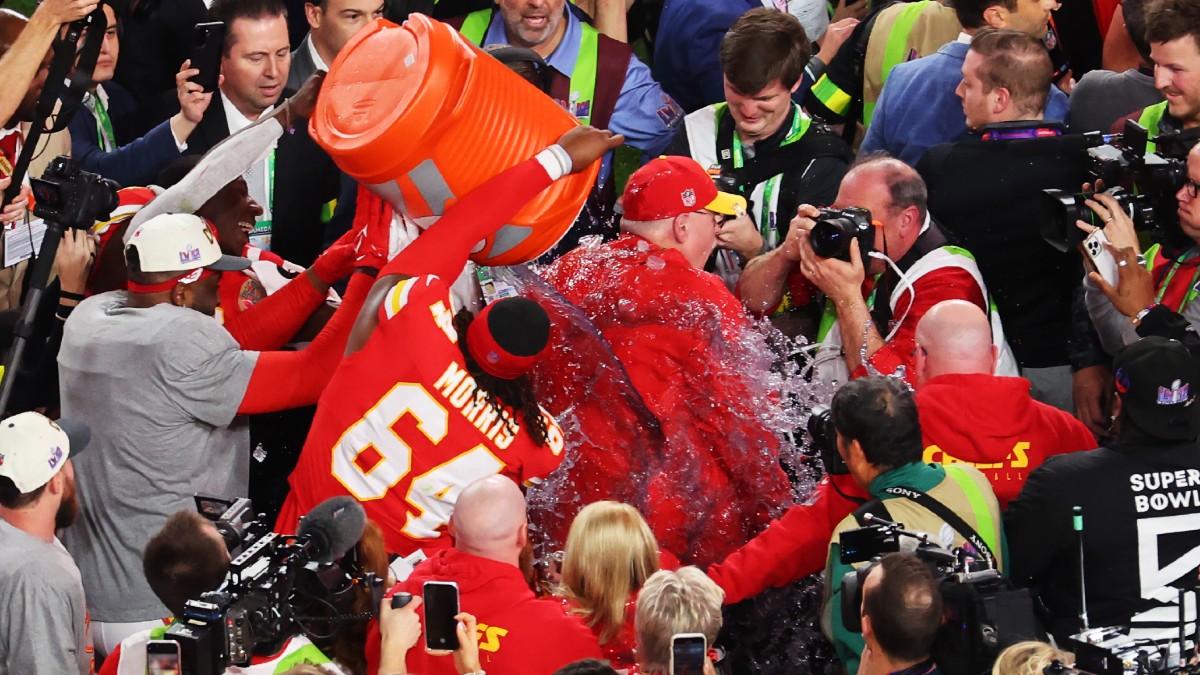
In the high-stakes theater of Super Bowl LVIII, where million-dollar commercials vie for a fleeting moment of consumer attention, one of the most significant branding victories occurred not during a scheduled ad break, but in the final seconds of the game. When the Kansas City Chiefs secured their victory over the San Francisco 49ers, the world waited for a singular visual cue: the color of the liquid doused over Coach Andy Reid. In 2024, that color was purple.
While the “Gatorade bath” began as an organic locker room prank in the 1980s, it has evolved into a cornerstone of Gatorade’s brand strategy. The 2024 color choice was more than just a flavor preference; it represented the culmination of a multi-decade journey in brand positioning, ritual-building, and the strategic capture of “earned media.” Understanding the significance of the 2024 purple splash requires a deep dive into how a beverage company successfully turned a post-game celebration into a global marketing phenomenon that transcends traditional advertising.
The Strategy Behind the Splash: Why Color Defines Gatorade’s Market Presence
For Gatorade, color is not merely an aesthetic choice; it is a primary brand asset. Since its inception at the University of Florida, the brand has used vibrant, almost radioactive hues to distinguish its product from water and traditional soft drinks. The 2024 appearance of purple—specifically the “Fierce Grape” variety—highlights how the brand uses visual stimuli to trigger consumer recognition.
The Visual Language of Sports Performance
In the realm of brand identity, Gatorade owns the “neon” spectrum of sports. When a consumer sees a bright orange, electric blue, or vivid purple liquid, the cognitive association with athletic performance and electrolyte replenishment is instantaneous. By ensuring that their product is the centerpiece of the most-watched sporting event in the world, Gatorade reinforces this association without saying a word. In 2024, the choice of purple provided a high-contrast visual against the red and gold of the Chiefs’ uniforms, ensuring that the brand’s “signature” was unmistakable in high-definition broadcasts and social media stills.
From Thirst Quencher to Cultural Icon
The transition from a functional product (rehydration) to a cultural icon (the celebratory bath) is a rare feat in corporate identity. Most brands struggle to integrate themselves into the fabric of a sport authentically. Gatorade achieved this by leaning into a tradition they didn’t technically create but have spent forty years polishing. The 2024 “purple” result was the climax of a season-long narrative, proving that the brand is no longer just a vendor to the NFL, but a participant in the victory itself.
Gamification as a Brand Driver: The 2024 Betting Phenomenon
One of the most fascinating developments in modern brand strategy is the intersection of corporate identity and the sports betting industry. The “Gatorade Color” bet has become one of the most popular prop bets in Super Bowl history. In 2024, the speculation surrounding the color generated millions of organic impressions weeks before the game even kicked off.
Leveraging Secondary Markets for Brand Awareness
While Gatorade does not officially affiliate with gambling platforms, the brand benefits immensely from the “prop bet” ecosystem. When analysts on major sports networks spend segments debating whether the color will be Orange, Blue, or Purple, they are providing Gatorade with millions of dollars in free advertising. In 2024, “Purple” was a popular dark horse pick, and its eventual appearance triggered a tidal wave of social media engagement from bettors and fans alike. This gamification keeps the brand at the forefront of the conversation, extending the “brand moment” far beyond the actual duration of the game.
Creating Anticipation Beyond the Game
Most brands have to fight for attention during the Super Bowl. Gatorade, through the ritual of the bath, has created a scenario where the audience is actively looking for their product at the game’s most emotional peak. In 2024, as the game went into overtime, the tension wasn’t just about the score; for many, it was about the impending reveal of the liquid in the cooler. This level of anticipated engagement is the “holy grail” of marketing—moving from being a distractor to being a desired component of the viewer’s experience.
Analyzing the Purple Choice: Color Psychology and Brand Association
The selection of purple for the 2024 victory splash offers an intriguing look at color psychology in branding. While orange and yellow are traditional “energy” colors, purple occupies a unique space in the Gatorade portfolio.
The Rarity of Purple in Sports Marketing

Purple is often associated with royalty, mystery, and premium quality. In the context of Gatorade’s “Fierce” line, purple represents a bolder, more intense flavor profile. By having purple as the 2024 color, the brand highlighted a specific segment of its product line that differs from the standard lemon-lime. This variety in the “victory bath” ensures that the entire product range—not just the legacy flavors—gets its moment in the sun. It prevents the brand from feeling stagnant or purely nostalgic.
Emotional Triggers and Post-Victory Sentiment
The moment of the Gatorade bath is the moment of peak euphoria for a fan base. By associating the color purple with the Kansas City Chiefs’ historic back-to-back win, Gatorade cements a positive emotional anchor to that specific product. Whenever a fan sees that purple bottle in a convenience store, there is a subconscious link to the triumph of February 2024. This emotional branding is far more effective than traditional “feature and benefit” advertising because it taps into the viewer’s personal history and joy.
The Viral Lifecycle: Real-Time Marketing in the Social Media Age
In 2024, a brand’s impact is measured by its “share of voice” on digital platforms. The purple Gatorade bath was designed—whether by chance or calculated placement—for the era of the smartphone.
Dominating the Social Feed
As soon as the purple liquid hit Andy Reid’s jacket, the image was captured, memed, and distributed across X (formerly Twitter), Instagram, and TikTok within seconds. Because the color was purple—a color that had only appeared a handful of times in previous Super Bowl baths—the novelty factor drove higher engagement. This is a crucial lesson in brand strategy: consistency is important, but occasional variance (changing the “outcome” color) creates the “news-hook” necessary for viral success.
User-Generated Content and the Power of Memes
The 2024 color choice sparked an immediate wave of user-generated content. Fans posted their winning betting tickets, creators made “purple flavor” taste-test videos, and the “Purple Gatorade” keyword trended globally. This allows the brand to relinquish control to the consumers, who then become brand ambassadors. When the audience creates the content for you, the authenticity of the brand increases exponentially. Gatorade doesn’t need to tell you they were at the Super Bowl; the world’s social media feeds show you they were there.
Strategic Takeaways: How Brands Can Build Their Own Cultural Rituals
The “What was the Gatorade color 2024?” phenomenon offers several high-level lessons for brand managers and corporate strategists looking to build long-term brand equity.
Consistency Over Decades
The reason the 2024 purple splash was effective is that Gatorade has been consistent for forty years. A brand cannot manufacture a ritual overnight. It requires the discipline to show up in the same place, in the same way, year after year, until the brand becomes synonymous with the event itself. Gatorade’s patience has allowed them to own the “victory moment” in a way that no competitor (like Powerade or BodyArmor) has been able to disrupt.
Embracing Uncontrolled Brand Moments
One of the boldest aspects of Gatorade’s strategy is their willingness to let the “moment” happen naturally. The brand doesn’t dictate which color the equipment managers put in the cooler. This lack of corporate interference is what makes the ritual feel authentic to the players and the fans. In an era where every brand interaction feels overly curated and “corporate,” the raw, unscripted nature of the Gatorade bath stands out as a genuine piece of sports culture.
The Value of Earned Media vs. Paid Media
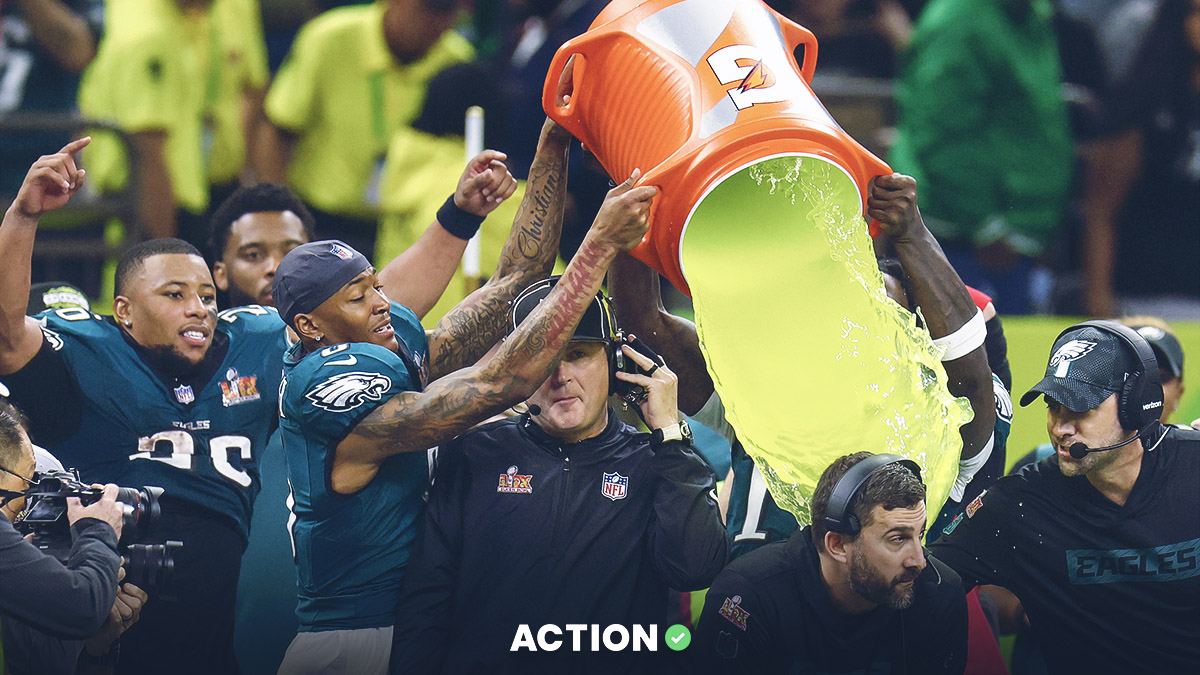
While a 30-second Super Bowl ad in 2024 cost roughly $7 million, the Gatorade bath provided the brand with “earned media” that is arguably more valuable. The bath occurs during the broadcast itself, often while the announcers are speaking and the “trophy presentation” narrative is unfolding. It is an unskippable ad. The 2024 purple splash proved once again that the most effective marketing isn’t always the one you pay the network for; it’s the one that the network cannot help but film.
In conclusion, the 2024 Gatorade color was more than a footnote in a box score. It was a demonstration of how a legacy brand maintains its relevance by weaving itself into the rituals of its audience. By remaining the “color of victory,” Gatorade ensures that its identity is refreshed every February, regardless of which team holds the trophy. For brand strategists, the lesson is clear: find your “bath,” stay consistent, and let the fans do the talking.
aViewFromTheCave is a participant in the Amazon Services LLC Associates Program, an affiliate advertising program designed to provide a means for sites to earn advertising fees by advertising and linking to Amazon.com. Amazon, the Amazon logo, AmazonSupply, and the AmazonSupply logo are trademarks of Amazon.com, Inc. or its affiliates. As an Amazon Associate we earn affiliate commissions from qualifying purchases.