
The question “what was the first Thanksgiving meal?” transcends mere historical inquiry; it delves into the very genesis of a potent cultural brand. Far from a simple culinary event, the gathering of Pilgrims and Wampanoag in 1621 laid the groundwork for a narrative so compelling and enduring that it has shaped national identity, driven economic activity, and fostered a unique annual brand experience. To truly understand this “first meal” is to analyze it as the original blueprint for one of America’s most recognizable and emotionally resonant brands: Thanksgiving itself.

In the world of brand strategy, origin stories are paramount. They provide authenticity, establish values, and create an emotional hook. The 1621 harvest feast, often idealized and romanticized, serves as the ultimate founding narrative for a national holiday. This article will dissect the elements of that initial event, not as a purely historical account of food and festivities, but through the lens of brand development, marketing, and the evolution of a powerful brand identity.
The Genesis of a National Brand: Beyond the Harvest Table
Every successful brand begins with an inception point, a foundational moment that defines its essence. For Thanksgiving, this was the autumn of 1621. While the precise menu and intentions of the attendees are debated by historians, the story of this event became the enduring “brand story” that launched a thousand holidays.
Crafting the Original Brand Story: Setting the Scene in 1621
Imagine the Plymouth Colony in 1621 as a nascent startup, struggling for survival. Its “product” was the very promise of a new life, and its “customers” were its weary settlers. The Wampanoag people, led by Massasoit, entered this narrative as crucial “strategic partners.” Their alliance, forged earlier that year, was a critical factor in the Pilgrims’ survival, providing invaluable knowledge of the land and its resources. The harvest celebration that ensued was not just a feast; it was a potent act of “stakeholder engagement” and “relationship management.”
The “product” offered during this initial gathering was a unique form of collective relief and gratitude. It showcased a temporary period of collaboration and mutual respect. The “features” of this early brand experience included gratitude for a bountiful harvest, the celebration of survival against immense odds, and the affirmation of a vital alliance between two distinct cultures. The Pilgrims offered up their limited stores, while the Wampanoag contributed significantly, reportedly bringing five deer. This shared abundance became a core, if often overlooked, component of the initial brand messaging: cooperation leading to prosperity.
The Core Brand Elements: Authenticity and Shared Experience
What made this inaugural event “brandable” and capable of resonating through centuries? Its authenticity, rooted in real human struggle and triumph, was a critical factor. Unlike a manufactured marketing campaign, the first Thanksgiving emerged organically from dire circumstances and genuine relief. The shared experience of coming together, of breaking bread across cultural divides (however briefly and imperfectly), provided a powerful template for future brand identity.
Crucially, the historical record indicates a menu vastly different from what we now consider “traditional” Thanksgiving fare. There was no widespread turkey consumption as the main course, no cranberry sauce, and certainly no pumpkin pie, as sugar and suitable flour were scarce. Instead, the meal likely featured venison (provided by the Wampanoag), wildfowl (ducks, geese, possibly passenger pigeons, not necessarily domestic turkey), fish, shellfish, corn (in various forms), and local vegetables and fruits. This disparity between historical reality and modern perception highlights a key aspect of brand evolution: the original product can be reimagined and repackaged to suit changing consumer tastes and cultural aspirations. The actual foods of 1621 were simply the “raw materials”; the idea of a bountiful, shared harvest was the true brand commodity.
Marketing the Myth: Evolving the Thanksgiving Brand Identity
The journey from a single, localized harvest celebration to a national holiday required significant brand development, strategic marketing, and sustained public relations. This transformation didn’t happen overnight; it was a protracted campaign to elevate a regional custom into a cornerstone of American identity.
From Regional Celebration to National Icon: Strategic Repositioning
For over two centuries, the 1621 feast remained largely a historical footnote, celebrated intermittently and regionally. The true “brand advocacy” began in earnest in the mid-19th century with figures like Sarah Josepha Hale, a tireless magazine editor and author. Hale, in a remarkable feat of personal branding and public relations, campaigned for decades to establish Thanksgiving as a national holiday. Her consistent “marketing messages” centered on unity, gratitude, and national identity, framing the holiday as a balm for a divided nation. She effectively “repositioned” Thanksgiving from a colonial anecdote to a vital piece of Americana.
Her efforts culminated in 1863 when President Abraham Lincoln, amidst the Civil War, issued a proclamation establishing Thanksgiving as a national day of prayer and thanksgiving. This act was akin to a major “corporate endorsement,” providing the fledgling brand with official recognition and elevating it to an unprecedented level of national prominence. Lincoln’s proclamation cemented the holiday’s “corporate identity” within the fabric of the nation, providing a singular focus for collective celebration.
Visual and Culinary Branding: Crafting the Iconic Image
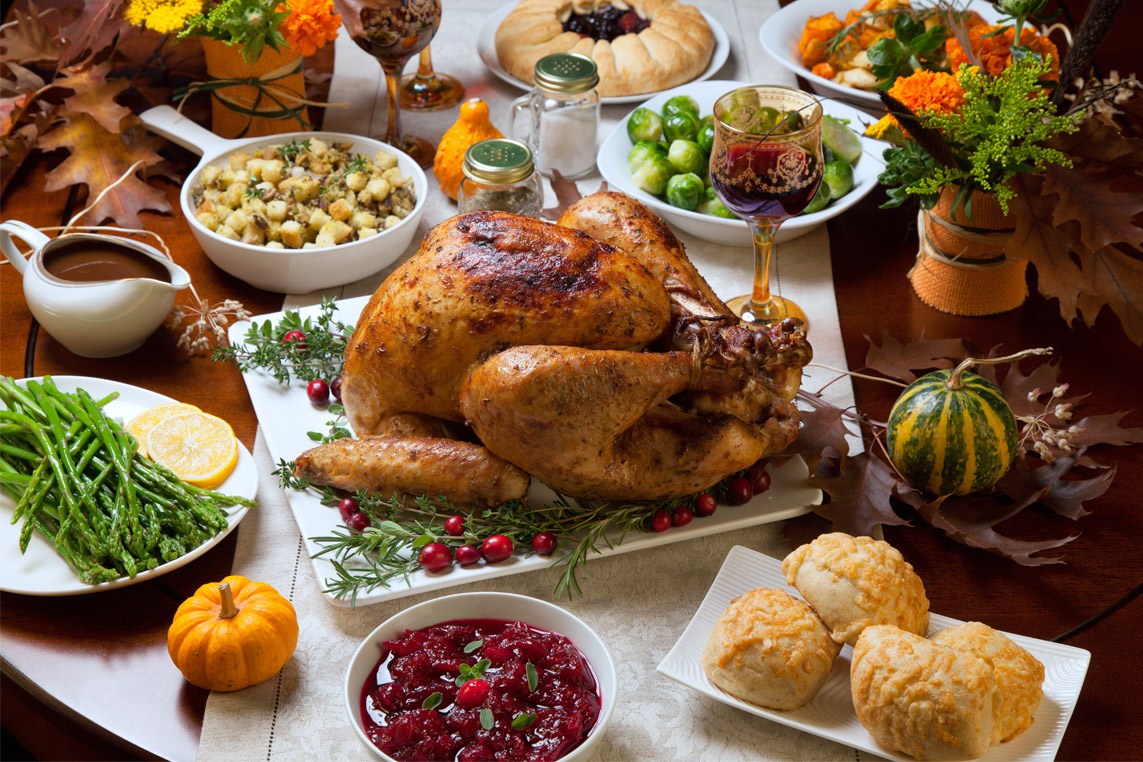
With national recognition came the need for a standardized “brand experience.” This is where the culinary and visual branding truly took shape. The “traditional” foods we associate with Thanksgiving today – roast turkey, cranberry sauce, mashed potatoes, and pumpkin pie – were not part of the 1621 meal but evolved over the 19th and early 20th centuries. These foods became essential “brand assets,” consistently featured in cookbooks, magazines, and family traditions. They offered a predictable and comforting “product line” that consumers could rely on year after year.
Illustrations in popular media, from magazine covers to advertisements, played a crucial role in shaping the “visual identity” of Thanksgiving. These images consistently depicted an idealized family gathering around a laden table, often with a golden-brown turkey as the center-piece. This consistent “marketing collateral” reinforced the holiday’s brand message of warmth, family, and abundance, carefully obscuring the more complex historical realities. The iconic imagery and culinary traditions became the recognizable “logo” and “slogan” of the Thanksgiving brand, easily understood and widely embraced across diverse demographics.
Brand Resonance and Consumer Engagement: The Modern Thanksgiving Experience

Today, the Thanksgiving brand enjoys unparalleled resonance, deeply embedded in the collective consciousness of millions. Its enduring success lies in its ability to foster deep emotional connections and drive significant consumer engagement.
The Emotional Connection: Building Brand Loyalty through Tradition
Thanksgiving is a brand built squarely on emotion. It taps into universal values of family, gratitude, togetherness, and tradition. The anticipation leading up to the holiday, the shared effort in meal preparation, the gathering of loved ones, and the ritualistic consumption of specific foods all contribute to a powerful “customer journey” that reinforces brand loyalty. This emotional connection is far stronger than any purely transactional relationship, transforming consumers into ardent brand advocates who eagerly participate year after year.
The annual repetition of rituals – the parade, the football game, the specific family recipes – creates a sense of continuity and comfort. This predictability is a key feature of a strong brand, offering reassurance and fulfilling expectations. For many, Thanksgiving is not just a holiday; it’s an annual “brand experience” they look forward to, plan for, and cherish, demonstrating profound brand loyalty.
Commercialization and Brand Extensions: From Feast to Festival
A successful brand naturally seeks “brand extensions” and new avenues for engagement. Thanksgiving, while rooted in gratitude, has become a colossal commercial enterprise. The juxtaposition of a day for giving thanks with the frantic consumerism of Black Friday is perhaps its most significant “brand extension.” What began as a solemn day of reflection now serves as the unofficial kickoff to the holiday shopping season, generating billions in retail sales. This shows the brand’s adaptability, morphing from a single feast into a multi-faceted festival of consumption and celebration.
Beyond shopping, Thanksgiving Day parades, particularly the iconic Macy’s Thanksgiving Day Parade, serve as massive “brand activation” events. They draw millions of viewers, offering a spectacle that encapsulates the joy and spirit of the season, effectively extending the Thanksgiving brand beyond the dinner table. Similarly, American football games have become an inseparable part of the Thanksgiving experience, turning the holiday into a branded entertainment event, further diversifying its “product offerings.” These extensions demonstrate the brand’s expansive reach and its ability to integrate into various aspects of modern life.
Re-evaluating the Brand: Diversity, Inclusivity, and Future Narratives
No brand can remain static, particularly one with such deep historical roots. As societal values evolve, so too must the brand narrative. The Thanksgiving brand faces increasing scrutiny regarding its origins and its representation.
Brand Reputation Management: Addressing Historical Nuances
The idealized narrative of harmonious Pilgrim-Wampanoag relations, while powerful as an origin story, often glosses over the complex and often tragic history that followed. For a modern brand to maintain its integrity and “brand reputation,” it must engage with its full history, acknowledging both the positive and challenging aspects. This means embracing a more transparent approach, recognizing the Indigenous perspectives that often portray a very different experience of colonization and its aftermath.
Addressing these historical nuances is a critical aspect of “brand reputation management.” It involves moving beyond simplistic narratives to embrace a more inclusive and historically accurate understanding of the past. Brands that fail to acknowledge their full story risk alienating segments of their audience and appearing out of touch.
Evolving the Brand for New Generations: Relevance and Inclusivity
To maintain its relevance and foster continued “brand loyalty” among diverse and increasingly socially conscious generations, the Thanksgiving brand must evolve. This means moving towards a more inclusive narrative that acknowledges the contributions and experiences of all peoples, not just a select few. The holiday’s core values of gratitude and togetherness remain timeless, but their application and interpretation can expand.
Opportunities exist for new “brand narratives” that highlight diverse traditions of thanks, celebrate multiculturalism, and foster a deeper understanding of American history in its entirety. This evolution can strengthen the brand, making it more resilient and resonant for future generations, ensuring its continued place as a beloved and meaningful cultural institution.
Lessons in Enduring Brand Building from the First Thanksgiving
The “first Thanksgiving meal” offers invaluable insights for any entity seeking to build an enduring brand. Its 400-year journey from a humble harvest feast to a national phenomenon provides a powerful case study in brand development.
The Power of a Founding Narrative: Establishing a Strong Brand Origin Story
The most significant lesson is the unparalleled power of a compelling origin story. The tale of the 1621 gathering, however idealized, established a strong foundational narrative for the Thanksgiving brand. It provided a sense of history, purpose, and shared values that future generations could build upon. Brands that can articulate a clear, resonant origin story often have a distinct advantage in establishing their identity and connecting with their audience on an emotional level. It creates a mythos that transcends mere product features.
Adaptability and Reinvention: Maintaining Brand Relevance Over Time
Finally, the Thanksgiving brand demonstrates the critical importance of adaptability and strategic reinvention. The holiday has successfully evolved its core messaging, culinary offerings, and cultural touchpoints over centuries. From a regional harvest celebration to a national day of unity, and from a simple meal to a commercial spectacle, the brand has consistently found ways to remain relevant and engage new audiences. This ability to adapt while retaining core values is the hallmark of truly enduring brands, ensuring their longevity and continued success in a constantly changing world. The “first Thanksgiving meal” may be a historical event, but its lasting legacy is a masterclass in brand building.
aViewFromTheCave is a participant in the Amazon Services LLC Associates Program, an affiliate advertising program designed to provide a means for sites to earn advertising fees by advertising and linking to Amazon.com. Amazon, the Amazon logo, AmazonSupply, and the AmazonSupply logo are trademarks of Amazon.com, Inc. or its affiliates. As an Amazon Associate we earn affiliate commissions from qualifying purchases.