
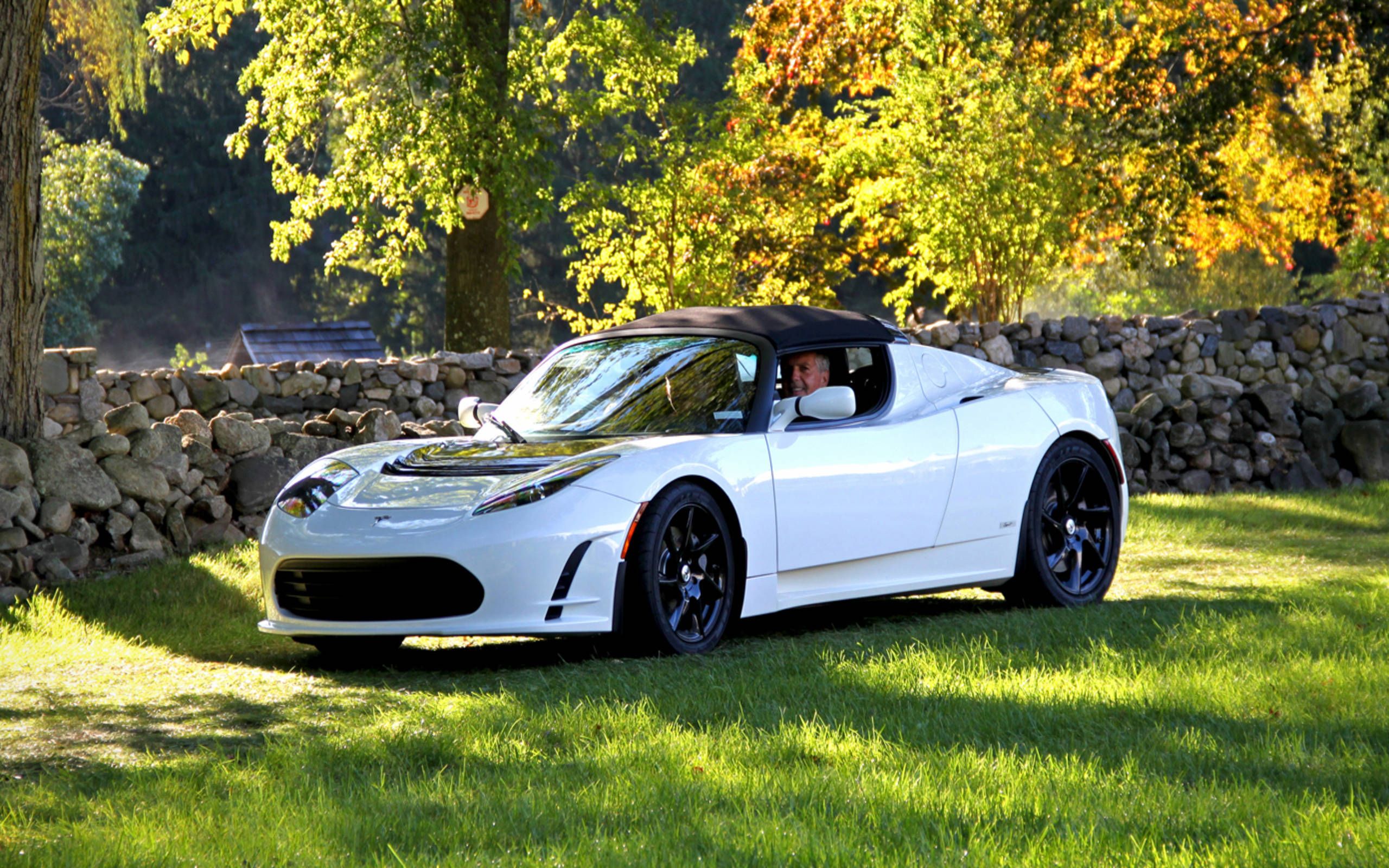
In the early 2000s, the automotive industry viewed the electric vehicle (EV) as little more than a glorified golf cart—slow, aesthetically uninspired, and limited by lead-acid battery technology. The first Tesla car, the original Tesla Roadster, shattered this perception. Released in 2008, the Roadster was not just a vehicle; it was a high-performance technology platform that proved lithium-ion battery cells could power a production car capable of rivaling the world’s most elite internal combustion engine (ICE) sports cars. By merging Silicon Valley’s rapid-prototyping culture with traditional automotive manufacturing, Tesla created a machine that served as the genetic blueprint for every modern EV on the road today.

The Engineering Vision Behind the Original Roadster
The genesis of the Roadster began with a fundamental shift in how engineers approached vehicle propulsion. While traditional automakers were experimenting with hydrogen fuel cells or hybrid systems, the founders of Tesla looked toward the consumer electronics industry for a solution to the “range anxiety” and weight problems that plagued earlier electric prototypes.
The Tzero Inspiration and AC Propulsion
The technological spark for the Roadster came from a hand-built prototype called the tzero, created by AC Propulsion. The tzero demonstrated that using thousands of small lithium-ion laptop batteries could provide enough energy to achieve high speeds and significant range. Tesla’s early engineering team realized that if they could refine this “small-cell” architecture and integrate it into a lightweight chassis, they could create a product that was superior to traditional sports cars in both torque and efficiency.
The Lotus Elise Partnership
Rather than building a car from the ground up—an impossible feat for a startup with limited capital—Tesla entered into a strategic partnership with Lotus Cars. The Roadster utilized the chassis architecture of the Lotus Elise, though the two cars shared fewer than 10% of their components by the time production reached its peak. The aluminum-extruded and bonded chassis of the Elise provided the necessary rigidity and lightweight profile to offset the massive weight of the battery pack. However, the engineering challenge was immense: Tesla had to stretch the chassis and reinforce the frame to accommodate a heavy battery mid-pack while maintaining the “handling-on-rails” characteristic expected of a premium sports car.
Revolutionary Battery Technology: The 18650 Breakthrough
The core technological innovation of the first Tesla car was its Energy Storage System (ESS). At a time when other manufacturers were waiting for “large-format” prismatic cells to be developed specifically for cars, Tesla’s engineers took a radical detour. They decided to use the 18650 form factor—a cylindrical cell commonly found in laptops.
Shifting from Large Format to Small Cell Clusters
The Roadster’s battery pack was a marvel of electrical engineering. It contained 6,831 individual lithium-ion cells, divided into 11 sheets connected in parallel. This design choice was controversial but brilliant. By using thousands of small cells, Tesla could maximize the surface area for cooling and ensure that the failure of a single cell—or even a dozen cells—would not disable the entire vehicle.
This redundant architecture allowed the Roadster to achieve a range of 244 miles per charge, a figure that was unheard of in 2008. It also allowed for a higher energy density, meaning the car could store more power in a smaller footprint than any other battery technology available at the time.
Liquid Cooling and Thermal Management Systems
One of the greatest hurdles in EV technology is heat. High-performance driving and rapid charging generate significant thermal energy, which can degrade lithium-ion cells or lead to thermal runaway. To combat this, Tesla developed a proprietary liquid-cooling system.
Unlike previous electric cars that relied on passive air cooling, the Roadster used a mixture of water and glycol circulated through the battery pack. This ensured that every cell remained within an optimal temperature window, regardless of whether the car was being pushed to its 125 mph top speed or sitting in the scorching sun. This thermal management system became the foundational technology for all subsequent Tesla models and established a new industry standard for battery longevity and safety.
The Power Electronics and Digital Drive System
Beyond the battery, the Roadster’s performance was driven by its Power Electronics Module (PEM) and its unique induction motor. In an era where most cars were purely mechanical systems with limited electronic intervention, the Roadster was a software-defined machine.
The 3-Phase Induction Motor
The Roadster utilized a 3-phase, 4-pole AC induction motor. Unlike the permanent magnet motors found in some modern EVs, the induction motor was prized for its simplicity and its ability to produce massive torque from a standstill. The Roadster’s motor could spin up to 14,000 RPM, delivering peak torque instantly. This resulted in a 0–60 mph time of roughly 3.7 to 3.9 seconds for the later Sport models, a feat that put the Roadster in the same league as contemporary Ferraris and Lamborghinis.
The Challenges of the Transmission
The development of the Roadster’s drivetrain was not without its hurdles. Originally, Tesla intended to use a two-speed manual transmission to balance low-end acceleration with high-end top speeds. However, the instant torque of the electric motor proved too powerful for early gearbox designs, leading to frequent mechanical failures during testing.
In a move that demonstrated Tesla’s agility, the engineering team pivoted to a high-efficiency single-speed fixed gear. By optimizing the motor’s RPM range and the inverter’s power delivery, they were able to achieve both the required acceleration and top-end speed without the complexity of a multi-speed transmission. This “single-speed” approach has since become the dominant architecture for the vast majority of high-performance EVs globally.
The Impact on the Modern Tech Landscape
The first Tesla car was never intended to be a mass-market vehicle. Only about 2,450 units were produced between 2008 and 2012. Instead, the Roadster served as a proof of concept—a “Version 1.0” that funded the development of more affordable and advanced technology.
Proving the Lithium-Ion Concept
Before the Roadster, the prevailing wisdom was that lithium-ion batteries were too volatile and expensive for automotive use. The Roadster proved that with a sophisticated Battery Management System (BMS), these cells could be safely harnessed to provide supercar-level performance. This success triggered a massive shift in global R&D, as legacy automakers realized they could no longer ignore electric propulsion. The “gigafactory” concept and the global push for battery autonomy can all be traced back to the technical success of the Roadster’s 18650 cell clusters.
From Niche Gadget to Mass Market Platform
The Roadster introduced the concept of the “over-the-air” potential, even if it wasn’t as fully realized as it is today. Tesla engineers could plug into the car’s diagnostic ports and tweak the firmware to improve efficiency or fix bugs—a precursor to the wireless software updates that now define the Tesla user experience.
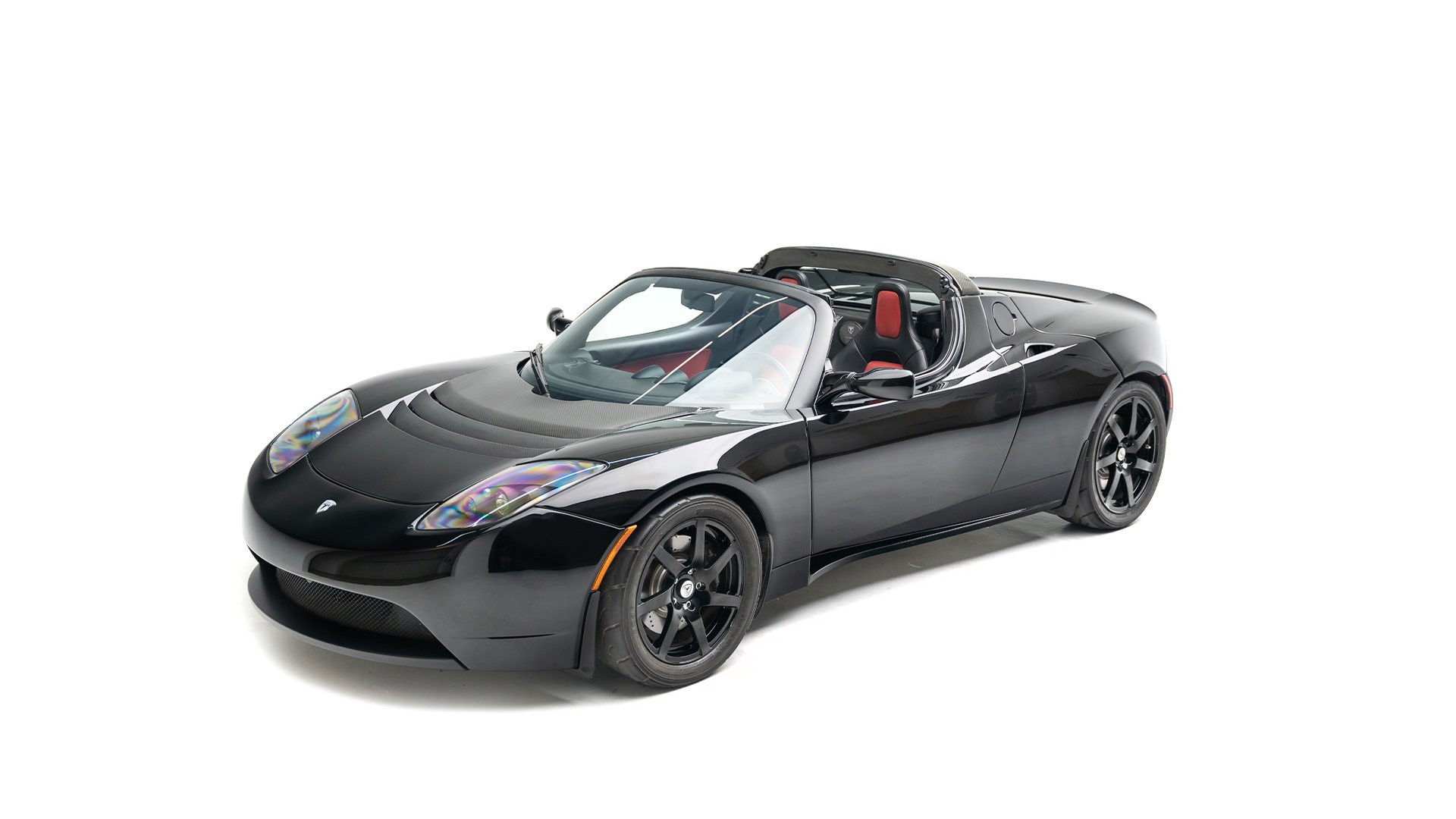
Furthermore, the Roadster utilized carbon fiber body panels to keep weight down, a choice that highlighted the intersection of aerospace materials and automotive design. While the later Model S moved toward aluminum for mass-market scalability, the Roadster’s use of high-tech materials set a precedent for the luxury EV market.
The Roadster’s Lasting Technical Legacy
The first Tesla car was the catalyst for the modern EV revolution. It transitioned the electric car from a niche environmental statement to a desirable piece of high-end technology. By solving the core engineering problems of battery cooling, energy density, and electronic torque management, Tesla’s engineers laid the groundwork for the Model S, Model 3, and the broader electrification of the global transport fleet.
Today, the original Roadster is more than a collector’s item; it is a historical artifact of a technological pivot point. It proved that an electric motor could outperform an internal combustion engine in every metric that mattered to enthusiasts: acceleration, smoothness, and efficiency. As we move toward a future dominated by AI-driven, autonomous, and electric transport, the original Roadster remains the fundamental “gadget” that started it all—the car that proved that the future of mobility would be written in code and powered by electrons.
aViewFromTheCave is a participant in the Amazon Services LLC Associates Program, an affiliate advertising program designed to provide a means for sites to earn advertising fees by advertising and linking to Amazon.com. Amazon, the Amazon logo, AmazonSupply, and the AmazonSupply logo are trademarks of Amazon.com, Inc. or its affiliates. As an Amazon Associate we earn affiliate commissions from qualifying purchases.