
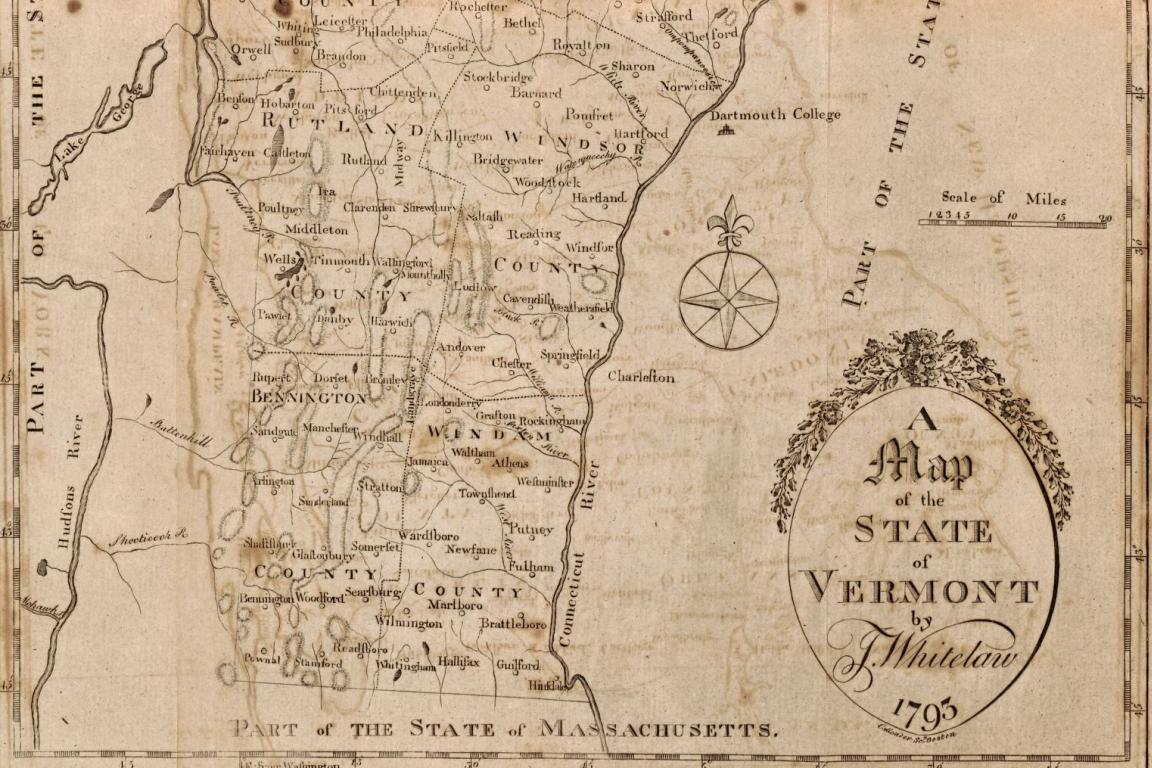
The question of “what was the first state to outlaw slavery” is often treated as a trivia point in high school history classes. However, for those interested in the intersections of money, macroeconomics, and the evolution of labor markets, the answer provides a profound case study in economic transition. When Vermont became the first jurisdiction in North America to abolish slavery in 1777, followed by Pennsylvania’s Gradual Abolition Act of 1780, these states weren’t just making moral declarations—they were navigating a complex shift from a capital-intensive extraction economy to a market-driven labor economy.
To understand the financial implications of these decisions, we must look beyond the moral imperative and analyze the “business of freedom.” The transition from enslaved labor to a free-market system required a total recalibration of how wealth was measured, how risk was managed, and how capital was deployed.
The Financial Landscape of the 18th Century: Capital vs. Conscience
In the late 1700s, human beings were, tragically and literally, treated as capital assets. In many colonies, the primary form of wealth was not held in banks or diversified stocks, but in land and enslaved people. When a state considered outlawing slavery, it was effectively discussing the “liquidation” or “write-off” of a massive class of assets.
The Asset Value of Human Lives
In the pre-abolition era, enslaved individuals were used as collateral for loans, listed as property in probate courts, and formed the backbone of the agricultural production value chain. For a state to outlaw this practice, it had to confront the immediate financial shock to its “investors”—the property owners. This is why the movement toward abolition in the North was often tied to an economic pivot toward industrialization, where the value of skilled, mobile labor began to outweigh the rigid, high-maintenance costs of forced labor.
The Hidden Costs of an Extraction Economy
Economists today often discuss “rent-seeking” and “extractive institutions.” Slavery was the ultimate extractive institution. While it provided high short-term margins for a small elite, it created massive long-term economic drag. It stifled innovation because there was no incentive to automate or improve efficiency when labor was forced. The first states to outlaw slavery recognized—either intuitively or explicitly—that a free labor market creates more “velocity of money.” When workers are paid, they become consumers, fueling a circular economy that benefits the state’s treasury far more than a closed, plantation-style system.
Vermont and Pennsylvania: Pioneering the Transition to a Free Labor Market
While Vermont (then an independent republic) was the first to outlaw slavery in its 1777 constitution, Pennsylvania followed a different financial model in 1780. These two states represent two different approaches to economic restructuring: the “Immediate Pivot” and the “Gradual Phase-out.”
The Vermont Constitution of 1777 and Market Agility
Vermont’s approach was a bold, structural change. By outlawing slavery in its founding documents, Vermont positioned itself as a “start-up” economy based on small-scale land ownership and independent production. This move attracted a specific type of “human capital”—individuals looking for economic autonomy. From a business finance perspective, Vermont’s early stance minimized the “sunk cost” of slavery. By never allowing the institution to become deeply entrenched in its financial systems, Vermont avoided the massive economic disruptions that later plagued the Southern United States during the 19th century.
Pennsylvania’s Gradual Abolition Act (1780) as a Risk Mitigation Strategy
Pennsylvania, which had a more established reliance on enslaved labor than Vermont, chose a “Gradual Abolition” model. This act did not free existing enslaved people immediately but ensured that children born after the act were born free (after a period of indenture). From a modern financial perspective, this was a “glide path” designed to mitigate market shock. It allowed slaveholders to amortize their “investment” over time while signaling to the market that the future of Pennsylvania’s economy lay in free labor. It was a conservative approach to a radical social change, ensuring that the state’s banking and agricultural sectors could adapt without a total collapse of asset values.

Long-term ROI: How Early Abolition Fueled Industrial Wealth
The states that moved first to outlaw slavery saw a long-term return on investment (ROI) that redefined the American economy. By shifting away from a labor system based on coercion, these states paved the way for the Industrial Revolution.
Diversification of Capital
When capital is no longer tied up in the ownership of people, it must find new avenues for growth. In the decades following the outlawing of slavery in the North, we see a massive surge in capital being redirected into infrastructure, shipping, and early manufacturing. The “wealth” of Massachusetts, Connecticut, and Pennsylvania became liquid and diversified. This liquidity allowed for the creation of the first American investment pools and insurance companies, which are the foundations of the modern financial sector.
Innovation and the Incentive Structure of Paid Labor
One of the fundamental principles of business finance is the “incentive structure.” In an enslaved labor system, there is no incentive for the worker to be more efficient or for the owner to innovate. However, in a free labor market, competition drives efficiency. The first states to outlaw slavery became the hubs of American innovation. Patents, manufacturing breakthroughs, and new business models flourished in the North because the economic environment required competition and the optimization of human capital. The “cost of labor” became a line item to be managed through technology and education, rather than a fixed asset to be maintained through force.
Modern Parallels: Investing in Ethical Corporate Governance
The historical shift from slavery to free labor in the late 18th century offers vital lessons for today’s investors and business leaders, particularly in the realm of Environmental, Social, and Governance (ESG) criteria. Just as the first states to outlaw slavery recognized that an unethical system was also an unsustainable economic one, modern investors are realizing that ethical governance is a primary driver of long-term value.
Social Responsibility as a Financial Indicator
Today, we see a similar trend where companies that prioritize fair labor practices and social equity outperform their less-ethical counterparts. The “abolitionist states” were the early adopters of a social governance model that favored long-term stability over short-term extraction. Modern “impact investing” is a direct descendant of this logic. By investing in human potential rather than exploitation, businesses create a more robust consumer base and a more resilient supply chain.
Avoiding “Stranded Assets” in Evolving Legal Landscapes
For the 18th-century slaveholder, their “assets” became “liabilities” as soon as the law changed. This is a classic example of a “stranded asset.” We see this today in the energy sector with carbon-intensive assets, or in companies with poor labor track records that face sudden regulatory crackdowns. The first states to outlaw slavery provided a blueprint for how to exit a dying, unethical business model before it becomes a financial catastrophe. The “smart money” in 1780 was already moving out of human property and into the nascent industries of the future.
Conclusion: The Enduring Value of Economic Liberty
When we ask what was the first state to outlaw slavery, we are looking at the birth of a new economic era. Vermont’s 1777 constitution and Pennsylvania’s 1780 act were the opening salvos in a shift that would eventually lead to the most prosperous economy in human history.
The financial lesson is clear: liberty is not just a moral good; it is an economic powerhouse. The states that led the way in abolition were also the states that led the way in the development of modern banking, manufacturing, and trade. They proved that a society built on the free exchange of labor and the protection of individual rights is fundamentally more stable and profitable than one built on extraction and coercion.
For the modern professional—whether you are an investor, a business owner, or a student of finance—the history of abolition serves as a reminder that ethics and economics are inextricably linked. The first states to outlaw slavery didn’t just change the course of human rights; they laid the groundwork for the modern financial world by proving that the highest ROI comes from the investment in human freedom.
aViewFromTheCave is a participant in the Amazon Services LLC Associates Program, an affiliate advertising program designed to provide a means for sites to earn advertising fees by advertising and linking to Amazon.com. Amazon, the Amazon logo, AmazonSupply, and the AmazonSupply logo are trademarks of Amazon.com, Inc. or its affiliates. As an Amazon Associate we earn affiliate commissions from qualifying purchases.