
The landscape of modern finance, with its intricate web of stock exchanges, brokerage firms, and institutional investors, often feels like a purely contemporary phenomenon. Yet, the fundamental concept of public ownership and shared risk dates back centuries, rooted in the ambitious voyages of explorers and the nascent stirrings of global trade. To understand the genesis of this foundational financial instrument, we must journey back to a time when empires were forged on the high seas and the pursuit of wealth knew no bounds. The answer to the question, “What was the first publicly traded company?” leads us directly to a powerful entity that reshaped global commerce and laid the bedrock for today’s sophisticated capital markets: the Dutch East India Company.
The Dawn of Corporate Finance: Defining Public Trading
Before delving into the specific history, it’s crucial to understand what “publicly traded” truly means. At its core, a publicly traded company is one whose shares are bought and sold on a stock exchange or over-the-counter market. This allows members of the general public to own a piece of the company, sharing in its profits (and losses) and influencing its direction through voting rights. This model contrasts sharply with privately held companies, where ownership is restricted to a small group of individuals, often founders, family members, or a select few investors. The transition from private ventures to public ownership represented a paradigm shift in how businesses were funded, operated, and perceived.
From Private Ventures to Public Ownership
Early commercial ventures were typically funded by wealthy individuals, families, or small groups of merchants pooling their resources. These ventures were high-risk, high-reward propositions, particularly those involving long-distance trade. A single shipwreck or pirate attack could wipe out an entire fortune, leading to financial ruin for the sole proprietor or small partnership. This inherent risk limited the scale and ambition of such enterprises. As the potential for profit grew with the Age of Discovery, so too did the need for larger pools of capital to finance increasingly grander expeditions. The concept of shared ownership began to emerge as a practical solution to distribute risk and gather substantial funds. Initially, this involved limited partnerships for specific voyages, but these were still temporary and dissolved once the voyage concluded. The innovation of a permanent entity, with transferable shares, was yet to come.
The Rationale Behind Going Public
The primary driver for a company to “go public” has always been capital acquisition. To fund massive undertakings – whether building factories, expanding into new markets, or, in the historical context, sending fleets of ships across treacherous oceans – an enormous amount of money is required, often more than any single individual or small group could provide. By issuing shares to the public, a company can tap into a vast pool of individual and institutional investors. In return for their investment, shareholders receive an equity stake, entitling them to a portion of future profits and, crucially, the ability to sell their shares to others, providing liquidity for their investment. This mechanism not only provided the necessary capital but also democratized investment, allowing ordinary citizens to participate, albeit indirectly, in grand commercial endeavors and share in their potential success. It created a powerful incentive structure: investors could profit without directly participating in the day-to-day operations, and companies could scale their ambitions exponentially.
The Pioneering Giant: The Dutch East India Company (VOC)
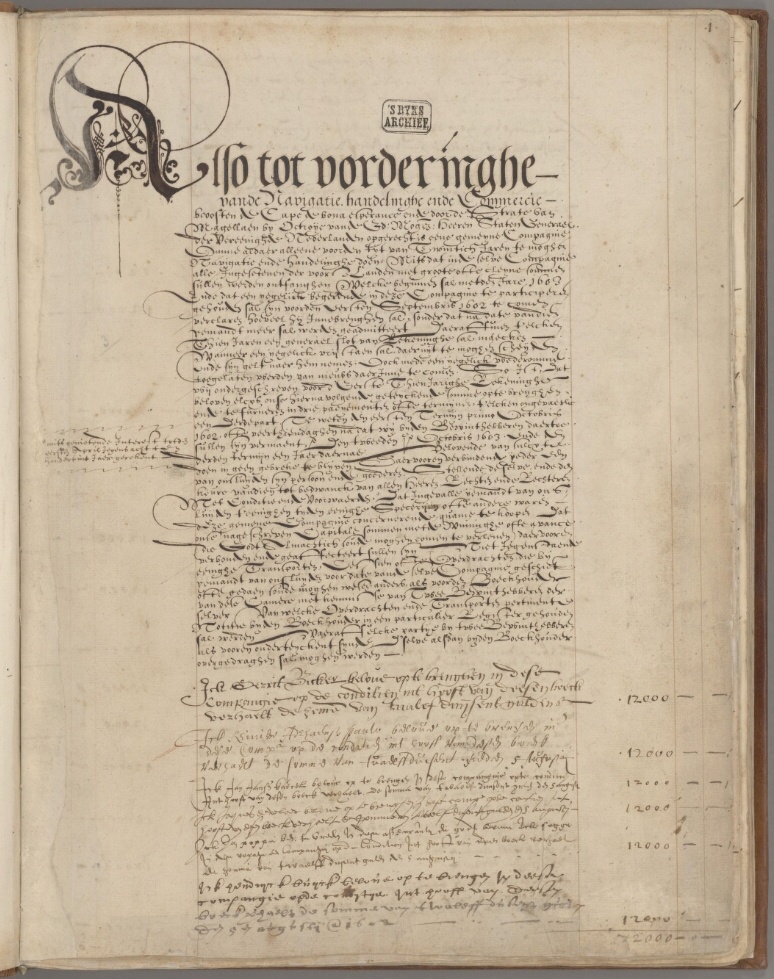
The answer to our titular question unequivocally points to the Vereenigde Oostindindische Compagnie, or the Dutch East India Company (VOC), established in 1602. While other joint-stock companies existed before it (like the English East India Company formed in 1600), the VOC holds the distinction of being the first company to truly issue stock to the general public on a continuous basis, creating a permanent capital structure and a secondary market for its shares. Its formation was a pivotal moment in economic history, marking the birth of modern corporate finance and the stock market as we know it.
A Company Born of Ambition and Risk
The late 16th and early 17th centuries were a period of intense competition among European powers for control over lucrative spice routes from Asia. Dutch merchants, having initially relied on Portuguese middlemen, saw an opportunity to directly access these rich markets. However, individual expeditions were fraught with peril and immense expense. Recognizing the need for a unified, well-capitalized entity to compete with the Spanish, Portuguese, and English, the States-General of the Netherlands, the country’s governing body, granted a charter to the VOC. This charter gave the company a 21-year monopoly on the Dutch spice trade in Asia, along with quasi-governmental powers, including the right to wage war, sign treaties, establish colonies, and mint currency. Such vast powers required an equally vast financial backing.
The Genesis of Shares and Stock Exchanges
To raise the staggering capital required for its ambitious operations – building ships, maintaining armies, and establishing trading posts thousands of miles away – the VOC offered shares to the public. These shares were not just temporary contributions for a single voyage but represented a permanent stake in the company itself. Crucially, these shares were transferable. Investors could buy and sell their shares at any time, providing a level of liquidity previously unheard of. This ability to trade shares created the world’s first true stock exchange, centered in Amsterdam, around the VOC’s headquarters. Investors flocked to purchase shares, ranging from wealthy merchants to common citizens, all eager to partake in the potential riches of the East Indies trade. The VOC was capitalized with 6.5 million guilders, an astronomical sum for the era, raised from over 1,800 investors. This widespread ownership and the continuous trading of shares established the blueprint for all future publicly traded companies.
A Monopolistic Powerhouse and Its Global Reach

For nearly two centuries, the VOC was the largest commercial enterprise in the world. It operated an extensive global network, controlling vast territories, particularly in what is now Indonesia. It commanded huge fleets of ships, employed tens of thousands of people, and engaged in complex geopolitical maneuvering. Its financial success was phenomenal, consistently paying dividends to its shareholders, often in the form of spices or a combination of cash and goods. The VOC effectively pioneered the concept of a multinational corporation, demonstrating the immense power that could be wielded by a well-funded, publicly owned enterprise with a clear, monopolistic mandate. Its influence extended beyond mere trade, shaping global political landscapes, fostering new financial instruments, and driving innovation in shipping and navigation.
The VOC’s Enduring Legacy on Modern Markets
The Dutch East India Company may have dissolved in 1799, a victim of mismanagement, corruption, and changing geopolitical tides, but its legacy is indelibly etched into the fabric of global finance. It proved the viability and power of the publicly traded company model, demonstrating how aggregated capital from numerous investors could fuel enterprises of unprecedented scale and ambition.
Laying the Groundwork for Capital Markets
The VOC’s innovations were not isolated incidents but rather fundamental building blocks. The continuous trading of its shares created the concept of a “secondary market,” where investors could buy and sell existing shares without the company’s direct involvement. This market, facilitated by early stockbrokers and trading floors, allowed for price discovery based on supply and demand, news, and company performance – principles that still govern stock exchanges worldwide. The VOC also established the notion of limited liability for shareholders, meaning an investor’s potential loss was limited to their initial investment, rather than extending to their personal assets. This crucial protection encouraged broader participation, as it mitigated the catastrophic personal risks associated with earlier partnership models. These elements – continuous trading, price discovery, and limited liability – are cornerstones of modern capital markets.
Lessons in Risk, Returns, and Regulation
While highly successful for a long period, the VOC’s history also offers early lessons in the inherent risks and challenges of public companies and unregulated markets. Its shares were subject to speculation, bubbles, and crashes, demonstrating the volatile nature of investment even in its earliest forms. The famous “Tulip Mania” in the Netherlands, though not directly tied to VOC shares, occurred in the same financial environment and served as a stark precursor to later speculative bubbles. The company’s eventual decline highlighted the need for transparency, accountability, and eventually, regulation to protect investors and ensure market integrity. The vast powers granted to the VOC, enabling it to act almost as a sovereign state, also illuminated the potential for unchecked corporate power and the ethical dilemmas inherent in profit-driven ventures operating globally.
The Evolution of Public Markets Beyond the VOC
The success and failures of the Dutch East India Company sparked a wave of similar ventures across Europe, further solidifying the joint-stock company and public trading as the preferred model for large-scale enterprises. The principles pioneered by the VOC were refined, expanded, and eventually codified into the complex financial systems we recognize today.
From Merchant Ventures to Industrial Conglomerates
Following the VOC, public companies diversified from primarily mercantile endeavors to funding industrial expansion during the Industrial Revolution. Railroads, steel mills, mining operations, and later, telegraph and telephone companies all required immense capital, which was efficiently raised through public share offerings. This era saw the establishment of more formalized stock exchanges in London, New York, and other major financial centers, developing robust rules and procedures for trading. The scope of what a publicly traded company could achieve broadened considerably, transforming economies and societies by channeling capital into productive, large-scale ventures. The focus shifted from colonial monopolies to domestic industry and infrastructure, but the mechanism of shared ownership remained the engine of growth.
The Rise of Modern Stock Exchanges and Financial Instruments
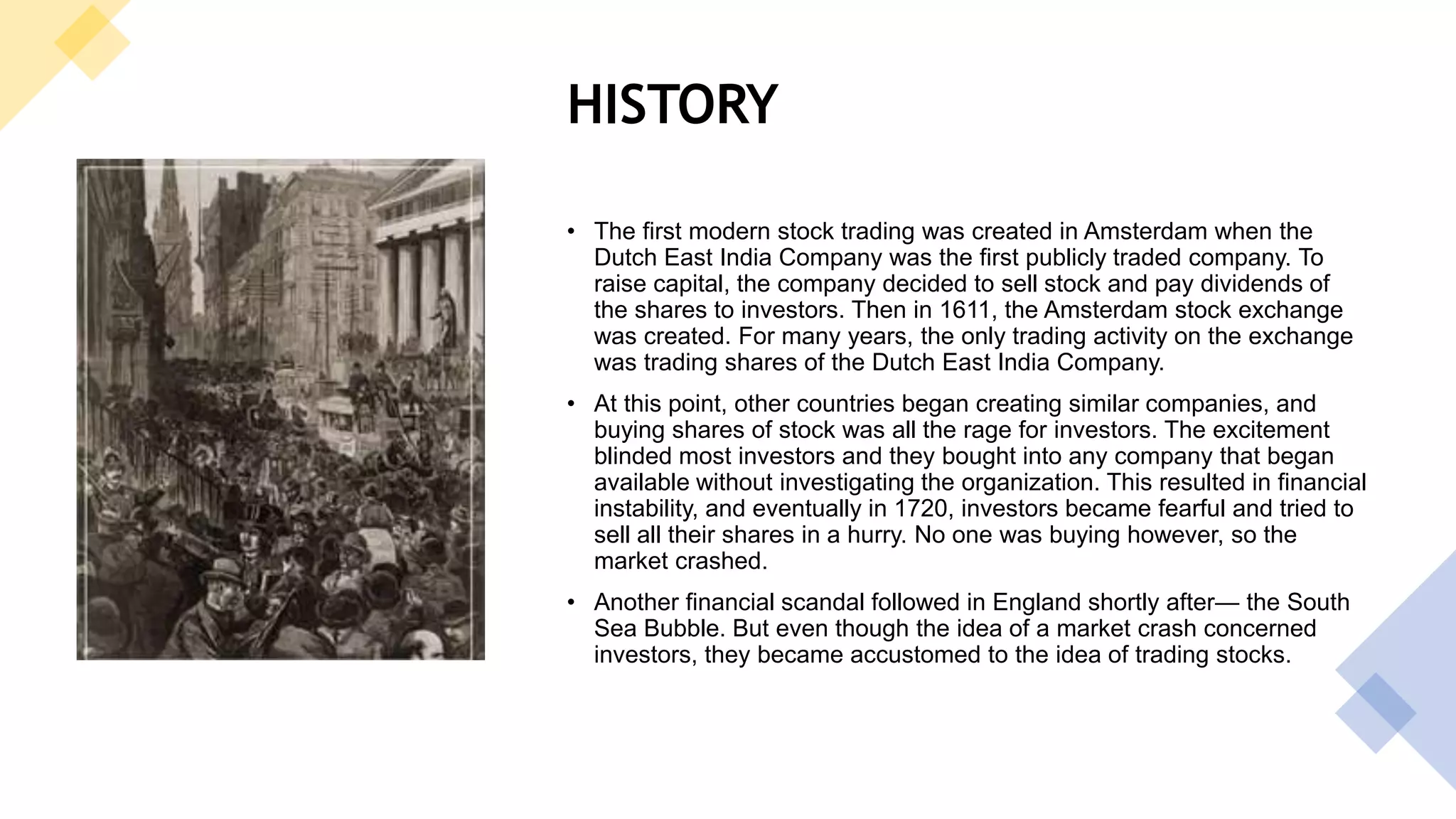
The 20th and 21st centuries have witnessed an explosion in the sophistication of financial markets. Stock exchanges like the New York Stock Exchange (NYSE), Nasdaq, and countless others worldwide have become technological marvels, facilitating billions of trades daily. The simple share certificate has evolved into electronic records, and trading occurs globally at lightning speed. Beyond basic stocks, a vast array of financial instruments has emerged, including bonds, derivatives, mutual funds, and exchange-traded funds (ETFs), all built upon the core principles of capital raising and risk management first explored by the VOC. Regulations have also become far more stringent, with government bodies like the SEC in the United States tasked with protecting investors and ensuring fair, transparent markets, a direct response to the lessons learned from centuries of market evolution.
Public Trading in Today’s Global Economy
Today, publicly traded companies are the backbone of the global economy. From tech giants to pharmaceutical innovators, energy corporations to consumer brands, these entities rely on public markets to fund research and development, expand operations, and navigate economic cycles. Being publicly traded offers benefits such as enhanced liquidity, easier access to capital, increased transparency (due to regulatory requirements), and often a higher public profile. However, it also comes with increased scrutiny, the pressures of quarterly earnings, and the constant balancing act of satisfying shareholders while pursuing long-term strategic goals.
The journey from a single pioneering trading company seeking to dominate the spice routes to the intricate, global financial ecosystem of today is a testament to the enduring power and adaptability of the public trading model. The Dutch East India Company’s bold experiment in corporate finance not only paved the way for modern capitalism but continues to influence how businesses are structured, funded, and valued in an interconnected world. Its story is a powerful reminder that the innovations of the past profoundly shape the financial realities of the present.
aViewFromTheCave is a participant in the Amazon Services LLC Associates Program, an affiliate advertising program designed to provide a means for sites to earn advertising fees by advertising and linking to Amazon.com. Amazon, the Amazon logo, AmazonSupply, and the AmazonSupply logo are trademarks of Amazon.com, Inc. or its affiliates. As an Amazon Associate we earn affiliate commissions from qualifying purchases.