
The quest to pinpoint the “first ever anime” is more complex than it initially appears, akin to tracing the headwaters of a mighty river. While seemingly a simple historical inquiry, it quickly devolves into a fascinating debate about definitions, technological limitations, creative innovation, and the very essence of what constitutes “anime” itself. This journey not only unveils the artistic pioneers of early Japanese animation but also highlights the pivotal roles that technology, branding, and financial acumen played in transforming a nascent art form into a global cultural and economic powerhouse.
Anime, in its modern understanding, is a distinctive style of Japanese animation characterized by vibrant graphics, fantastical themes, and often, futuristic or highly stylized settings. However, its origins predate this contemporary image by many decades, stretching back to the early 20th century. To understand the “first,” we must delve into an era when animation was a fledgling technology, still finding its voice and its audience, both in Japan and across the globe.
Tracing the Dawn of Animation: Precursors to Anime
Before the term “anime” was widely adopted, and certainly before it became a distinct genre, Japanese filmmakers were experimenting with animation techniques inspired by early Western pioneers like Émile Cohl and Winsor McCay. These early ventures were often short, experimental, and produced by individuals with limited resources, yet they laid the groundwork for everything that would follow.
Early Japanese Cinematic Experiments
The earliest known examples of Japanese animation date back to around 1907. While many of these early works are lost to time, historians have uncovered tantalizing fragments that indicate a vibrant, if rudimentary, animation scene. The most famous discovery, dubbed the Katsudō Shashin (literally “Activity Photo” or “Moving Picture”), is a silent, three-second film clip featuring a young boy writing kanji characters on a blackboard. Discovered in 2005, its precise creator and date remain unknown, but it represents a foundational, almost proto-anime, moment. It demonstrates an early understanding of sequential drawing and motion, albeit on a very basic level, showcasing the technological novelty of bringing drawings to life.
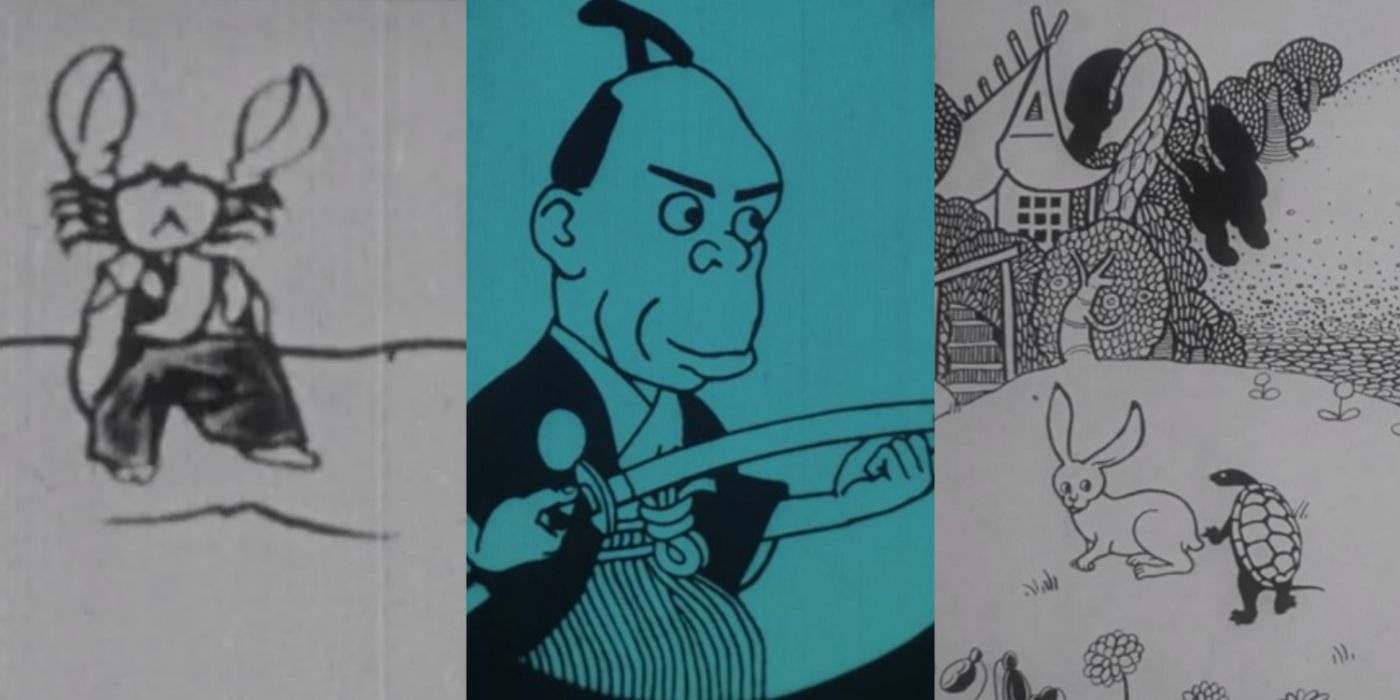
Following this, three figures are often cited as the “fathers” of Japanese animation: Oten Shimokawa, Jun’ichi Kouchi, and Seitaro Kitayama. Their contributions, though modest by today’s standards, were revolutionary for their time, pushing the boundaries of what was achievable with limited celluloid and hand-drawing techniques.
- Oten Shimokawa: A cartoonist who worked for Tokyo Puck magazine, Shimokawa was reportedly commissioned by Tenkatsu production company to create animation. His film, Imokawa Mukuzo Genkanban no Maki (Mukuzo Imokawa the Doorman), released in January 1917, is widely considered one of the very first professionally produced and publicly screened Japanese animated works. Shimokawa’s method involved drawing directly onto the film strips, a challenging and labor-intensive process, highlighting the primitive state of animation technology at the time.
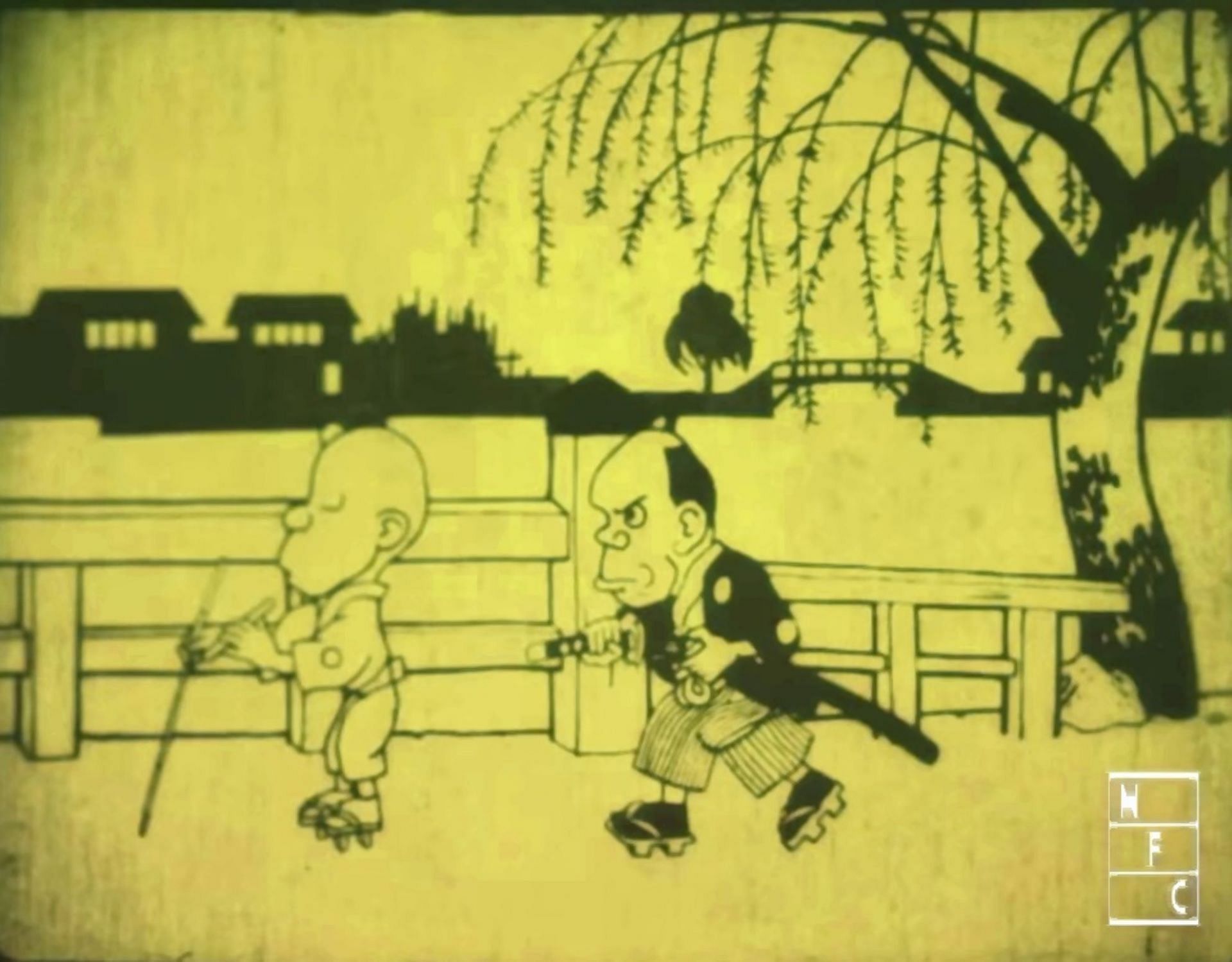
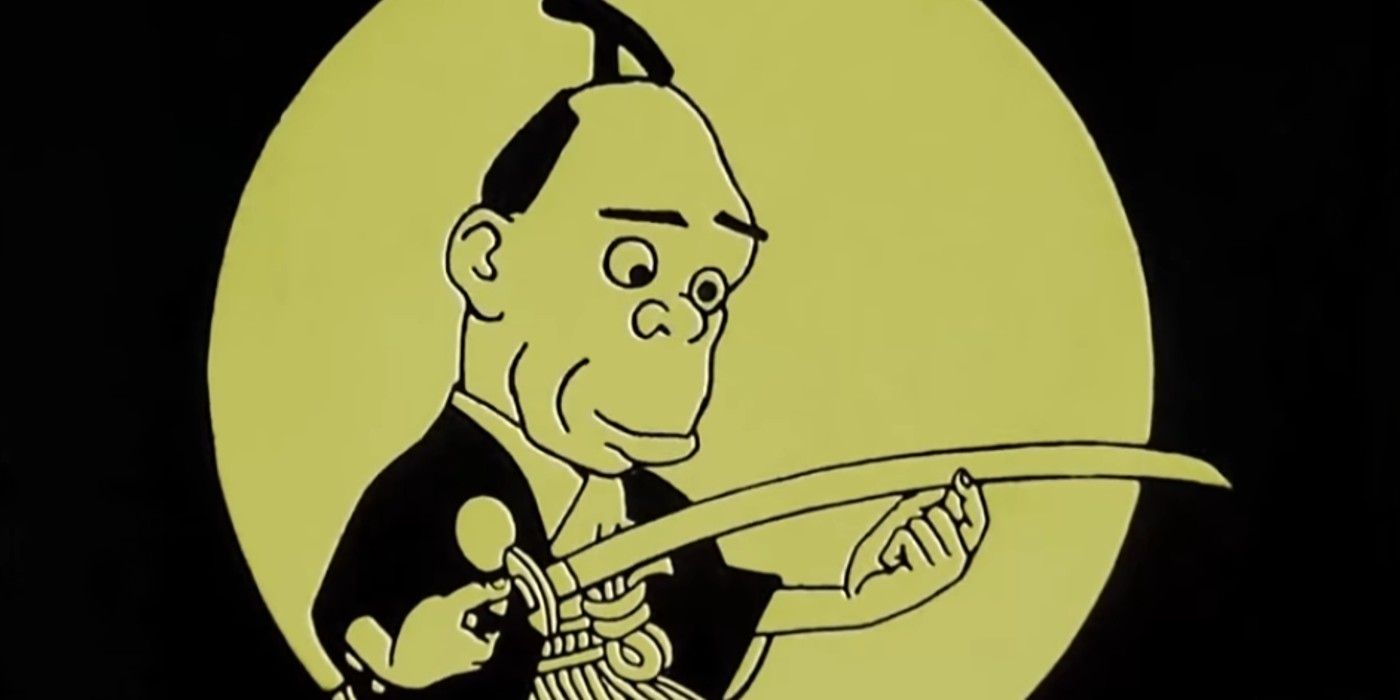
- Jun’ichi Kouchi: A painter and caricaturist, Kouchi also created animated shorts around the same period. His Namakura Gatana (The Dull Sword), also released in 1917, depicts a samurai trying out a new, dull sword, leading to comedic results. Kouchi’s work is notable for its fluid movement and comedic timing, demonstrating a nascent understanding of animation as a storytelling medium. The technical challenge here was synchronization and creating believable motion with a series of static drawings.
- Seitaro Kitayama: A self-taught animator, Kitayama founded Kitayama Eiga Seisakujo, Japan’s first animation studio. His film Urashima Tarō (1918), based on a traditional Japanese folktale, showcased his technique of drawing animation directly onto film with a brush. Kitayama’s approach was more organized, indicating an early attempt at formalizing animation production.
These early works were typically only a few minutes long, often consisting of static backgrounds and moving characters, with rudimentary plots. Yet, they were crucial experiments in leveraging early film technology to create moving images from drawings, marking the true birth of what would eventually become anime.
The Influence of Western Animation and Wartime Production
The trajectory of Japanese animation was significantly influenced by the developments in Western animation, particularly from the United States. Walt Disney’s innovations in cel animation—drawing characters on transparent celluloid sheets and overlaying them on painted backgrounds—revolutionized efficiency and quality. This technique was eventually adopted in Japan, dramatically improving production speed and artistic complexity.
World War II, ironically, also served as a catalyst for the industry. The Japanese government utilized animation for propaganda purposes, funding studios to produce films that instilled patriotism and supported the war effort. Momotaro: Umi no Shinpei (Momotaro, Divine Sailors), released in 1945 by Mitsuyo Seo, stands as the first feature-length Japanese animated film. At 74 minutes, it was an ambitious project, demonstrating the potential for animation to tell complex narratives, even under extreme wartime constraints. This film, though created for propaganda, showcased significant technical advancements and storytelling ambition, marking a critical step towards longer, more elaborate animated productions.
The Contenders for “First Anime” – A Definitional Debate
The question of the “first anime” is less about a single definitive answer and more about how one defines “anime.” Is it the first animated work produced in Japan? The first using a distinctively “anime” style? Or the first to establish the commercial model that would define the industry?
The Short-Form Pioneers
If “first anime” means the absolute earliest animated work created in Japan, then the Katsudō Shashin or the films by Shimokawa, Kouchi, and Kitayama from 1917-1918 are the strongest contenders. They represent the genesis of Japanese animation as a technical and artistic endeavor. Their significance lies in their pioneering spirit and their foundational role, despite their brevity and rudimentary techniques. These works, made with limited budgets and technological tools, represent the very first attempts to leverage motion picture technology for animated storytelling in Japan. They are the initial sparks that ignited a century of innovation.
The Post-War Renaissance and Feature Films
While Momotaro: Umi no Shinpei holds the distinction of being the first feature-length animated film, its wartime context makes it an unusual candidate for “first anime” in the modern sense. The post-war era saw a resurgence in animation, driven by a desire for entertainment and a growing domestic film industry. Toei Animation, established in 1956, became a dominant force, producing films like Hakuja-den (The Tale of the White Serpent, 1958), the first color anime feature film and the first to be widely released internationally. Toei Animation’s systematic approach to studio production and its embrace of color marked a significant leap forward, moving animation from experimental shorts to commercial entertainment. This period saw the standardization of certain production workflows and the introduction of more sophisticated storytelling, demonstrating how organized production could elevate the art form.
Television’s Game Changer: Astro Boy and the Modern Anime Industry
Many argue that the true birth of “anime” as we recognize it today, with its distinct style, commercial model, and global reach, came with the advent of television. And at the heart of this revolution was one man: Osamu Tezuka. Often revered as the “Godfather of Anime,” Tezuka was a prolific manga artist who founded Mushi Production.
In 1963, Tezuka released Tetsuwan Atomu (Astro Boy) for television. This moment is arguably the most critical turning point in defining what “anime” would become. Tezuka, inspired by Disney but also constrained by the tight budgets and schedules of TV production, innovated what became known as “limited animation.” This technique involved reusing frames, animating only key parts of a character, and utilizing static shots to save time and money. While criticized by some, it was a necessary financial innovation that allowed Astro Boy to be produced on a weekly basis, making animation accessible to a mass audience through television.
Astro Boy was an enormous success, both in Japan and when it was exported to the United States. Its distinctive character designs, action-packed storylines, and serialized format captivated viewers. It established the template for the modern anime industry: serialized TV shows, iconic character branding, and a global distribution model. For many, Astro Boy is the de facto “first anime” because it cemented the artistic conventions, production methods, and commercial viability that define the medium today. It wasn’t just an animated show; it was a brand-new economic model for entertainment.
Technology’s Unseen Hand in Anime’s Genesis and Evolution
The history of anime is inextricably linked to technological advancement. From the rudimentary hand-drawn methods of its inception to the sophisticated digital tools of today, technology has consistently shaped how anime is created, distributed, and consumed.
From Hand-Drawn Cells to Digital Pixels: The Tech Evolution
The early pioneers faced immense technological hurdles. Hand-drawing every frame was excruciatingly slow and expensive. The adoption of cel animation, pioneered in the West, was a crucial technological leap. Clear sheets of celluloid allowed animators to draw characters and objects separately from backgrounds, enabling reuse and increasing efficiency. This tech allowed for more complex scenes and character interactions, slowly but surely paving the way for larger productions like Momotaro: Umi no Shinpei.
The mid-to-late 20th century saw improvements in film stock, cameras, and editing equipment, further streamlining the animation process. However, the truly transformative technological shift occurred with the advent of computers. Digital animation software, starting in the late 1980s and flourishing in the 1990s and 2000s, revolutionized the industry. Tools like Toonz, PaintMan, and eventually powerful 3D animation suites, allowed for faster production, more precise coloring, and the integration of CGI (Computer-Generated Imagery). This tech enabled animators to achieve effects and complexities previously impossible, from intricate camera movements to highly detailed fantastical creatures. The transition from physical cels to digital files dramatically reduced storage space, simplified revision processes, and opened up new avenues for creative expression.
The Internet Age: Streaming, AI, and the Future of Anime Production and Distribution
The internet ushered in another technological paradigm shift for anime. Streaming platforms (e.g., Crunchyroll, Netflix, Funimation, Hulu) transformed anime from a niche, often hard-to-access medium into a globally available phenomenon. This distribution technology allowed anime to reach unprecedented audiences, leading to its current worldwide popularity. Digital distribution also enabled simultaneous global releases, reducing piracy and fostering a unified global fandom.
Looking ahead, artificial intelligence (AI) is poised to be the next major technological disruptor. AI tools are already being explored for various aspects of anime production:
- Inbetweening and Cleanup: AI can automate the creation of intermediate frames between key poses, significantly reducing the labor-intensive aspects of 2D animation.
- Coloring: AI algorithms can quickly and consistently color large batches of frames, adhering to style guides.
- Upscaling and Restoration: AI can enhance the resolution of older anime, bringing classic titles to modern screens in stunning quality.
- Content Generation: While controversial, AI-driven tools can assist in generating character designs, background elements, or even script suggestions, potentially accelerating pre-production phases.
- Translation and Dubbing: AI can facilitate faster and more accurate subtitle generation and even AI-driven voice synthesis for dubbing into multiple languages, broadening anime’s international reach even further.
These technological advancements underscore anime’s capacity for adaptation and innovation, constantly leveraging new tools to enhance its craft and expand its global footprint.
The Anime “Brand”: Building a Global Cultural and Economic Juggernaut
Beyond its artistic and technological journey, anime’s rise is a powerful testament to successful branding. From its humble beginnings, it evolved into a distinct cultural “brand” of Japan, and countless individual franchises became global brands in their own right.
Crafting Iconic Narratives: The Art of Anime Branding
The essence of anime branding lies in its ability to craft incredibly diverse and compelling narratives, often paired with distinctive visual styles. Early pioneers like Osamu Tezuka instinctively understood the power of memorable characters and relatable stories. Astro Boy, with its iconic design and themes of heroism and humanity, became a powerful early brand, recognized worldwide. Later, studios like Studio Ghibli, with its unique artistic vision and focus on poignant, handcrafted storytelling, built a brand synonymous with quality and timeless appeal.
Successful anime brands are built on:
- Distinctive Art Style: While diverse, there are recognizable “anime aesthetics” that set it apart.
- Strong Character Design: Characters like Pikachu, Goku, Sailor Moon, or Naruto are instantly recognizable and evoke strong emotional connections.
- Compelling Storytelling: Anime excels at deep narratives, emotional arcs, and genre diversity, from slice-of-life to epic fantasy.
- World-Building: Rich, immersive worlds that captivate audiences and invite further exploration.
- Sound Design and Music: Memorable opening themes and soundtracks become integral to the brand experience.
The evolution of anime branding is a masterclass in establishing corporate identity and leveraging unique selling propositions. It’s not just about an individual show, but often about the entire “media mix”—a deliberate strategy to expand the brand across various forms of media.
Merchandising, Media Mix, and Market Share: The Financial Engine
The financial success of anime is intrinsically tied to its branding strategy, particularly the “media mix” approach. This model, perfected in Japan, involves creating a franchise and then expanding it across manga, TV series, films, video games, music, toys, apparel, and live events. Each extension reinforces the core brand and generates additional revenue streams.
The money generated from merchandising alone is staggering. Iconic anime brands like Pokémon, Dragon Ball, and Gundam have generated billions of dollars from toys, trading cards, and video games. This financial model allows studios to reinvest in new productions, attract top talent, and take creative risks. The value of intellectual property (IP) in anime is immense, with studios carefully managing their brand portfolios to maximize long-term profitability. Licensing agreements for international distribution, streaming rights, and merchandise further multiply these revenue streams, cementing anime’s status as a major player in the global entertainment market.
The Business of Imagination: Money, Investment, and the Anime Economy
The story of anime is also a story of finance – of early struggles for funding, innovative business models, and the immense global economic impact it now commands.
Funding the Dream: Early Investments and Modern Financial Models
In the early days, anime production was often a shoestring operation. Pioneers like Shimokawa and Kouchi worked with minimal resources, reflecting the nascent stage of the industry. Osamu Tezuka’s limited animation technique for Astro Boy was a direct response to the financial constraints of television production, demonstrating how budgetary limitations can drive innovation. He essentially created a sustainable financial model for episodic animation.
Today, the financial landscape is vastly more complex. Anime production is expensive, with a single episode of a high-quality TV series costing hundreds of thousands of dollars. Funding typically comes from a combination of sources:
- Production Committees: A common model where multiple companies (broadcasters, manga publishers, toy manufacturers, music labels) pool resources, sharing both the risks and potential profits. This aligns various stakeholders who benefit from the success of the anime.
- Licensing Fees: Pre-selling international distribution rights and streaming licenses provides upfront capital.
- Merchandising Revenue: As discussed, this is a huge driver of long-term profitability and often funds subsequent seasons or related projects.
- Crowdfunding: Increasingly, fans directly contribute to funding niche projects or independent animators, fostering a direct connection between creators and their audience.
- International Co-productions: Collaborations with foreign studios or platforms (e.g., Netflix funding original anime) provide significant investment and global reach.
These financial tools allow the anime industry to fuel continuous creation, supporting thousands of animators, writers, directors, and technical staff.
The Global Market: Revenue Streams and Economic Impact
The global anime market is a multi-billion dollar industry, experiencing consistent growth. Its revenue streams are diverse and robust:
- Streaming Subscriptions and Ad Revenue: Platforms like Crunchyroll and Netflix rely heavily on anime to attract and retain subscribers.
- Box Office for Films: Anime films, from Studio Ghibli classics to modern blockbusters like Demon Slayer: Mugen Train, frequently break box office records globally.
- Home Video Sales: Blu-rays and DVDs, especially limited editions, remain a significant revenue source for dedicated fans.
- Merchandise and Licensing: The largest component, encompassing everything from figures and apparel to video games and theme park attractions.
- Music: Anime soundtracks and character songs are a thriving market, with concerts and album sales.
- Manga Sales: The source material often benefits immensely from a successful anime adaptation, creating a virtuous economic cycle.
The economic impact extends beyond direct revenue. Anime influences fashion, art, tourism (pilgrimages to real-world locations featured in anime), and cultural exchange, making it a powerful soft power asset for Japan. The industry supports countless direct and indirect jobs, from animators and voice actors to marketing specialists and online content creators discussing anime (side hustles and online income generation).
Conclusion: A Century of Imagination and Innovation
So, what was the first ever anime? The answer remains nuanced. If strictly defined by initial cinematic animation in Japan, the honors likely go to the elusive Katsudō Shashin or the pioneering works of Shimokawa, Kouchi, and Kitayama from 1917. If defined by the first feature-length film, Momotaro: Umi no Shinpei holds the title. However, if we consider “anime” as the foundational blueprint for the modern, stylized, serialized, and globally successful entertainment medium, then Osamu Tezuka’s Astro Boy in 1963 stands as the undisputed turning point.
Regardless of the precise historical pinpoint, the journey of anime from rudimentary hand-drawn experiments to a global cultural phenomenon is a testament to persistent innovation. It’s a narrative shaped not only by artistic vision but also by critical technological advancements – from cel animation to digital tools and now AI – and by astute business strategies, particularly in branding, merchandising, and financial structuring. Anime’s ability to adapt, to leverage new technologies, and to cultivate a loyal global fanbase, highlights its enduring power as a unique blend of art, technology, brand, and commerce. The first anime may be debatable, but its legacy is undeniably profound and continues to evolve with every passing year.
aViewFromTheCave is a participant in the Amazon Services LLC Associates Program, an affiliate advertising program designed to provide a means for sites to earn advertising fees by advertising and linking to Amazon.com. Amazon, the Amazon logo, AmazonSupply, and the AmazonSupply logo are trademarks of Amazon.com, Inc. or its affiliates. As an Amazon Associate we earn affiliate commissions from qualifying purchases.