
The question of “what was the first dog on earth” has transitioned from a purely archaeological curiosity to one of the most complex challenges in modern computational biology and genetic sequencing. For decades, the origin of Canis lupus familiaris remained a mystery, buried under layers of frozen permafrost and shifting fossil records. However, through the lens of emerging technology—specifically high-throughput genomic sequencing, artificial intelligence, and advanced carbon dating—we have finally begun to decode the digital blueprint of the world’s first domesticated animal.
This article explores the intersection of technology and paleontology, detailing the sophisticated tools used to trace the evolution of the dog back to its prehistoric roots.
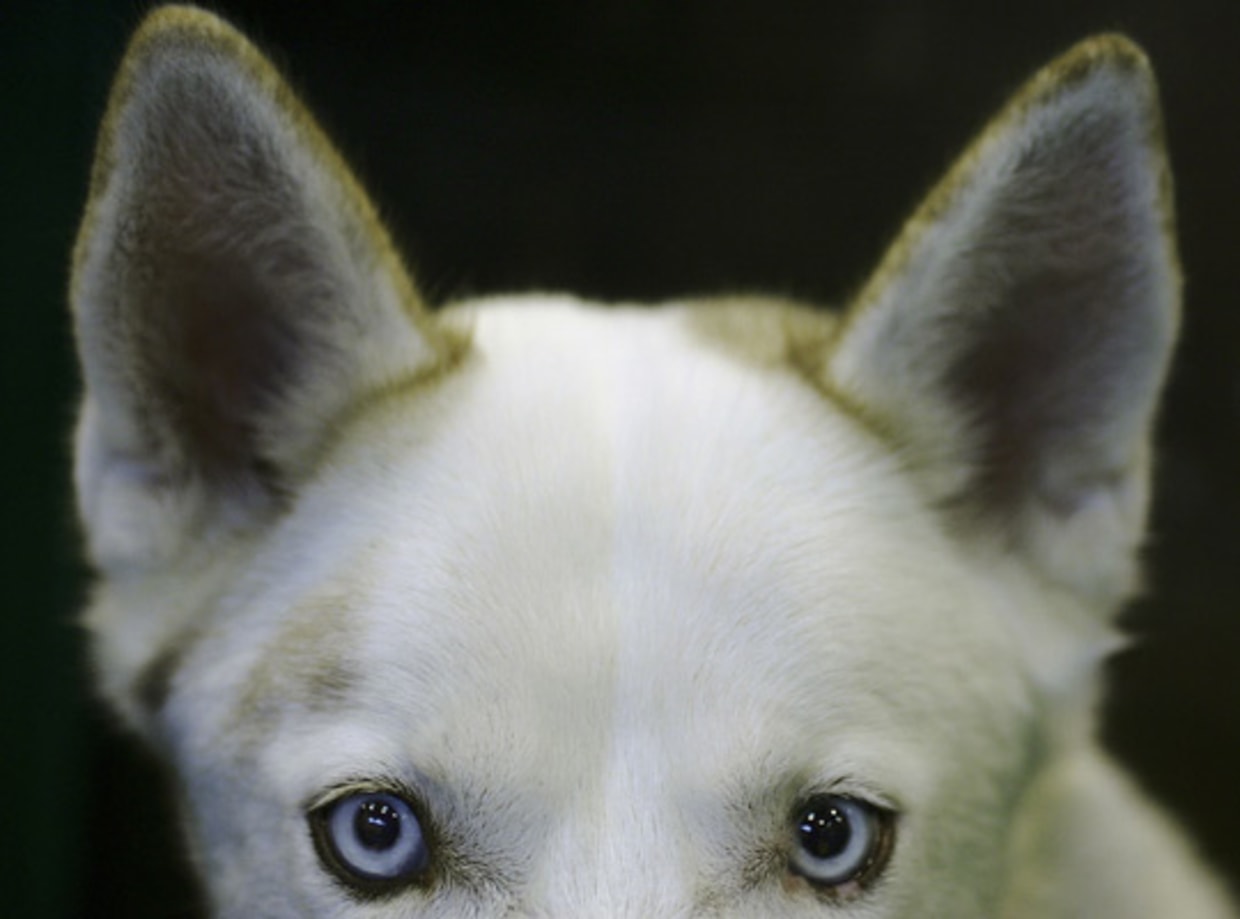
Decoding the Paleolithic Blueprint: High-Throughput Sequencing and Ancient DNA
To identify the first dog, scientists had to move beyond visual inspections of bone fragments and delve into the code of life. Ancient DNA (aDNA) technology has undergone a revolution in the last decade, allowing researchers to sequence genomes that are tens of thousands of years old.
Next-Generation Sequencing (NGS) and Fragmented Data
The primary hurdle in identifying the first dog is that DNA degrades over time. When a wolf-dog hybrid died 30,000 years ago in the Altai Mountains or the European plains, its DNA began to break into billions of tiny, chemically altered fragments. Traditional sequencing methods were insufficient for this level of degradation.
Enter Next-Generation Sequencing (NGS). NGS platforms allow for the simultaneous processing of millions of DNA fragments. By using specialized algorithms to “map” these fragments against a reference genome of a modern wolf or dog, bioinformaticians can rebuild the ancient genome with remarkable accuracy. This tech has allowed us to identify specific genetic markers that distinguish the “first dog” from its wild ancestors, specifically highlighting the Taimyr wolf lineage found in Northern Siberia.
The Breakthrough in Biological Data Processing
Processing the raw data from a single ancient canine tooth requires massive computational power. We are no longer looking at a single strand of DNA but at terabytes of data that represent the evolutionary divergence points. Technology such as cloud computing and distributed processing has enabled labs across the globe to collaborate on these datasets. By comparing the genetic signatures of 27 ancient dog genomes simultaneously, researchers utilized high-performance computing (HPC) clusters to determine that dogs were likely domesticated from a now-extinct population of Gray Wolves between 15,000 and 30,000 years ago.
Artificial Intelligence and Evolutionary Mapping
While sequencing provides the data, Artificial Intelligence (AI) provides the insight. The transition from wolf to dog was not a single event but a gradual evolutionary shift. Distinguishing a “proto-dog” from a “late-stage wolf” via skeletal remains is notoriously difficult for the human eye.
Machine Learning in Zooarchaeology
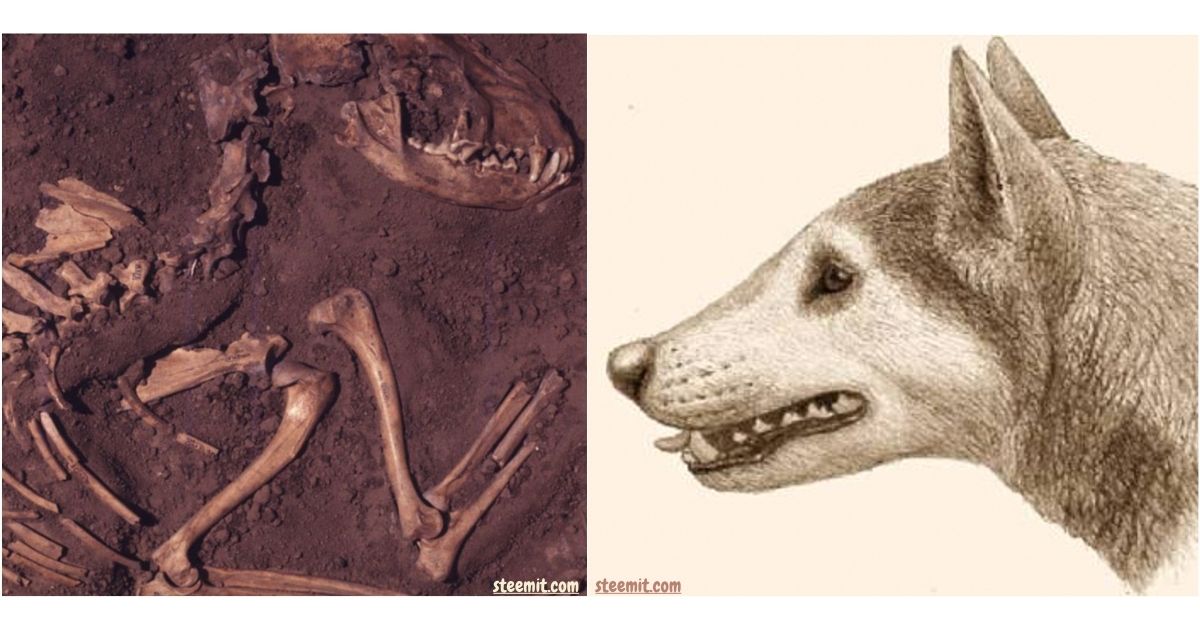
To solve the identification crisis, researchers have deployed machine learning (ML) models trained on thousands of 3D scans of modern and ancient canine skulls. These AI models can detect subtle morphological changes—such as the shortening of the snout or the crowding of premolars—that indicate the earliest stages of domestication.
By applying “Deep Learning” to fossil records, AI has identified a 33,000-year-old skull from the Altai Mountains as a potential candidate for one of the first “dog-like” creatures. While DNA later suggested this specific lineage might have been an evolutionary dead end, the AI’s ability to categorize specimens based on “domestication probability” has redefined how we view the timeline of the first dog.
Predictive Modeling of Domestication Pathways
AI doesn’t just look at the past; it simulates the conditions of the past. Using environmental data, researchers have created predictive models that simulate how early humans and wolves interacted during the Last Glacial Maximum. These “agent-based models” use algorithms to track how a population of wolves might have evolved “tameness” genes over several generations when exposed to human encampments. This tech-driven simulation supports the theory that the first dog wasn’t “created” by humans but was the result of a self-domestication process driven by ecological pressures.
From Radiocarbon Dating to 3D Scans: The Hardware of Discovery
The search for the first dog relies heavily on the physical hardware of modern laboratory science. Without precise dating and non-invasive imaging, the “first dog” would remain a myth.
Accelerator Mass Spectrometry (AMS) Carbon Dating
In the past, carbon dating required large samples of bone, which meant destroying precious fossils. Modern Accelerator Mass Spectrometry (AMS) tech allows scientists to date a specimen using a sample no larger than a grain of rice. This precision is vital when trying to distinguish whether a “first dog” candidate is 14,000 years old (undisputed dog) or 30,000 years old (potential proto-dog). The hardware used in AMS measures the carbon isotopes at an atomic level, providing a chronological precision that was impossible twenty years ago.
Digitizing the First Canine with Micro-CT Scanning
To share findings globally without risking damage to rare fossils, researchers use Micro-Computed Tomography (Micro-CT) scanning. This tech creates a high-resolution, 3D digital “twin” of a fossil. These digital models allow scientists in London, New York, and Beijing to examine the inner ear structure or brain cavity of a 15,000-year-old specimen simultaneously.
By analyzing the internal density of bones through these scans, researchers can detect signs of nutritional changes or stress, which indicate that the animal was being fed by humans rather than hunting for itself. This digital evidence is often the “smoking gun” that proves a specimen is a dog and not a wolf.
The Intersection of Tech and Biology: What the “First Dog” Teaches Us About Future Bio-Innovation
The technology used to find the first dog has implications far beyond the history of pets. The techniques developed for ancient canine genomics are now being applied to modern biotechnology and medicine.
CRISPR and the Genetic Architecture of Behavior
By identifying the specific genes that changed during the transition to the first dog—such as the GTF2I and GTF2IRD1 genes associated with hypersociability—scientists are gaining insights into the genetic basis of social behavior. Using CRISPR-Cas9 gene-editing technology, researchers can study these “dog genes” in controlled environments to understand how behavioral traits are hard-coded into DNA. This has massive implications for understanding human conditions like Williams-Beuren syndrome and other neurodevelopmental traits.
Zoonotic Tracking and Digital Epidemiology
The “first dog” was the first animal to move into the human “bio-bubble.” This transition introduced a host of new pathogens to human populations. By using the same sequencing tech that identified the first dog, epidemiologists can track the evolution of zoonotic diseases. Understanding how the first dog’s microbiome and viral load adapted to human proximity provides a roadmap for predicting how modern viruses might jump from animals to humans in the future.
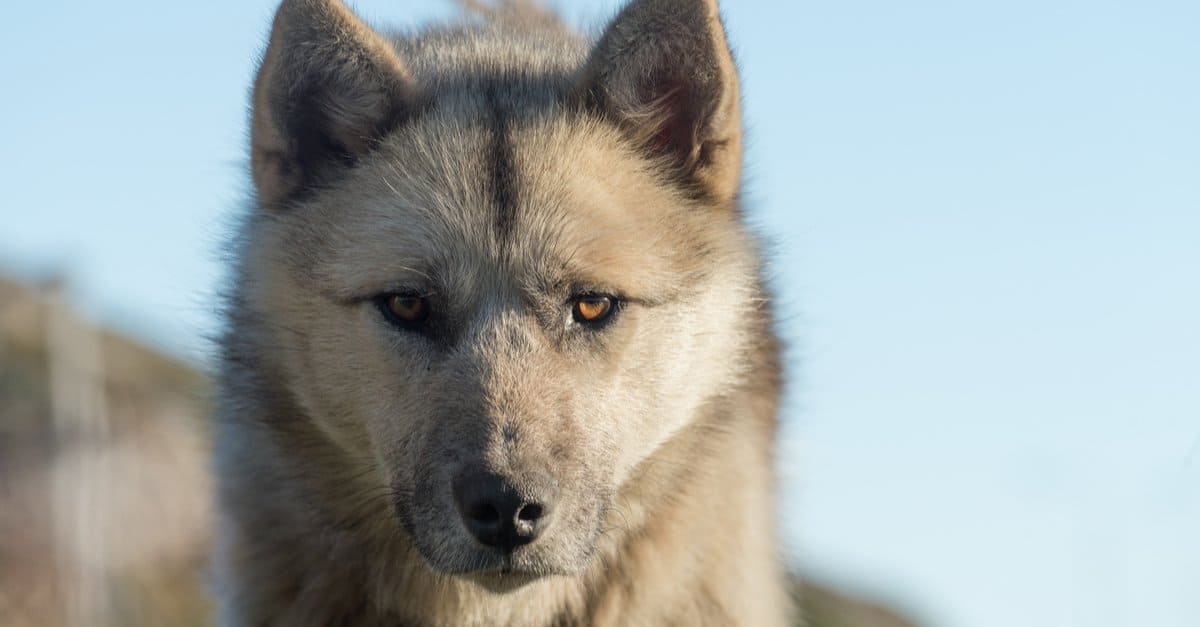
Conclusion: The First Dog as a Data Point
The answer to “what was the first dog on earth” is no longer just a name like the “Bonn-Oberkassel dog” or the “Altai canine.” Instead, the first dog is a complex dataset—a culmination of genomic sequences, radiocarbon timestamps, and 3D morphological scans.
Through the power of technology, we have learned that the first dog was likely a specialized lineage of wolf that capitalized on a new ecological niche: the human campfire. This discovery was made possible not just by shovels and brushes, but by the relentless advancement of software, AI, and digital imaging. As our technological tools continue to evolve, we may soon find that the “first dog” was even older than we currently imagine, waiting to be discovered within a yet-to-be-sequenced fragment of ancient bone. The story of the dog is, in many ways, the story of human technological progress—a journey from the first stone tool to the latest AI algorithm.
aViewFromTheCave is a participant in the Amazon Services LLC Associates Program, an affiliate advertising program designed to provide a means for sites to earn advertising fees by advertising and linking to Amazon.com. Amazon, the Amazon logo, AmazonSupply, and the AmazonSupply logo are trademarks of Amazon.com, Inc. or its affiliates. As an Amazon Associate we earn affiliate commissions from qualifying purchases.