
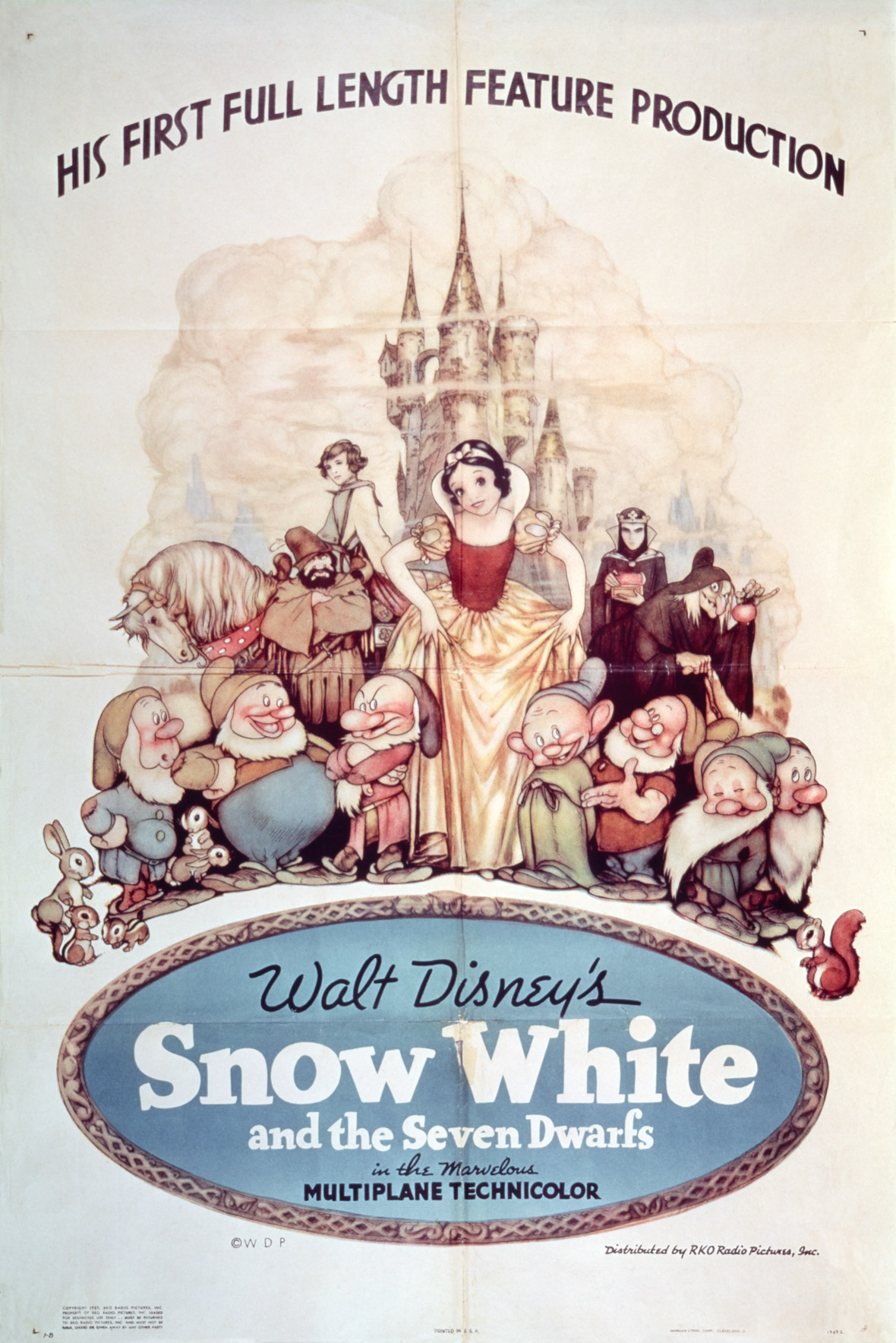
When we ask, “What was the first Disney movie ever?” the answer is frequently misunderstood. While Walt Disney had been producing short-form content and “Silly Symphonies” since the 1920s, the true milestone that birthed the modern Disney brand was the 1937 release of Snow White and the Seven Dwarfs. It was the first full-length cel-animated feature film in history, and more importantly, it was the strategic cornerstone upon which a global media empire was constructed.
From a brand strategy perspective, Snow White was not merely a cinematic experiment; it was a masterclass in corporate identity, risk management, and narrative-driven marketing. To understand the Disney of today—a brand synonymous with magic, quality, and nostalgia—one must look back at how this single film established the foundational pillars of the company’s brand equity.
Beyond Snow White: The Strategic Foundation of the Disney Identity
In the mid-1930s, the animation industry was largely considered a medium for short-form comedy, often relegated to “filler” content before live-action features. Walt Disney’s decision to produce a feature-length animated film was met with significant industry skepticism. It was famously dubbed “Disney’s Folly.” However, this “folly” represents one of the most successful brand pivots in corporate history.
Challenging the Status Quo: Why “Disney’s Folly” Was a Calculated Brand Risk
Brand leadership often requires the courage to move against market sentiment. At the time, critics believed that audiences would not sit through 80 minutes of animation, claiming the bright colors would hurt their eyes and the medium lacked the emotional depth to sustain interest.
Disney’s strategy was to elevate animation from a “gag-based” medium to a “narrative-based” art form. By investing heavily in character development and psychological realism, Walt Disney was not just making a movie; he was rebranding animation as a premium storytelling vehicle. This shift allowed the Disney brand to occupy a unique space in the market: the intersection of high-art aesthetics and mass-market accessibility.
The Birth of Narrative-Driven Marketing
Before Snow White, film marketing was largely transactional. Disney changed this by leveraging the emotional resonance of the story to build a lasting brand connection. The company focused on “humanizing” its characters, ensuring that Snow White, the Evil Queen, and the Seven Dwarfs felt like relatable archetypes rather than flat drawings. This approach created a “brand halo” effect—if audiences loved the characters, they would trust the Disney name for future experiences. This was the beginning of the “Disney Promise”: a guarantee of emotional satisfaction and family-friendly quality.
The Visual Language of Magic: Establishing the Disney Aesthetic
A brand’s visual identity is its most immediate point of contact with the consumer. With Snow White, Disney established a visual “DNA” that remains recognizable nearly a century later. The film pioneered techniques that defined the “Disney Look”—a style characterized by fluidity, depth, and a vibrant yet sophisticated color palette.
Technicolor and the Mastery of Emotional Palette
Disney’s exclusive contract with Technicolor for its early shorts was a brilliant brand move, ensuring that their content literally looked more vibrant than the competition. For Snow White, the use of color was strategic rather than purely aesthetic. The brand used a muted, storybook-inspired palette for the backgrounds to make the characters pop, creating a sense of immersion.
In branding, consistency in visual language is key. The “Disney Look” became a shorthand for quality. When consumers saw those specific saturations and character designs, they knew they were engaging with a Disney product. This visual consistency laid the groundwork for the brand’s expansion into theme parks and consumer products, where the “look” of the films had to be replicated in the physical world.

Humanizing Animation: Character Depth as a Brand Pillar
The Disney brand is built on the concept of “The Illusion of Life.” During the production of the first feature, Disney animators were famously sent to art classes to study human anatomy and movement. This investment in craftsmanship was a strategic brand differentiator. By moving away from “rubber hose” animation toward a more grounded, realistic style, Disney positioned itself as a sophisticated studio. This commitment to excellence became a core brand value, signaling to the audience that Disney was a premium provider of entertainment.
From Feature Film to Franchise Ecosystem
The release of Snow White in 1937 marked the first time a film was treated as a holistic brand ecosystem rather than a standalone product. Disney understood that the “brand” of Snow White could exist outside the walls of the theater.
The Template for Integrated Intellectual Property (IP)
Long before the term “synergy” became a corporate buzzword, Disney was practicing it. The launch of the first Disney movie was accompanied by an unprecedented merchandising campaign. Dolls, books, and household goods were released to coincide with the film. This wasn’t just about additional revenue; it was about brand saturation.
By placing Disney characters in the homes of consumers, the brand became part of the family’s daily life. This integrated approach to IP (Intellectual Property) management became the blueprint for every major media franchise that followed. It transformed the movie from a one-time viewing experience into a multi-sensory brand relationship.
Cultural Resonance: Curating a Global Legacy
Snow White was translated into dozens of languages and distributed globally, a massive undertaking at the time. This international expansion was a deliberate move to establish Disney as a global brand. The stories Walt chose were often based on European folklore, which provided a sense of “pre-sold” familiarity. This strategic selection of stories allowed the brand to scale quickly across different cultures, anchoring the Disney identity in the concept of “timeless storytelling.”
The Long-Term ROI of Brand Consistency
Looking back at the first Disney movie through the lens of modern brand management, it is clear that Snow White was the initial deposit into what would become the world’s most significant “brand equity” bank. The film set standards for quality, storytelling, and innovation that the company continues to reference today.
Preserving the Core While Evolving the Form
One of Disney’s greatest brand strengths is its ability to balance “Continuity” with “Evolution.” While the technology has shifted from hand-drawn cels to 3D CGI and AR experiences, the brand pillars established in 1937—character-driven plots, musical integration, and a focus on “magic”—remain unchanged.
The first Disney movie also introduced the concept of the “Disney Vault.” By periodically re-releasing Snow White for new generations, the brand managed its scarcity and maintained its relevance. This strategy turned a single product into a perpetual asset, proving that a well-managed brand can transcend the lifecycle of its original technology.

Modern Implications: The 1937 Blueprint in a Digital Age
Today, as Disney navigates the complexities of streaming services like Disney+ and the acquisition of massive IPs like Marvel and Star Wars, the lessons of Snow White are more relevant than ever. The first Disney movie taught the company that characters are the brand’s greatest assets.
Whether it is a princess from 1937 or a superhero from 2024, the branding strategy remains the same: create a deep emotional connection, maintain a high standard of visual excellence, and surround the consumer with a consistent ecosystem of products and experiences.
In conclusion, the answer to “What was the first Disney movie ever?” is more than a piece of film trivia. It is the story of a brand that dared to redefine an entire industry. Snow White and the Seven Dwarfs was the spark that ignited the Disney brand, proving that with a clear vision and a commitment to quality, a single story can build a kingdom that lasts for centuries. The strategic decisions made during the production of that first feature continue to guide the Disney brand, ensuring that its legacy of “magic” remains a potent force in the global marketplace.
aViewFromTheCave is a participant in the Amazon Services LLC Associates Program, an affiliate advertising program designed to provide a means for sites to earn advertising fees by advertising and linking to Amazon.com. Amazon, the Amazon logo, AmazonSupply, and the AmazonSupply logo are trademarks of Amazon.com, Inc. or its affiliates. As an Amazon Associate we earn affiliate commissions from qualifying purchases.