
The modern chainsaw is a staple of industrial hardware, a rugged gadget synonymous with forestry, construction, and disaster relief. To the uninitiated, it represents the pinnacle of handheld mechanical power. However, the technological lineage of this tool is far more complex—and significantly more clinical—than its current role in the woods would suggest. When we examine the question of what the first chainsaw was used for, we uncover a fascinating narrative of medical technology, mechanical engineering, and the eventual pivot toward industrial dominance.
In the realm of tech history, few tools have undergone such a radical transformation. The chainsaw began not as a means to fell giant redwoods, but as a precision surgical instrument designed to save lives in the delivery room. This article explores the mechanical evolution of the chainsaw, from its surgical origins to the high-tech, battery-operated gadgets used today.
The Surgical Genesis: A Technological Solution for Childbirth
Long before the internal combustion engine revolutionized manual labor, the medical field was searching for technological solutions to the complexities of obstructed labor. In the late 18th century, before the widespread adoption of the Cesarean section, doctors utilized a procedure called a symphysiotomy. This involved cutting through the cartilage and bone of the pelvic area to widen the birth canal.
The Osteotome and Early Bone-Cutting Tech
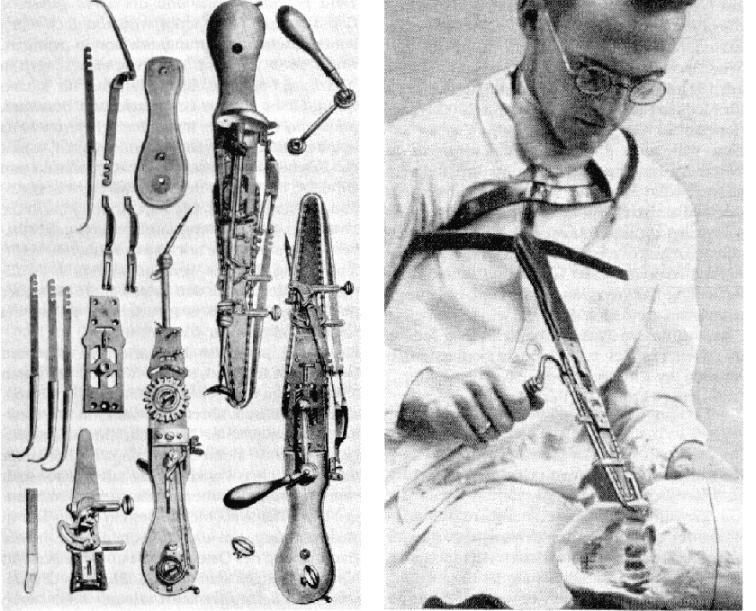
In the 1780s, two Scottish doctors, John Aitken and James Jeffray, developed the prototype of what we now recognize as the chainsaw. Their invention was a fine-linked chain with small cutting teeth, guided by a hand-cranked mechanism. The goal was to provide a more efficient and less traumatic way to cut through bone compared to the traditional rigid saws or knives of the era. This was a significant leap in medical “gadgetry,” introducing the concept of a continuous cutting loop to minimize the physical effort required by the surgeon while increasing the speed of the procedure.
From Manual Saws to Mechanical Precision
By 1830, German orthopedist Bernhard Heine refined this technology with his invention, the osteotome. This tool featured a chain with small cutting teeth that were moved around a guiding blade by a sprocket turned by a hand crank. This was a marvel of 19th-century engineering; it allowed for precise, localized bone removal without the broad, sweeping motions of a traditional saw. While the osteotome was a specialized piece of medical tech, it laid the fundamental mechanical groundwork for the rotating chain drive that defines all modern chainsaws.
Industrial Transformation: Scaling Mechanical Power
The transition from the operating room to the forest was driven by the industrial revolution’s demand for raw materials. As the timber industry grew, the limitations of manual crosscut saws—often referred to as “misery whips”—became a bottleneck for economic expansion. Engineers began looking for ways to scale the chain-cutting technology developed by the medical field into a robust industrial application.
The Shift from Medicine to Forestry
The late 19th and early 20th centuries saw several patents filed for “endless chain” saws. The challenge was no longer precision on a small scale, but durability and power on a massive scale. In 1905, Samuel J. Bens of San Francisco patented a “chain saw” designed for felling giant redwoods. However, these early industrial iterations were massive, requiring multiple operators or heavy frames, making them more of a localized machine than a portable gadget.
Andreas Stihl and the Birth of Portable Power
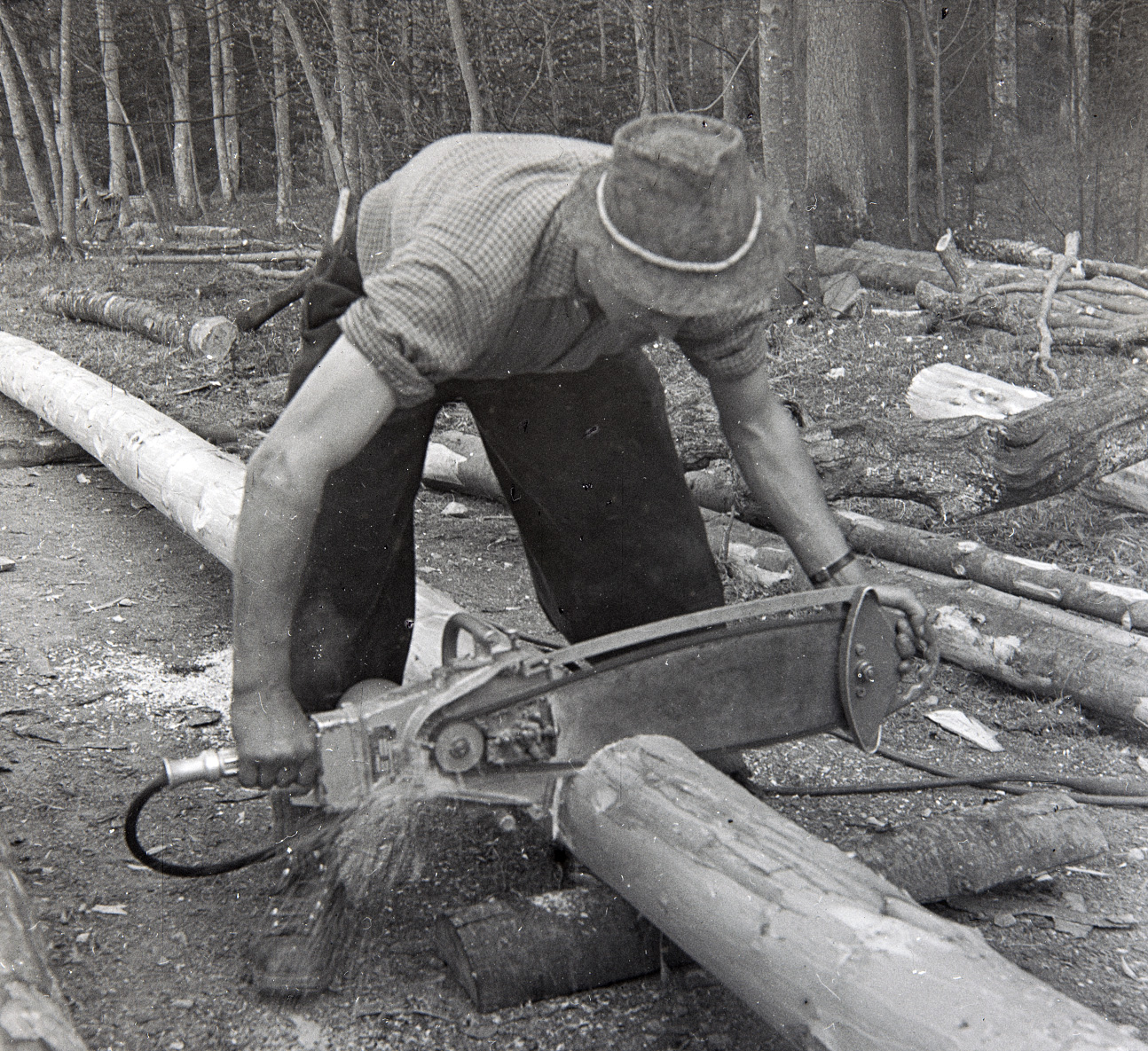
The true “tech” breakthrough occurred in the 1920s when inventors like Andreas Stihl and Emil Lerp developed the first gasoline-powered chainsaws. Stihl, often credited as the father of the modern chainsaw, patented the first electric chainsaw in 1926 and the first gasoline-powered version in 1929. These inventions were the first to integrate a portable power source (the engine) with the cutting chain, effectively creating a new category of mobile industrial hardware. This shift represented a major milestone in mechanical engineering: the miniaturization of high-torque engines for handheld use.

The Modern Tech Anatomy of a Chainsaw
Today’s chainsaws are sophisticated pieces of technology that balance power-to-weight ratios, ergonomics, and extreme durability. While the core concept remains the same—a rotating chain with teeth—the components have been refined through decades of material science and mechanical research.
Engine Dynamics and Chain Physics
Modern internal combustion chainsaws utilize two-stroke engines, favored for their high power output relative to their light weight. The tech behind the “cutter” itself is equally impressive. Each link in a modern saw chain is a precision-engineered “chipper” tooth that works like a wood plane. The depth gauge (or “raker”) on the chain determines how deep the tooth bites into the wood, a design that maximizes efficiency while preventing the engine from stalling under load. Engineers use computer modeling to optimize the airflow within the engine and the centrifugal clutch systems that engage the chain only when the throttle is applied.
Safety Features: Tech for Life-Saving Precision
Because the chainsaw is inherently dangerous, safety technology has become a primary focus of modern R&D. The “chain brake” is a critical mechanical gadget within the saw; it is designed to stop the chain instantly (often within milliseconds) if the saw kicks back toward the operator. Additionally, anti-vibration systems—utilizing sophisticated springs and rubber bushings—decouple the engine from the handles. This prevents long-term nerve damage (Vibration White Finger) in professional users, showcasing how tech is used to protect the human interface of the machine.
Future Trends: Electric and AI-Integrated Tools
As we move further into the 21st century, the chainsaw is undergoing its most significant technological shift since the introduction of the gasoline engine. The “Green Revolution” in tech is pushing the industry toward electrification and digital integration.
The Battery Revolution
Professional-grade cordless chainsaws are now rivaling their gas-powered counterparts. This is made possible by breakthroughs in Lithium-Ion battery density and Brushless DC (BLDC) motor technology. These electric gadgets offer instant torque, significantly lower noise profiles, and zero localized emissions. For tech enthusiasts, the appeal lies in the sophisticated Battery Management Systems (BMS) that communicate with the motor to optimize power delivery and prevent overheating, extending the tool’s lifespan and performance.
Smart Sensors and Maintenance Tech
We are beginning to see the integration of “Smart” features in forestry equipment. Some modern professional saws are equipped with onboard microchips and sensors that monitor engine performance, fuel-to-air ratios, and altitude adjustments in real-time. Brands like Husqvarna and Stihl have introduced Bluetooth connectivity, allowing fleet managers to track tool usage, vibration exposure for workers, and maintenance schedules via smartphone apps. This transition from a purely mechanical tool to an IoT (Internet of Things) device marks the current frontier of chainsaw technology.
Conclusion: From Bone to Bark
The history of the chainsaw is a testament to the unpredictable nature of technological evolution. What began as a delicate, hand-cranked medical gadget intended for the most sensitive of surgical procedures has transformed into a symbol of industrial strength and mechanical efficiency. By understanding that the first chainsaw was used for surgery, we gain a deeper appreciation for the engineering leaps required to repurpose that core logic for the rugged demands of modern forestry.
Whether powered by a high-compression gasoline engine or a cutting-edge lithium-ion battery, the chainsaw remains a vital piece of technology. It bridges the gap between raw human effort and the immense power required to shape our environment. As we look toward a future of automated forestry and AI-assisted maintenance, the chainsaw continues to be a primary example of how specialized tech can evolve, adapt, and eventually redefine entire industries.
aViewFromTheCave is a participant in the Amazon Services LLC Associates Program, an affiliate advertising program designed to provide a means for sites to earn advertising fees by advertising and linking to Amazon.com. Amazon, the Amazon logo, AmazonSupply, and the AmazonSupply logo are trademarks of Amazon.com, Inc. or its affiliates. As an Amazon Associate we earn affiliate commissions from qualifying purchases.