
In the contemporary digital landscape, the term “app” is ubiquitous. It is a word that defines our interaction with technology, representing everything from the tools we use to manage our finances to the entertainment that fills our leisure time. However, the concept of an application—a self-contained program designed to perform a specific function for the user—predates the sleek glass rectangles currently sitting in our pockets. Determining what the first app was requires a nuanced look at the evolution of mobile computing, the transition from desktop software to handheld utilities, and the cultural shifts that turned a niche technological capability into a global industry.

Defining the “App” in a Historical Context
Before pinpointing a specific “first,” we must establish what differentiates an “app” from general software. In the broadest sense, software has existed as long as programmable computers. However, the modern definition of an app typically implies a mobile-first, task-specific, and user-friendly piece of software. In the early days of computing, programs were large, complex, and required significant hardware to run. The “app” as we know it today is characterized by its portability and its focus on a singular, streamlined utility.
The Distinction Between Software and Applications
The term “application software” has been used in computer science for decades to distinguish between programs that manage the computer itself—like the operating system—and programs used by people to accomplish tasks, like word processors or spreadsheets. In the 1970s and 80s, these were simply called programs or applications. The shortening to “app” didn’t gain mainstream traction until the late 2000s, but the architecture of specialized, modular software began much earlier.
The Pre-Internet Era of Mobile Utilities
Long before the App Store or Google Play, hardware manufacturers were experimenting with built-in digital tools. These were the precursors to modern mobile apps. Early digital watches and calculators represented the first time consumers carried “micro-software” with them. Devices like the Psion Organiser, released in 1984, are often cited by tech historians as the world’s first “practical” pocket computer. It featured a simple database and a clock, serving the specific purpose of personal organization. While we wouldn’t call these apps today, they established the logic of the mobile application: a portable tool for a specific human need.
The Pioneers: Early Mobile Software and the IBM Simon
When discussing the first true “smartphone” app, most experts point toward 1994 and a device called the IBM Simon Personal Communicator. Created by IBM and BellSouth, the Simon is widely considered the world’s first smartphone, even though that term hadn’t been coined yet. It featured a monochrome touchscreen and a suite of built-in features that functioned exactly like the apps we use today.
1994: The Birth of the First Smartphone
The IBM Simon came pre-loaded with several “features” that were, in essence, the first mobile apps. These included a calendar, an address book, a calculator, a notepad, and even a way to send and receive faxes. Perhaps most impressively, it featured a “Mail” app that allowed users to check email—a revolutionary concept for a handheld device in the mid-90s. Because these programs were self-contained and designed for a mobile interface, they represent the true genesis of the mobile app.
Unlike modern phones, you couldn’t go to a store and download more apps for the Simon. The software was baked into the hardware. However, the Simon did have a PCMCIA slot that could technically be used to load third-party software, laying the groundwork for the extensible ecosystems that would define the industry fifteen years later.
Snake and the Nokia Revolution
While the IBM Simon was a business tool, the general public’s first encounter with a mobile application often came in the form of a game. In 1997, Nokia launched the 6110, which came pre-installed with a version of the game Snake.
While it seems primitive now, Snake was a watershed moment for mobile software. It proved that mobile devices weren’t just for communication; they were platforms for engagement. For many users, Snake was the first time they interacted with a non-telephony application on their phone for extended periods. This shifted the perception of what a mobile device could be, moving it from a utility to a companion. Following Snake, Nokia and other manufacturers began including more varied built-in apps, such as currency converters, basic ringtone composers, and logic puzzles.
The PDA Era: Palm OS and the Third-Party Ecosystem
In the late 1990s and early 2000s, the “Personal Digital Assistant” (PDA) became the bridge between the desktop computer and the modern smartphone. Devices like the Palm Pilot and the BlackBerry took the concept of mobile apps to the next level by introducing the idea of a third-party developer ecosystem.
Bridging the Gap Between Computer and Handheld
The Palm Pilot, running on Palm OS, was significant because it allowed users to sync their handheld devices with their desktop computers. This meant that an “app” on a Palm Pilot wasn’t just an isolated tool; it was an extension of the user’s digital life. Developers began writing thousands of applications for Palm OS, ranging from specialized medical calculators for doctors to early versions of mobile office suites.
This era introduced the concept of “sideloading” or installing software from a computer to a mobile device. While there was no centralized “App Store,” users would find software on developer websites, download it to their PC, and then “HotSync” it to their PDA. This was the first time that the software on a mobile device was truly customizable based on the user’s specific needs.
The Rise of WAP and Early Mobile Web Browsing
As mobile networks improved, the first “web apps” began to emerge via Wireless Application Protocol (WAP). In the early 2000s, phones like the Nokia 7110 allowed users to access “WAP sites,” which were essentially stripped-down versions of the internet designed for small screens and slow data speeds. These were the ancestors of today’s progressive web apps. They provided real-time information—such as news headlines, stock prices, and weather updates—without requiring the user to install a native application. While the experience was often clunky and expensive, it hinted at a future where apps would be constantly connected to a global network of data.
The Apple Inflection Point: 2008 and the App Store
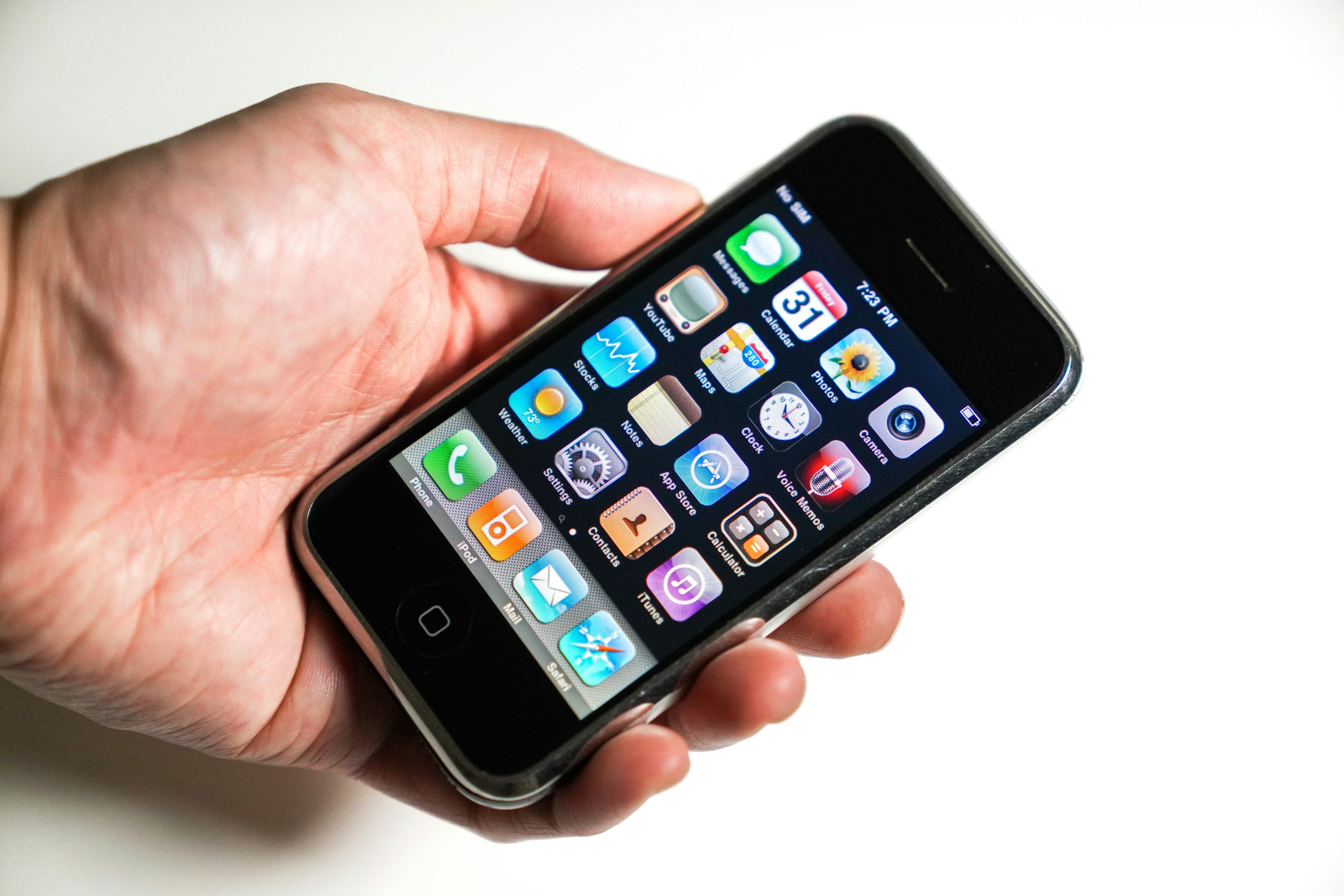
If the IBM Simon invented the mobile app and Nokia popularized it, Apple was the company that turned it into a global economy. When the first iPhone was released in 2007, it actually didn’t have an App Store. Steve Jobs originally believed that developers should create “Web 2.0” applications that ran inside the Safari browser. He was resistant to the idea of third-party native code running on the iPhone for security and stability reasons.
Steve Jobs’ Initial Vision vs. Reality
The pushback from the developer community was immediate and intense. Developers wanted to tap into the iPhone’s powerful hardware—the accelerometer, the multi-touch screen, and the GPS—in ways that web apps simply couldn’t. Apple eventually relented, and on July 10, 2008, the App Store launched alongside the iPhone 3G.
This was the “Big Bang” for the modern app. The App Store solved three major problems that had plagued mobile software for years: discovery, installation, and payment. For the first time, a user could find an app, pay for it, and install it with a single tap, without ever needing a computer.
The 500 Original Apps and the Paradigm Shift
The App Store launched with just 500 applications. Among them were early versions of eBay, Facebook, and various games like Super Monkey Ball. The success was instantaneous. In the first weekend, users downloaded 10 million apps. This demonstrated that the value of a smartphone wasn’t just in the hardware Apple built, but in the software that others could build on top of it.
The introduction of the Software Development Kit (SDK) meant that anyone with coding skills could reach a global audience. This democratized software distribution and led to the “There’s an app for that” marketing campaign, which cemented the word “app” in the global lexicon.
How Early Apps Shaped Today’s Tech Trends
Looking back at the first apps—from the IBM Simon’s calendar to Nokia’s Snake—we can see the DNA of today’s multi-billion dollar tech trends. These early experiments established the principles of user experience (UX) and interface design (UI) that we still use today.
From Utilities to Ecosystems
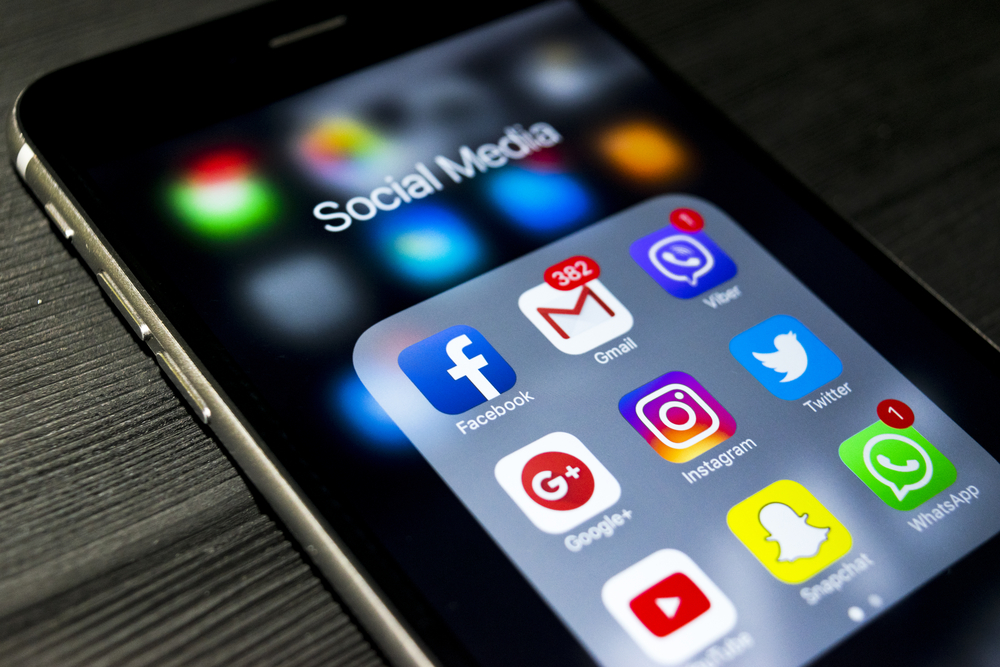
The first apps were strictly utilitarian. They were designed to save time or solve a specific problem. Today, apps have evolved into entire ecosystems. An app like WeChat or Instagram is no longer just a “tool”; it is a platform for social interaction, commerce, and identity. However, the core logic remains the same: taking a complex task and making it accessible through a simplified, mobile-centric interface.
The Legacy of Simple Design
Early apps were forced to be simple due to hardware limitations. Low-resolution screens and slow processors meant that developers had to prioritize function over form. This legacy of “minimalism” and “glanceable information” remains a cornerstone of tech design. As we move into the era of AI-driven tools and augmented reality (AR) apps, the lessons learned from those first mobile programs—focused on immediacy, portability, and ease of use—continue to guide the evolution of software.
In conclusion, while the modern smartphone app as we know it was born in 2008, its lineage stretches back to the specialized pocket tools of the 1980s and the integrated business features of the early 90s. The journey from a basic calculator on a monochrome screen to the complex, AI-powered applications of today is a testament to the rapid and transformative power of technology.
aViewFromTheCave is a participant in the Amazon Services LLC Associates Program, an affiliate advertising program designed to provide a means for sites to earn advertising fees by advertising and linking to Amazon.com. Amazon, the Amazon logo, AmazonSupply, and the AmazonSupply logo are trademarks of Amazon.com, Inc. or its affiliates. As an Amazon Associate we earn affiliate commissions from qualifying purchases.