
The echoes of empires long fallen often carry whispers of caution into our present. While history is replete with tales of once-dominant powers crumbling, few sagas inspire as much mystique and dread as the Doom of Valyria. In the annals of a fantastical world, Valyria stood as an unassailable titan, a marvel of magical prowess, advanced technology, and unparalleled wealth. For five millennia, the Valyrian Freehold held sway, an empire forged in dragonfire and intellect, its influence stretching across continents. Its legacy included architectural wonders, legendary blades of peerless quality, and an economic engine that dwarfed all others. Then, in a single, cataclysmic day, it vanished.
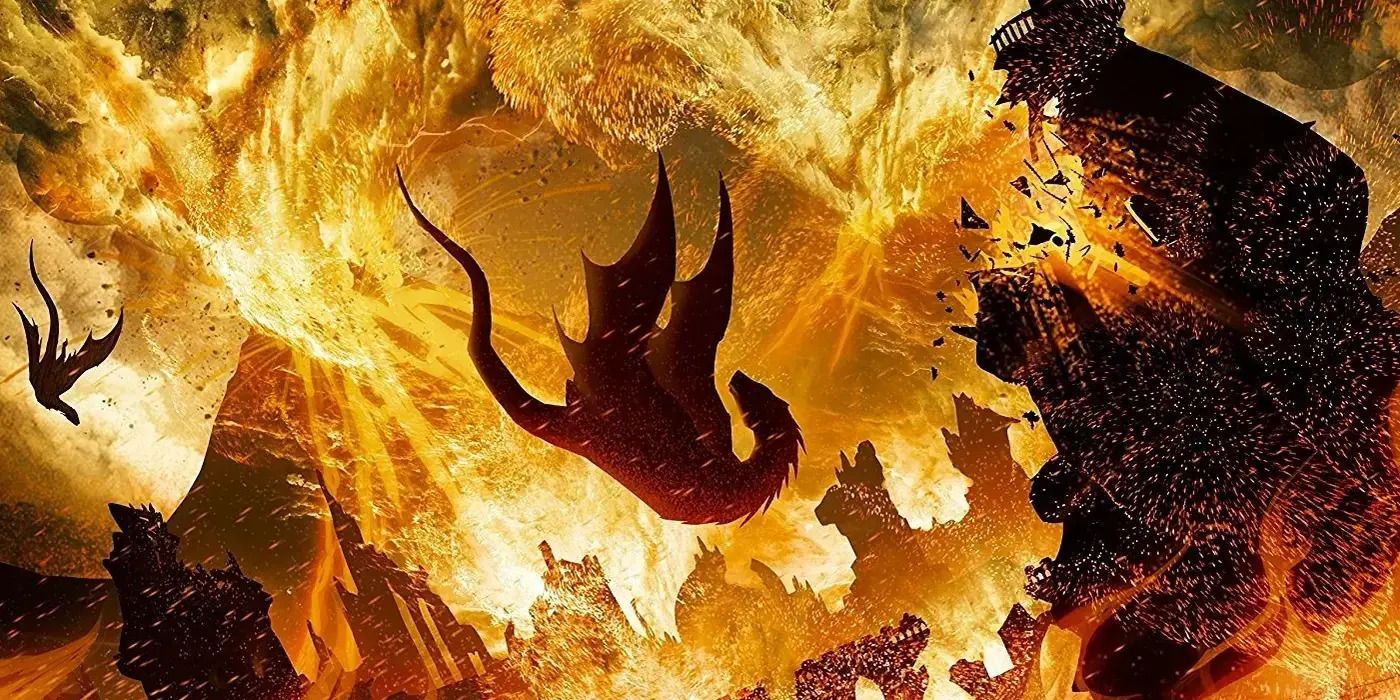
The “Doom,” as it became known, was not merely the fall of an empire; it was an apocalyptic event that saw the Valyrian peninsula torn asunder, its vibrant cities swallowed by fire and sea, and its entire infrastructure annihilated. The Fourteen Flames, the chain of volcanoes that was both the source of Valyria’s power and its eventual tomb, erupted with unimaginable fury, unleashing earthquakes, tsunamis, and skies choked with ash. What truly caused this unprecedented disaster? Was it a natural catastrophe of epic proportions, an unforeseen consequence of magical overreach, or a fundamental flaw in the very “system” Valyria had engineered? By dissecting the possible causes through the lenses of modern technology, brand strategy, and financial wisdom, we can extract profound lessons relevant even in our hyper-connected, innovation-driven age. The Doom of Valyria is more than a fantasy legend; it’s a cautionary tale about the fragility of even the most formidable powers.
The Pinnacle of Power: Valyria’s Unrivaled Edge
Before its sudden demise, Valyria represented the zenith of civilization. Its control extended over vast territories, its cultural influence was pervasive, and its economic might was unquestioned. To understand the magnitude of its fall, one must first grasp the heights it achieved, a dominance built upon a unique blend of innovation and mastery.
Technological Marvels and Magical Mastery
Valyria was, in essence, the Silicon Valley of its age, a hub of unparalleled technological and magical innovation. Their most famous creation, Valyrian steel, was a lost art form, a metallurgical marvel that no smith could replicate after the Doom. Blades forged from this material were sharper, lighter, and stronger than any other, capable of holding an edge indefinitely without rusting. This wasn’t merely craftsmanship; it was a complex, multi-stage process involving spells, dragonfire, and folding techniques that made it akin to a high-tech alloy from a sci-fi future. For Valyria, Valyrian steel was their proprietary software, their cutting-edge hardware, an undisputed product differentiator that fueled their military and economic dominance.
Beyond steel, the Valyrians mastered dragon-riding, a feat that required not just courage but a deep, almost symbiotic understanding of these creatures. This was their ultimate “power tool,” their equivalent of an aerial drone fleet combined with strategic bombers, all controlled by elite “pilots” – the dragonlords. Their cities, too, were architectural wonders, built with sophisticated engineering and advanced materials, some believed to be fused together with magic, creating structures that defied conventional construction. From vast networks of roads to advanced irrigation systems, Valyria’s infrastructure bespoke a civilization that pushed the boundaries of what was possible, operating with a “tech stack” far beyond its contemporaries. Their reliance on magic, often intertwined with their technology, suggests a society that treated magic as another branch of applied science, constantly experimenting and optimizing for power and efficiency.
The Empire as a Global Brand
Valyria wasn’t just powerful; it was a brand. A colossal, intimidating, and aspirational brand that projected an image of invincibility and sophistication across the known world. Its “brand identity” was intrinsically linked to its dragons, its Valyrian steel, its wealth, and its unparalleled cultural influence. This was a “corporate identity” built on thousands of years of consistent performance, military might, and economic supremacy. Every Valyrian coin, every trade agreement, every dragon flying overhead reinforced this powerful brand message: Valyria is supreme.
This dominant brand created a de facto monopoly in many sectors. Valyrian steel wasn’t just a product; it was a luxury commodity, a status symbol that commanded exorbitant prices, much like exclusive tech gadgets or high-end designer goods today. The Valyrian Freehold’s economic system was a complex web of trade routes, resource extraction (especially from the Fourteen Flames), and sophisticated financial instruments. They dictated terms, set market trends, and established a global currency standard. Their “market capitalization” was probably incalculable. Yet, as modern brand strategists know, even the most dominant brands can be undone by internal rot, external pressures, or a catastrophic failure that shatters public trust and perception. Valyria’s brand was built on power and control, an illusion of stability that masked underlying vulnerabilities.
Unraveling the Threads: Theories of Catastrophe
The sheer scale and suddenness of the Doom have fueled centuries of speculation. While the exact cause remains shrouded in mystery, we can hypothesize potential scenarios by applying frameworks from tech, finance, and brand management, offering modern parallels to this ancient catastrophe.
The Flawed Algorithm: Tech Overreach and Systemic Failure
One compelling theory is that the Doom was a direct consequence of Valyria’s own technological or magical hubris. Imagine Valyria as a civilization that constantly pushed the boundaries of its “operating system,” its magical and geological understanding. The Fourteen Flames, a chain of active volcanoes, were not just a resource; they were an intrinsic part of Valyrian power, providing the heat for their forges and perhaps even the raw magical energy for their spells. What if their constant mining, drilling, or magical manipulation of these volatile geological features pushed the system past its critical point?

This is akin to a catastrophic system failure in a complex technological infrastructure. Perhaps a “bug” in their magical “code” or an unforeseen “vulnerability” in their geo-engineering led to a chain reaction. Like a software update gone wrong that crashes an entire network, or an AI system that achieves unforeseen and destructive emergent behavior, Valyrian attempts to optimize or control their environment could have triggered an uncontrollable feedback loop. The “Doom” could represent a global-scale “zero-day exploit” of nature itself, where their cutting-edge tech proved to be their ultimate undoing, revealing a fundamental design flaw in their interaction with the planet. The vast power they commanded might have blinded them to the ultimate risks, leading to a catastrophic system collapse from within.
Financial Fault Lines: Resource Dependence and Economic Instability
Another perspective examines the Doom through a financial lens, focusing on resource dependence and potential economic instability. The Fourteen Flames were not just a source of power; they were Valyria’s primary “asset.” Like a nation heavily reliant on a single commodity (oil, rare earth minerals), Valyria’s immense wealth and power were intrinsically tied to these volatile volcanoes. What if the Doom was not merely a natural disaster, but the culmination of unsustainable resource extraction?
The Valyrian economy, while seemingly robust, might have harbored deep structural weaknesses. Over-reliance on a single, powerful resource could lead to a lack of diversification, making the entire economic system vulnerable to a shock affecting that resource. Imagine a global economy built on a single, highly volatile stock – when that stock crashes, everything collapses. Could the Doom have been the ultimate “market correction,” a sudden devaluation of their primary asset that triggered a physical and economic meltdown? This could be compared to a “bubble burst” on a geological scale, where the “investment” in the Fourteen Flames yielded catastrophic returns. Financial hubris, a failure to anticipate long-term environmental costs, or even internal economic rivalries leading to reckless resource management could have destabilized the very foundations of their wealth.
Branding Under Siege: Internal Weakness and External Pressures
While the Doom appears to be a sudden external event, the collapse of such a dominant “brand” rarely happens without underlying internal fragilities. Valyria’s brand was one of invincibility, but what if this façade masked deep-seated political, social, or ethical decay? A strong brand thrives on trust, reputation, and a cohesive internal culture. If Valyria suffered from internal strife, unchecked power dynamics among the dragonlord families, or growing moral bankruptcy, it could have weakened its resilience, making it more susceptible to any major shock.
Such internal weaknesses could manifest as a failure to adapt, a lack of cohesive governance, or an inability to recognize impending danger. Warnings of the Doom, particularly from a young Targaryen prophetess, were dismissed as madness. This disregard for critical intelligence and expert warnings is a classic brand management failure – a refusal to pivot, to heed market signals, or to acknowledge vulnerabilities. An empire too arrogant to listen, too complacent in its power, becomes brittle. While not the direct cause of the geological event, internal decay could have rendered Valyria incapable of mitigating the disaster or even anticipating it. The brand, while externally shiny, might have been hollow at its core, leading to a rapid and complete dissolution when faced with the ultimate crisis.
The Aftermath: A World Reset and Enduring Lessons
The immediate aftermath of the Doom was a global catastrophe, plunging the known world into a prolonged period of instability, chaos, and a profound sense of loss. But from this ashes, valuable lessons emerge for anyone building a tech empire, cultivating a global brand, or managing significant wealth.
The Tech Debt of a Lost Civilization
The Doom obliterated not just cities and people, but an immense repository of knowledge, technology, and magical understanding. The secret of Valyrian steel, the intricacies of dragon husbandry, advanced engineering, and complex spells – all were lost. This represents an astronomical “tech debt” incurred by the surviving world. Without the foundational research and development, subsequent generations struggled for centuries to even approximate Valyrian achievements. It highlights the fragility of knowledge storage and transmission, reminding us that even the most advanced “tech stacks” are vulnerable to catastrophic data loss if not properly backed up or distributed. The loss of Valyria was a regression to a “digital dark age” for its world, underscoring the importance of knowledge preservation, open-source innovation, and resilient data infrastructure.
Rebranding the Future: Emergent Powers and New Economies
The power vacuum left by Valyria was immense. The former colonies, now the Free Cities, had to forge new identities and economic models. This period became one of “rebranding” on a grand scale. New trade routes emerged, different currencies gained prominence, and diverse political systems took root. It was a chaotic but ultimately transformative era, mirroring the dynamic shifts in market leadership and economic landscapes after the collapse of a dominant “corporate giant.” The fall of Valyria created opportunities for “startups” and smaller players to rise, to innovate, and to claim market share that was previously monopolized. It demonstrates that even after the most devastating market crashes, new economic paradigms can emerge, often driven by necessity and decentralized innovation.
Risk Management and the Value of Foresight
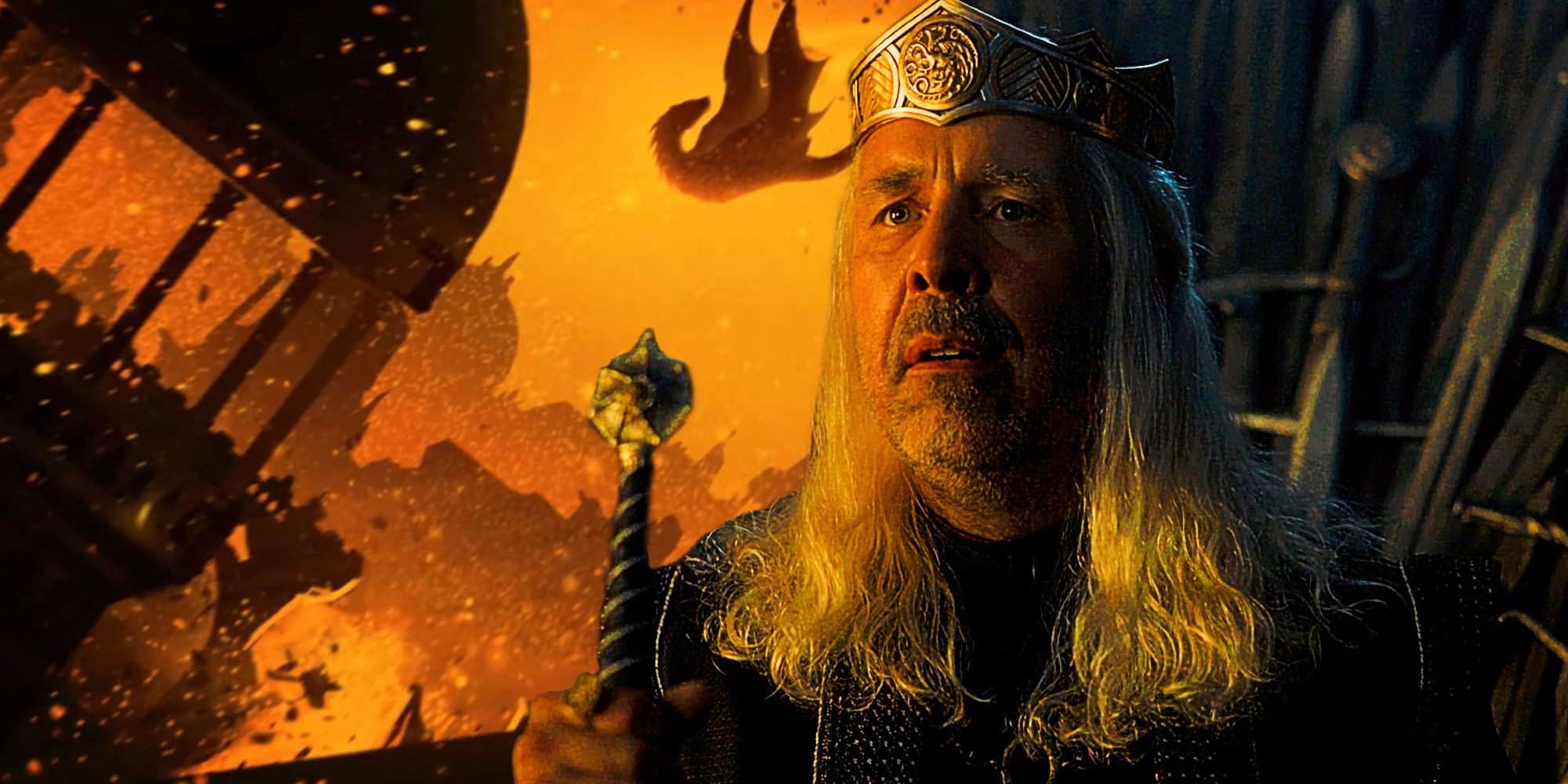
The survival of the Targaryens, the only Valyrian dragonlord family to escape the Doom, serves as a powerful case study in risk management and the value of foresight. Heeding the prophetic dreams of Daenys Targaryen, they relocated their entire household and dragons to Dragonstone twelve years before the catastrophe. This act of strategic diversification – moving their “assets” out of the primary risk zone – was their salvation. It underscores the critical importance of listening to warnings, even unconventional ones, and the wisdom of not putting all your eggs (or dragons) in one basket. In modern terms, it’s about anticipating market shifts, diversifying investments, having contingency plans, and building resilience into your operations and brand strategy. The cost of dismissing valid risks, no matter how improbable they seem, can be utterly annihilating.
In conclusion, the Doom of Valyria, whether interpreted as a geological calamity, a magical feedback loop, or a consequence of inherent systemic flaws, offers a chillingly relevant narrative for our contemporary world. It speaks to the inherent fragility of even the most technologically advanced and financially powerful entities. It warns against hubris, against the unchecked pursuit of power, and against the dangers of ignoring fundamental risks. Whether we’re building cutting-edge AI, crafting a global brand, or managing vast financial portfolios, the silent lessons from Valyria’s ashes remind us that foresight, resilience, and a healthy respect for the interconnectedness of systems are not just desirable traits, but essential for survival.
aViewFromTheCave is a participant in the Amazon Services LLC Associates Program, an affiliate advertising program designed to provide a means for sites to earn advertising fees by advertising and linking to Amazon.com. Amazon, the Amazon logo, AmazonSupply, and the AmazonSupply logo are trademarks of Amazon.com, Inc. or its affiliates. As an Amazon Associate we earn affiliate commissions from qualifying purchases.