
The news reverberated globally on August 16, 1977: Elvis Presley, the King of Rock and Roll, was dead at the age of 42. His sudden passing left millions in shock and mourning, ending an era of unparalleled musical dominance and cultural impact. While the official cause of death was initially reported as cardiac arrest, the narrative surrounding his final days and the underlying factors contributing to his demise quickly grew more complex, intertwining personal tragedy with the immense pressures of celebrity. To truly understand “what was the cause of Elvis Presley’s death,” we must look beyond the immediate medical diagnosis and consider the multifaceted influences, from his personal health struggles and reliance on prescription medication to the relentless demands of his legendary brand and the financial complexities that shadowed his life and legacy.
The King’s Final Days: A Medical and Personal Crisis
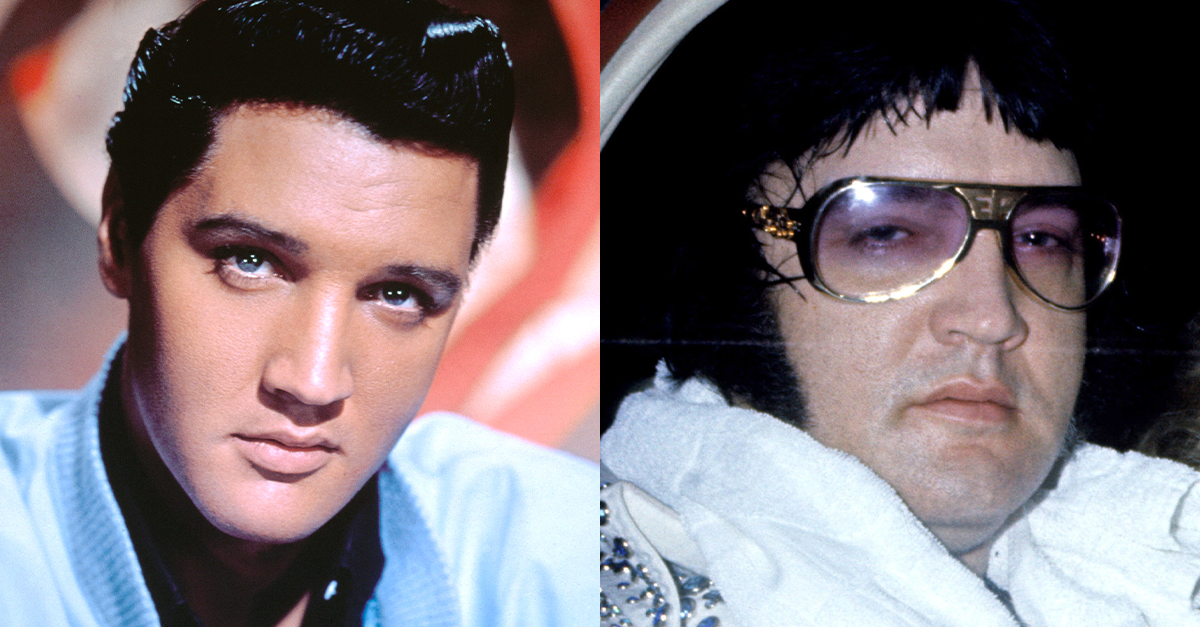
Elvis Presley’s health had been in significant decline for years leading up to his death. Despite his iconic status and seemingly boundless energy on stage, behind the scenes, he battled a myriad of chronic ailments. These included an enlarged colon, liver damage, glaucoma, and high blood pressure, among other issues. His doctors had prescribed a vast array of medications to manage these conditions, a practice that, while perhaps well-intentioned, ultimately contributed to a dangerous dependency. His physical appearance had also changed dramatically, reflecting his struggles with weight fluctuations and overall diminished vitality. The man who had once been a symbol of vibrant youth and raw masculinity was increasingly frail, a shadow of his former self.
His demanding touring schedule, combined with a nocturnal lifestyle and a diet often high in unhealthy foods, exacerbated his underlying health problems. The constant travel, the pressure to perform, and the isolation that often accompanies superstardom created a fertile ground for the escalating misuse of prescription drugs. Elvis was known to suffer from insomnia, chronic pain, and anxiety, all conditions for which various powerful medications were readily available to him. His personal physician, Dr. George C. Nichopoulos, often referred to as “Dr. Nick,” was later heavily scrutinized for the sheer volume and variety of prescriptions he provided to Elvis. This raises questions about the medical ethics of the time and the unique challenges faced by doctors treating high-profile figures who could command vast resources to obtain desired treatments, even if those treatments were detrimental in the long run. The medical community at large, and the pharmaceutical industry, were perhaps not fully equipped to understand or address the complexities of polypharmacy and addiction in the way we do today, making Elvis’s case a poignant early example of its devastating effects.
Beyond the Heart Attack: The Shadow of Polypharmacy
The official cause of death listed on Elvis Presley’s death certificate was “cardiac arrest.” However, an autopsy revealed significant cardiovascular disease, including advanced arteriosclerosis. The more profound and widely accepted understanding among medical experts today, however, points to severe polypharmacy as the primary contributing factor to his cardiac event. Polypharmacy refers to the simultaneous use of multiple drugs, often leading to dangerous interactions and cumulative effects. At the time of his death, toxicology reports indicated high levels of multiple prescription drugs in his system, including opiates, barbiturates, and sedatives. These drugs, even when taken individually and as prescribed, can have significant side effects on the heart and respiratory system. When combined, their depressant effects can become synergistic, leading to respiratory depression and potentially fatal cardiac arrhythmias.
The sheer volume and variety of medications found in his system were staggering, a testament to the uncontrolled access he had to powerful substances. It was not a single drug, nor an illicit substance, but rather a dangerous cocktail of prescribed medications that ultimately overwhelmed his system. This distinction is crucial, as it highlights the insidious nature of prescription drug abuse, especially when sanctioned by medical professionals, even if misguidedly. The understanding of drug interactions, addiction pathways, and responsible prescribing practices has evolved significantly since the 1970s, partly in response to high-profile cases like Elvis’s. Modern medical technology and pharmacovigilance systems would likely flag such a prescribing pattern today, potentially preventing such a tragic outcome. The lack of digital tracking for prescriptions, coupled with a more lenient regulatory environment, allowed a dangerous pattern to continue unchecked, ultimately leading to the premature end of a legend’s life.
The Brand of Elvis: Legacy, Marketing, and Posthumous Prosperity
While Elvis’s personal health was in decline, his brand, though strained by controversial later performances and tabloid scrutiny, remained an undeniable force. His death, however, paradoxically propelled the “Elvis” brand into an entirely new dimension of immortality and unprecedented commercial success. Before his death, Elvis’s financial situation was far from secure, despite his vast earnings. Lavish spending, a large entourage, and poor financial management had left him with liquid assets that were surprisingly modest. His intellectual property rights, particularly his music catalog, were also not managed with the foresight typical of today’s entertainment industry. His passing, tragic as it was, created a powerful vacuum, turning him from a struggling mortal artist into an eternal, idealized icon. This transformation allowed his estate to implement a strategic brand management plan that would become a blueprint for posthumous celebrity monetization.
The immediate aftermath saw an explosion in demand for his music, merchandise, and memorabilia. Fan adoration, now tinged with grief, created a relentless consumer appetite. The challenge for his estate, primarily managed by his former wife Priscilla Presley, was to navigate this wave of emotion and turn it into a sustainable, respectable, and immensely profitable enterprise. This involved a complete overhaul of his image, focusing on his unparalleled musical contributions and charismatic performances, while carefully managing the more controversial aspects of his later life. The “Elvis” brand was meticulously curated to embody timeless rock and roll, American dream aspiration, and family-friendly entertainment. This strategic pivot from managing a living, unpredictable superstar to curating the legacy of an unchanging icon was a masterclass in brand repositioning. It showcased how a powerful personal brand could not only survive death but thrive exponentially, creating a multi-billion-dollar empire that continues to generate significant revenue decades later.
From Personal Branding to Global Enterprise: The Graceland Phenomenon
At the heart of the posthumous “Elvis” brand strategy was Graceland, his iconic Memphis home. Initially considered a financial burden, Priscilla Presley recognized its immense potential as a pilgrimage site for fans. In 1982, Graceland was opened to the public, transforming it from a private residence into a globally recognized tourist attraction. This move was a stroke of genius in corporate identity and marketing. Graceland became the physical embodiment of the Elvis brand, a sacred space where fans could connect directly with his legacy. Its meticulously preserved interiors, museum exhibits, and gift shops created an immersive experience that validated the King’s enduring power. The success of Graceland demonstrated a profound understanding of emotional marketing and fan engagement, long before these terms became commonplace in digital strategies.
The estate also focused on intellectual property management, securing and licensing Elvis’s image, music, and likeness. This included carefully vetted merchandise, documentaries, tribute shows, and eventually, digital content. This rigorous approach ensured quality control and prevented dilution of the brand, while maximizing revenue streams. The creation of Elvis Presley Enterprises (EPE) solidified this corporate identity, professionalizing the management of a brand that had previously been more informally handled. EPE became a benchmark for how celebrity estates could be transformed into robust, diversified businesses. It leveraged every facet of his persona, from his musical prowess to his cinematic career and his personal style, creating a cohesive and highly profitable global enterprise that transcended music, becoming a lifestyle brand in its own right. The strategic branding decisions made in the wake of his death ensured that Elvis would not just be remembered but would continue to financially flourish as one of the most powerful and recognizable brands in history.
Digital Echoes and Technological Immortality: Elvis in the Modern Age
The technological landscape of the 1970s was vastly different from today’s digital world. The diagnosis and treatment of Elvis’s health issues relied on medical technology that, by modern standards, was relatively primitive. Imaging techniques were less sophisticated, and the understanding of drug interactions and addiction was in its nascent stages. Had Elvis been alive today, the precise cause of his death might have been identified earlier, and interventions, both medical and psychological, might have been far more effective. Digital health records, AI-powered diagnostic tools, and advanced pharmaceutical tracking systems could have provided a clearer picture of his deteriorating health and the dangerous polypharmacy he was undergoing, potentially triggering alarms long before his fatal heart attack. The ability to monitor patient data in real-time and cross-reference medication lists with potential adverse interactions would represent a stark contrast to the paper-based systems and more isolated medical consultations of his era.
However, technology has played an enormous role in preserving and expanding Elvis’s legacy since his death. Digital technology has transformed how fans interact with his music and image. His entire catalog is readily available on streaming platforms, reaching new generations who might never have experienced his vinyl records or radio plays. AI tools are now being used to analyze his vocal performances, his stage presence, and even to create new content, such as virtual concerts and immersive experiences that bring the King back to life. Digital security for his vast archives of music, video, and unreleased material has become paramount, protecting the integrity of his work from piracy and unauthorized use. This ongoing digital preservation ensures that his artistry remains accessible and relevant, far beyond what could have been imagined in 1977.
AI, Archives, and the Anatomy of a Digital Legend
The application of advanced technology to the Elvis Presley phenomenon is not limited to mere digital distribution. AI and data analytics offer new insights into his artistry and cultural impact. Machine learning algorithms can dissect his unique vocal stylings, identifying patterns and nuances that define his sound. Researchers can use AI to analyze historical performance data, audience reactions, and media coverage to understand the evolution of his persona and its reception. This granular analysis provides a deeper understanding of his creative process and his influence on popular culture. Beyond analysis, AI also facilitates the creation of new forms of engagement. Virtual reality and augmented reality experiences allow fans to “step inside” Graceland or witness a holographic Elvis performance, blurring the lines between past and present.
Furthermore, the meticulous digitization of Elvis’s vast archive – including unreleased recordings, photographs, personal documents, and film footage – forms an invaluable digital repository. This digital archive, managed with sophisticated data security protocols, ensures the long-term preservation and accessibility of his legacy for scholars, artists, and fans worldwide. These digital assets are not just stored; they are actively managed, curated, and leveraged through digital marketing campaigns and online fan communities. Apps dedicated to Elvis, interactive websites, and social media presence all contribute to keeping his brand vibrant and relevant in the 21st century. The digital footprint of Elvis is immense, a testament to how technology can immortalize a figure, allowing his legend to evolve and resonate across new mediums and generations, far beyond the physical limitations of his life.
The Financial Reckoning: Wealth, Addiction, and the Business of Grief
The financial narrative surrounding Elvis Presley’s death is as complex and dramatic as his personal life. Despite earning vast sums throughout his career, Elvis’s personal fortune at the time of his death was estimated to be around $5 million (equivalent to roughly $25 million today), a relatively modest sum for an artist of his stature. This was largely due to disadvantageous recording contracts early in his career, the notoriously high commissions taken by his manager Colonel Tom Parker, lavish spending, and the considerable costs associated with maintaining his entourage and his various health issues, including the significant expense of his prescription drug habit. The business of celebrity was not as sophisticated in protecting artists’ long-term financial interests as it is today, leaving many vulnerable to exploitation and poor financial management.
His death, however, triggered an extraordinary financial turnaround. The initial surge in record sales, merchandise, and licensing deals quickly began to generate immense wealth for his estate. The astute decision to open Graceland to the public, as discussed earlier, transformed it into a cash cow, generating millions annually. This strategic shift from relying on Elvis’s live performances and new music releases to monetizing his entire legacy through tourism, intellectual property licensing, and diversified investments was a pivotal moment in the history of posthumous celebrity finance. The revenue generated not only cleared any outstanding debts but also built a multi-million-dollar empire for his sole heir, his daughter Lisa Marie Presley.
Monetizing a Myth: The Economic Legacy of the King
The economic legacy of Elvis Presley is a fascinating study in the business finance of iconic brands. His estate, primarily through Elvis Presley Enterprises (EPE), became a highly diversified entity. Beyond Graceland’s admissions, revenue streams included extensive merchandising (apparel, collectibles, home goods), music catalog sales (physical and digital), licensing for films, television shows, and commercials, and intellectual property rights for his image and likeness. EPE effectively transformed Elvis from a person into a product, albeit one imbued with deep cultural significance and emotional resonance. The continuous demand for anything “Elvis” speaks to the power of a brand built on charisma, talent, and enduring cultural impact.
The estate also engaged in strategic investments and partnerships, ensuring the long-term viability of the Elvis brand. This included ventures into entertainment experiences, restaurant chains, and even strategic alliances with other major brands. The financial tools and strategies employed by EPE became a case study for future celebrity estates seeking to preserve and grow wealth across generations. This business model ensured that “online income” for the estate was not just from music downloads but from a vast digital presence, e-commerce stores, and digital licensing. The meticulous management of his financial legacy starkly contrasts with the financial vulnerabilities he experienced during his lifetime, demonstrating how a powerful personal brand, when managed with sophisticated business acumen, can transcend individual life to become an enduring economic force, a testament to the King’s undiminished power, even in death.
In conclusion, the cause of Elvis Presley’s death was officially cardiac arrest, but this medical event was inextricably linked to a severe polypharmacy problem stemming from his chronic health issues and dependency on prescription drugs. His tragic passing, however, was not the end of his story. Instead, it marked a profound pivot in the narrative of his brand, transforming a struggling icon into an immortalized, meticulously managed, and technologically advanced global enterprise. His death catalyzed a financial renaissance for his estate, demonstrating how strategic branding, astute intellectual property management, and innovative use of technology could turn a personal tragedy into a multi-billion-dollar economic legacy. Elvis Presley’s life and death serve as a poignant reminder of the immense pressures of fame, the complexities of health and addiction, and the enduring power of a meticulously cultivated brand to transcend mortality, forever echoing through the digital and financial landscapes of the modern world.
aViewFromTheCave is a participant in the Amazon Services LLC Associates Program, an affiliate advertising program designed to provide a means for sites to earn advertising fees by advertising and linking to Amazon.com. Amazon, the Amazon logo, AmazonSupply, and the AmazonSupply logo are trademarks of Amazon.com, Inc. or its affiliates. As an Amazon Associate we earn affiliate commissions from qualifying purchases.