
To understand the trajectory of modern innovation, one must look back at the first major technological disruption in human history: the Bronze Age. Spanning roughly from 3300 BCE to 1200 BCE, this era was defined by more than just the transition from stone tools to metal. It represented the world’s first “tech stack” upgrade, characterized by advancements in material science, complex global supply chains, and the birth of information systems. Just as the Silicon Age redefined the 21st century through digital connectivity, the Bronze Age redefined the ancient world through metallurgical engineering.
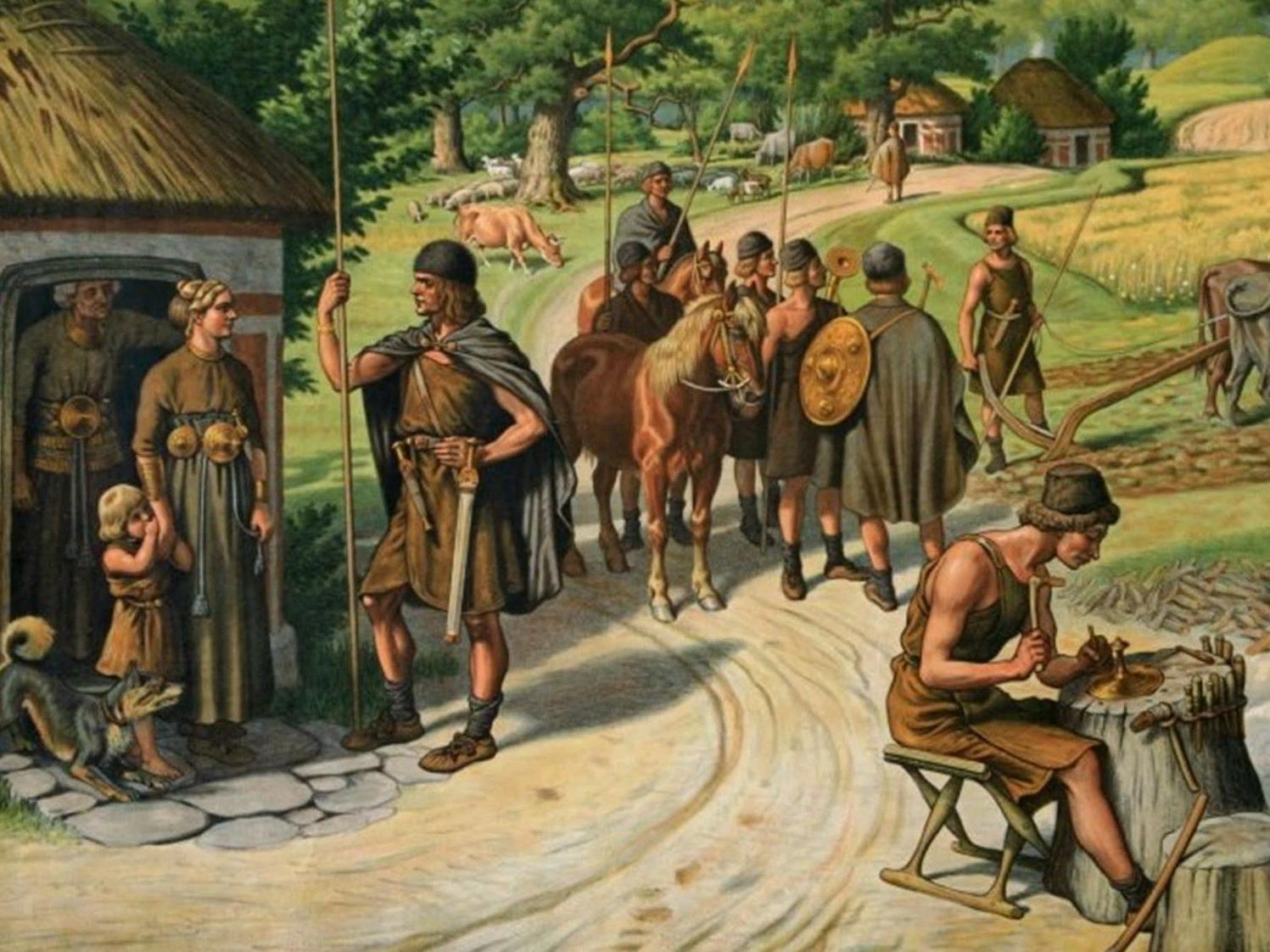
The Bronze Age was a period of rapid acceleration where human potential was unlocked by a specific technological breakthrough: the ability to alloy copper with tin. This development was not a singular event but a series of iterative improvements that mirrored the modern software development lifecycle. From the development of high-heat kilns to the mastery of casting techniques, the Bronze Age was an era of profound technical achievement that laid the groundwork for every engineering marvel that followed.
The Metallurgy Revolution: Human Civilization’s First Version Update
Before the Bronze Age, humanity existed in the Stone Age—a period defined by the limitations of natural materials. Tools were brittle, difficult to reshape, and prone to catastrophic failure under stress. The shift to bronze was the equivalent of moving from vacuum tubes to transistors. It was a fundamental change in the “hardware” of civilization that allowed for greater scalability, durability, and precision.
From Stone to Bronze: The Prototype to Product Pipeline
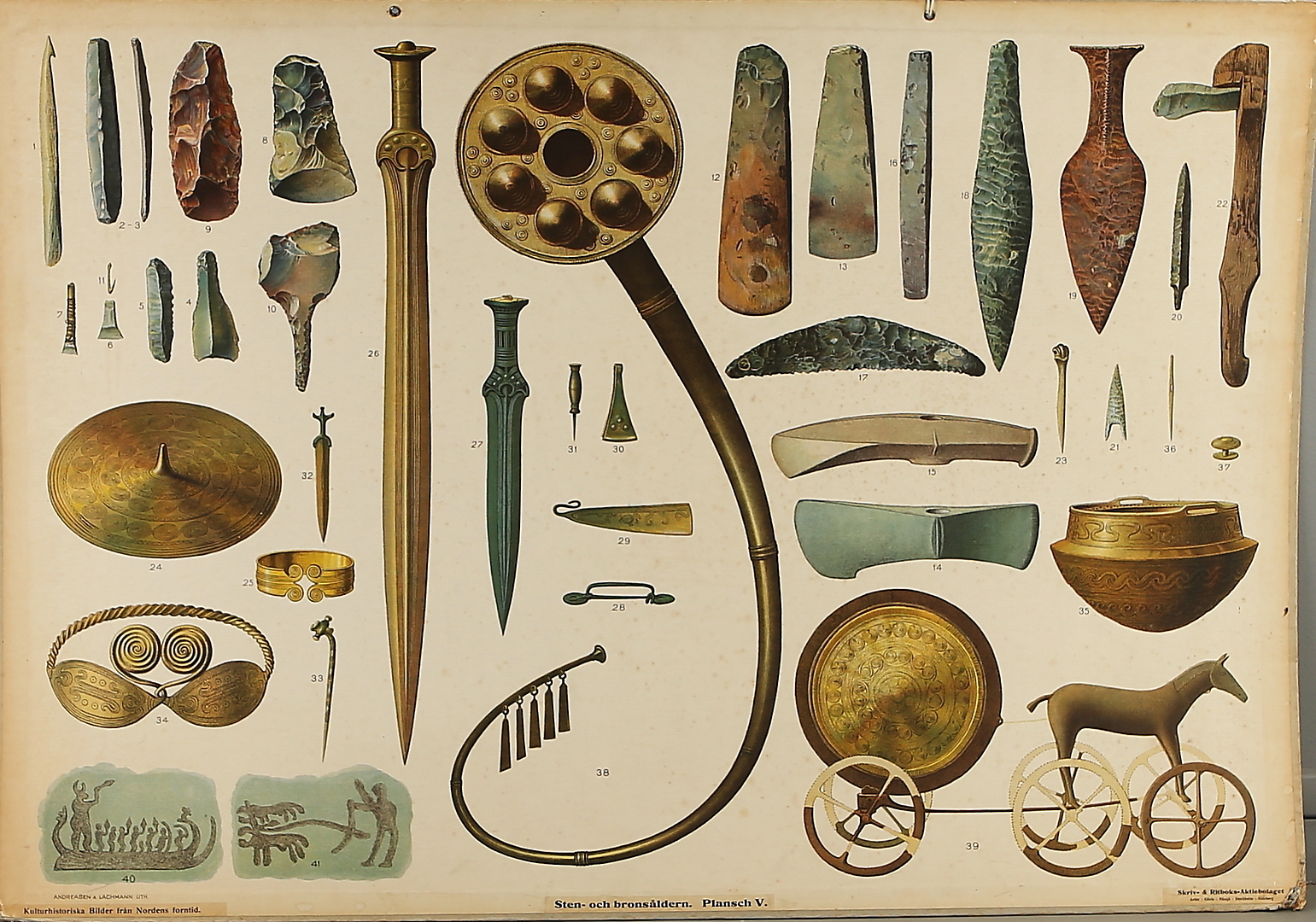
The transition to bronze required a sophisticated understanding of thermodynamics and chemistry. Stone tools were subtractive; you carved away material to find the tool within. Bronze was additive and transformative. By heating copper and tin to specific temperatures and combining them in a roughly 9:1 ratio, ancient engineers created a material that was harder than pure copper and could be cast into complex shapes.
This ability to cast metal allowed for the mass production of standardized tools. For the first time, a civilization could outfit an entire workforce or military with uniform equipment. This was the earliest iteration of the “product prototype” model. Once a mold was perfected, the design could be replicated indefinitely, ensuring quality control and consistency across the entire “user base.”
The Precision of Alloying: Early Material Science
The real genius of the Bronze Age lay in the iterative testing of alloys. Early smiths experimented with arsenic, lead, and other minerals before settling on tin as the primary hardener for copper. This process mirrors modern R&D departments in tech companies today. They were searching for the optimal balance of tensile strength, malleability, and durability. The resulting bronze was a “disruptive technology” that rendered stone tools obsolete almost overnight in high-performance sectors like construction, agriculture, and defense.
The Infrastructure of Innovation: Supply Chains and Global Trade
If bronze was the “software” that drove the era, the supply chain required to produce it was the “internet” of the ancient world. Bronze is an alloy, and the two primary ingredients—copper and tin—are rarely found in the same geographical location. This scarcity forced disparate cultures to build the world’s first globalized trade network, a precursor to the modern interconnected tech economy.
Tin and Copper: The Semiconductors of Antiquity
Copper was relatively abundant, but tin was the “rare earth mineral” of the Bronze Age. Major deposits were located in distant regions such as Cornwall in modern-day Britain, the Iberian Peninsula, and parts of Central Asia. To get these materials to the manufacturing hubs of Mesopotamia, Egypt, and the Indus Valley, civilizations had to establish sophisticated logistics and transportation networks.
This dependency on distant resources created a geopolitical landscape strikingly similar to today’s semiconductor industry. Just as modern tech hubs rely on a steady flow of silicon and lithium from specific global nodes, Bronze Age cities were at the mercy of long-distance trade routes. If the supply of tin was cut off, the “tech sector” of an ancient city would grind to a halt, leading to economic stagnation and a loss of competitive advantage.
Networking the Known World
The necessity of trade led to the development of advanced maritime technology and overland transport infrastructure. Ships became larger and more seaworthy, utilizing refined sails and hull designs—another tech vertical that flourished during this period. The “data” transmitted along these routes wasn’t just material; it was intellectual property. Techniques for smelting, artistic styles, and mathematical concepts traveled alongside the ingots of metal. The Bronze Age was the first era of high-speed information exchange, facilitated by the physical movement of goods.
Information Management and the Rise of Documentation
As civilizations grew in complexity due to technological advancements, the “analog” methods of managing society began to fail. The human brain could no longer store the vast amounts of data generated by international trade, agricultural surpluses, and labor management. The solution was the development of the world’s first “data storage systems”: writing and standardized mathematics.
Cuneiform and Hieroglyphs: The First Operating Systems
In the tech world, an operating system (OS) provides the framework for applications to run. In the Bronze Age, writing systems like Cuneiform in Sumer and Hieroglyphs in Egypt served as the OS for the state. These systems allowed for the recording of contracts, the tracking of inventory, and the codification of laws.
Writing was a transformative technology that enabled “asynchronous communication.” A ruler’s decree or a merchant’s inventory list could exist independently of the person who created it, allowing information to persist across time and space. This was the birth of the information economy. The ability to store and retrieve data gave Bronze Age states a massive “computational” advantage over their less organized neighbors.
Record-Keeping for Resource Management
The sophistication of Bronze Age accounting is often overlooked as a technical achievement. Archaeologists have discovered thousands of clay tablets that are essentially ancient spreadsheets. They track the distribution of grain, the payment of wages, and the allocation of bronze tools to workers. This level of resource management required a standardized system of weights and measures—another critical tech layer. Without these protocols for data standardization, the massive engineering projects of the era, such as the Pyramids of Giza or the urban planning of Mohenjo-Daro, would have been impossible.
The Late Bronze Age Collapse: A Warning for the Silicon Age
The Bronze Age did not end with a slow decline but with a sudden and catastrophic “system failure” known as the Late Bronze Age Collapse (c. 1200 BCE). Within a single generation, several of the world’s most advanced civilizations—the Mycenaeans, the Hittites, and the New Kingdom of Egypt—either vanished or were severely diminished. For modern tech observers, this event serves as a cautionary tale about the risks of hyper-complexity and systemic dependency.
Systemic Dependency and the Risk of Centralization
The very innovations that made the Bronze Age successful—global trade, specialized labor, and centralized administration—also made it fragile. The “just-in-time” supply chain for tin meant that a disruption in one part of the world (perhaps due to natural disaster, internal revolt, or migration) had a cascading effect across the entire network.
In modern terms, the Bronze Age suffered from a lack of “redundancy.” When the trade routes failed, the technology failed. Without tin, there was no bronze. Without bronze, there were no tools for agriculture or weapons for defense. The collapse was a “cascading system failure” where the failure of one node led to the total shutdown of the network.

The Shift to Iron: A Hard Fork in Technology
The end of the Bronze Age cleared the way for the Iron Age. Iron was more difficult to work with—requiring much higher smelting temperatures—but the raw material was available everywhere. The shift from bronze to iron can be viewed as a “hard fork” in human technology. It moved the world toward a more decentralized and resilient model.
The Bronze Age remains the most significant example of how technology can build a world of incredible splendor and complexity, while simultaneously creating vulnerabilities that can lead to its own undoing. It was an era that proved that technology is not just about the tools we make, but about the systems we build around them. As we navigate our own era of rapid AI integration and global digital reliance, the Bronze Age stands as a blueprint for both the heights of human innovation and the inherent risks of a highly integrated technical society.
aViewFromTheCave is a participant in the Amazon Services LLC Associates Program, an affiliate advertising program designed to provide a means for sites to earn advertising fees by advertising and linking to Amazon.com. Amazon, the Amazon logo, AmazonSupply, and the AmazonSupply logo are trademarks of Amazon.com, Inc. or its affiliates. As an Amazon Associate we earn affiliate commissions from qualifying purchases.