
The question of which carnivorous dinosaur reigned supreme in terms of size has long captured the human imagination. These apex predators, with their formidable jaws and razor-sharp claws, evoke a primal awe that transcends time. While the answer to “the biggest” has evolved with new discoveries, the journey to understanding these colossal creatures is a testament to the relentless march of technological innovation in paleontology. From the rudimentary digs of the 19th century to the sophisticated digital modeling of today, technology has been the indispensable tool in unearthing the secrets of Earth’s most fearsome hunters. This article will delve into the technological advancements that have shaped our understanding of the largest carnivorous dinosaurs, exploring the tools and techniques that allow us to reconstruct their immense forms and grasp their place in prehistoric ecosystems.

The Evolving Landscape of Paleontological Discovery: From Pickaxes to Satellites
The quest to discover and identify large carnivorous dinosaurs has been fundamentally shaped by technological progress. Early paleontologists relied on sheer grit, basic excavation tools, and keen observational skills. Today, a suite of advanced technologies complements these foundational methods, enabling more precise and extensive discoveries.
Early Excavation and the Dawn of Fossil Technology
The 19th and early 20th centuries witnessed the initial “bone wars” and the discovery of some of the most iconic theropods. While the tools were basic—hammers, chisels, picks, and shovels—the methodology was a precursor to modern excavation. The development of plaster jackets for fossil preservation was, in its own right, a technological innovation that allowed for the safe transport of fragile specimens. The sheer scale of these early expeditions, often involving large teams and significant logistical planning, represented a considerable technological undertaking for their time, demonstrating the application of engineering principles to scientific exploration.
Modern Exploration: GIS, Remote Sensing, and Digital Excavation
The 21st century has revolutionized fieldwork. Geographic Information Systems (GIS) allow paleontologists to precisely map fossil sites, analyze geological formations for potential fossil beds, and manage vast datasets from multiple expeditions. Satellite imagery and drone technology provide aerial perspectives, enabling the identification of promising outcrops in remote or inaccessible areas, a significant leap from relying solely on ground surveys. Furthermore, Ground Penetrating Radar (GPR) and magnetometry are increasingly used to detect buried fossils without disruptive excavation, offering a non-invasive approach that preserves the integrity of the archaeological record. This technological integration not only accelerates the discovery process but also enhances the scientific rigor of the findings.
Reconstructing Giants: The Power of Digital Paleontology and Biomechanics
Once fossils are unearthed, the real challenge begins: piecing together the skeleton and understanding how these massive animals lived. This is where the most profound technological transformations have occurred, moving from physical models to sophisticated digital simulations.
3D Scanning and Virtual Reconstruction
The advent of 3D scanning technology has been a game-changer. Laser scanners and photogrammetry capture the intricate details of fossilized bones with remarkable accuracy, creating digital replicas. These digital models can be manipulated, measured, and analyzed with unprecedented precision. Instead of solely relying on physical casts and reconstructions, paleontologists can now assemble entire skeletons virtually, filling in missing elements using statistical models derived from related specimens. This digital approach significantly reduces the risk of damage to the original fossils and allows for wider access and collaborative research across institutions worldwide.
Computational Fluid Dynamics (CFD) and Finite Element Analysis (FEA)
Understanding the biomechanics of these ancient giants—how they moved, hunted, and interacted with their environment—is a complex endeavor. Computational Fluid Dynamics (CFD) is employed to simulate airflow around dinosaur skulls, providing insights into their sense of smell and potential vocalizations. Finite Element Analysis (FEA) allows researchers to model the stresses and strains on dinosaur bones and teeth, revealing bite forces and the mechanics of predation. By applying these advanced engineering simulation techniques, scientists can move beyond speculation to provide quantitative data on the capabilities of these extinct creatures. For instance, FEA has been crucial in estimating the bite force of Tyrannosaurus rex, indicating it could generate pressures far exceeding those of modern crocodiles.
Paleontological Animation and Virtual Reality (VR)
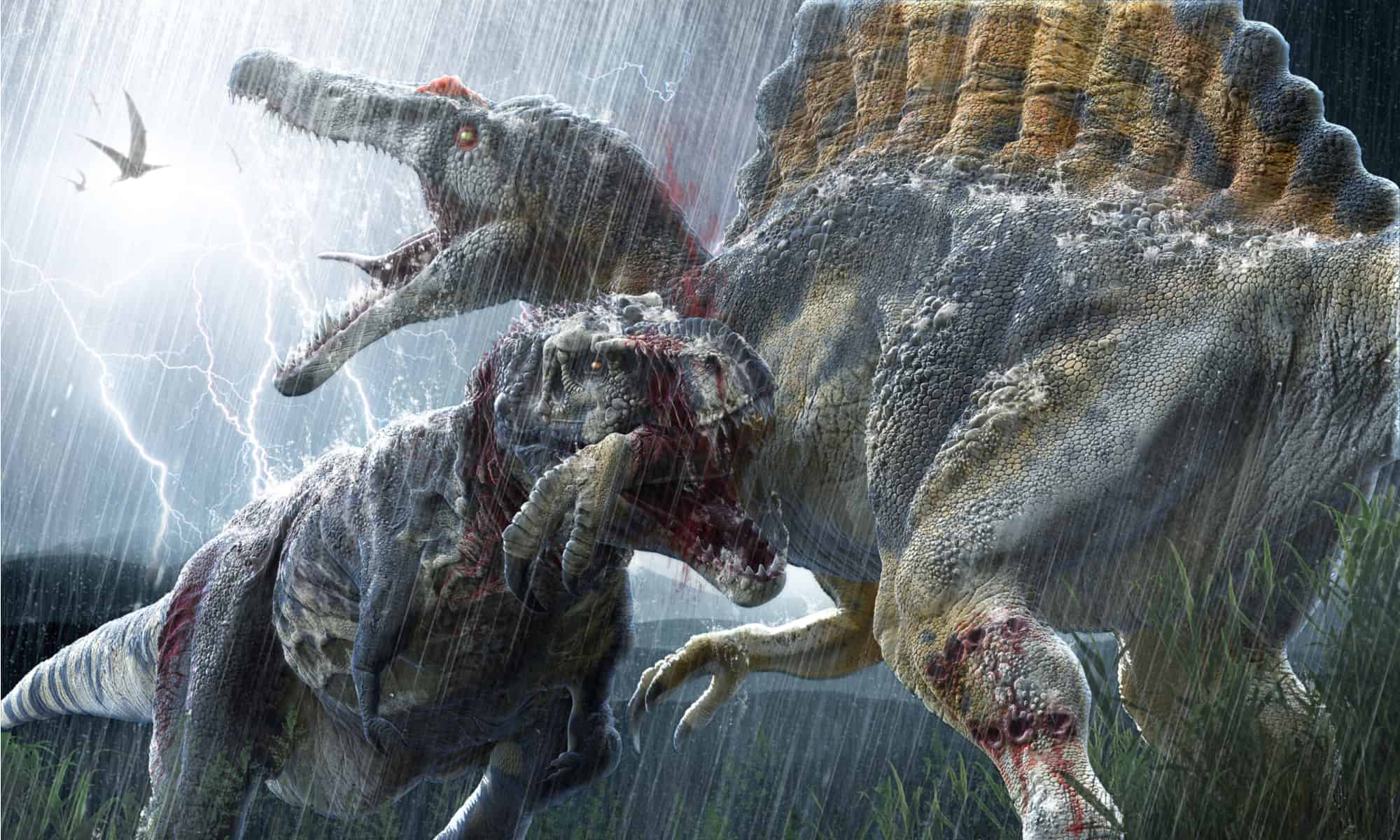
The dissemination of scientific findings has also been transformed by technology. High-fidelity 3D models generated from scans can be used to create lifelike animations and visualizations of dinosaurs in motion. This allows the public and scientific community alike to visualize these creatures as they might have appeared in life, moving and interacting. Virtual Reality (VR) and Augmented Reality (AR) are further pushing the boundaries, offering immersive experiences that allow users to virtually walk alongside a colossal Spinosaurus or explore the hunting grounds of a Giganotosaurus. These technologies not only enhance understanding but also foster a deeper connection with prehistoric life.
The Titans of Terror: Technological Debates and Discoveries
The title of “biggest carnivorous dinosaur” is not a static one; it’s a subject of ongoing debate fueled by new discoveries and refined analytical techniques. Technology plays a critical role in these scientific discussions, providing the data and analytical frameworks to support or challenge existing hypotheses.
The Reign of Tyrannosaurus rex: A Technological Icon
For decades, Tyrannosaurus rex held an almost undisputed claim to the title of the largest carnivorous dinosaur. The sheer volume of research, enabled by advancements in excavation and fossil analysis, has solidified its iconic status. Technological applications, from sophisticated CT scanning of its skull to biomechanical studies of its bite, have painted a detailed picture of this Late Cretaceous predator. However, the “biggest” title is constantly being re-evaluated as new contenders emerge from different geological periods and continents.
Emerging Challengers and Technological Refinements: Spinosaurus and Giganotosaurus
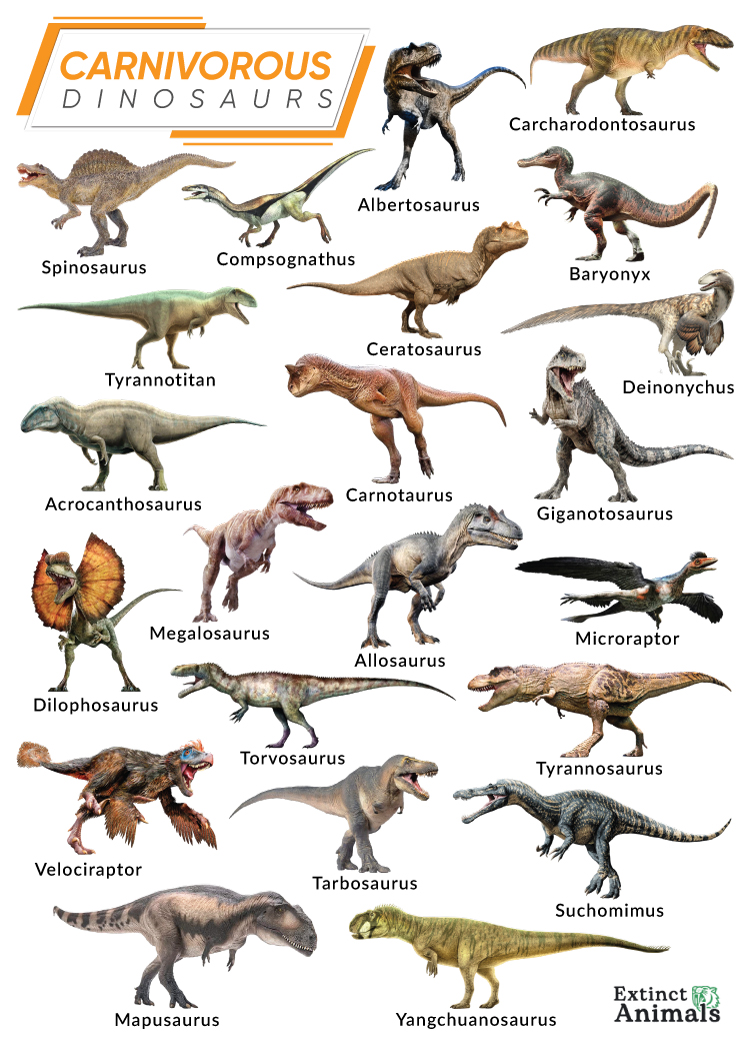
The discovery and ongoing study of Spinosaurus aegyptiacus and Giganotosaurus carolinii have challenged T. rex‘s dominance. Spinosaurus, in particular, has undergone significant reinterpretation thanks to new fossil finds and advanced imaging techniques. Its semi-aquatic lifestyle, sail-like dorsal structure, and unique adaptations for hunting in riverine environments have been illuminated by detailed analysis of its bone histology and skull morphology. Similarly, Giganotosaurus, discovered in Argentina, rivals T. rex in length, though its build is generally considered more slender. The ongoing debate about which was truly “bigger”—whether by weight, length, or other metrics—is a prime example of how technology allows for nuanced scientific discussion. Technologies like digital morphometrics, which allow for precise comparison of skeletal proportions across different specimens, are essential in these ongoing scientific dialogues. The ability to reconstruct incomplete skeletons using advanced modeling techniques and then compare these reconstructions virtually is revolutionizing how paleontologists assess the relative sizes of these magnificent beasts.
The Role of Digital Databases and Collaborative Research
The digital age has fostered unprecedented collaboration among paleontologists worldwide. Online databases of fossil scans, 3D models, and research papers allow scientists to access and analyze data from virtually anywhere. This collaborative ecosystem, powered by robust digital infrastructure, accelerates the pace of discovery and refinement of our understanding of prehistoric life. When a new, large carnivorous dinosaur fossil is found, the ability to compare its digital representation against vast archives of existing data, utilizing sophisticated comparative anatomy software, allows for rapid identification and preliminary assessment of its significance.
The Future of Gigantic Discovery: Predictive Modeling and AI
The trajectory of paleontological research is undeniably intertwined with the continuous evolution of technology. As we look ahead, emerging technologies like artificial intelligence (AI) and advanced predictive modeling promise to further transform how we search for, analyze, and understand the biggest carnivorous dinosaurs.
AI in Fossil Discovery and Classification
Artificial intelligence is beginning to play a significant role in paleontological research. Machine learning algorithms can be trained on vast datasets of geological formations to identify potential fossil-bearing strata, increasing the efficiency of exploration. AI can also assist in the painstaking process of fossil identification and classification, analyzing patterns in morphology that might be too subtle for the human eye to detect consistently. This could lead to the identification of new species and a more comprehensive understanding of dinosaur diversity.
Predictive Modeling for Unseen Giants
Advanced computational modeling, powered by AI, is also being used to predict where undiscovered fossils might be found. By analyzing factors like geological history, known fossil distribution, and environmental conditions of the Mesozoic Era, researchers can develop models that highlight areas with a higher probability of yielding new discoveries. This targeted approach, driven by technological foresight, could lead to the unearthing of even larger and more awe-inspiring carnivorous dinosaurs than we have yet encountered. The ongoing quest for the “biggest” is not just about finding bigger bones, but about leveraging sophisticated technological tools to unlock the secrets of prehistoric life with ever-increasing clarity and precision.
aViewFromTheCave is a participant in the Amazon Services LLC Associates Program, an affiliate advertising program designed to provide a means for sites to earn advertising fees by advertising and linking to Amazon.com. Amazon, the Amazon logo, AmazonSupply, and the AmazonSupply logo are trademarks of Amazon.com, Inc. or its affiliates. As an Amazon Associate we earn affiliate commissions from qualifying purchases.