
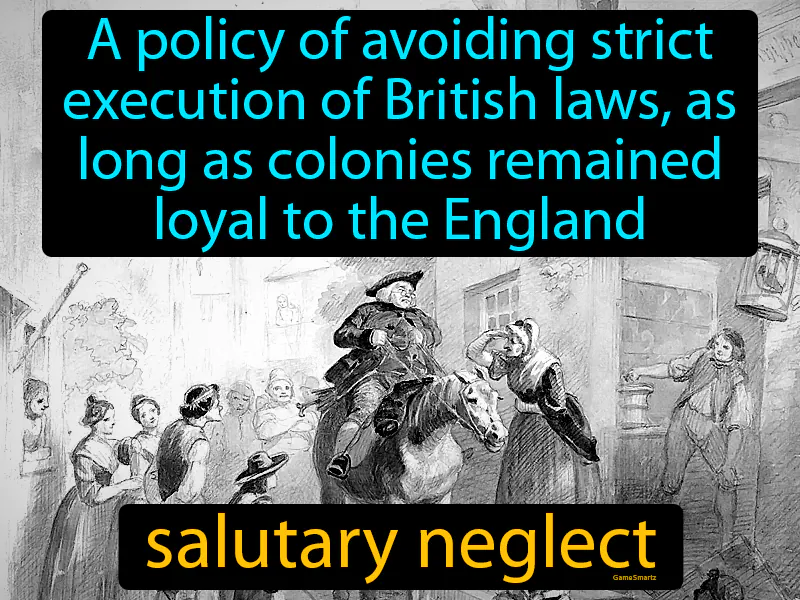
The term “salutary neglect” is a historical descriptor, most commonly associated with the British Empire’s approach to its North American colonies in the 17th and 18th centuries. It refers to a policy of loosely enforcing parliamentary laws and regulations, particularly trade and navigation acts, within the colonies. This period, often characterized by a relaxed administrative grip, allowed the colonies a significant degree of self-governance and economic autonomy. While seemingly a hands-off approach, it was a deliberate, albeit unwritten, strategy born out of practical considerations and a prevailing political philosophy. Understanding salutary neglect is crucial for grasping the complex relationship between Britain and its colonies, and it profoundly shaped the trajectory that eventually led to the American Revolution.
The Foundations of a Hands-Off Approach
The concept of salutary neglect wasn’t a formal decree but rather an evolving practice. It stemmed from a combination of factors, including the vastness of the empire, the prevailing political climate in Britain, and the nascent stage of colonial development.
Imperial Ambitions and Practical Realities
From the outset, the British Empire’s ambitions for its overseas territories were primarily economic. Colonies were seen as sources of raw materials and markets for finished goods. However, the sheer distance and the challenges of administering a sprawling empire meant that direct, heavy-handed control was often impractical. Governing the colonies required resources and attention that were frequently diverted to European conflicts and domestic concerns. This logistical hurdle created an inherent space for colonial autonomy to grow.
Mercantilism and its Uneven Enforcement
The dominant economic theory guiding British colonial policy was mercantilism. This system aimed to maximize a nation’s wealth and power by maintaining a favorable balance of trade, exporting more than importing, and accumulating precious metals. For colonies, this meant they were expected to serve the mother country by providing raw materials and purchasing British manufactured goods. The Navigation Acts, a series of laws passed from the mid-17th century onwards, were the primary instruments of mercantilist policy. These acts restricted colonial trade to British ships and ports, aiming to prevent rival European powers from benefiting from colonial commerce.
However, the enforcement of these acts was notoriously lax, especially in the early to mid-18th century. Smuggling was rampant, and colonial merchants often found ways to circumvent the regulations, trading with other colonies or even directly with European powers. British officials were often overwhelmed, understaffed, or simply unwilling to strictly enforce laws that could provoke widespread discontent or require significant military and naval presence. This selective enforcement was a key characteristic of salutary neglect; while the laws existed, their practical application was often minimized.
The Enlightenment and the Seeds of Self-Governance
The intellectual currents of the Enlightenment also played a role. Philosophers like John Locke espoused theories of natural rights, limited government, and the consent of the governed. These ideas circulated widely in the colonies and provided a philosophical framework for questioning absolute authority. As colonies developed their own institutions—assemblies, courts, and local governance structures—they gained experience in self-rule. Salutary neglect allowed these institutions to mature and become deeply ingrained in colonial life, fostering a sense of independence and self-reliance that would later prove significant.
The Nature of “Neglect”
It is crucial to understand that “salutary neglect” was not a complete absence of governance. Rather, it was a calculated, if unstated, policy of indirect rule. Britain maintained its sovereignty, appointed colonial governors, and retained the ultimate authority to legislate. However, for extended periods, the focus was on maintaining peace, collecting some revenue, and ensuring that the colonies remained loyal and economically beneficial, without imposing stringent controls that might disrupt these objectives.
Colonial Autonomy in Practice
Under salutary neglect, colonial assemblies gained considerable power. They controlled taxation, which gave them leverage over colonial governors, who depended on these funds for their salaries. This allowed colonial legislatures to effectively shape local policy and manage internal affairs. Furthermore, colonial economies, while nominally restricted by mercantilist laws, developed a significant degree of flexibility. Smuggling and inter-colonial trade flourished, creating prosperous mercantile classes and fostering economic diversity.
The absence of constant interference from the Crown allowed for the development of unique colonial identities and social structures. While loyal to the British monarch, colonists began to see themselves as distinct from their British counterparts, with their own interests and ways of life. This burgeoning sense of self-awareness was a direct, albeit unintended, consequence of Britain’s relaxed oversight.
British Motivations and the “Greater Good”
From the British perspective, this period of loose control served several purposes. Firstly, it was often more cost-effective than maintaining a large administrative and military presence. Secondly, it minimized friction and rebellion, allowing the colonies to grow and prosper, thus increasing their eventual value to the empire. As long as the colonies were profitable and loyal, Britain was often content to allow them a considerable degree of freedom. The “neglect” was, in essence, a recognition that a heavy hand could be counterproductive to the empire’s long-term interests.
The Erosion of Salutary Neglect
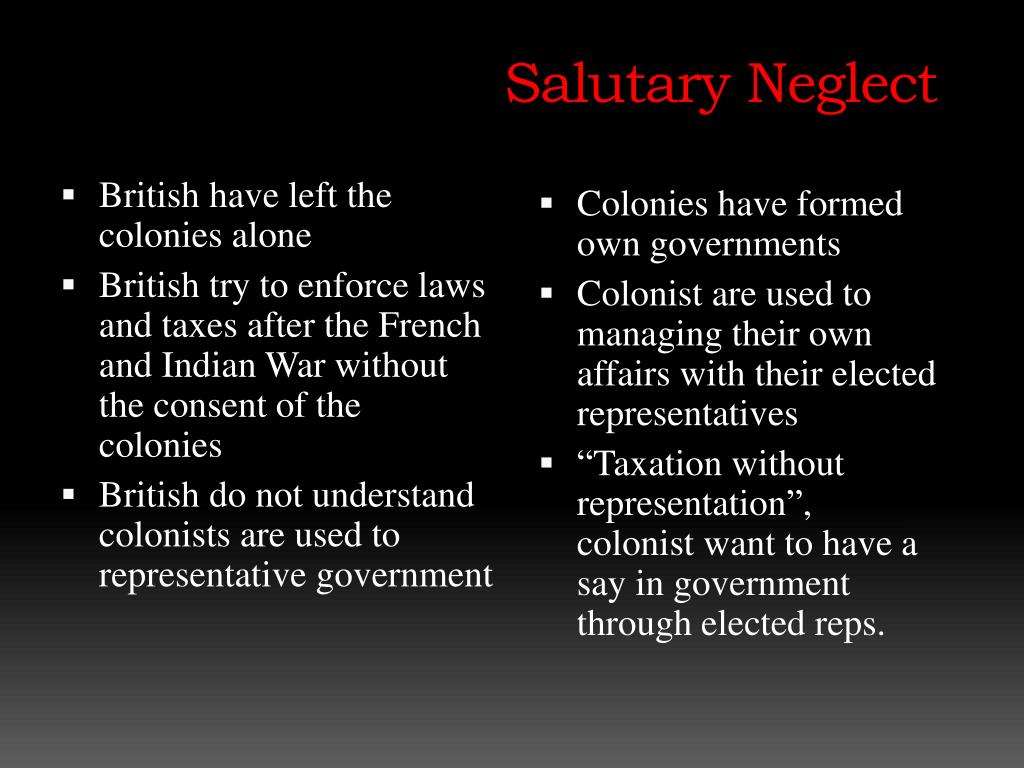
The period of salutary neglect was not a static condition. It gradually eroded, particularly after the Seven Years’ War (known as the French and Indian War in North America) concluded in 1763. Britain emerged from the war victorious but deeply in debt. This financial strain, coupled with a renewed desire to assert imperial control and extract revenue from the colonies, led to a significant shift in British policy.
The Aftermath of the Seven Years’ War
The Seven Years’ War was a costly conflict for Britain, both in terms of financial expenditure and human lives. The war also highlighted the vulnerabilities of the colonies and the need for a more unified imperial defense. Following the war, the British government, under Prime Minister George Grenville, sought to implement a more rigorous system of governance and taxation in the colonies. The prevailing sentiment in Parliament was that the colonies should contribute more significantly to the costs of their own defense and administration.
New Policies and Increased Taxation
The shift away from salutary neglect was marked by a series of new policies and the stricter enforcement of existing laws. Acts such as the Sugar Act (1764), the Stamp Act (1765), and the Townshend Acts (1767) were introduced, aimed at raising revenue from the colonies. These measures were perceived by many colonists as a direct violation of their rights and liberties, which they had come to enjoy under the period of salutary neglect. The cry of “no taxation without representation” became a rallying cry, reflecting the colonists’ belief that they should not be subjected to taxes levied by a Parliament in which they had no elected representatives.
The Growing Divide
The imposition of these new taxes and the increased British presence—including troops stationed in the colonies—created significant friction. Smuggling and resistance became more organized. Events like the Boston Massacre (1770) and the Boston Tea Party (1773) were direct manifestations of this growing tension. The colonists, accustomed to a high degree of autonomy, viewed these British actions as an infringement on their freedoms and a move towards tyranny.
The Legacy of Salutary Neglect
Salutary neglect, despite its eventual end, left an indelible mark on the development of the American colonies and the eventual formation of the United States. Its legacy is multifaceted, shaping political thought, economic structures, and the very identity of the colonists.
Fostering Self-Reliance and Political Maturity
The period of lax enforcement allowed colonial institutions to mature and colonial populations to develop a profound sense of self-reliance. They learned to govern themselves, manage their economies, and resolve disputes without constant oversight from London. This cultivated a spirit of independence and a belief in their capacity for self-governance. When Britain attempted to reassert more direct control, it was met with resistance born from these ingrained habits of autonomy.
The Roots of American Identity
The relative freedom experienced under salutary neglect contributed to the development of a distinct American identity. While still British subjects, colonists began to see themselves as separate from Britain, with their own interests and aspirations. This burgeoning national consciousness, fueled by shared experiences and a growing sense of common grievances against perceived British overreach, laid crucial groundwork for the eventual movement towards independence.
The Irony of Imperial Policy
The irony of salutary neglect is that a policy intended to maintain a profitable and loyal empire ultimately contributed to its dissolution. By allowing the colonies to develop a strong sense of self-governance and independence, Britain inadvertently sowed the seeds of its own colonial rebellion. The “neglect” created conditions where the colonies were less likely to accept increased control and taxation, ultimately proving to be a fragile foundation upon which to build an enduring imperial relationship. The end of salutary neglect marked a pivotal moment, transforming a period of relative harmony into one of increasing conflict, and setting the stage for a revolution that would redefine the political landscape of the Western world.
aViewFromTheCave is a participant in the Amazon Services LLC Associates Program, an affiliate advertising program designed to provide a means for sites to earn advertising fees by advertising and linking to Amazon.com. Amazon, the Amazon logo, AmazonSupply, and the AmazonSupply logo are trademarks of Amazon.com, Inc. or its affiliates. As an Amazon Associate we earn affiliate commissions from qualifying purchases.