
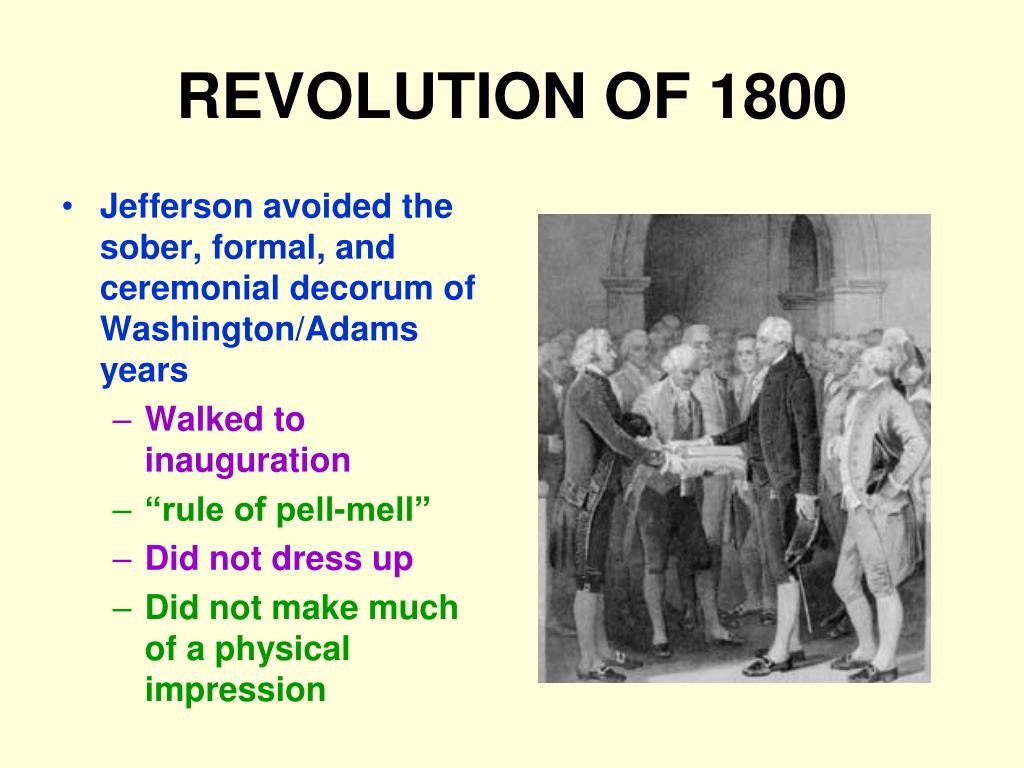
The year 1800 often garners the moniker “The Revolution of 1800” not for violent overthrow, but for a profound, albeit peaceful, redefinition of America’s nascent political “brand.” It marked a pivotal moment where the young republic tested and ultimately solidified its core identity, transitioning from one dominant political philosophy to another without resorting to civil strife. This bloodless revolution wasn’t merely a change in leadership; it was a fundamental recalibration of the nation’s operating system, its public face, and the very concept of democratic governance—a strategic rebranding that established enduring precedents for the American experiment.

Redefining the “Brand” of American Governance
The United States, barely a decade into its constitutional existence, found its “corporate identity” challenged and subsequently reshaped in 1800. The preceding Federalist era, under presidents Washington and Adams, had established a brand emphasizing strong central government, financial stability, and a more deferential relationship with the elite. This vision, while effective in stabilizing the new nation, began to feel exclusionary and aristocratic to a growing segment of the populace.
The Democratic-Republicans, led by Thomas Jefferson, offered a counter-brand. Their platform centered on states’ rights, agrarianism, limited government, and a deep trust in the common citizen. This ideological divergence represented more than just policy differences; it was a battle over the soul of the nation, its fundamental values, and its future direction. The “revolution” was the successful implementation of this alternative brand vision.
The Peaceful Transfer of Power: A Core Brand Differentiator
Perhaps the most revolutionary aspect, from a branding perspective, was the demonstration of a peaceful transfer of executive power from one political party to another. In an era marked by monarchies, coups, and violent successions across the globe, the American transition in 1800 stood as an unprecedented triumph of constitutional process. This event didn’t just happen; it was strategically executed, albeit imperfectly, through the electoral system.
This peaceful transition became an indelible part of the American “brand identity,” signaling to both domestic and international audiences that the nation’s commitment to republican principles was stronger than partisan animosity. It differentiated the U.S. from its European counterparts, presenting a model of governance where power derived from the consent of the governed, even when that consent led to a complete shift in political direction. It provided a powerful narrative, a proof point that the American experiment in self-governance was viable and resilient, capable of self-correction without self-destruction. This became a foundational element of its global reputation and internal civic pride.
The Genesis of Political Party “Branding”
The election of 1800 was instrumental in solidifying the concept of organized political parties as distinct “brands” vying for public support. Before this, parties were often viewed with suspicion, seen as factions antithetical to republican unity. However, the Federalists and Democratic-Republicans, through their contrasting ideologies and emerging organizational structures, began to function much like modern political brands.
Each party cultivated a specific image, articulated a coherent platform, and utilized nascent communication channels to convey its message to the electorate. The Federalists branded themselves as the party of order, commerce, and national strength, often appealing to urban merchants and established elites. Their messaging emphasized continuity, stability, and the dangers of popular excess.
In stark contrast, the Democratic-Republicans branded themselves as the champions of the common man, individual liberty, and agrarian virtue. Their messaging often decried perceived Federalist elitism and monarchical tendencies, promising a government more responsive to the will of the people and less prone to centralizing power. This clash of distinct brand narratives was central to the election, compelling voters to choose not just between individuals, but between fundamentally different visions for the national enterprise.
Platform as Product: Defining the Offerings
The specific policy platforms of each party functioned as their “product offerings.” Federalists, for instance, advocated for a national bank, tariffs, and a strong navy—elements designed to foster economic growth and project national power. These were concrete proposals that formed the basis of their appeal to specific constituencies.
The Democratic-Republicans countered with a product offering focused on reducing the national debt, dismantling the Alien and Sedition Acts, and promoting agricultural expansion. These were promises of smaller government, greater individual freedoms, and an economic model rooted in land and labor. The election became a referendum on these competing “products,” forcing citizens to consider which vision aligned best with their interests and the future they envisioned for the republic. This early form of political branding, with distinct products and target audiences, laid the groundwork for the two-party system that would become a defining characteristic of American democracy.
Personal Branding in an Emerging Democracy
The election of 1800 was also a masterclass in early American personal branding, as the contrasting figures of John Adams and Thomas Jefferson presented remarkably different public personas to the nation. These leaders were not merely candidates; they embodied the very “spirit” of their respective party brands.
John Adams, the incumbent Federalist, projected an image of dignified experience, intellectual rigor, and unwavering commitment to constitutional order. His personal brand was one of gravitas, stern virtue, and a perhaps less accessible, more austere leadership style. He was seen as a product of the Revolutionary generation, embodying the established authority and tradition that Federalists cherished. However, his perceived aloofness and association with unpopular acts like the Alien and Sedition Laws created vulnerabilities in his personal brand, making him appear less sympathetic to the evolving democratic sentiments.
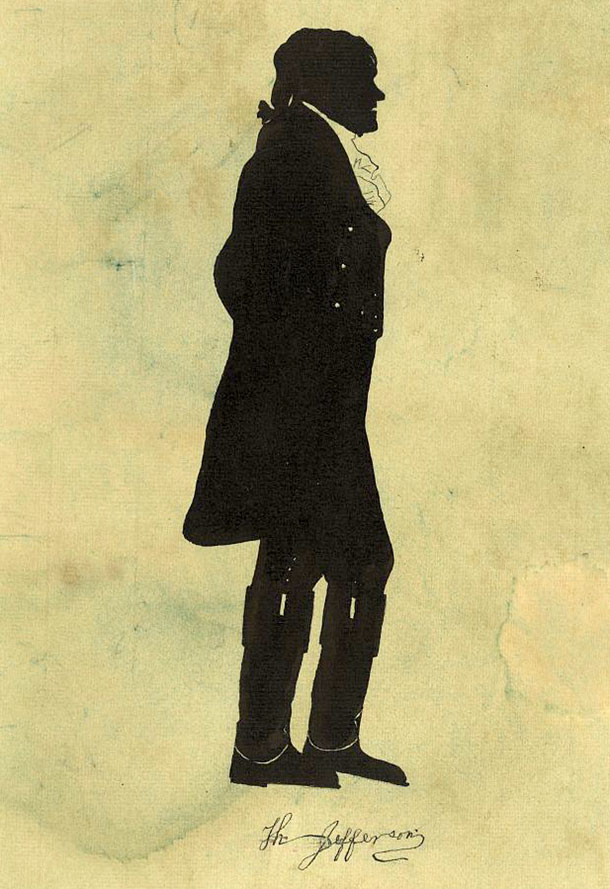
Thomas Jefferson, the Democratic-Republican challenger, cultivated a personal brand rooted in intellectualism, republican virtue, and a strong connection to the common citizen, despite his own aristocratic background. He was portrayed as the champion of liberty, an eloquent philosopher, and a man deeply committed to the principles of equality and self-governance. His personal brand was one of accessibility, idealism, and a forward-looking vision for an agrarian republic. His image as a “man of the people” resonated deeply with a broader electorate eager for a less centralized, more representative government.
The campaign saw extensive efforts to define and attack these personal brands. Federalist newspapers often painted Jefferson as an atheist and a radical, dangerous to the social order. Conversely, Democratic-Republican presses depicted Adams as a monarchist, an elitist, and a threat to republican liberties. This intense focus on the character, philosophy, and perceived intentions of the candidates underscored the critical role of personal branding in shaping public opinion, even in an era without modern media. Voters weren’t just choosing policies; they were choosing the man they believed best embodied the “brand” of America they wished to see endure.
Marketing Democracy: Early Campaign Strategies and Public Perception
While lacking the sophisticated marketing tools of today, the “Revolution of 1800” employed nascent yet effective strategies to market political “brands” and influence public perception. The primary vehicle for this was the partisan press, which served as both public relations arm and attack dog for each party.
Newspapers, though limited in circulation compared to later eras, played a crucial role in disseminating party platforms, extolling the virtues of their candidates, and—crucially—vilifying their opponents. Editors were often ardent partisans, crafting articles, essays, and even satirical pieces designed to sway opinion. This created an early form of media ecosystem where information was highly curated and often highly biased, shaping public narratives around each political brand.
Beyond the press, rudimentary forms of grassroots organizing emerged. Local committees, informal networks of supporters, and public meetings helped to mobilize voters and spread party messages. Rhyming jingles, pamphlets, and handbills, though less common than newspaper articles, also contributed to the branding effort, distilling complex political ideas into digestible forms for a broader, often less literate, audience.
Shaping the Narrative: Emotional Appeals and Fear-Mongering
Both Federalists and Democratic-Republicans understood the power of emotional appeal and even fear-mongering in shaping public perception of their respective brands. Federalists warned of the dangers of “mob rule” and the potential for anarchy if Jefferson’s radical vision took hold, branding him as a threat to religion and social order. Their messaging aimed to instill a sense of fear about rapid change and to reinforce the idea that their brand represented stability and tested leadership.
Democratic-Republicans countered by portraying Federalists as aristocratic, tyrannical, and secretly plotting to reestablish monarchy. They evoked revolutionary fervor, suggesting that the Federalist brand was a betrayal of the very principles for which America had fought. This strategic use of emotional appeals, linking their brand to freedom and their opponents’ to oppression, proved highly effective in galvanizing their base and persuading undecided voters. This early exercise in narrative control highlighted the potent connection between brand perception and electoral success.
The Enduring Brand Legacy: A Blueprint for Democratic Identity
The “Revolution of 1800” bequeathed an enduring brand legacy that profoundly shaped the identity of American democracy. It demonstrated that robust partisan competition, even when bitter, could coexist with constitutional fidelity. The peaceful transfer of power, born from this intensely contested election, became a fundamental tenet of the American “brand”—a testament to the strength of its institutions and its commitment to the rule of law over personal ambition.
This event solidified the role of political parties as legitimate, though sometimes fractious, mechanisms for expressing public will and organizing governance. It established the idea that the nation’s direction could indeed change dramatically based on electoral outcomes, providing a blueprint for how a republic could continually renew itself through the ballot box.
In essence, 1800 was a branding triumph for the American experiment. It showcased a national identity capable of self-correction, adapting its philosophical underpinnings without succumbing to the violent upheavals common in other nations. It redefined what it meant to be an American, shifting the national brand towards a more inclusive, democratic, and adaptable vision that would resonate for centuries. The revolution was not in the destruction of an old order, but in the successful rebranding of a nation’s core principles, proving the durability and dynamism of its founding ideals.
aViewFromTheCave is a participant in the Amazon Services LLC Associates Program, an affiliate advertising program designed to provide a means for sites to earn advertising fees by advertising and linking to Amazon.com. Amazon, the Amazon logo, AmazonSupply, and the AmazonSupply logo are trademarks of Amazon.com, Inc. or its affiliates. As an Amazon Associate we earn affiliate commissions from qualifying purchases.