
In the early 1990s, the world witnessed one of the most unexpected pivots in the history of global icons. Michael Jordan, at the absolute zenith of his professional basketball career, walked away from the Chicago Bulls to pursue a childhood dream: professional baseball. While sports historians often focus on his batting average or the physical toll of the transition, brand strategists look at this period as a masterclass in personal branding, identity management, and the resilience of a corporate persona.
At the center of this narrative is a single, significant digit change. When Michael Jordan stepped onto the diamond for the Birmingham Barons, he didn’t wear his iconic #23. Instead, he donned the number 45. This choice was not merely a logistical necessity; it was a profound exercise in brand storytelling. Understanding why Michael Jordan chose baseball number 45—and how it influenced his global identity—offers invaluable lessons for modern brand strategy and personal brand architecture.
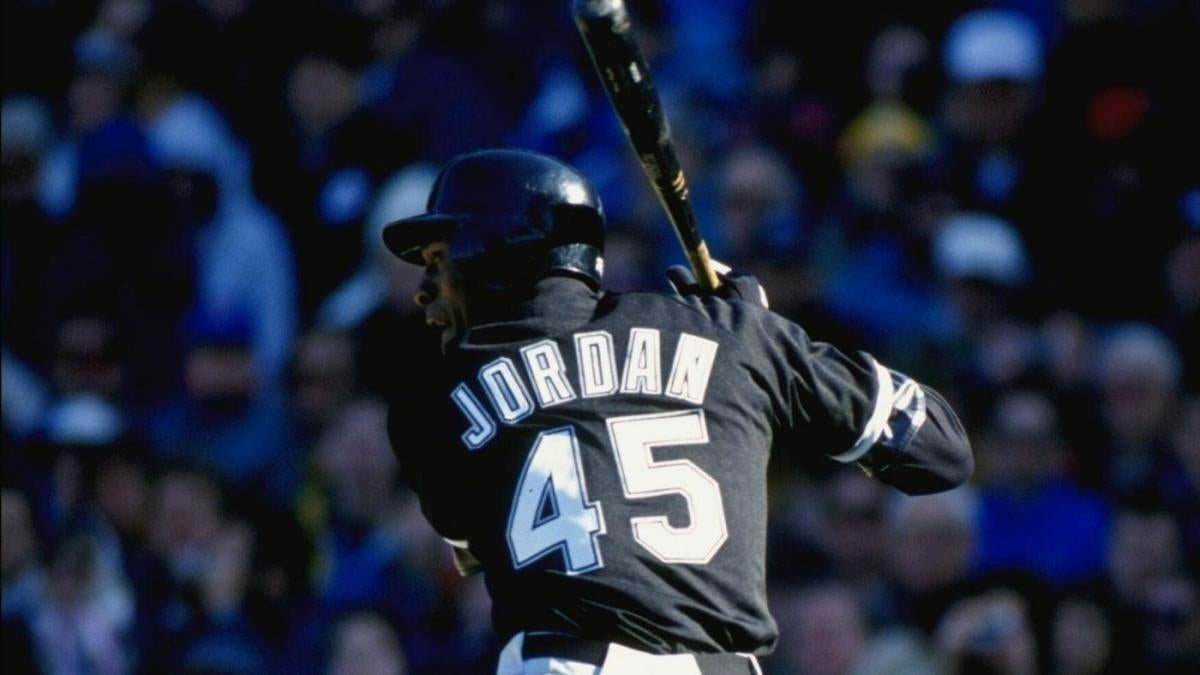
The Identity Shift: Why Number 45 Defined a New Chapter
In the world of personal branding, visual cues are everything. For Jordan, the number 23 had become more than just a jersey number; it was a trademark, a logo, and a symbol of perfection. By choosing to wear #45 during his tenure with the Birmingham Barons, Jordan was strategically distancing his new venture from his established legacy, allowing for a “reset” of expectations while maintaining a deeply personal narrative.
The Psychology of Brand Storytelling
Every strong brand needs a “why.” Jordan’s shift to baseball was fueled by the tragic loss of his father, James Jordan, who had always envisioned his son as a Major League Baseball player. In his youth, Michael had worn #45 on the baseball field, only switching to #23 in basketball because his older brother Larry also wore #45.
From a branding perspective, this was a brilliant move. It humanized an “unbeatable” icon. By reclaiming #45, Jordan communicated that this wasn’t about the “Air Jordan” persona—the invincible dunker—but about Michael the son, the dreamer, and the competitor. For a brand, vulnerability and a return to “roots” can often strengthen the bond with an audience more than continued perfection ever could.
Managing Visual Identity During a Pivot
When a brand pivots, it faces the “Legacy Trap”—the risk that the old identity will overshadow the new offering. If Jordan had worn #23 on the baseball field, every strikeout would have felt like a failure of the “Air Jordan” brand. By adopting #45, he created a psychological “firewall.” He was essentially launching a sub-brand. This allowed him to fail, learn, and grow in a new industry without permanently tarnishing the gold standard of his basketball identity.
Brand Resilience: Maintaining Aura Outside the Core Market
One of the most difficult challenges in brand strategy is “Brand Extension”—taking a name synonymous with one product and applying it to another. Michael Jordan’s move to the Chicago White Sox organization (and their minor league affiliate, the Barons) was the ultimate test of brand elasticity. Could the “Jordan” brand survive when the primary product (winning games) was no longer guaranteed?
The Strength of Narrative Over Performance
Michael Jordan’s baseball stats were modest. However, the brand of Michael Jordan thrived. The Birmingham Barons saw record-breaking attendance, and the interest in minor league baseball skyrocketed. This demonstrates a core principle of high-level branding: if the narrative is compelling enough, the market will remain engaged even during a period of “R&D” or lower output quality.
The Jordan brand proved it was “platform agnostic.” Whether he was on a court or a field, the brand essence—unrivaled work ethic, competitiveness, and charisma—remained intact. For modern corporate brands, this highlights the importance of building a brand around values rather than just features. Features can fail, but values are resilient.
The “45” as a Limited Edition Sub-Brand
In marketing, scarcity and timing create value. The era of Jordan wearing #45 became a distinct “era” in the Jordan Brand timeline. To this day, the #45 Barons jersey and the #45 Bulls jersey (worn briefly upon his return) are high-value items for collectors. By changing his number, Jordan inadvertently created a “limited edition” version of himself. This teaches brand managers that even a temporary departure from the norm can be leveraged to create long-term brand equity and collectibility.
The Marketing of a Multidisciplinary Athlete: Corporate Identity and Design

While Jordan was refining his swing in Birmingham, the corporate machinery behind him—most notably Nike—had to navigate a complex branding landscape. How do you market a basketball shoe for a man playing baseball? The answer lay in the innovative integration of corporate identity and lifestyle marketing.
The Air Jordan IX: The Shoe for a Sport Never Played
The Air Jordan IX (9) is a fascinating case study in brand design. It was the first Air Jordan sneaker released while he was retired from basketball. Because Jordan was playing baseball, the design of the shoe reflected a global brand rather than a specific sport. The outsole featured words in various languages, symbolizing his transition into a global icon that transcended the NBA.
Nike’s design team leaned into the #45 era by creating cleats based on the Jordan IX. This was a strategic move in corporate identity; it showed that the “Jumpman” logo was not tethered to a hardwood floor. It was a lifestyle, a commitment to excellence that could be applied to any discipline.
The Johnny Kilroy Campaign: Brand Playfulness
To manage the absence of Jordan from the NBA, Nike launched the “Johnny Kilroy” marketing campaign, featuring a fictional player who looked suspiciously like Jordan. This campaign allowed the brand to maintain its presence in the basketball world through humor and mystery while Jordan was wearing #45 in the minor leagues.
This taught the industry that a brand doesn’t have to be “present” in its primary market to remain “top of mind.” Through clever content strategy and sub-branding, the Jordan brand stayed relevant during its most tumultuous transition.
Lessons in Personal Branding from the Barons Experiment
Michael Jordan’s stint in baseball, specifically his choice to wear #45, provides a blueprint for anyone looking to manage a high-stakes professional pivot. Whether you are a CEO moving to a new industry or a company rebranding after a crisis, the Jordan-to-baseball transition offers four key strategic takeaways.
1. Control the Symbolism
Jordan didn’t let the media choose his number; he chose a number that had deep, personal meaning. When undergoing a brand refresh or pivot, ensure that the new visual markers (logos, names, or “numbers”) are rooted in a story that the audience can connect with. Authentic symbolism reduces the friction of change.
2. Respect the Legacy, but Embrace the New
Jordan eventually returned to the NBA and his #23, but the #45 period was a necessary chapter. It showed he wasn’t afraid to start from the bottom. For a brand, this means acknowledging your history while being willing to adopt a “day one” mentality in new markets. Brand arrogance—the belief that you will automatically succeed in a new niche because of your old fame—is the fastest way to fail.
3. The Power of “Internal” Motivation
The shift to #45 was an internal decision based on his father’s memory. In branding, internal culture and “the why” often dictate external success. When a brand’s actions are aligned with its internal values, the marketing feels authentic rather than manufactured. The public responded to Jordan’s baseball career because they could see it was a genuine pursuit, not a calculated PR stunt.
4. Leveraging the “Pivot” for Future Growth
When Jordan returned to basketball wearing #45, and later switched back to #23, it created a media frenzy that revitalized the NBA. He used his “failure” (or at least his departure) to create a more triumphant return. Brands should not fear a temporary dip in market share if the “re-entry” strategy is well-coordinated. The “45” era added a layer of mythos to the Jordan brand that wouldn’t have existed if he had simply stayed in the NBA and won eight championships in a row. It added a human element of struggle and return.
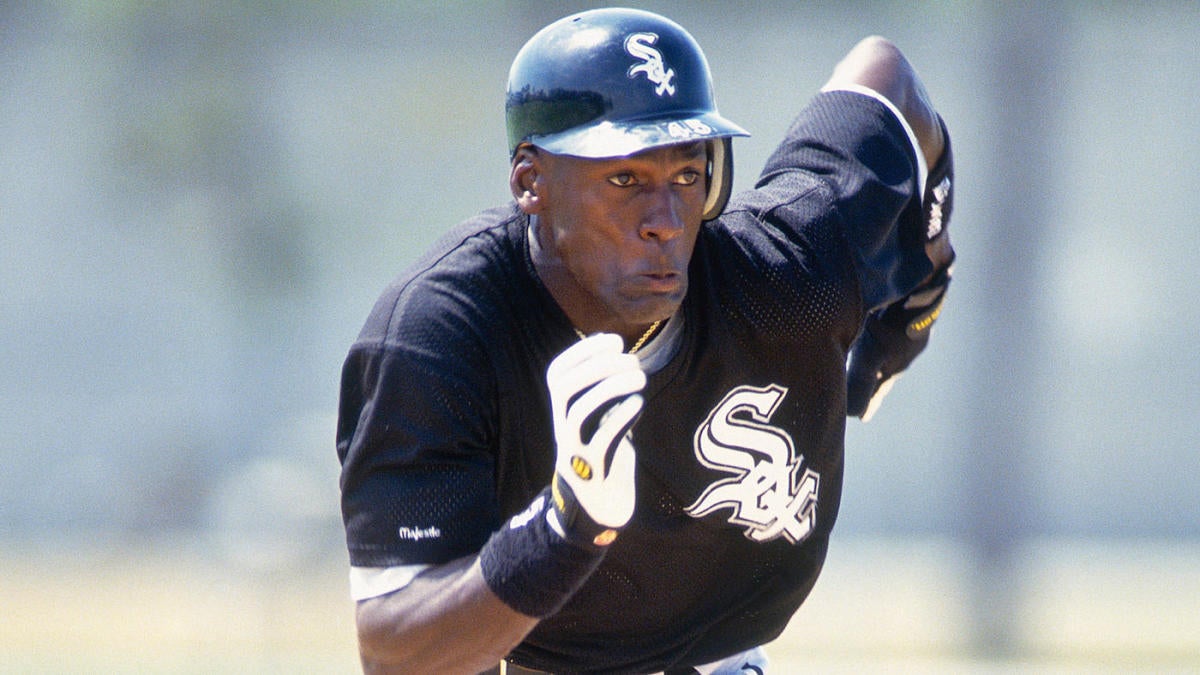
Conclusion: The Legacy of the Number 45
What was Michael Jordan’s baseball number? It was 45. But more than that, it was a tactical tool in one of the most successful personal brand migrations in history. It represented a bridge between a grieving son’s childhood and a global icon’s need for a new challenge.
In the world of Brand Strategy, the “45” era is a reminder that identity is fluid. A brand is not a static logo or a fixed set of results; it is a narrative that evolves over time. By stepping away from the #23, Michael Jordan didn’t lose his identity—he expanded it. He proved that a truly powerful brand can withstand a change in industry, a change in performance, and even a change in its most recognizable symbols. For marketers and leaders today, the lesson is clear: when you understand the core values of your brand, you can change your “number” as often as you need to, and the world will still follow your lead.
aViewFromTheCave is a participant in the Amazon Services LLC Associates Program, an affiliate advertising program designed to provide a means for sites to earn advertising fees by advertising and linking to Amazon.com. Amazon, the Amazon logo, AmazonSupply, and the AmazonSupply logo are trademarks of Amazon.com, Inc. or its affiliates. As an Amazon Associate we earn affiliate commissions from qualifying purchases.