
In the world of corporate identity and brand strategy, few stories are as complex, controversial, or successful as that of Lysol. Today, the name is synonymous with household sanitation and hospital-grade disinfection. However, a deep dive into the archives of the brand’s history reveals a strategic trajectory that would shock the modern consumer. Understanding what Lysol was originally used for—and how the brand navigated various social, legal, and economic eras—provides a fascinating case study in brand evolution, the ethics of marketing, and the power of the strategic pivot.

For brand strategists, Lysol represents more than just a chemical formulation; it represents the ability of a brand to redefine its core value proposition in response to changing cultural norms and regulatory environments.
The Foundation of Brand Identity: Lysol’s Early Strategic Positioning
To understand the brand’s modern dominance, we must first look at its 1889 inception. Developed in Germany by Dr. Gustav Raupenstrauch, Lysol was originally formulated as a disinfectant to help combat the spread of cholera. Its early brand identity was rooted in medical necessity and antiseptic reliability.
The Medical Antiseptic Niche
In its earliest years, Lysol was positioned as a high-concentration antiseptic used by medical professionals. Its original use was intended for cleaning surgical instruments and surfaces in healthcare settings. From a brand strategy perspective, this established an initial “Authority Anchor.” By being a tool for doctors, the brand built early equity as a product that was scientifically proven to kill germs—a reputation that would serve as the backbone for every future iteration of the brand.
Global Expansion and the First Pivot
As the product moved into the American market under the stewardship of Lehn & Fink, the brand faced a challenge: how to move from a niche medical product to a mass-market staple. The strategy shifted toward the domestic sphere, but not in the way we recognize today. The brand began to explore “intimate” sanitation, marking the beginning of one of the most polarizing chapters in marketing history.
Navigating Controversy: The Ethics of Historical Marketing Strategies
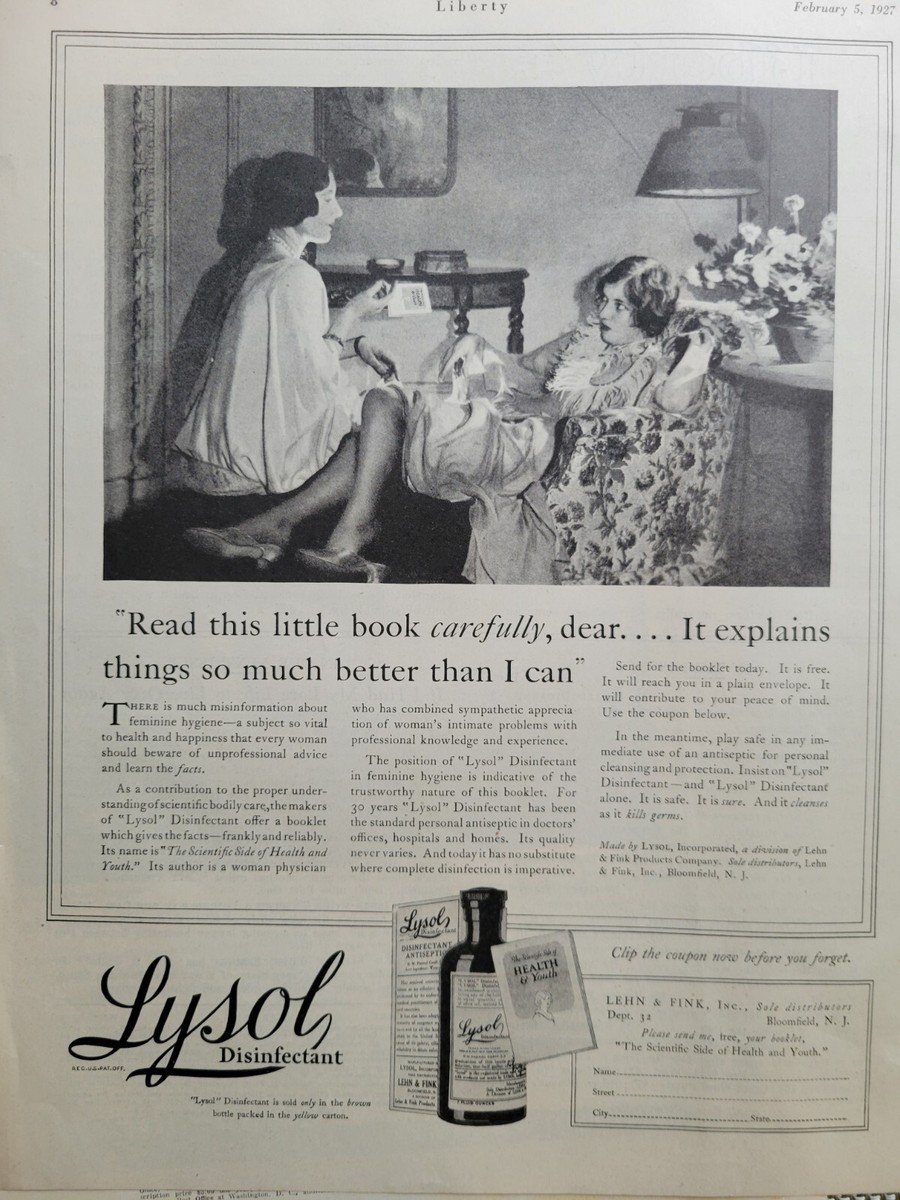
Between the 1920s and the 1950s, Lysol’s brand strategy took a turn that modern marketers often analyze with a mix of fascination and horror. During this period, Lysol was primarily marketed as a feminine hygiene product, specifically as a “germicidal douche.”
The Strategy of Insecurity
The marketing campaigns of this era are classic examples of “fear-based branding.” Advertisements frequently suggested that a woman’s “marital bliss” was at risk due to “feminine hygiene” issues. By creating a psychological link between the product and domestic stability, Lysol’s brand managers tapped into the social anxieties of the time. The brand was positioned not just as a cleaner, but as a protector of the home and the marriage.
The Contraceptive Loophole
The most significant aspect of Lysol’s original use in this period was its role as an unofficial contraceptive. Because birth control was largely illegal or socially taboo in the United States during the early 20th century, Lysol was marketed through a series of euphemisms. Phrases like “feminine daintiness” and “internal cleanliness” were strategic code for birth control. From a corporate identity standpoint, the brand was operating in a grey market—providing a solution to a consumer need that they couldn’t legally or explicitly name.
The Cost of a Misaligned Identity
While this strategy was financially successful, it came at a high human and brand cost. The formulation at the time was much harsher than modern versions, leading to severe chemical burns and, in some cases, death. This period serves as a stark reminder in brand strategy that short-term market penetration achieved through deceptive or dangerous positioning can create a “legacy debt” that takes decades to erase.
The Great Rebranding: Transitioning to the Household Cleaning Niche
By the early 1960s, the brand reached a crossroads. Scientific advancements had rendered the “feminine hygiene” strategy both obsolete and dangerous, and new birth control options were becoming legally available. Lysol needed a total brand reinvention to survive.
Redefining the Value Proposition
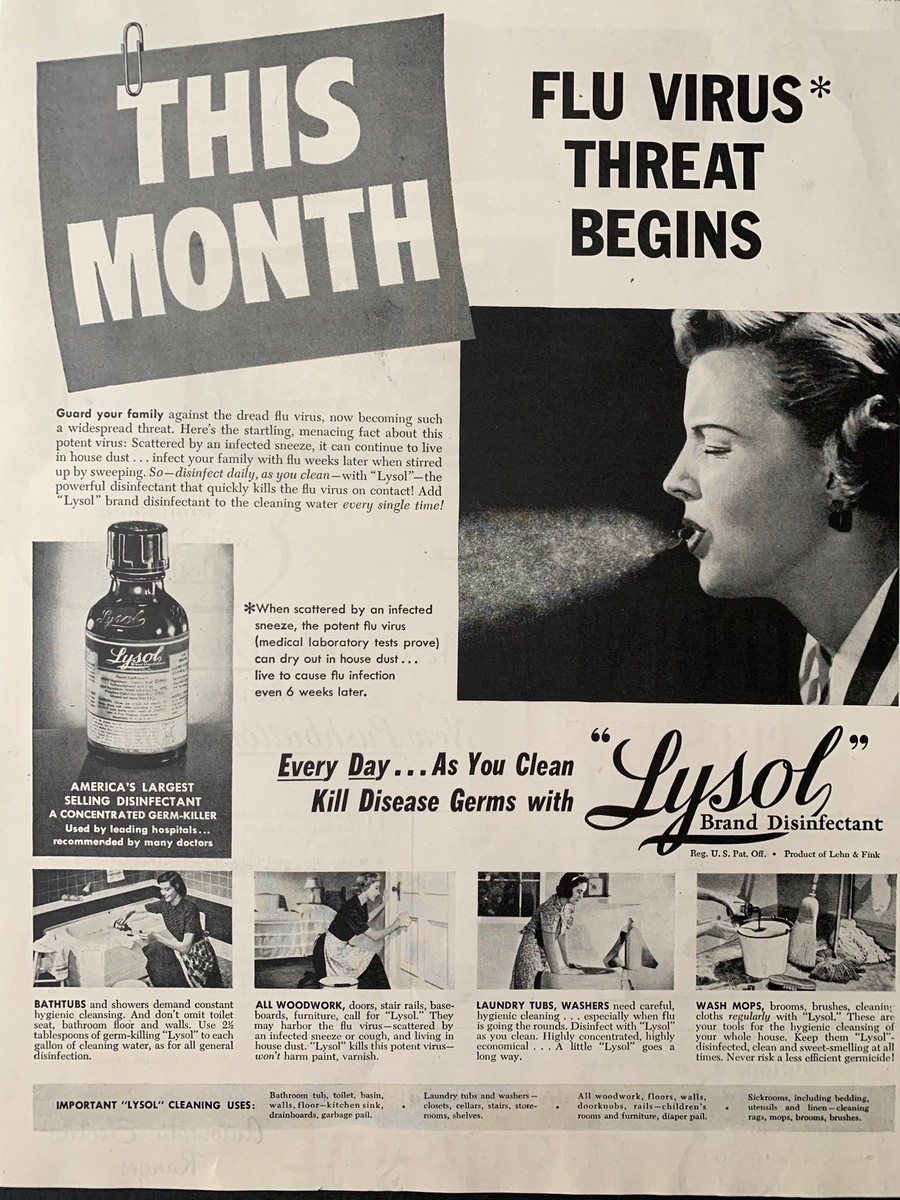
The pivot away from feminine hygiene toward general household disinfection was a masterstroke of repositioning. The brand managers realized that the core of the product—its ability to kill germs—was still highly valuable. They simply needed to change the target surface. Instead of being an intimate product, Lysol became the protector of the kitchen counter, the bathroom floor, and the nursery.
The Introduction of the Spray Format
In 1962, the introduction of Lysol Disinfectant Spray revolutionized the brand’s identity. The aerosol format moved the product into a new category: convenience. No longer a concentrated liquid that required careful dilution, Lysol became a “point-and-shoot” solution for a fast-paced, modern society. This move allowed the brand to occupy a “New Category Leader” status in the burgeoning disinfectant spray market.
Cultivating the “Protector” Persona
Throughout the late 20th century, Lysol’s branding focused on the “invisible enemy”—the germs lurking on everyday surfaces. The brand narrative shifted from fear-based social insecurity to proactive family protection. This transition solidified the brand’s identity as a trusted, maternal, and scientifically-backed guardian of the home.
Modern Corporate Identity: Resilience and Trust in the 21st Century
Under the ownership of Reckitt (formerly Reckitt Benckiser), Lysol has been integrated into a global portfolio of hygiene brands. Its current strategy is a far cry from its mid-century marketing, focusing on transparency, efficacy, and public health.
The COVID-19 Impact on Brand Equity
The global pandemic of 2020 served as a stress test for the Lysol brand. While many companies struggled with supply chains, Lysol faced the unique challenge of managing extreme demand while maintaining brand integrity. The brand’s strategy during this time was focused on “Responsible Consumption.” They collaborated with health organizations and used their platform to educate the public on proper disinfection protocols, rather than just pushing for sales. This reinforced their identity as a public health ally.
Sustainability and Social Responsibility
In the modern era, a brand’s identity is tied to its environmental footprint. Lysol has pivoted its marketing and manufacturing toward sustainability, introducing biodegradable wipes and refillable systems. This is a strategic move to align the brand with the values of Millennial and Gen Z consumers, ensuring the brand remains relevant in an increasingly eco-conscious market.
Key Takeaways for Modern Brand Strategists
The history of Lysol is more than a series of advertisements; it is a lesson in how brands can survive through radical transformation. There are three critical lessons that any brand manager can learn from the Lysol case study.
1. The Power of the Core Competency
Lysol’s survival was possible because it never lost sight of its core competency: killing bacteria and viruses. While its application changed (from surgery to hygiene to household surfaces), the functional benefit remained consistent. A strong brand strategy identifies what the product does best and finds the most relevant market for that strength.
2. Adaptation as a Survival Mechanism
Brands that refuse to change with social norms eventually die. Lysol’s ability to pivot away from its controversial feminine hygiene marketing saved it from obsolescence. A successful brand strategy requires “Strategic Agility”—the willingness to abandon a profitable but problematic niche in favor of a sustainable, long-term identity.
3. Owning the Narrative
Lysol successfully transitioned from a product hidden in the bathroom cabinet to a product proudly displayed on the kitchen counter. This was achieved by changing the narrative from “secrecy and shame” to “health and safety.” In branding, the way a consumer feels about using the product is just as important as the product’s physical performance.
In conclusion, when we ask “what was Lysol originally used for,” we aren’t just looking at a historical trivia point. We are looking at the roots of a brand that has navigated over a century of change. From the operating rooms of the 19th century to the “marital bliss” ads of the 1930s, and finally to the frontline of a global pandemic, Lysol’s journey is a definitive example of how brand strategy can turn a controversial past into a dominant, household future. Its ability to pivot, redefine its audience, and maintain a core promise of efficacy makes it one of the most resilient brands in corporate history.
aViewFromTheCave is a participant in the Amazon Services LLC Associates Program, an affiliate advertising program designed to provide a means for sites to earn advertising fees by advertising and linking to Amazon.com. Amazon, the Amazon logo, AmazonSupply, and the AmazonSupply logo are trademarks of Amazon.com, Inc. or its affiliates. As an Amazon Associate we earn affiliate commissions from qualifying purchases.