
The Great Depression, a period of unprecedented economic hardship that gripped the world from 1929 to 1939, fundamentally reshaped the financial landscape and the very fabric of daily life for millions. It wasn’t just a stock market crash; it was a prolonged, systemic failure that impacted every sector of the economy, leading to widespread unemployment, poverty, and a profound sense of uncertainty. Understanding the financial realities of this era offers invaluable insights into resilience, resourcefulness, and the enduring impact of economic downturns.
The Collapse of Financial Systems and Its Immediate Fallout
The immediate aftermath of the 1929 stock market crash was characterized by a cascade of financial failures that plunged the global economy into disarray. The speculative excesses of the Roaring Twenties, fueled by easy credit and a belief in perpetual economic growth, proved unsustainable. When the bubble burst, it triggered a crisis of confidence that had devastating repercussions.

Bank Runs and The Erosion of Trust
One of the most visceral and destructive aspects of the Great Depression was the phenomenon of bank runs. As people witnessed the stock market’s collapse and heard rumors of financial instability, fear and panic set in. Individuals, desperate to protect their savings, rushed to their local banks to withdraw their money. This mass exodus of deposits, however, created a self-fulfilling prophecy. Banks, which operate on a fractional reserve system, do not hold all their depositors’ money in cash. When too many people demand their money at once, the bank quickly runs out of funds and is forced to close its doors, leading to the complete loss of savings for its customers.
The widespread bank failures had a catastrophic impact on personal finance. Families who had diligently saved for years saw their life savings vanish overnight. This loss of trust in financial institutions was profound and long-lasting. It instilled a deep-seated fear of banks and a preference for holding physical cash, which, while seemingly safer, offered no protection against inflation or theft. For many, the simple act of depositing money into a bank became a risky gamble, highlighting the fragility of the financial system and the critical need for robust regulation and deposit insurance.
The Unemployment Crisis and its Financial Devastation
The collapse of the financial system was inextricably linked to a spiraling unemployment crisis. As businesses struggled with declining demand, falling profits, and a lack of credit, they were forced to drastically cut costs. The most significant cost reduction typically involved labor. Mass layoffs became commonplace, and the unemployment rate skyrocketed. In the United States, it is estimated that at its peak, nearly 25% of the workforce was unemployed.
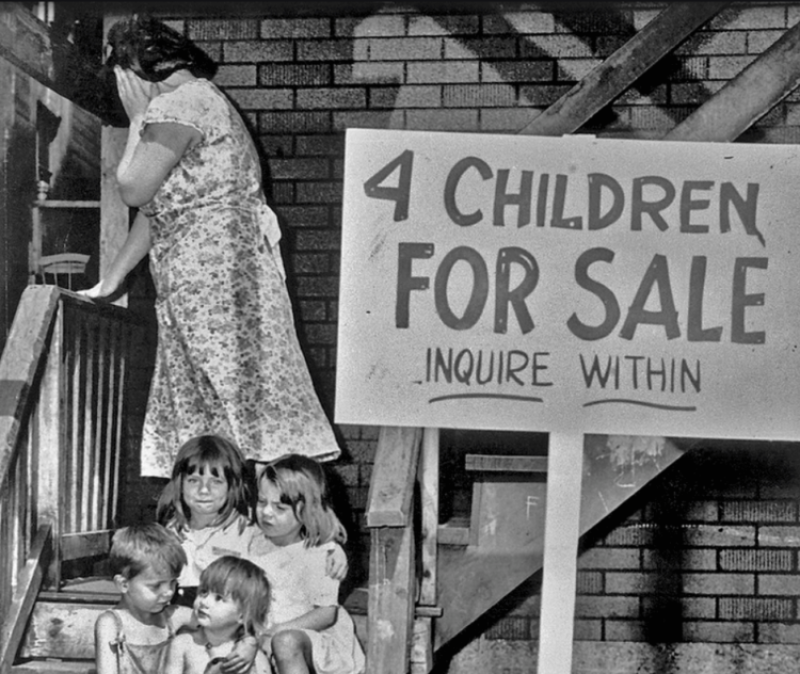
This unprecedented level of joblessness had devastating financial consequences for individuals and families. Without income, people could no longer afford basic necessities like food, shelter, and clothing. Evictions and foreclosures became rampant as mortgage and rent payments went unpaid. Shantytowns, known as “Hoovervilles,” sprang up on the outskirts of cities, providing makeshift shelter for those who had lost their homes. The psychological toll of unemployment was immense, leading to feelings of shame, hopelessness, and a loss of self-worth. The struggle to simply survive became the primary financial concern for millions, pushing aside any thoughts of investment, savings, or long-term financial planning.
Strategies for Survival and Resource Management
In the face of overwhelming economic hardship, individuals and communities were forced to develop innovative and often desperate strategies for survival. Resourcefulness, frugality, and mutual aid became the cornerstones of navigating the Great Depression.
Frugality as a Way of Life
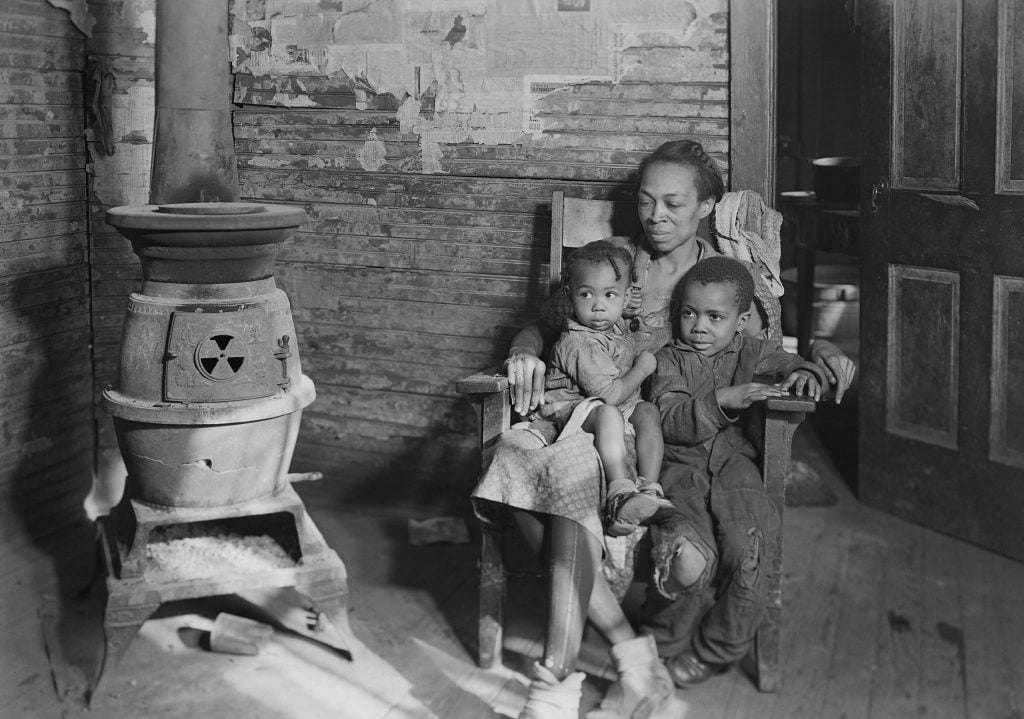
The economic climate demanded an extreme level of frugality that bordered on deprivation for many. The concept of “making do” became a daily mantra. Every purchase was scrutinized, and the emphasis shifted from acquiring new goods to extending the life of existing ones. This meant repairing worn-out clothing, mending shoes, and repurposing household items. Food budgets were drastically reduced, leading to simpler, more sustainable diets. Many families cultivated vegetable gardens, preserving produce through canning and drying to ensure a supply through the leaner months.
Bartering and trading also experienced a resurgence. With cash scarce, people exchanged goods and services directly. A farmer might trade eggs for a mechanic’s services, or a seamstress might offer alterations in exchange for fresh produce. This informal economy, while often labor-intensive and less efficient than monetary transactions, provided a vital lifeline for many. The experience instilled a profound appreciation for value and a lasting aversion to waste, influencing consumer habits for generations to come.
The Rise of Informal Economies and Community Support
While formal financial systems faltered, informal economies and community support networks emerged as crucial mechanisms for survival. Neighborhoods and families pulled together, sharing resources and offering assistance to those in greater need. This could involve sharing food, providing temporary shelter, or offering a helping hand with chores.
Soup kitchens and breadlines, operated by charitable organizations and religious institutions, became ubiquitous in urban areas. These offered a meager but essential meal to the unemployed and destitute. In rural areas, neighbors often pooled their labor for tasks like harvesting crops, knowing that collective effort would benefit everyone in the community. This spirit of solidarity, born out of shared hardship, fostered a strong sense of community and mutual reliance. It demonstrated that even in the direst financial circumstances, human connection and collective action could provide a buffer against utter destitution.
Long-Term Financial Lessons and Legacy
The Great Depression left an indelible mark on the financial consciousness of a generation, shaping attitudes towards money, risk, and economic security. The lessons learned during this period continue to resonate and inform financial practices today.
The Importance of Savings and Financial Prudence
The devastating experience of losing savings due to bank failures instilled a profound respect for the importance of saving and financial prudence. The generation that lived through the Depression often prioritized building up substantial savings, viewing them as a critical buffer against future economic shocks. This often manifested as a cautious approach to debt, a preference for tangible assets like real estate, and a generally conservative investment strategy. The memory of scarcity fostered a mindset where every dollar saved was a dollar secured against future hardship.
This emphasis on financial prudence also translated into a more risk-averse approach to business and investment. Speculative ventures were viewed with suspicion, and a focus on steady, sustainable growth became paramount. The economic rollercoaster of the 1930s taught a stark lesson about the dangers of unchecked speculation and the vital necessity of maintaining a financial cushion.
The Role of Government in Economic Stabilization
The perceived failures of the free market to self-correct during the Great Depression led to a significant shift in the role of government in economic affairs. The New Deal era in the United States, under President Franklin D. Roosevelt, introduced a range of unprecedented government interventions aimed at providing relief, recovery, and reform. These included programs like Social Security, unemployment insurance, and public works projects designed to create jobs and stimulate economic activity.
The establishment of these social safety nets and regulatory frameworks was a direct response to the widespread suffering and financial insecurity experienced during the Depression. It marked a fundamental reassessment of the balance between individual responsibility and governmental obligation. While debates about the extent of government intervention continue, the Great Depression irrevocably altered the public’s expectation that governments have a role to play in stabilizing the economy and protecting citizens from extreme financial hardship. The financial tools and policies implemented in response to this crisis laid the groundwork for many of the economic stabilizers and welfare systems in place in developed nations today.
aViewFromTheCave is a participant in the Amazon Services LLC Associates Program, an affiliate advertising program designed to provide a means for sites to earn advertising fees by advertising and linking to Amazon.com. Amazon, the Amazon logo, AmazonSupply, and the AmazonSupply logo are trademarks of Amazon.com, Inc. or its affiliates. As an Amazon Associate we earn affiliate commissions from qualifying purchases.