
The public perception of Johnny Cash, the legendary “Man in Black,” is indelibly linked with prisons, rebellion, and a life lived on the fringes of society. The question, “what was Johnny Cash in prison for,” isn’t merely a historical inquiry; it delves deep into the fascinating construction and enduring power of a personal brand. Cash meticulously, and sometimes unintentionally, cultivated an image that resonated powerfully with a vast audience, transforming minor legal skirmishes into cornerstones of an iconic identity. This exploration unpacks how the myth of Cash’s incarceration became a pivotal, almost strategic, element of his brand narrative, solidifying his status as a voice for the downtrodden and a symbol of authenticity.
The Enduring Myth of the Man in Black’s Incarceration
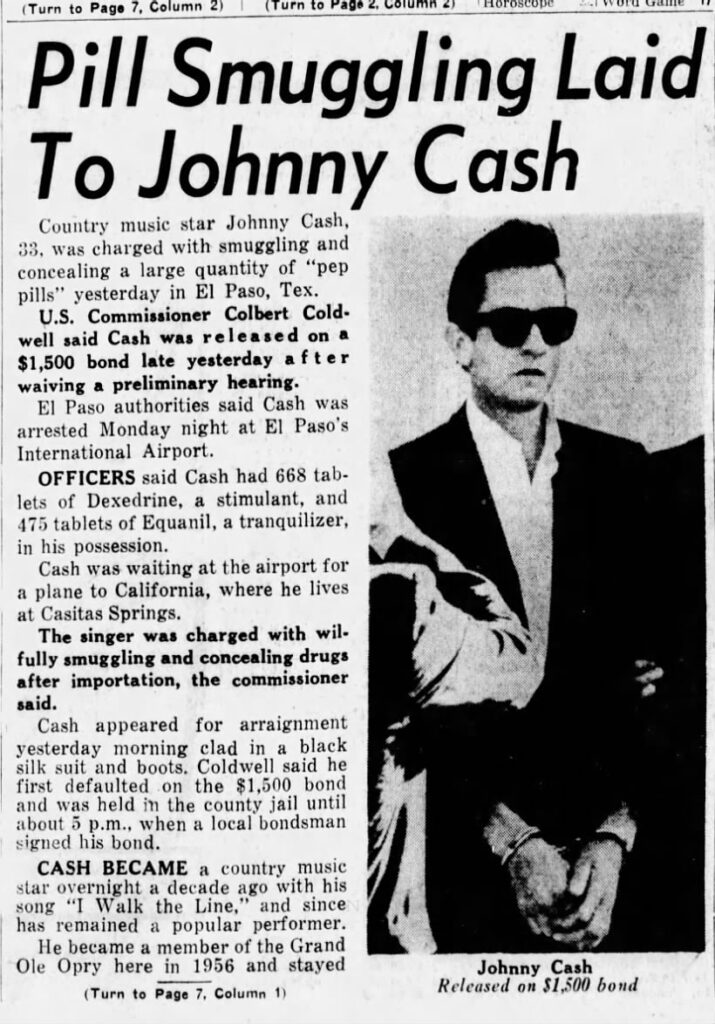
Johnny Cash’s public persona was intrinsically tied to a narrative of the outlaw, the rebel, and the empathetic observer of those behind bars. This narrative was so potent that many fans believed he had served significant time in a penitentiary. The truth, however, is more nuanced, highlighting a classic case of public perception shaping and even superseding factual reality in the realm of personal branding. Cash was arrested multiple times throughout his career, primarily for drug-related offenses, public intoxication, and trespassing. These arrests typically resulted in overnight stays in county jails, fines, or suspended sentences, not long-term federal or state prison time. His longest stint was three nights in an El Paso jail in 1965 after being arrested for smuggling amphetamines across the Mexican border. This experience, while disruptive, was far from the prolonged incarceration often attributed to him.
Crafting an Outlaw Persona: Intentional or Organic?
The development of Cash’s outlaw persona was a complex interplay of personal experiences, artistic choices, and audience reception. From his earliest days, Cash was drawn to stories of struggle, redemption, and the lives of those on the margins. His upbringing during the Great Depression, his empathy for the working class, and his own battles with addiction provided authentic raw material for his songs and stage presence. The iconic “Folsom Prison Blues,” recorded in 1955, was a monumental early stroke in this brand building. The song’s vivid lyrics (“But I shot a man in Reno, just to watch him die”) instantly positioned him as someone deeply connected to the prison experience, regardless of his personal history.
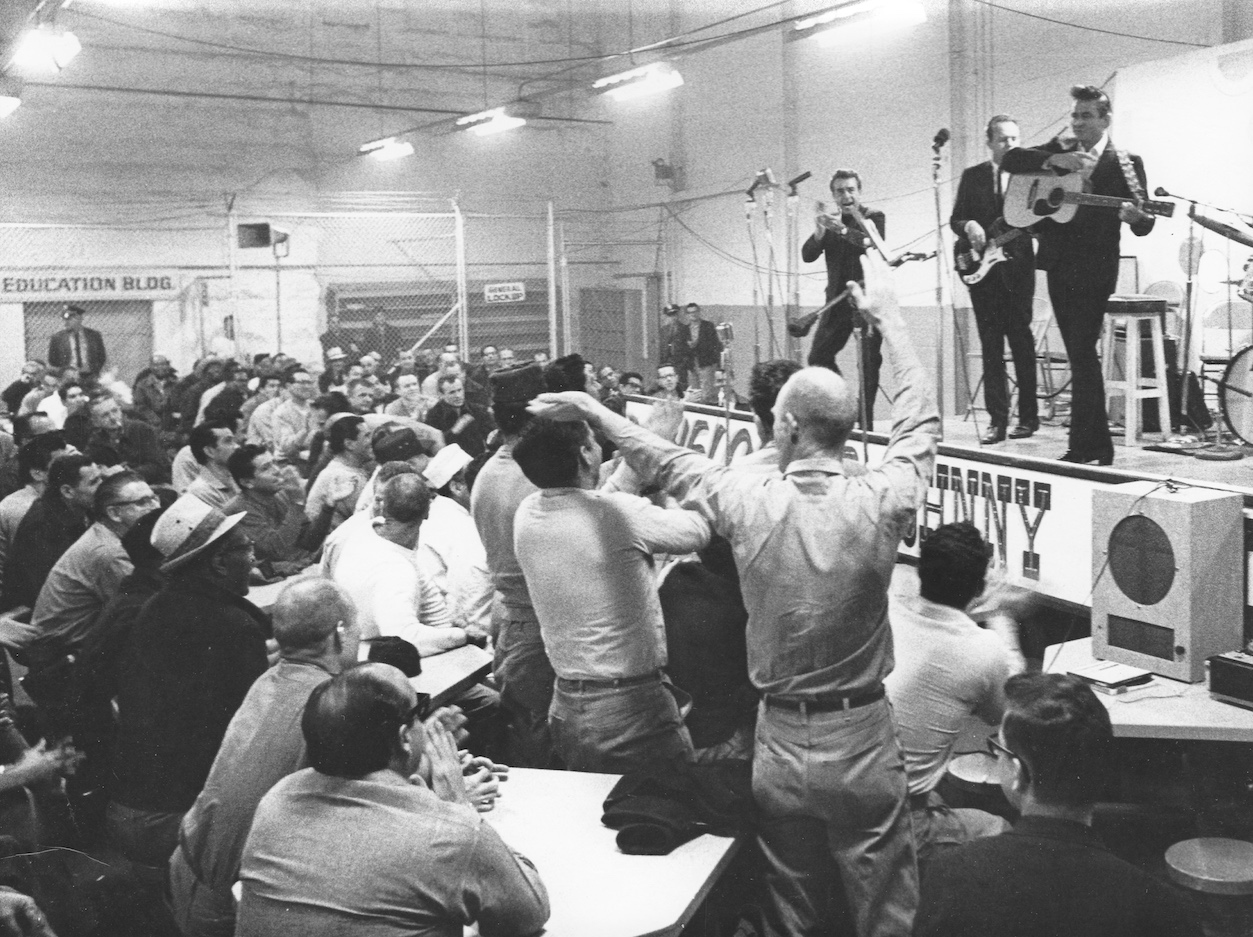
His decision to consistently wear black, famously explaining it was “for the poor and the beaten down, livin’ in the hopeless, hungry side of town,” further solidified this image. The uniform became a powerful visual marker of his brand, conveying seriousness, rebellion, and solidarity. While Cash didn’t invent the idea of performing for inmates, his commitment to prison concerts, starting in the late 1950s and culminating in the seminal live albums At Folsom Prison (1968) and At San Quentin (1969), cemented his reputation as the definitive artist of the incarcerated. These performances were not just concerts; they were profound brand statements, authenticating his connection to the very population he sang about.
Public Perception Versus Legal Reality
The discrepancy between Johnny Cash’s actual legal history and the widespread belief in his extensive incarceration serves as a powerful case study in how narratives, once established, can become self-sustaining elements of a brand. The media, eager for compelling stories, often amplified the rebellious aspects of his life. His arrests, though minor in terms of actual prison time, contributed to a public narrative of a man constantly challenging authority, living by his own rules, and suffering the consequences. This narrative was so compelling because it aligned perfectly with the themes in his music and his stage persona.
For his audience, especially those who felt marginalized or understood the struggles of addiction and poverty, Cash’s perceived authenticity was paramount. Whether he had actually served time became less important than the belief that he understood what it was like. This created a powerful empathetic connection, elevating his brand from merely entertaining to deeply resonant. It demonstrated that a brand’s narrative, when consistent and emotionally charged, can be more impactful than a strict adherence to biographical facts. The myth of the long-term prisoner allowed his audience to project their own struggles onto him, forging an unbreakable bond.
From Mugshot to Marketing Masterpiece: Leveraging Controversy
In an era before sophisticated personal branding agencies, Johnny Cash instinctively, or perhaps fatefully, transformed moments of personal difficulty into pillars of his enduring brand. His arrests and subsequent public image, far from derailing his career, often amplified his authenticity and appeal. He didn’t shy away from his troubles; he incorporated them into his narrative, crafting a powerful brand that spoke to resilience, redemption, and raw honesty.
The Power of Narrative in Personal Branding
Cash’s brand narrative was built on a foundation of relatability and rugged individualism. He wasn’t a pristine, manufactured star; he was flawed, human, and unapologetically himself. His run-ins with the law, rather than being hidden, became part of the lore. This added layers to his “Man in Black” persona, reinforcing the image of a man who walked a difficult path, understood temptation, and empathized with those who stumbled. This narrative strategy, whether conscious or subconscious, predated modern personal branding textbooks. It demonstrated that authenticity, even when it involves imperfection, can be a brand’s greatest asset.
His music often served as the primary vehicle for this narrative. Songs like “Folsom Prison Blues,” “25 Minutes to Go,” and later, his covers in the American Recordings series (like Nine Inch Nails’ “Hurt”) weren’t just songs; they were story fragments that painted a picture of a life lived fully, with all its triumphs and tribulations. This consistent storytelling across decades reinforced his brand identity, making him not just a musician, but a cultural figure synonymous with truth-telling, even when uncomfortable. His willingness to confront his own demons publicly, particularly in later life, only deepened this brand of honest vulnerability.
Reinforcing Authenticity Through Image
The visual and performative elements of Johnny Cash’s brand were crucial in reinforcing his authenticity. The stark black attire, the deep, resonating voice, and the unsmiling, intense gaze all contributed to an image that was serious, principled, and unyielding. When juxtaposed with his arrests, this image didn’t falter; it solidified. It suggested a man whose convictions ran so deep that he was willing to face consequences.

His prison concerts were masterclasses in brand reinforcement. Performing for actual inmates, often in notoriously harsh conditions, wasn’t just a gesture of goodwill; it was a powerful affirmation of his connection to the “man on the inside.” The raw energy and unvarnished reality of these performances, captured on his live albums, offered an unfiltered glimpse into his brand’s core. These wasn’t a polished, studio-engineered persona; it was Johnny Cash, live, in front of the very people he claimed to represent. This commitment to authenticity, even in challenging environments, became a defining characteristic of his brand. It communicated that he was not just singing about these experiences, but truly living a version of them, or at least intimately understanding them.
Brand Resonance: The Symbiotic Relationship with the Disenfranchised
Johnny Cash’s brand achieved unparalleled resonance because it forged a deep, symbiotic relationship with a specific segment of the population: the disenfranchised, the struggling, and the often-overlooked. His music and persona acted as a powerful amplifier for their voices, creating a bond built on shared understanding and empathy.
Connecting with a Core Audience
The power of Johnny Cash’s brand lay in its ability to speak directly to individuals who felt marginalized by society. He wasn’t singing to the elite; he was singing for the common man, the factory worker, the farmer, the drifter, and yes, the prisoner. His simple, direct lyrics and often somber melodies resonated with the harsh realities of their lives. When he sang about hard times, injustice, and the desire for redemption, his audience felt seen and heard.
His brand offered more than just entertainment; it provided a sense of solidarity. For those struggling with addiction, poverty, or feelings of isolation, Cash’s own battles and perceived “outlaw” status made him relatable. He wasn’t preaching from a pedestal; he was speaking as one who had walked similar paths. This direct, empathetic connection cultivated fierce loyalty, transforming listeners into dedicated brand advocates who believed in his message and felt a personal stake in his journey. This deep-seated connection is a gold standard for any brand aiming for lasting impact.
The “Folsom Prison Blues” Phenomenon as a Brand Anchor
“Folsom Prison Blues” stands as one of the most significant brand anchors in musical history. More than just a hit song, it became synonymous with Johnny Cash’s entire identity. The iconic opening line, “I hear the train a-comin’, it’s rollin’ ’round the bend / And I ain’t seen the sunshine since, I don’t know when / I’m stuck in Folsom Prison, and time keeps draggin’ on,” immediately established the central theme of his brand. It wasn’t just a song about a prison; it was a song about longing, regret, and the human condition, all filtered through the stark reality of incarceration.
The success of this song, and its enduring presence in his setlists for decades, continuously reinforced his “prison” brand. It created an expectation among his audience, solidifying their image of him as the voice of the incarcerated. His actual prison concerts, particularly the legendary Folsom and San Quentin performances, were direct extensions of this brand anchor. They weren’t just performances; they were visceral experiences that brought the abstract themes of “Folsom Prison Blues” to life, validating his connection to the prison population and enhancing his brand’s authenticity. This strategic reiteration of a core message is a hallmark of strong brand management, even if organically developed.
Beyond the Bars: The Legacy of a Branded Rebel
Johnny Cash’s brand transcended his legal troubles and personal struggles, evolving into a timeless symbol of rebellion, authenticity, and resilience. His legacy demonstrates how a powerfully crafted personal brand can endure and even flourish through decades of cultural shifts, proving that genuine connection and consistent narrative are paramount.
Maintaining Brand Consistency Across Decades
One of the most remarkable aspects of Johnny Cash’s brand was its consistent evolution without ever betraying its core identity. From his early Sun Records recordings to his late-career “American Recordings” with Rick Rubin, the essence of the “Man in Black” remained. He continued to sing about struggle, faith, redemption, and the human spirit, even as his musical style adapted. This brand consistency wasn’t about rigid adherence to a formula, but rather a deep understanding of his fundamental message and how to apply it to new contexts.
His later career resurgence, particularly with the American Recordings series, provided a masterclass in brand revitalization. By stripping down his sound and tackling contemporary songs with his signature gravitas, he reintroduced himself to new generations without abandoning the integrity of his past. The image of the aging rebel, still defiant and authentic, resonated powerfully, extending the life of his brand far beyond what many artists achieve. This demonstrated that a truly strong brand can adapt and stay relevant by consistently delivering on its core promise.
The Paradox of a Misunderstood Icon
Ultimately, the question of “what was Johnny Cash in prison for” encapsulates a profound paradox at the heart of his personal brand. He was not the hardened criminal many believed him to be, yet his brand was inextricably linked to the imagery and themes of incarceration. This misunderstanding, rather than hindering his appeal, became a crucial element of his mystique. It allowed him to occupy a unique space: a moral authority who understood transgression, a sympathetic figure who had walked in the shadows, and a voice of hope for those seeking redemption.
This paradox highlights the power of narrative over strict biography in branding. Johnny Cash became more than just a musician; he became a cultural archetype – the righteous rebel, the empathetic outlaw. His brand was built not just on what he did, but on what he represented to millions. Even today, his image, music, and the persistent myth of his prison time continue to resonate, proving that a compelling and authentic personal brand, even one built on a blend of fact and folklore, can achieve timeless iconic status.
aViewFromTheCave is a participant in the Amazon Services LLC Associates Program, an affiliate advertising program designed to provide a means for sites to earn advertising fees by advertising and linking to Amazon.com. Amazon, the Amazon logo, AmazonSupply, and the AmazonSupply logo are trademarks of Amazon.com, Inc. or its affiliates. As an Amazon Associate we earn affiliate commissions from qualifying purchases.