
The question “What was John Wayne’s last film?” immediately conjures images of the quintessential American cowboy, a towering figure whose career spanned over five decades. For many, it’s a poignant inquiry, marking the end of an era for one of Hollywood’s most enduring legends. The definitive answer is “The Shootist,” released in 1976. This final cinematic outing for John Wayne was not just another film; it was a powerful, elegiac performance that perfectly mirrored his own battle with cancer and served as a profound meditation on life, legacy, and the inevitability of change.
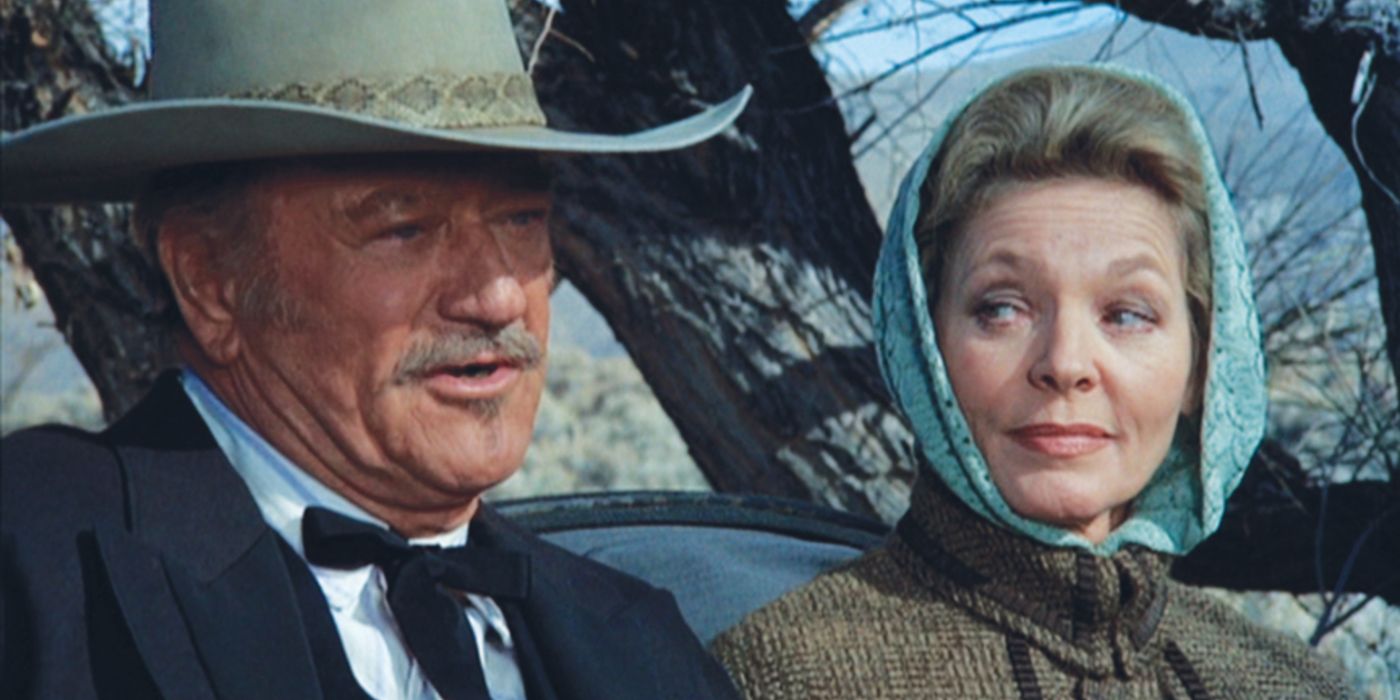
While the film itself is a classic piece of Western cinema, its significance extends far beyond the silver screen, particularly when viewed through the modern lenses of technology, brand strategy, and financial wisdom. Wayne’s final performance, and indeed his entire career, offers a unique case study for understanding how personal brand is cultivated and preserved, how technology shapes the consumption and future of media, and how an iconic legacy continues to generate value across generations.
The Duke’s Final Ride: A Story of Legacy and Authenticity
“The Shootist” tells the story of J.B. Books, an aging, legendary gunfighter who learns he has terminal cancer. Seeking to die with dignity and on his own terms, Books arrives in Carson City, Nevada, and takes lodgings with a widow, Bond Rogers (Lauren Bacall), and her son Gillom (Ron Howard). As word of his presence spreads, Books grapples with those who seek to challenge him, exploit his legend, or simply bear witness to the end of an icon. The film’s narrative, focusing on an aging hero confronting mortality, resonated deeply with audiences given Wayne’s own public battle with cancer, adding an undeniable layer of authenticity and pathos to his performance.
The Shootist: A Fitting Farewell
Directed by Don Siegel, “The Shootist” is widely regarded as one of John Wayne’s finest performances precisely because of this stark parallel between actor and character. Books’s desire to maintain control over his final moments, to avoid a lingering, undignified end, echoed Wayne’s own fierce independence and stoicism. He wasn’t just playing a role; he was embodying a deeply personal struggle, allowing a vulnerability rarely seen in his more hardened characters to shine through. This made “The Shootist” more than just a Western; it was a powerful statement about identity, dignity, and the legacy one leaves behind.
The film’s critical reception was largely positive, praising Wayne’s nuanced portrayal and the film’s thoughtful exploration of its themes. It was a fitting capstone to a career that began in the silent era and spanned over 170 films. For fans, it provided a powerful, emotional farewell to an actor whose persona had become synonymous with American values of rugged individualism, courage, and integrity. The artistic integrity of the film and Wayne’s performance cemented his place not just as a movie star, but as a cultural icon whose image transcended mere entertainment.
Crafting a Personal Brand: John Wayne’s Enduring Persona
John Wayne’s career is a masterclass in personal branding, long before the term became commonplace in marketing circles. From his early days in B-Westerns, he meticulously cultivated an image that resonated deeply with the American psyche: the embodiment of the tough, moral, and self-reliant hero. This wasn’t merely acting; it was a consistent projection of values and characteristics that became inseparable from his public identity. His deep voice, distinctive walk, and unwavering gaze became trademarks, instantly recognizable and deeply ingrained in popular culture.
His brand was built on consistency and authenticity (or at least, a highly believable portrayal of it). Audiences knew what they were getting with a John Wayne film, and they trusted him to deliver. This trust formed the bedrock of his immense popularity and sustained his career through decades of changing Hollywood trends. Even in “The Shootist,” as his character confronts his own end, the core elements of the John Wayne brand — dignity, resilience, and a quiet strength — remained intact, allowing him to exit the stage not as a fading star, but as a legend in full command of his narrative. Understanding how Wayne built and maintained this brand offers invaluable lessons for individuals and companies seeking to establish a strong, lasting presence in any field today.
Preserving Cinematic History: Technology’s Role in Legacy
The ability to revisit “The Shootist” and countless other classic films today is a testament to the advancements in technology. From the initial photochemical processes to modern digital archiving and AI-driven restoration, technology plays an indispensable role in preserving, enhancing, and distributing the legacies of figures like John Wayne. Without these innovations, many cinematic treasures might have been lost to time or degradation, and their impact on future generations would be significantly diminished.
Digital Restoration and Archiving: Beyond the Celluloid Reel
The film industry, historically reliant on volatile celluloid, faces constant challenges in preserving its heritage. Original film negatives are susceptible to decay, color fading, and physical damage. This is where modern technology steps in. Digital restoration involves meticulously scanning film reels at high resolutions, often 4K or higher, to create digital masters. Once digitized, sophisticated software can be employed to remove scratches, stabilize shaky footage, correct color imbalances, and even repair instances of “film rot” or other chemical deterioration that would have been irreversible in the past.
For a film like “The Shootist,” which holds significant historical and cultural value, such digital preservation efforts ensure that its visual and audio quality can be maintained and even improved for future generations. These digital archives are far more robust and accessible than physical vaults, allowing for easier sharing with researchers, filmmakers, and the public. This technological leap means that the performances of actors like John Wayne are not merely preserved, but actively enhanced, ensuring that their artistic contributions continue to be experienced in their intended glory, or even better, on modern displays.
AI, Deepfakes, and the Future of Iconic Figures
Beyond simple restoration, emerging technologies like Artificial Intelligence (AI) are beginning to push the boundaries of how we interact with cinematic legacies. AI-powered upscaling can take standard definition footage and intelligently enhance it to higher resolutions, making older films more palatable for contemporary viewers accustomed to crisp, high-definition content. However, the most provocative application of AI lies in the realm of “deepfakes” and digital recreation.
While ethically complex, the technology exists to potentially “resurrect” actors for new roles, creating digital avatars that mimic their appearance, voice, and mannerisms. Imagine a scenario where a new John Wayne film is created, years after his passing, utilizing AI to generate his likeness and performance. While still largely in the experimental phase for feature films due to cost, ethical concerns, and the uncanny valley effect, this capability raises profound questions about intellectual property, actor’s rights, and the very definition of performance. It challenges us to consider how far we are willing to go in blurring the lines between reality and simulation, and what it means for the enduring brand of an iconic figure when their image can be manipulated or recreated without their original consent.
The Digital Frontier: Streaming, Accessibility, and Fan Engagement
Technology has revolutionized how audiences access and consume films, dramatically expanding the reach and longevity of classics. The advent of streaming platforms (Netflix, Amazon Prime Video, Hulu, etc.) has transformed film distribution, making vast libraries of content, including films like “The Shootist,” available at our fingertips. This accessibility ensures that new generations can discover and appreciate the work of actors like John Wayne, preventing their legacies from fading into obscurity.

Furthermore, digital platforms have fostered vibrant online communities around classic cinema. Fan forums, social media discussions, and dedicated websites allow enthusiasts to connect, share insights, and celebrate their favorite films and stars. This digital engagement keeps the conversation alive, actively contributing to the enduring brand and cultural relevance of these historical figures. Tutorials on film analysis, deep dives into production history, and virtual watch parties are all facets of this digital frontier, ensuring that John Wayne’s final film, and his entire body of work, continues to resonate and find new audiences in the interconnected world.
The Business of an Icon: Monetizing a Legendary Brand
John Wayne’s career was not just about acting; it was a formidable enterprise. His persona, films, and image constitute a powerful brand that has generated substantial financial value, both during his lifetime and posthumously. Understanding the economics of this legacy provides insight into the broader “money” topics of entertainment investment, intellectual property management, and the long-term financial strategies that underpin enduring iconic brands.
From Box Office to Brand Licensing: The Financial Echo of Stardom
During his active career, John Wayne was a consistent box office draw, a reliable investment for studios. His films generated millions in revenue, contributing significantly to his personal wealth and the success of the studios he worked with. Even “The Shootist,” while a more somber film, performed respectably at the box office, a testament to Wayne’s drawing power even in his final days. This immediate financial impact is the most obvious aspect of a star’s earning potential.
However, the financial echo of stardom extends far beyond initial box office receipts. Posthumously, John Wayne’s image and likeness continue to be a valuable asset. The John Wayne Enterprises, managed by his family, oversees a vast array of merchandising and licensing agreements. From apparel and memorabilia to branded spirits and even coffee, the “Duke” brand is meticulously curated to align with his established persona. Each product carries the weight of his legacy, appealing to fans and collectors, and generating ongoing revenue streams. This transformation of a personal brand into a sustainable commercial enterprise highlights the immense long-term financial value of a carefully constructed and managed public image.
Navigating Intellectual Property in the Digital Age
Central to monetizing an iconic brand like John Wayne’s is the robust management of intellectual property (IP). This includes copyrights for his films, trademarks for his name and likeness, and the overall “right of publicity.” In the digital age, protecting these assets is more complex than ever. The ease with which images, film clips, and sound bites can be disseminated online presents both opportunities and challenges.
On one hand, digital platforms offer new avenues for licensing content and promoting the brand. On the other, they require constant vigilance against unauthorized use, “deepfake” impersonations, and copyright infringement. Legal teams are essential for monitoring the digital landscape, issuing takedown notices, and pursuing legal action when necessary to protect the integrity and exclusivity of the brand. For the John Wayne estate, this means actively managing a portfolio of digital rights, ensuring that his legacy is leveraged responsibly and profitably, without being diluted by unauthorized or inappropriate uses. This mirrors the complex IP strategies that businesses and individuals must adopt to protect their digital assets and brand identity in today’s interconnected world.
Investing in Entertainment: A Look at Legacy Assets
For investors, the entertainment industry presents a unique asset class, where cultural impact can directly translate into long-term financial returns. Investing in media companies that own extensive film libraries, like those containing John Wayne’s films, can be a strategy to capitalize on legacy assets. These libraries represent a stable revenue stream through licensing agreements with streaming services, broadcast networks, and home video distributors.
Furthermore, the longevity of an iconic brand like John Wayne’s underscores the value of investing in enduring cultural phenomena. Just as art or real estate can appreciate over time, so too can well-managed intellectual property. The ability of the John Wayne brand to continue generating income decades after his death serves as a powerful example of how sustained brand value can become a financial asset in its own right, offering insights into long-term wealth creation beyond traditional stock markets or real estate. It’s a testament to the power of a legacy that transcends mere celebrity and becomes a perennial source of financial and cultural capital.
Lessons from the Duke: Personal Branding and Career Longevity in the Modern Era
John Wayne’s career, culminating in “The Shootist,” offers a rich tapestry of insights for anyone navigating the complexities of personal branding and career longevity in today’s fast-paced, digitally-driven world. While the tools and platforms have evolved dramatically since Wayne’s heyday, the fundamental principles behind building an enduring, impactful presence remain remarkably consistent.
Authenticity as a Cornerstone of Brand Strategy
One of the most profound lessons from John Wayne is the power of authenticity (or at least, a highly consistent and believable persona). He didn’t chase every trend; instead, he doubled down on the archetype he embodied, refining and deepening it over time. This created a sense of reliability and trust with his audience. In an age of fleeting online trends and curated digital identities, cultivating an authentic voice and remaining true to one’s core values is more crucial than ever. For personal brands, this means understanding one’s unique strengths, beliefs, and passions, and communicating them consistently across all platforms, be it social media, a professional website, or direct interactions. A brand built on genuine principles is far more resilient than one based on fleeting fads.
Adapting to Change: From Studio System to Digital Influence
Wayne navigated significant shifts in Hollywood, from the powerful studio system of the Golden Age to the rise of independent production and changing audience tastes. He adapted not by abandoning his core brand, but by finding new ways to express it within evolving cinematic landscapes. Similarly, today’s professionals and entrepreneurs must adapt to rapid technological shifts. This involves embracing new digital tools for productivity, leveraging AI for efficiency, and understanding how social media and online platforms can be used to amplify one’s message. The ability to learn, unlearn, and relearn, while staying true to one’s brand essence, is key to career longevity in the digital age.
The Enduring Value of Storytelling
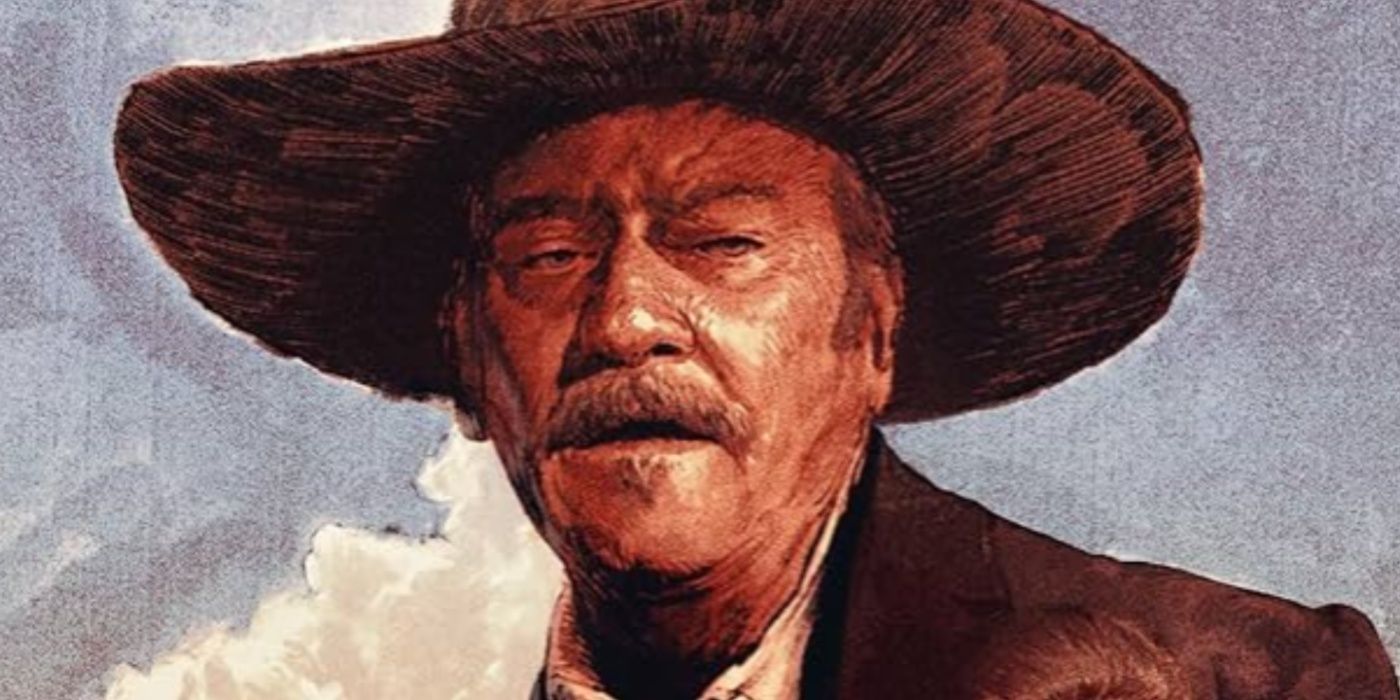
At its heart, John Wayne’s career, and especially “The Shootist,” was about storytelling. He told stories that resonated with audiences, reflecting enduring human themes of courage, justice, and the struggle against adversity. In the modern context, storytelling remains an incredibly powerful tool for brand building and communication. Whether it’s a startup presenting its mission, an individual sharing their professional journey, or a content creator engaging their audience, compelling narratives captivate attention and build emotional connections. Technology provides unprecedented avenues for storytelling, from interactive websites and video content to virtual reality experiences. The lesson from the Duke is clear: harness the power of narrative to articulate your vision, share your values, and make your brand unforgettable.
“The Shootist” stands as John Wayne’s final film, a poignant farewell that underscored his legendary status. Yet, its enduring relevance, when examined through the contemporary lenses of technology, brand, and money, reveals a deeper tapestry of insights. From the digital preservation of his cinematic legacy to the strategic monetization of his iconic brand and the timeless lessons he offers on authentic self-presentation, John Wayne’s journey continues to provide invaluable wisdom for navigating our increasingly complex and interconnected world. He may have ridden off into the sunset in 1976, but the Duke’s influence, mediated and amplified by modern tools, shows no signs of dimming.
aViewFromTheCave is a participant in the Amazon Services LLC Associates Program, an affiliate advertising program designed to provide a means for sites to earn advertising fees by advertising and linking to Amazon.com. Amazon, the Amazon logo, AmazonSupply, and the AmazonSupply logo are trademarks of Amazon.com, Inc. or its affiliates. As an Amazon Associate we earn affiliate commissions from qualifying purchases.