
In the high-stakes world of pharmaceutical development, few assets offer as compelling a case study in market evolution and financial strategy as ivermectin. Originally discovered in the late 1970s, this compound represents a pinnacle of research and development (R&D) success, transforming from a specialized veterinary product into one of the most economically significant medications in history. To understand what ivermectin was originally used for through a financial lens, one must look past the clinical applications and analyze the strategic investment, intellectual property management, and market expansion tactics that defined its trajectory.

Ivermectin was not merely a medical breakthrough; it was a financial masterclass in how a single discovery can sustain a corporate giant, stabilize emerging markets, and redefine the economic value of public-private partnerships.
The Initial Investment: From Soil Samples to a Billion-Dollar Asset
The story of ivermectin begins with a strategic collaboration between the Kitasato Institute in Japan and the American pharmaceutical powerhouse Merck & Co. This partnership was a calculated financial risk, aimed at identifying naturally occurring compounds that could disrupt the parasitic disease market.
The Cost of Discovery: Merck’s Strategic R&D
In the 1970s, the pharmaceutical industry was undergoing a transition toward more targeted chemical synthesis, yet Merck maintained a significant budget for natural product screening. This was an expensive, labor-intensive process with a high probability of failure. The discovery of Streptomyces avermitilis in a soil sample from a Japanese golf course was the result of thousands of hours of expert labor and millions of dollars in overhead.
From a business perspective, this “Sunk Cost” was justified by the potential for a high-margin “Blockbuster” drug. Once William Campbell and his team at Merck identified the avermectin family of compounds, the financial priority shifted from exploration to optimization. The conversion of avermectin into the more stable and potent ivermectin required a secondary round of investment in chemical engineering, but the projected Return on Investment (ROI) was unprecedented.
Intellectual Property and the Patent Life Cycle
Securing the intellectual property (IP) for ivermectin was the cornerstone of Merck’s financial strategy. By patenting the compound and its manufacturing processes, Merck ensured a period of market exclusivity that allowed them to recoup their R&D costs many times over. In the pharmaceutical sector, the patent life cycle is the primary driver of valuation. For ivermectin, the initial patents provided a protective moat, preventing competitors from entering the space while Merck established the drug as the industry gold standard.
Market Penetration and the Veterinary Goldmine
While many associate ivermectin with human medicine today, its original commercial success was rooted firmly in the veterinary and agricultural sectors. This was a strategic choice; the veterinary market often has lower regulatory hurdles for initial entry compared to human clinical trials, allowing for faster cash flow generation.
The Veterinary Blockbuster: Creating a Recurring Revenue Stream
When ivermectin was launched in 1981, it revolutionized the livestock industry. For cattle and sheep ranchers, parasitic infections represented a significant “hidden cost,” reducing meat yields and wool quality. Ivermectin offered a superior Value Proposition: a single dose could eliminate a wide spectrum of internal and external parasites.
The financial genius of ivermectin’s veterinary launch was its integration into recurring maintenance schedules. By marketing the drug as a preventative measure for heartworm in canines (under brands like Heartgard), Merck moved from a “one-off” treatment model to a subscription-style revenue model. This created a predictable, high-margin income stream that would fund the company’s expansion into other therapeutic areas for decades.
Scaling Production and Global Supply Chain Economics
As demand for ivermectin surged globally, Merck had to optimize its supply chain to maintain profitability. The fermentation process required to produce the base compound was complex and capital-intensive. By scaling up production facilities, Merck achieved “Economies of Scale,” lowering the unit cost of the drug while maintaining high wholesale prices. This margin expansion allowed the company to dominate the global antiparasitic market, capturing significant market share from older, less effective, and less profitable competitors.
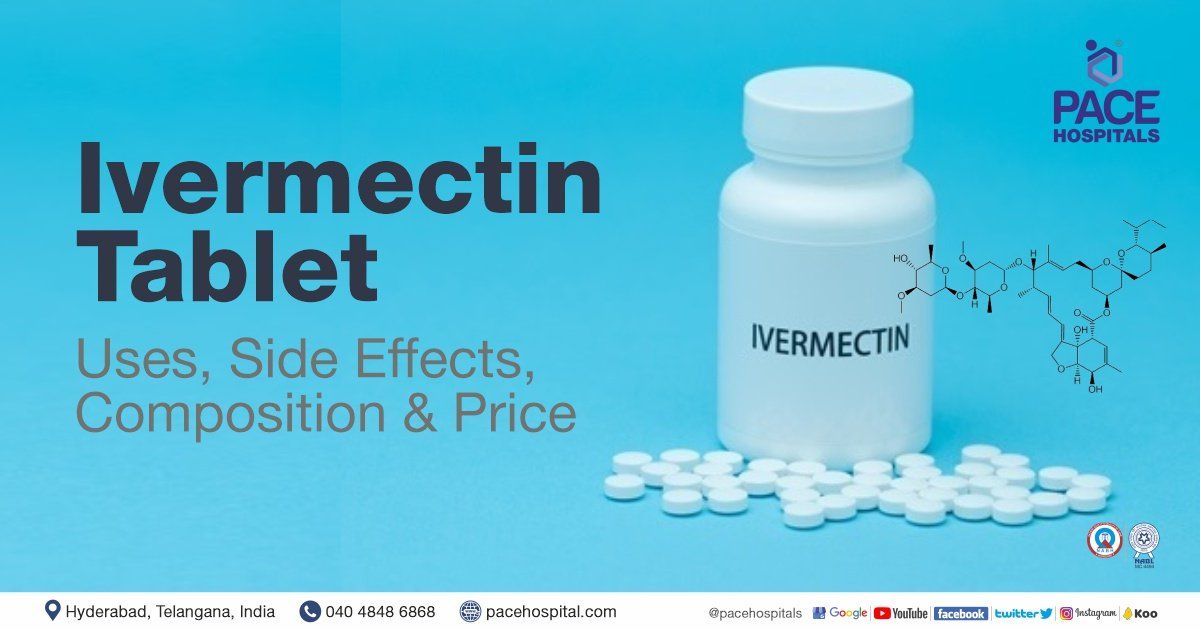
The Mectizan Donation Program: Corporate Responsibility as a Financial Strategy
One of the most unique aspects of ivermectin’s history is the decision by Merck to donate the drug for the treatment of Onchocerciasis (River Blindness) in the developing world. While this appears to be a purely philanthropic act, it is also a fascinating study in corporate strategy and long-term economic positioning.
Tax Incentives and Brand Equity
In 1987, Merck realized that the populations most in need of ivermectin for River Blindness could not afford it. From a traditional sales standpoint, there was no market. However, by establishing the Mectizan Donation Program, Merck leveraged specific tax laws related to charitable contributions of inventory. These deductions helped offset the costs of production, effectively subsidizing the “donation.”
Furthermore, the “Brand Equity” gained from this move was immeasurable. Merck became synonymous with corporate social responsibility (CSR), enhancing its reputation among investors, regulators, and the global medical community. In the modern financial world, Environmental, Social, and Governance (ESG) scores are critical to a company’s valuation; Merck was practicing a proto-version of this decades ago, securing a “social license to operate” that facilitated smoother negotiations in other profitable markets.
Long-term Economic Impact on Developing Markets
From a macro-economic perspective, the donation of ivermectin was an investment in market stabilization. River Blindness and Elephantiasis (Lymphatic Filariasis) were devastating the workforce in Sub-Saharan Africa and Latin America. By eradicating these diseases, ivermectin helped return millions of people to the workforce.
A healthy population is a prerequisite for a developing economy. By contributing to the health of these regions, Merck indirectly fostered future markets for its other, more profitable pharmaceutical products. This “Long-Tail” financial strategy demonstrates how health interventions can serve as a catalyst for regional economic growth, eventually creating a more robust global consumer base.
Re-purposing and the Economics of Generic Pharmaceuticals
As the original patents for ivermectin began to expire, the financial landscape of the drug shifted from a monopoly to a competitive generic market. This transition is a standard phase in the pharmaceutical business cycle, but ivermectin’s case remains unique due to its low production cost and high versatility.
Off-Patent Competition and Price Compression
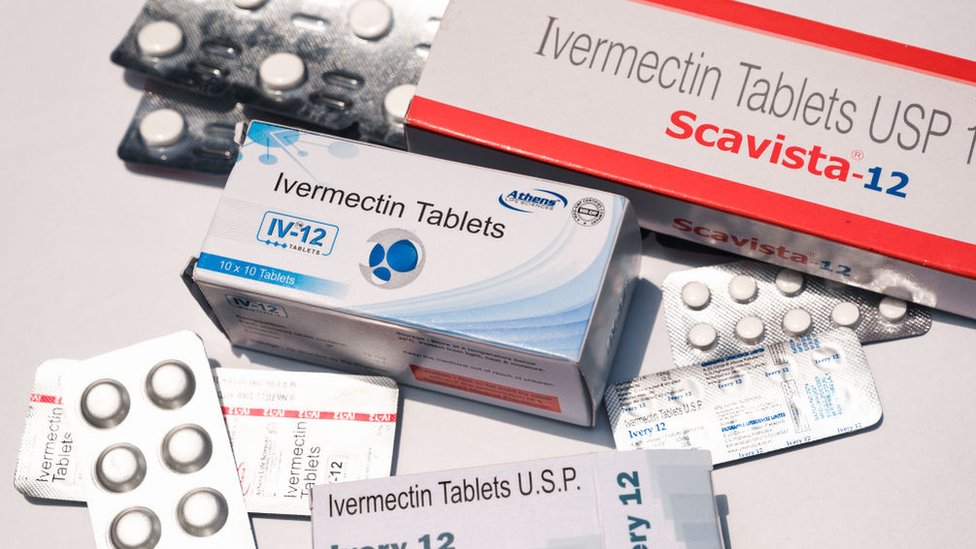
Once ivermectin went off-patent, a multitude of generic manufacturers entered the market, particularly in India and China. This led to significant price compression. For consumers and health organizations, this was a win; for the original patent holder, it signaled the end of a high-margin era.
However, the “Genericization” of ivermectin also expanded its reach. In the world of finance, high-volume, low-margin products can still be highly profitable if the global demand is sufficiently large. Ivermectin became a “commodity chemical” within the pharmaceutical industry, essential to the portfolios of generic manufacturers who operate on the principle of efficiency and scale rather than innovation.
The Business of Repurposed Drugs in the 21st Century
The final chapter in the financial history of ivermectin involves the concept of “Drug Repurposing.” Because the safety profile of ivermectin was already well-documented through decades of use, the cost of exploring new applications for the drug was significantly lower than developing a New Molecular Entity (NME).
From a capital allocation perspective, repurposing is an attractive strategy for biotech firms and researchers. It bypasses many of the early-stage risks associated with drug development. While the financial frenzy surrounding the drug in recent years highlighted the volatility of “hype-driven” markets, the underlying economic reality remains: ivermectin is a foundational asset. Its journey from a Japanese soil sample to a global commodity illustrates the life cycle of a successful pharmaceutical investment—moving from high-risk R&D to a protected monopoly, then to a philanthropic tool, and finally to a high-volume generic staple.
Conclusion: The Lasting Value of a Medical Landmark
What ivermectin was originally used for—a broad-spectrum antiparasitic—provided the foundation for a multi-billion dollar financial legacy. For investors and business strategists, the lesson of ivermectin lies in its adaptability. It proved that a drug’s value is not just in its chemical composition, but in how it is positioned within the global economy.
By balancing high-margin veterinary sales with strategic human health donations and navigating the transition into the generic market, ivermectin has remained financially relevant for over forty years. It stands as a testament to the power of a well-executed IP strategy and the enduring ROI of scientific innovation that addresses fundamental global needs. For Merck and the global economy, ivermectin was never just a medicine; it was a cornerstone of a sustainable pharmaceutical business model.
aViewFromTheCave is a participant in the Amazon Services LLC Associates Program, an affiliate advertising program designed to provide a means for sites to earn advertising fees by advertising and linking to Amazon.com. Amazon, the Amazon logo, AmazonSupply, and the AmazonSupply logo are trademarks of Amazon.com, Inc. or its affiliates. As an Amazon Associate we earn affiliate commissions from qualifying purchases.