
The turn of the 20th century, specifically the year 1900, wasn’t just a calendar transition; it was a profound inflection point for humanity, particularly in the realm of technology. As the world shed the Victorian era’s skin and stepped into a new millennium, it was greeted by an accelerating wave of innovations that would fundamentally reshape societies, economies, and daily life. Far from being merely an interesting historical footnote, 1900 stood as a crucible where the foundational technologies of the modern world were being forged, refined, and disseminated. It was a year bustling with inventive spirit, laying the groundwork for everything from global communication networks and personalized transportation to industrial mass production and electrified cities.
This era was characterized by an almost feverish optimism surrounding scientific discovery and technological progress. Major world exhibitions, like the Exposition Universelle in Paris held in 1900 itself, served as grand showcases for these advancements, dazzling millions with visions of a technologically advanced future. From the mundane to the monumental, the innovations of 1900 marked the end of one technological epoch and the confident, if sometimes uncertain, beginning of another. Understanding what was happening technologically in 1900 is crucial to appreciating the trajectory of the entire 20th century and, indeed, many aspects of our current digital age. It was a time when the potential of electricity, the allure of speed, and the dream of instant communication moved from the theoretical to the tangible, permanently altering the human experience.
The Electrification of a Nation: Powering Progress
The year 1900 marked a significant stride in the world’s transition from the dim glow of gaslight and the chug of steam engines to the clean, efficient power of electricity. The battle between direct current (DC) and alternating current (AC) had largely been won by AC, leading to its widespread adoption and the establishment of more robust, far-reaching power grids. This standardization was paramount, allowing electricity to become a transformative force in both urban and industrial settings, signaling the true dawn of the electric age.
The Triumph of Alternating Current
By 1900, the efforts of visionaries like Nikola Tesla and entrepreneurs like George Westinghouse had solidified alternating current as the superior method for transmitting electricity over long distances. While Thomas Edison’s DC systems were effective locally, AC’s ability to be stepped up or down in voltage made it economically viable to power distant cities and industries from large central generating stations, often located near coal mines or hydroelectric sources. This triumph of AC meant that electricity was no longer a novelty but a burgeoning utility, poised to electrify entire nations. Its adoption laid the critical infrastructure for the growth of cities and industries throughout the 20th century, providing a versatile and scalable energy source that transformed everything from street lighting to factory machinery. The widespread availability of AC power meant that new electrical inventions could be widely adopted, fueling further innovation and making electricity an indispensable part of modern life.
Illumination and Urban Transformation
Perhaps the most visible impact of electrification in 1900 was the transformation of urban landscapes through electric lighting. Streets, public buildings, and increasingly, private homes were being illuminated with electric arc lamps and incandescent bulbs, dramatically extending the hours of productivity and leisure. This new brilliance not only enhanced public safety by deterring crime but also fostered vibrant night economies, allowing businesses to operate longer and social life to flourish after sunset. Cities like New York, London, and Paris, already burgeoning metropolises, took on a new glow, symbolizing progress and modernity. The psychological impact of banishing darkness was profound, instilling a sense of optimism and control over the environment. Beyond aesthetics, electric lighting in factories allowed for extended shifts, boosting production capacity and contributing significantly to economic growth.
Electrifying Industry and Transit
The shift from steam power to electric motors in industrial settings was a quiet revolution happening in 1900, yet its implications were enormous. Electric motors offered unparalleled efficiency, cleanliness, and flexibility, allowing factories to be designed more intelligently and machines to be operated with greater precision. This translated into increased productivity and lower operating costs, spurring unprecedented industrial expansion. Concurrently, electric trams and trains were revolutionizing urban and inter-urban public transit. No longer reliant on horses or steam engines, electric streetcars offered faster, quieter, and more reliable transportation for city dwellers, facilitating urban sprawl and making daily commutes more manageable. These electric transport systems were critical for the burgeoning working classes, connecting homes to factories and commercial centers, and fundamentally altering urban planning and social mobility.
Revolutionizing Communication: Connecting the Globe
The year 1900 was a pivotal moment in the history of communication, witnessing the maturation of some technologies and the nascent breakthroughs of others that would profoundly shrink the world. The desire to transmit information faster and across greater distances was a powerful driver of innovation, leading to a landscape of interconnectedness unimaginable just decades prior.
The Ubiquity of the Telephone
By 1900, the telephone, invented by Alexander Graham Bell just a few decades earlier, was rapidly transitioning from a mere curiosity to an indispensable tool for business and, increasingly, personal communication. Telephone exchanges were expanding, and networks were growing denser, particularly in urban centers. While still a luxury for many, its value in commerce for quick negotiations, orders, and inquiries was undeniable. Businesses that embraced the telephone gained a competitive edge, fostering a more dynamic and responsive marketplace. The expanding telephone infrastructure laid the groundwork for the future of instant, voice-based communication, profoundly altering social interactions and the pace of business, reducing the tyranny of distance in ways that paper mail could not.
The Dawn of Wireless Telegraphy
Perhaps one of the most exciting technological developments around 1900 was the emergence of wireless telegraphy, championed by Guglielmo Marconi. Though the first successful transatlantic wireless transmission was still a year away (1901), Marconi’s experiments and demonstrations in 1900 were already proving the immense potential of sending messages through the air without wires. This technology had immediate and profound implications for maritime communication, promising increased safety for ships at sea by allowing them to send distress signals and receive weather updates. Beyond shipping, wireless telegraphy was seen as a future military asset and the precursor to radio broadcasting, hinting at a world where information could travel across vast distances instantly, bypassing physical infrastructure entirely. It was a technology that truly promised to “connect continents and people” in an entirely new way.
Capturing Reality: Photography and Early Cinema
The turn of the century also saw significant advancements in visual technology. Photography had become more accessible to the amateur with the popularization of cameras like Kodak’s Brownie, launched in 1900 itself, making it possible for ordinary people to capture personal memories. This democratic access to image-making began to reshape how individuals documented their lives and perceived the world around them. Concurrently, the nascent art of cinematography was evolving rapidly. Early filmmakers like the Lumière brothers and Georges Méliès were exploring the capabilities of the moving picture camera, moving beyond simple actualités to early narrative films and special effects. While still largely a novelty, early cinema in 1900 was already demonstrating its power to entertain, educate, and even influence public opinion, laying the groundwork for what would become one of the 20th century’s most dominant art forms and mass media.
The Dawn of Modern Mobility: Reshaping Landscapes and Lifestyles
The concept of personal and mass mobility underwent a dramatic metamorphosis around 1900. While the steam locomotive and sailing ship had dominated long-distance travel for decades, new forms of transportation emerged or rapidly evolved, promising unprecedented speed, flexibility, and freedom. This era ignited a fascination with movement that would define much of the 20th century.
The Ascendancy of the Automobile
In 1900, the automobile was still largely a luxury item, a plaything for the wealthy, but it was rapidly gaining momentum. Early car manufacturers in Europe and America were refining internal combustion engines, improving reliability, and experimenting with various designs. Brands that would become automotive giants—like Mercedes, Renault, and Oldsmobile—were either in their infancy or had just begun to produce their first models. The vision of personal transport, free from the constraints of rail lines or horse-drawn carriages, captivated inventors and the public alike. Though roads were still largely unpaved and service stations non-existent, the internal combustion engine had proven its viability, setting the stage for Henry Ford’s mass production revolution and the subsequent motorization of the world, which would profoundly reshape urban planning, suburban development, and individual lifestyles.
Aviation’s First Flutters
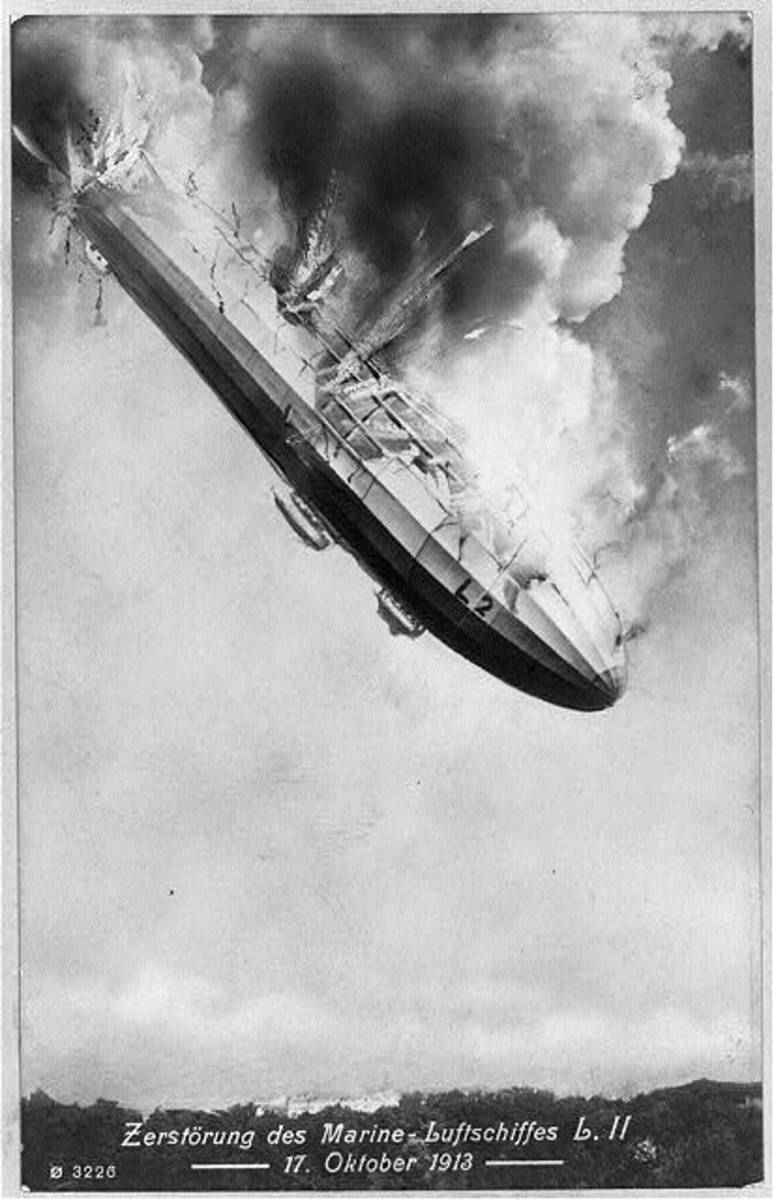
While the monumental achievement of sustained, powered flight by the Wright brothers was still three years away in 1903, the year 1900 was brimming with pioneering work in aviation. Inventors and enthusiasts across the globe were experimenting with gliders, kites, and early engine designs, pushing the boundaries of what was thought possible in the air. Figures like Otto Lilienthal’s earlier gliding successes and Samuel Langley’s aerodrome experiments fueled the belief that heavier-than-air flight was achievable. Concurrently, lighter-than-air craft, particularly dirigibles (such as the first rigid airship by Ferdinand von Zeppelin, which made its maiden flight in 1900), were seen as viable forms of aerial transport, offering long-distance travel capabilities, albeit with limitations. These early endeavors, even those that ended in failure, contributed invaluable knowledge and inspired the relentless pursuit of human flight.
Refinements in Rail and Sea Travel
Even with the advent of new modes of transport, traditional forms of mobility continued to evolve in 1900. Steam locomotives saw continued improvements in design, speed, and efficiency, enhancing the reach and reliability of railway networks. These networks remained the backbone of national transportation for goods and people, facilitating industrial growth and westward expansion in many countries. On the high seas, steamships had already largely supplanted sailing vessels for long-distance travel, and in 1900, they were becoming larger, faster, and more luxurious. Companies were building ocean liners designed for both speed and comfort, facilitating increased global trade, migration, and tourism. These maritime innovations were crucial for connecting continents, allowing for the rapid movement of raw materials, manufactured goods, and people across vast oceans, shrinking the global distances and fostering interconnectedness.
Industrial Innovation and Scientific Management
The year 1900 was a period where the factories and workshops of the world were undergoing a silent revolution, driven by a quest for efficiency, standardization, and increased output. This era saw the refinement of manufacturing processes and the emergence of new organizational philosophies that would define industrial production for decades to come.
The Principles of Efficiency
At the turn of the century, industrial engineers and management theorists began to meticulously analyze workflows and production processes to maximize output. Frederick Winslow Taylor, a seminal figure in this movement, was developing his principles of “scientific management” or “Taylorism,” which would profoundly influence industrial organization. By breaking down tasks into their smallest components, standardizing tools and methods, and optimizing worker movements, Taylor aimed to eliminate inefficiency and boost productivity. While his methods would later face criticism for dehumanizing labor, in 1900, his ideas were nascent but powerful, promising a future of unprecedented industrial output and laying the theoretical groundwork for modern factory systems. This focus on efficiency was crucial for enabling the mass production of goods.
Advances in Materials Science
Industrial progress in 1900 was heavily reliant on innovations in materials science. The widespread adoption of the Bessemer process and later the open-hearth method had made steel production more efficient and economical, allowing for its use in everything from skyscrapers and bridges to railway tracks and machinery. This stronger, more versatile material fueled construction booms and enabled more robust engineering. Beyond steel, chemical innovations were also flourishing. New synthetic dyes revolutionized the textile industry, offering a wider palette of colors. Early forms of plastics and other composite materials were in experimental stages, hinting at a future where engineered materials could be tailored to specific industrial needs, further diversifying the manufacturing landscape and expanding the possibilities for product design.
The Mass Production Blueprint
While Henry Ford’s truly revolutionary assembly line would not be fully implemented for another decade, the conceptual framework for mass production was being established in 1900. The interchangeability of parts, a concept pioneered earlier by figures like Eli Whitney, was becoming a cornerstone of industrial manufacturing. Factories were increasingly adopting specialized machinery and sequential production steps to create standardized goods more rapidly and at a lower cost. This modular approach meant that complex products could be assembled from identical, pre-fabricated components, accelerating production rates and making goods more affordable for a broader consumer base. This foundational shift was crucial for the industrial expansion of the 20th century, enabling economies of scale that transformed consumer markets.
Everyday Tech and Societal Impact
Beyond the grand industrial and communication technologies, 1900 also saw the emergence of innovations that began to subtly, yet profoundly, impact daily life in homes and offices, laying the groundwork for the modern conveniences we often take for granted.
Modern Conveniences for the Home
The year 1900 marked the very early stages of a domestic technological revolution. While largely still the domain of the affluent, rudimentary versions of electric washing machines, vacuum cleaners, and refrigerators were beginning to appear. These appliances, though bulky and expensive, promised to ease the arduousness of household chores, freeing up time for leisure or other pursuits. Early electric fans provided relief from summer heat, and electric irons simplified the chore of clothes pressing. These innovations were the distant precursors to the ubiquitous home appliances of today, signaling a future where technology would transform the domestic sphere, making homes more comfortable and manageable, and profoundly impacting the roles within the household, particularly for women.
The Mechanization of the Office
The administrative world of 1900 was also being reshaped by technology. The typewriter, though invented earlier, was becoming an indispensable tool in offices, dramatically speeding up correspondence and document creation. Adding machines and early calculating machines were beginning to automate tedious arithmetic tasks, enhancing accuracy and efficiency in accounting and record-keeping. Duplicating machines allowed for the rapid reproduction of documents, facilitating the dissemination of information within large organizations. These office technologies not only increased productivity but also created new job categories, particularly for women as typists and clerks, contributing to shifts in labor demographics and the modernization of business administration, making organizations more efficient and structured.
Medical and Health Innovations
The turn of the century brought significant advancements in medical technology and public health, profoundly impacting human longevity and quality of life. X-rays, discovered just a few years prior by Wilhelm Röntgen, were quickly being adopted for diagnostic purposes, revolutionizing surgery and allowing doctors to see inside the human body without incision. Antiseptic surgery, championed by Joseph Lister, was becoming standard practice, drastically reducing post-operative infections and mortality rates. Furthermore, Louis Pasteur’s germ theory of disease was gaining wider acceptance, leading to improved sanitation practices, advancements in vaccine development, and better understanding of infectious diseases, resulting in public health initiatives that began to curb epidemics and improve overall societal well-being. These medical breakthroughs laid the foundation for modern medicine, directly contributing to increased life expectancy and a healthier population.

Conclusion
The year 1900 was not merely the start of a new century but a vibrant crossroads of human ingenuity, where the seeds of unprecedented technological change were taking root. From the electrification of cities and the nascent stages of global communication to the very first steps of personal mobility and the streamlining of industrial production, the innovations of this era were nothing short of transformative. Each technological leap, however rudimentary by today’s standards, chipped away at the limitations of distance, darkness, and manual labor, laying the bedrock for the subsequent century’s explosion of progress.
The technologies of 1900 were more than just inventions; they were catalysts for profound societal shifts, influencing urban development, economic structures, labor dynamics, and even daily routines and perceptions of the world. They fostered an era of accelerating change, demonstrating humanity’s relentless drive to innovate and improve. Understanding what was happening technologically in 1900 offers invaluable insight into the origins of our hyper-connected, technologically advanced world. It reminds us that every gadget, every network, and every automated process we now take for granted has its roots in the ambitious experiments and groundbreaking discoveries made over a century ago, a testament to the enduring legacy of the dawn of modern technology.
aViewFromTheCave is a participant in the Amazon Services LLC Associates Program, an affiliate advertising program designed to provide a means for sites to earn advertising fees by advertising and linking to Amazon.com. Amazon, the Amazon logo, AmazonSupply, and the AmazonSupply logo are trademarks of Amazon.com, Inc. or its affiliates. As an Amazon Associate we earn affiliate commissions from qualifying purchases.