
In the world of brand strategy, few assets are as enduring—or as difficult to modify—as a national holiday. For decades, Columbus Day served as a cornerstone of the American civic calendar, a “brand” that stood for discovery, bravery, and the specific heritage of Italian-Americans. However, over the last twenty years, the brand identity of this federal holiday has undergone one of the most significant and contentious transformations in modern cultural history.
To understand what Columbus Day “was” is to understand a case study in how cultural sentiment, ethical evolution, and political branding intersect. Today, the day is increasingly recognized as Indigenous Peoples’ Day. This shift is not merely a change in name; it is a full-scale rebranding of an institutional asset to better align with contemporary values and a more inclusive market of ideas.
The Original Brand Identity: Building a National Hero
The creation of Columbus Day was a deliberate exercise in identity branding. In the late 19th and early 20th centuries, the United States was a nation grappling with a massive influx of immigrants. At the time, Italian-Americans faced significant discrimination and marginalization.
The Purpose of the Brand: Assimilation and Pride
The primary “value proposition” of Columbus Day was to provide Italian-Americans with a hero who was both central to the American story and a source of ethnic pride. By elevating Christopher Columbus to the status of a national founder, advocates successfully integrated a marginalized group into the broader American narrative. In 1892, President Benjamin Harrison issued a proclamation for the 400th anniversary of Columbus’s voyage, positioning it as a day of patriotism and unity.
Establishing the Iconography
A successful brand requires consistent imagery and messaging. For Columbus Day, this included the iconography of the Niña, the Pinta, and the Santa Maria, along with portraits of Columbus as a visionary explorer. This branding was reinforced through the educational system, where generations of students were taught a simplified, heroic version of the “discovery” of the New World. From a strategic standpoint, the “Columbus” brand was highly effective because it offered a clear, heroic arc that resonated with the American ethos of manifest destiny and exploration.
The Brand Crisis: When Symbols Become Liabilities
In the corporate world, a brand crisis occurs when a product’s image no longer matches the reality of its impact or the values of its consumers. For Columbus Day, the “brand crisis” began to brew in the late 20th century as historical scholarship and civil rights movements brought the darker realities of Columbus’s legacy into the public consciousness.
Revisionist History as a Brand Audit
As modern historians audited the “Columbus” brand, they highlighted evidence of genocide, enslavement, and the devastating impact of European diseases on indigenous populations. The hero narrative began to crumble under the weight of these ethical contradictions. For a significant portion of the “audience”—specifically Indigenous communities and social justice advocates—the brand of Columbus Day was no longer a celebration of discovery; it was a painful reminder of colonization and trauma.
The Shift in Public Sentiment
Just as a consumer brand must adapt to the changing tastes of its demographic, a national holiday must reflect the evolving ethics of its citizenry. The “customer base” for Columbus Day began to fragment. Younger generations, in particular, began to distance themselves from the traditional narrative. When a brand becomes a liability, institutional stakeholders (in this case, local and state governments) are forced to decide whether to double down on the original identity or pivot to a new one.
The Strategic Pivot: The Rise of Indigenous Peoples’ Day
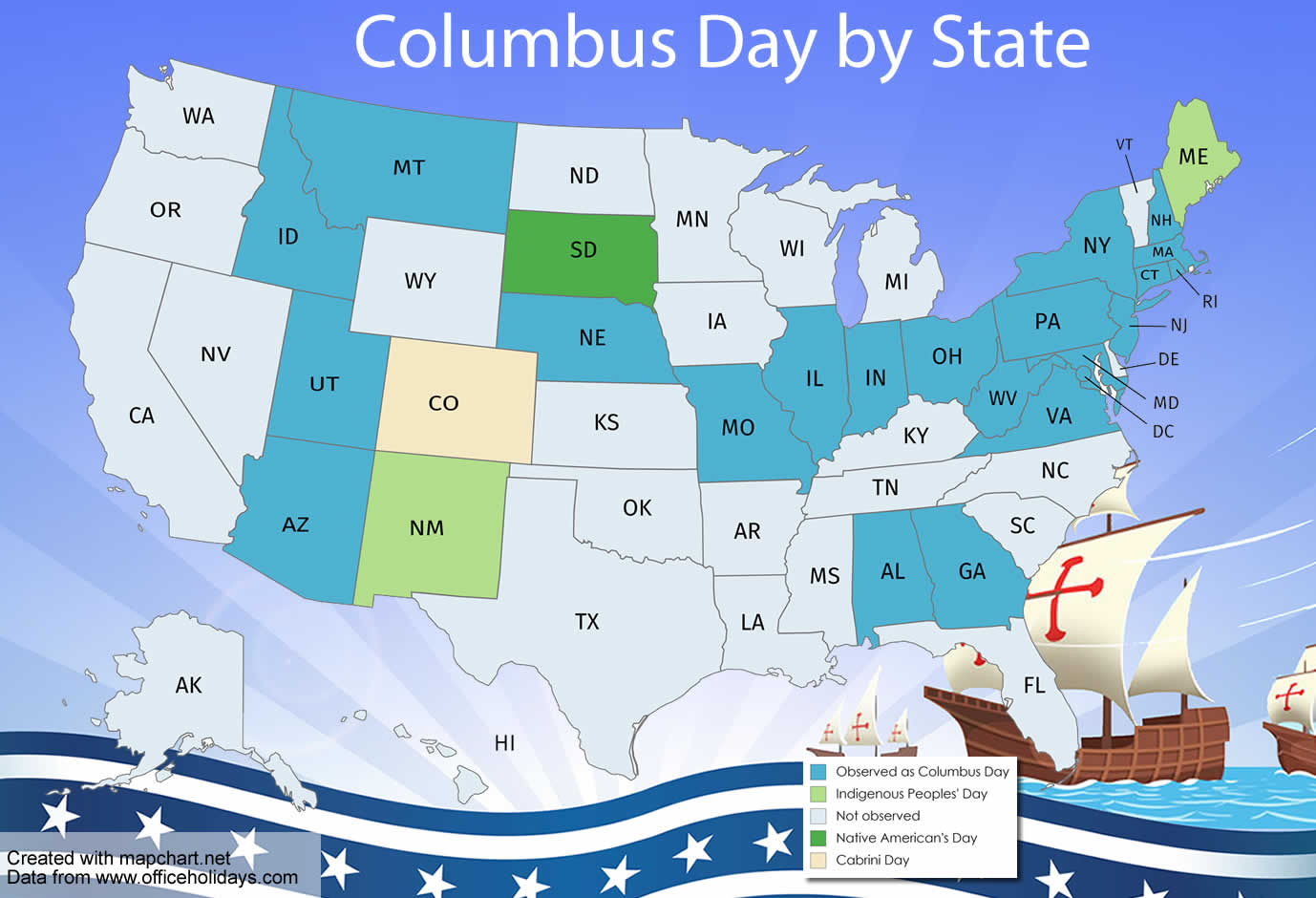
The transition from Columbus Day to Indigenous Peoples’ Day is a classic example of a “repositioning” strategy. Rather than simply deleting a holiday, the goal was to replace it with a brand that prioritized inclusivity, historical accuracy, and social responsibility.
Defining the New Value Proposition
Indigenous Peoples’ Day was designed to flip the narrative. Instead of focusing on the “discoverer,” the new brand focuses on the people who were already there. The value proposition shifted from “Celebration of European Discovery” to “Recognition of Indigenous Resilience and Culture.” This pivot allowed the holiday to remain on the calendar while fundamentally changing its emotional impact and cultural relevance.
The Implementation of State-Level Rebranding
The rollout of this new brand did not happen overnight. It began at the local level—Berkeley, California, was the first city to make the change in 1992—and has since spread across dozens of states and hundreds of cities. This grassroots rebranding effort eventually reached the highest levels of government. In 2021, President Joe Biden became the first U.S. president to formally recognize Indigenous Peoples’ Day, marking a significant milestone in the brand’s institutional adoption.
Corporate Responsibility and Brand Alignment
In the modern business environment, companies must navigate these cultural shifts with precision. How a corporation handles Columbus Day is now a litmus test for its commitment to Diversity, Equity, and Inclusion (DEI).
Updating Corporate Calendars and Handbooks
For human resources and internal branding teams, the “what was Columbus Day” question is a matter of policy. Many Fortune 500 companies have officially updated their internal calendars to reflect Indigenous Peoples’ Day. This is more than a clerical change; it is a signal to employees and stakeholders that the company’s corporate identity is aligned with modern social standards. Failing to update this branding can make a company appear out of touch or insensitive to its diverse workforce.
Marketing Sensitivity and Authentic Engagement
During the transition period, many brands faced a “marketing minefield.” Retailers who historically used “Columbus Day Sales” as a promotional hook found themselves needing to pivot. Using an outdated and controversial brand name in advertising can lead to public relations backlash and consumer boycotts.
Strategic brands have handled this by:
- Genericizing the Promotion: Shifting to “Fall Sales” or “Long Weekend Events.”
- Authentic Alignment: Using the day to highlight Indigenous creators or donate a portion of profits to Indigenous causes.
- Silence as Strategy: In some cases, brands choose to step away from holiday-themed marketing altogether to avoid the risk of appearing performative.
The Future of Heritage Branding
The evolution of Columbus Day demonstrates that no brand—no matter how deeply entrenched in law or tradition—is immune to the forces of cultural change. What Columbus Day “was” was a symbol of a specific era’s values and a specific group’s quest for inclusion. What it is becoming is a reflection of a more complex, honest, and inclusive understanding of history.
The Legacy of the Transition
As we look forward, the rebranding of this holiday serves as a blueprint for how other cultural and corporate assets might be updated. It highlights the importance of the “Brand Audit”—the process of looking at a symbol and asking: Who does this serve? Who does it hurt? Is it still true?

Conclusion: The Endurance of Identity
While the “Columbus Day” brand continues to be celebrated by some as a tribute to Italian-American heritage, its dominance has been permanently disrupted. The emergence of Indigenous Peoples’ Day proves that brand strategy is not just about logos and slogans; it is about the stories we choose to tell and the values we choose to honor. In the end, the most successful brands are those that can evolve without losing their soul, transitioning from a narrow focus to a broader, more resonant purpose.
aViewFromTheCave is a participant in the Amazon Services LLC Associates Program, an affiliate advertising program designed to provide a means for sites to earn advertising fees by advertising and linking to Amazon.com. Amazon, the Amazon logo, AmazonSupply, and the AmazonSupply logo are trademarks of Amazon.com, Inc. or its affiliates. As an Amazon Associate we earn affiliate commissions from qualifying purchases.