
The Rollercoaster Ride of Bitcoin’s Valuation
Bitcoin, often hailed as digital gold, has traversed an extraordinary path since its inception in 2009. Born from the aftermath of the 2008 financial crisis, it was envisioned as a decentralized, peer-to-peer electronic cash system. Today, it stands as the world’s largest cryptocurrency by market capitalization, captivating investors, financial institutions, and the public alike. The question of “what was Bitcoin’s all-time high” is not merely about a single numerical peak; it encapsulates the intense market dynamics, speculative frenzies, periods of institutional adoption, and macroeconomic shifts that have defined its volatile yet often upward trajectory.
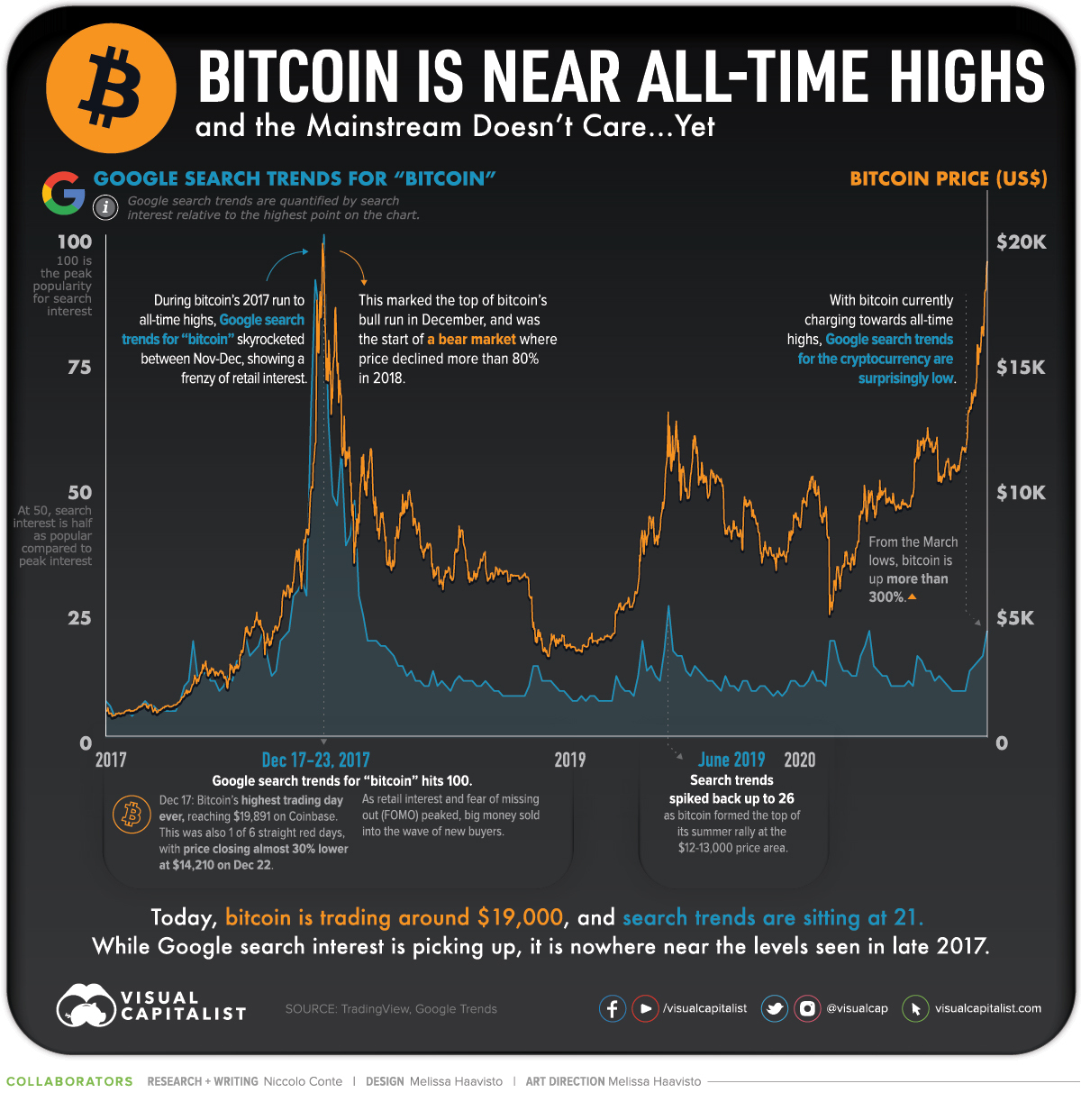
An “all-time high” (ATH) in the context of cryptocurrencies like Bitcoin represents the absolute highest price a digital asset has ever reached on an exchange. These peaks are critical milestones, often signaling periods of intense investor interest, significant market events, or shifts in the broader financial landscape. Bitcoin’s journey has been characterized by multiple significant ATHs, each driven by a unique confluence of factors, demonstrating a continuous process of price discovery within a novel asset class. Understanding these peaks requires a dive into the chronological narrative of its market evolution, highlighting the forces that have propelled its value to unprecedented heights.
Early Peaks and the First Major Surge (2013-2017)
Bitcoin’s early years were marked by a gradual ascent from relative obscurity to a niche financial asset. After trading for mere cents for several years, it experienced its first notable price surge in 2013. This period saw Bitcoin climb from single-digit dollars to briefly breach the $1,000 mark by December 2013, peaking at approximately $1,163. This initial boom was largely fueled by increasing media attention, growing awareness among early adopters, and the emergence of more accessible exchanges. However, this surge was followed by a prolonged bear market, often referred to as a “crypto winter,” which saw prices fall sharply and remain subdued for several years.
The next truly monumental surge arrived in 2017. This year marked a watershed moment for Bitcoin and the broader cryptocurrency market. Throughout 2017, Bitcoin embarked on a near-vertical ascent, starting the year below $1,000 and culminating in an astonishing rally towards the end of the year. Several factors contributed to this explosive growth:
- The Initial Coin Offering (ICO) Boom: Thousands of new altcoins launched, often requiring investors to purchase Bitcoin or Ethereum to participate, driving up demand for these foundational cryptocurrencies.
- Increased Retail Investor Interest: Mainstream media coverage, coupled with stories of early adopters becoming millionaires, sparked widespread public curiosity and a Fear Of Missing Out (FOMO) phenomenon among retail investors.
- Growing Infrastructure: The development of more user-friendly exchanges and wallet services made it easier for ordinary people to buy and hold Bitcoin.
By December 2017, Bitcoin reached a then-unprecedented all-time high of approximately $19,783 (based on Coinbase data, though slight variations existed across exchanges). This peak became a benchmark for years to come, solidifying Bitcoin’s presence in the global financial consciousness, even as it was followed by another significant price correction throughout 2018.
The Pandemic Era and Institutional Adoption (2020-2021)
Following the 2017-2018 bull run and subsequent bear market, Bitcoin entered a period of consolidation. However, the global landscape shifted dramatically in 2020 with the onset of the COVID-19 pandemic. The ensuing economic uncertainty, massive government stimulus packages, unprecedented quantitative easing by central banks, and rising inflation fears created a fertile ground for a renewed interest in scarce assets. Bitcoin, with its programmatic scarcity, began to be increasingly viewed as a potential hedge against inflation and a store of value akin to digital gold.
Crucially, this period saw a paradigm shift in Bitcoin’s perception from purely a speculative retail asset to one gaining legitimacy within traditional finance. Institutional adoption became a primary catalyst for its next major bull run. Companies like MicroStrategy, Square (now Block), and later Tesla, began adding Bitcoin to their corporate balance sheets, signaling a powerful vote of confidence. Major payment processors like PayPal and Visa also started integrating cryptocurrency services, broadening access and utility. This influx of institutional capital and endorsement provided a new level of validation, distinguishing the 2020-2021 rally from previous cycles driven primarily by retail speculation.
The Double Peak of 2021
The year 2021 proved to be Bitcoin’s most remarkable year for price discovery, witnessing two distinct, higher all-time highs.
- Peak 1 (April 2021): The momentum from late 2020 carried into the new year, driven by continuous institutional accumulation and increasing corporate interest. Companies announced significant Bitcoin purchases, and investment firms began offering crypto-related products to their clients. This culminated in Bitcoin reaching a new all-time high of approximately $64,800 in mid-April 2021. This peak was followed by a significant correction during the summer months, exacerbated by regulatory concerns and environmental debates surrounding Bitcoin mining.

- Peak 2 (November 2021): Despite the mid-year dip, the underlying bullish sentiment remained strong. Renewed institutional interest, anticipation and approval of Bitcoin futures-based Exchange-Traded Funds (ETFs) in the United States, and continued macroeconomic tailwinds propelled Bitcoin to yet another, even higher, all-time high. By November 2021, Bitcoin achieved its most recent and widely recognized peak, reaching approximately $69,000. This milestone underscored the asset’s resilience and its growing integration into the mainstream financial system, albeit still subject to its inherent volatility.
Factors Driving Bitcoin’s Price Discovery
Bitcoin’s price is a complex interplay of supply and demand, influenced by a myriad of factors. Understanding these elements is crucial for comprehending its historical ATHs and anticipating future movements.
- Supply Dynamics: Bitcoin has a fixed supply cap of 21 million coins, a fundamental aspect of its design that distinguishes it from fiat currencies. Approximately every four years, the reward for mining new blocks is halved – an event known as “halving.” This programmed scarcity reduces the rate at which new Bitcoin enters circulation, creating deflationary pressure and historically leading to significant price appreciation in the months following a halving event.
- Demand Drivers:
- Retail Investment: Individual investors continue to be a significant force, driven by accessibility through user-friendly platforms and the allure of potential high returns.
- Institutional Adoption: The embrace of Bitcoin by major corporations, asset managers, and even nation-states has provided substantial capital inflows and validated its status as a serious investment asset. The development of regulated investment vehicles, like spot Bitcoin ETFs, further democratizes access for traditional investors.
- Macroeconomic Environment: Global economic instability, high inflation, and declining trust in traditional financial systems can drive demand for alternative assets perceived as stores of value, with Bitcoin often benefiting from this narrative.
- Technological Developments: Enhancements to the Bitcoin network, such as the Lightning Network for faster and cheaper transactions, increase its utility and adoption, which can positively impact its value.
- Regulatory Landscape: Clarity in regulation, particularly from major economies, can provide stability and confidence for institutional investors, fostering greater participation. Conversely, uncertainty or stringent crackdowns can trigger sell-offs.
- Market Sentiment and Hype Cycles: The psychology of the market, including fear, greed, and FOMO, plays a significant role in short-to-medium term price movements, often amplifying rallies and corrections.
Understanding Volatility and Risk in Crypto Investing
While the pursuit of all-time highs is a thrilling aspect of cryptocurrency investing, it is imperative for investors to grasp the inherent volatility and risks associated with Bitcoin and the broader crypto market. Bitcoin’s journey to its peaks has always been punctuated by dramatic drawdowns. For instance, after its $19,783 ATH in 2017, Bitcoin plummeted by over 80% in 2018. Similarly, after the April 2021 peak, it saw a significant drop before rallying to its November 2021 ATH. These sharp corrections underscore the speculative nature of the asset and the potential for substantial capital loss.
The Importance of Due Diligence
Investing in Bitcoin requires rigorous due diligence. Prospective investors should thoroughly research its underlying technology, economic principles, and the evolving market landscape. It is crucial to understand that past performance is not indicative of future results, and price predictions, even from experts, are highly speculative. A fundamental principle in highly volatile markets is to only invest capital that one can afford to lose, as complete loss of principal is a distinct possibility. Diversification, while challenging in a relatively nascent asset class, can help mitigate concentration risk, and a long-term investment horizon may help weather short-term fluctuations.
Regulatory and Security Considerations
The regulatory environment for cryptocurrencies is still evolving globally. Changes in regulations can have a profound impact on Bitcoin’s price and accessibility. Investors must stay informed about relevant laws in their jurisdiction. Furthermore, the security of digital assets is paramount. Unlike traditional assets held by banks, cryptocurrencies stored in personal wallets place the onus of security squarely on the owner. Understanding and implementing robust security measures, such as hardware wallets and strong authentication practices, is essential to protect investments from theft or loss.

The Future of Bitcoin’s Valuation
Bitcoin’s journey of price discovery is far from over. Debates rage among analysts and economists regarding its future potential, with proponents envisioning vastly higher valuations and skeptics pointing to its inherent risks.
Bullish arguments often center on continued institutional adoption, the increasing utility of its network (e.g., as a global settlement layer), the ongoing macroeconomic instability driving demand for scarce assets, and the diminishing supply from halving events. As global wealth shifts and digital natives gain more financial power, the appeal of a decentralized, programmable asset could continue to grow.
Conversely, bearish perspectives highlight potential regulatory crackdowns, environmental concerns related to its energy consumption, intense competition from other digital assets, and the possibility of unforeseen “black swan” events. While no one can predict future all-time highs with certainty, Bitcoin has undeniably cemented its position as a significant, albeit volatile, asset class within the global financial landscape. Its ongoing evolution and integration will continue to shape its valuation and define its place in the future of money.
aViewFromTheCave is a participant in the Amazon Services LLC Associates Program, an affiliate advertising program designed to provide a means for sites to earn advertising fees by advertising and linking to Amazon.com. Amazon, the Amazon logo, AmazonSupply, and the AmazonSupply logo are trademarks of Amazon.com, Inc. or its affiliates. As an Amazon Associate we earn affiliate commissions from qualifying purchases.