
In the world of marketing and brand strategy, few case studies are as harrowing or as instructional as the rise and fall of Bill Cosby. For decades, Cosby was more than just a comedian or an actor; he was a blue-chip brand. Often referred to as “America’s Dad,” he occupied a unique space in the cultural zeitgeist, representing trust, paternal wisdom, and middle-class stability. However, the legal proceedings that culminated in his 2018 conviction didn’t just end his career—they obliterated a multi-decade branding architecture.

To understand what Bill Cosby was convicted of is to understand the total collapse of a personal brand identity. It serves as a stark reminder that in the modern economy, a brand is a promise of consistency, and when that promise is fundamentally broken, the resulting “brand equity” evaporates instantly.
The Architecture of “America’s Dad”: Building a Multi-Billion Dollar Personal Brand
Before the legal battles, Bill Cosby was the gold standard for personal branding. His brand was built on a foundation of “wholesome authority.” Unlike his contemporaries who leaned into edgy or counter-cultural humor, Cosby positioned himself as the ultimate relatable figure for both Black and white audiences in America.
The Foundation of Trust and Family Values
The core of the Cosby brand was established through The Cosby Show. As Dr. Cliff Huxtable, Cosby wasn’t just playing a character; he was merging his real-life persona with a fictional ideal. This is a classic brand strategy: “The Identity Merge.” By portraying an affluent, educated, and nurturing father, Cosby became the personification of the American Dream. This created a level of brand trust that was nearly impenetrable, making him a magnet for high-tier corporate partnerships.
The Power of Brand Synergy: From Stand-up to Jell-O
A successful brand requires consistency across all touchpoints. Cosby mastered this. Whether he was doing stand-up comedy about the quirks of childhood, writing books like Fatherhood, or appearing in commercials for Jell-O and Coca-Cola, the message was the same: “I am safe, I am reliable, and I am a moral compass.” For corporations, the “Cosby Seal of Approval” was worth billions because his brand identity mitigated consumer risk. People bought what Cosby sold because they believed in the character he had constructed.
The Legal Breakdown: The Specifics of the Conviction and Its Brand Impact
The “what” of the Bill Cosby conviction is essential to understanding why his brand could never recover. On April 26, 2018, Cosby was found guilty of three counts of aggravated indecent assault. The charges stemmed from a 2004 encounter with Andrea Constand, a former Temple University basketball administrator.
The Montgomery County Trial: Aggravated Indecent Assault
Specifically, the jury convicted Cosby of:
- Penetration without consent.
- Penetration while unconscious.
- Penetration after administering an intoxicant.
From a branding perspective, these weren’t just criminal charges; they were the antithesis of everything the Cosby brand stood for. While a “rebel” brand (like a rock star or a shock jock) might survive a scandal by leaning into their established persona of “bad behavior,” the Cosby brand was built on the premise of being the moral guardian of the American home. The conviction for using drugs to incapacitate a victim was a direct violation of the “Safe Dad” brand promise.
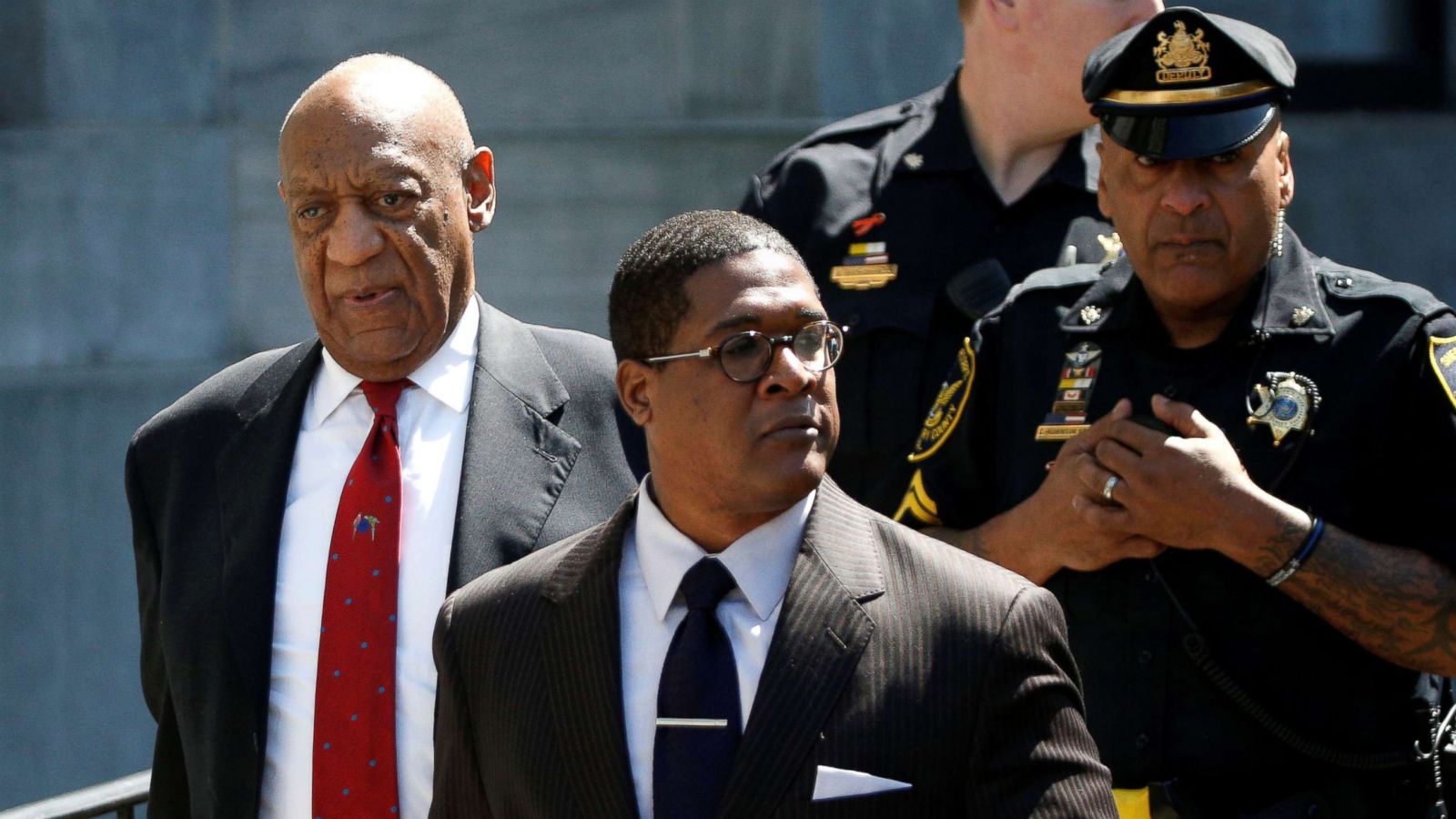
From Icon to Convict: The Sudden Severing of Professional Ties
Though his conviction was later vacated in 2021 by the Pennsylvania Supreme Court on procedural grounds—specifically due to a previous agreement with a prosecutor that he would not be charged—the damage to the brand was irreversible. In the world of brand strategy, the legal technicality of an overturned conviction rarely restores the “Trust Equity” lost during the initial trial. The moment the guilty verdict was read in 2018, the Cosby brand moved from “Institutional” to “Toxic.”
The “Halo Effect” in Reverse: When a Brand Identity Collapses
In branding, the “Halo Effect” is when a consumer’s positive impression of a person or product spills over into everything else associated with them. When Cosby was convicted, he experienced the “Horn Effect”—a total negative spillover that led to a systematic “de-branding” across the globe.
The Erasure of Syndication and Reruns
One of the most immediate financial impacts of the brand collapse was the removal of The Cosby Show from syndication. Networks like Bounce TV, Centric, and TV Land pulled the show from their lineups. For a brand, visibility is life. When the content that defines the brand is removed from the marketplace, the brand effectively ceases to exist in the public consciousness as a positive entity. The loss of residual income was secondary to the loss of cultural relevance.
Collateral Damage: The Impact on Associated Brands and Charities
The conviction also created a crisis for the institutions that had aligned themselves with the Cosby brand. Over 60 universities—including Spelman College, Brown, and Carnegie Mellon—rescinded honorary degrees. The Smithsonian’s National Museum of African Art faced intense scrutiny for an exhibition funded by the Cosbys. This illustrates a critical lesson in corporate branding: “Guilt by Association.” When a personal brand fails this spectacularly, any entity that hasn’t performed “de-coupling” maneuvers faces immediate reputation risk.
Crisis Management and the Future of Celebrity Brand Strategy
The fall of Bill Cosby changed how talent agencies, movie studios, and corporate sponsors approach personal branding. It ushered in an era of “Extreme Due Diligence.”
Authenticity as the New Currency
In the 1980s and 90s, a brand could be a carefully curated facade. Today, in the age of digital transparency and the #MeToo movement, the gap between “Public Brand” and “Private Reality” has narrowed. Brand strategists now emphasize authenticity over authority. A brand that is “too perfect”—like the Cosby brand—is now viewed with a degree of skepticism. Modern personal branding favors a “vulnerable” or “flawed but honest” approach, which allows for human error and reduces the height from which a brand can fall.
Implementing Moral Clauses and Due Diligence
In the wake of the Cosby conviction and similar high-profile falls from grace, “Moral Clauses” in endorsement contracts have become significantly more stringent. Corporations now include specific language that allows them to terminate a contract immediately if a brand ambassador’s private actions bring public disrepute to the company. Furthermore, brand strategists now employ deep-dive digital forensics and background checks before tethering a corporate identity to a person. The Cosby case taught the industry that a person is not a static asset; they are a dynamic and potentially volatile liability.

Conclusion: The Permanent Stain on a Legacy
The conviction of Bill Cosby for aggravated indecent assault serves as the ultimate cautionary tale in the world of branding. It demonstrates that while a brand can take fifty years to build, it can be dismantled by the revelation of a single, fundamental truth that contradicts the brand promise.
For marketers and brand managers, the lesson is clear: Trust is the most valuable, yet most fragile, asset in the portfolio. Once a brand is associated with a violation of physical and moral safety—as Cosby’s was through his conviction—the path to “Rebranding” or “Brand Recovery” is virtually non-existent. The man who was once the most trusted voice in America became a symbol of betrayal, proving that in the economy of reputation, the truth is the only sustainable brand strategy.
aViewFromTheCave is a participant in the Amazon Services LLC Associates Program, an affiliate advertising program designed to provide a means for sites to earn advertising fees by advertising and linking to Amazon.com. Amazon, the Amazon logo, AmazonSupply, and the AmazonSupply logo are trademarks of Amazon.com, Inc. or its affiliates. As an Amazon Associate we earn affiliate commissions from qualifying purchases.