
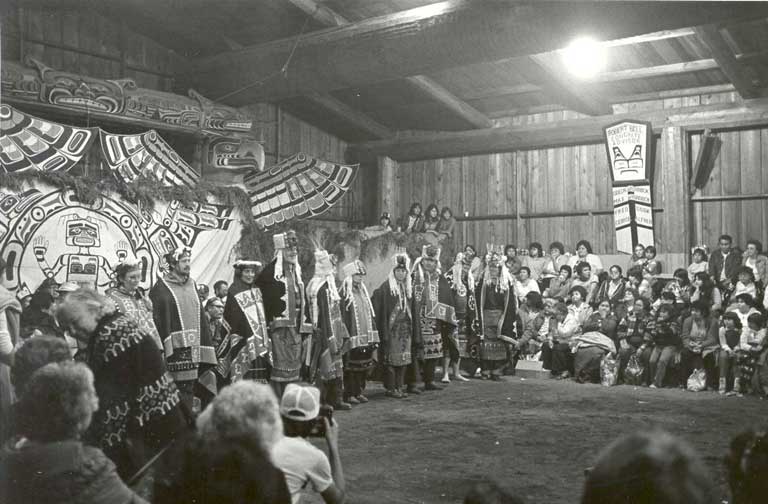
The potlatch, a profoundly significant ceremonial feast practiced by Indigenous peoples of the Pacific Northwest Coast of North America, was far more than a simple gathering. It was a sophisticated socio-economic and political institution, a vibrant display of culture, and, through a modern lens, an astonishingly effective mechanism for building, maintaining, and projecting brand identity—both personal and communal—within a complex social fabric. While typically understood as a historical curiosity, its underlying principles offer profound insights into the foundational elements of reputation, competitive differentiation, and strategic influence, making it a compelling case study for understanding the genesis of branding.
Beyond Ceremony: Potlatch as Proto-Branding
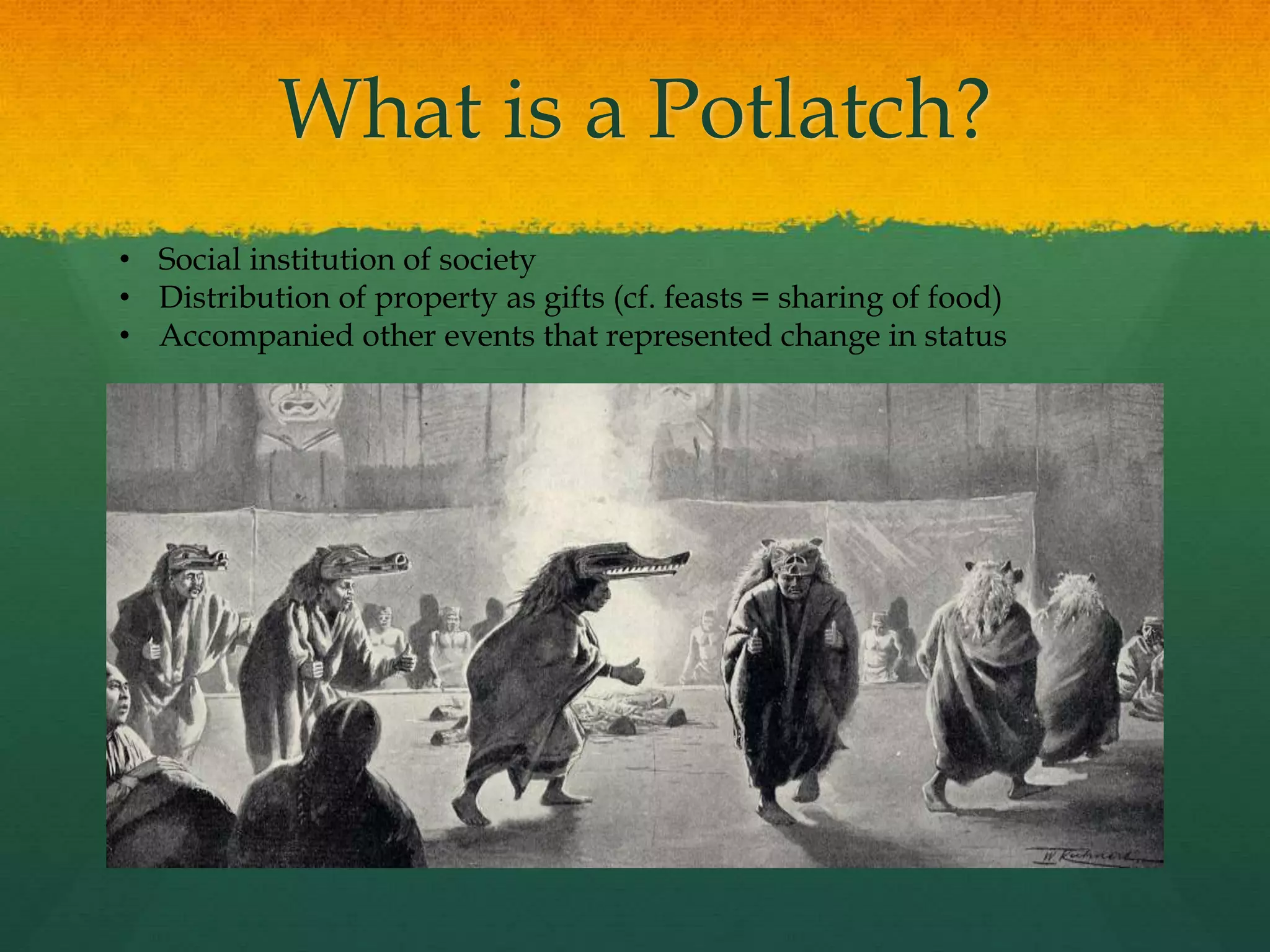
At its core, a potlatch was a public event hosted by a high-ranking individual or clan, involving elaborate feasting, ceremonial dancing, storytelling, and, crucially, the systematic distribution and sometimes destruction of wealth. This wasn’t merely charity; it was a deliberate act of communication, a grand declaration of status, power, and generosity. In an era before mass media, the potlatch served as the ultimate platform for brand projection, a meticulously choreographed event designed to shape perception, reinforce identity, and solidify influence. Understanding the potlatch requires us to look past its historical context and see the strategic brilliance in its execution, which parallels many contemporary branding tenets.
Crafting Personal and Clan Identity
For the host, the potlatch was a direct articulation of their personal brand and, by extension, the brand of their lineage or clan. The scale of the potlatch—the lavishness of the feast, the quality and quantity of the gifts, the number of guests—directly communicated the host’s wealth, spiritual power, and leadership capabilities. Each item gifted, each dance performed, each story recounted, contributed to a carefully constructed narrative about who the host was, what they stood for, and the resources they commanded. This active identity creation mirrors modern personal branding, where individuals meticulously curate their public image through various channels, and corporate branding, where a company’s actions, products, and services define its identity in the market. The potlatch was a three-dimensional, immersive brand experience, etching the host’s identity into the collective memory of the community.
Reputation and Social Capital: The Original ROI
The primary return on investment (ROI) for a potlatch host wasn’t material wealth in the traditional sense, but rather an invaluable accumulation of social capital and enhanced reputation. By publicly demonstrating their capacity to give lavishly, hosts elevated their standing within the community. Guests, receiving gifts and witnessing the spectacle, became living testimonials to the host’s prestige, carrying the narrative of the potlatch far and wide. This word-of-mouth endorsement was the ancient equivalent of viral marketing and influencer outreach. A host’s reputation for generosity and power translated into political influence, strengthened alliances, and cemented their authority. In a society where social standing dictated access to resources and leadership roles, a strong reputation, built through the strategic act of gifting, was the ultimate currency. This strategic investment in social capital highlights how deeply embedded reputation management was in the potlatch system, a concept central to brand building today.
Competitive Gifting and Market Dominance
Potlatches were often competitive, serving as a powerful arena for chiefs and clans to vie for social dominance. Hosting a more elaborate potlatch than a rival was a direct challenge, a public assertion of superior resources and influence. This competitive aspect reveals an advanced understanding of market differentiation and the strategic use of resources to gain an advantage.
Differentiating Through Display and Distribution
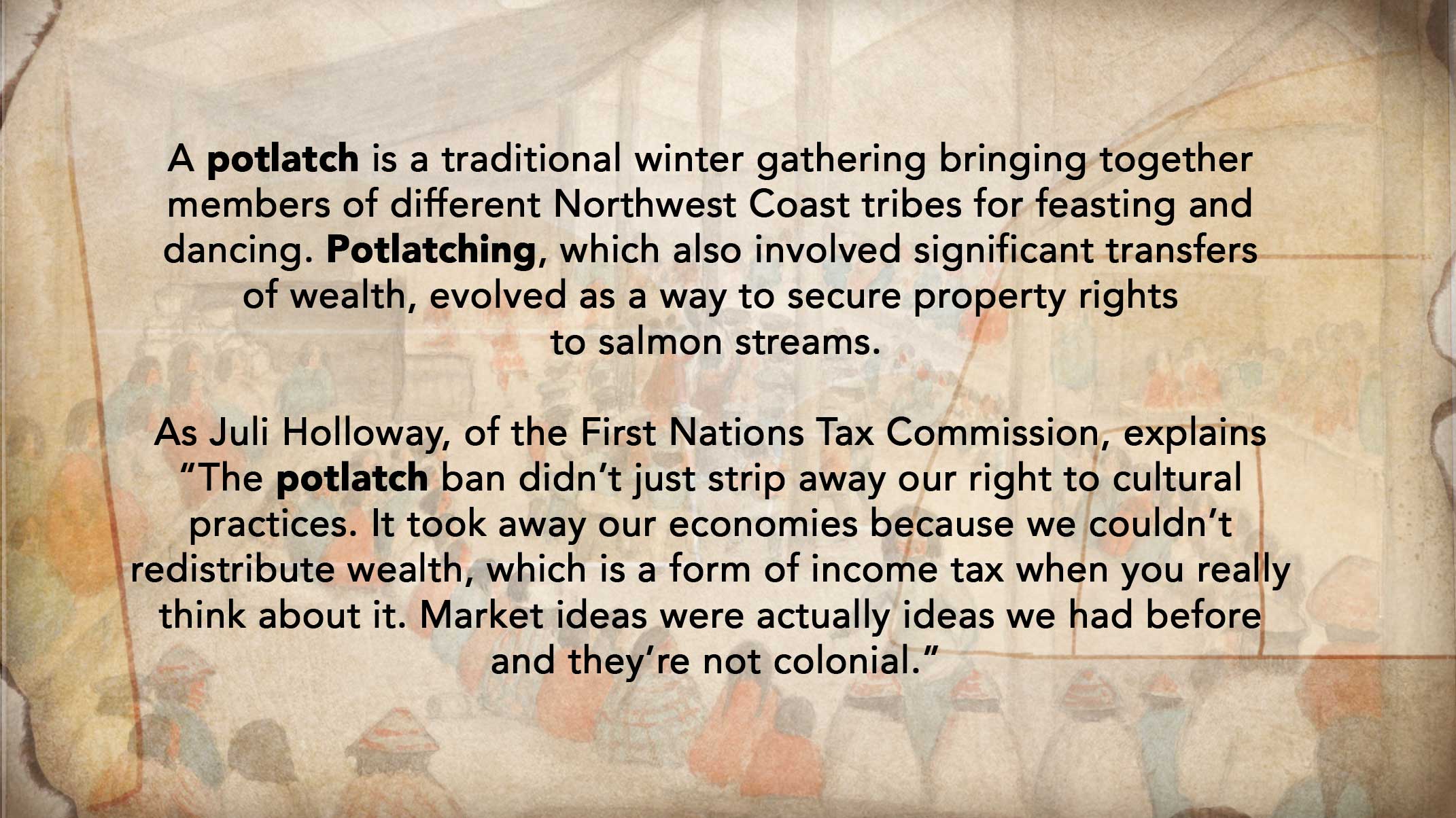
In an environment where multiple leaders and clans sought recognition, the potlatch was the ultimate differentiator. A chief’s unique “brand” was distinguished not just by the sheer volume of gifts, but by the rarity, craftsmanship, and symbolic significance of the items distributed. Certain families might specialize in producing particular types of blankets, canoes, or masks, making these items integral to their brand’s value proposition. The presentation, the speeches, and the overall theatricality of the event were also crucial. Just as modern brands strive to create unique customer experiences and product offerings, potlatch hosts meticulously crafted their events to be memorable, distinct, and unequivocally superior to those of their rivals, thereby solidifying their unique position in the social hierarchy. This strategic use of display and distribution served to carve out a distinct niche and reinforce their unique “brand promise” to the community.
The Ultimate Flex: Wealth Destruction as Brand Power
Perhaps the most enigmatic aspect of the potlatch was the deliberate destruction of valuable goods, such as copper shields or canoes. From a modern economic perspective, this seems counter-intuitive. However, from a branding perspective, it was a profoundly powerful statement of supreme confidence and boundless wealth. To destroy valuable property signified that the host possessed such immense resources that they could afford to literally throw wealth away, a declaration of unassailable power that no rival could match. This act was the ultimate “power flex,” creating an aura of invincibility and unparalleled status. In contemporary terms, this could be seen as an extreme form of brand messaging, demonstrating absolute market dominance and resource advantage through a highly impactful, albeit unconventional, display. It communicated a brand so strong and so wealthy that it transcends conventional limitations, leaving an indelible mark on the collective consciousness.
Legacy, Alliances, and Enduring Brand Equity
The impact of a potlatch extended far beyond the duration of the event itself. It was a long-term investment in social relationships, political stability, and the enduring legacy of a clan or family, building a form of brand equity that could last generations.
Establishing Reciprocity and Loyalty
The giving of gifts created a complex web of reciprocal obligations. Guests were expected to host their own potlatches in the future, attempting to outdo their previous host. This system fostered loyalty and reinforced social cohesion, creating a dynamic network of interdependence. For the host, it meant solidifying alliances and ensuring future support. This strategic use of reciprocal exchange is akin to modern brand loyalty programs or strategic partnerships, where mutual benefit and established trust lead to enduring relationships. The potlatch system built a robust ecosystem of social contracts, with each interaction reinforcing the brand strength and reliability of the participants.
A Strategic Framework for Social Influence
Ultimately, the potlatch served as a sophisticated strategic framework for social influence. It was a masterclass in non-verbal communication, reputation building, competitive positioning, and long-term relationship management. The principles it embodied—the importance of identity, the power of generosity, the impact of memorable experiences, and the strategic deployment of resources to achieve desired social outcomes—are timeless. While the specific context of the potlatch belongs to a unique cultural heritage, the strategic thinking behind its execution offers invaluable lessons for understanding how brands are built, maintained, and leveraged to command respect, secure loyalty, and exert influence in any competitive landscape. The potlatch was, in essence, the ancient world’s most powerful branding campaign, meticulously designed to create lasting legacy and an undeniable presence.
aViewFromTheCave is a participant in the Amazon Services LLC Associates Program, an affiliate advertising program designed to provide a means for sites to earn advertising fees by advertising and linking to Amazon.com. Amazon, the Amazon logo, AmazonSupply, and the AmazonSupply logo are trademarks of Amazon.com, Inc. or its affiliates. As an Amazon Associate we earn affiliate commissions from qualifying purchases.