
The landscape of veterinary medicine has undergone a profound transformation, moving far beyond the traditional image of a vet with a stethoscope and a well-worn textbook. Today’s veterinary professionals stand at the forefront of technological advancement, leveraging sophisticated tools and digital solutions to enhance diagnostics, improve treatment outcomes, streamline operations, and foster deeper connections with pet owners. This isn’t just about incremental improvements; it’s a paradigm shift that places technology at the very heart of modern animal care, making it more precise, proactive, and accessible than ever before. From intricate surgical robots to AI-driven diagnostic platforms, the tools that veterinarians now wield are as advanced and diverse as those found in human medicine, fundamentally redefining what it means to care for our beloved animal companions.

The Digital Backbone of Veterinary Practices
At the core of every efficient modern veterinary practice lies a robust digital infrastructure. These technological frameworks are no longer optional conveniences but essential components that underpin everything from scheduling appointments to managing complex medical histories. They ensure that clinics run smoothly, allow practitioners to focus on patient care, and enhance the overall client experience.
Practice Management Software (PMS): Streamlining Operations
The digital nerve center of a veterinary clinic is its Practice Management Software (PMS). These comprehensive platforms integrate various administrative and clinical functions into a single, cohesive system. Far more than just glorified appointment calendars, modern PMS solutions encompass a vast array of capabilities. They manage electronic medical records (EMRs), allowing vets to access a patient’s complete history—vaccination records, diagnostic results, treatment plans, and past prescriptions—instantly and securely. This eliminates the inefficiencies of paper-based systems, reduces errors, and ensures continuity of care across multiple visits or different practitioners within the same clinic.
Beyond clinical data, PMS handles crucial administrative tasks such as scheduling appointments, managing inventory for medications and supplies, processing billing and invoicing, and even integrating with payment systems. Many advanced PMS platforms also offer sophisticated client communication tools, enabling automated appointment reminders via text or email, personalized follow-up messages, and even portals where pet owners can access their pet’s records, request refills, or schedule appointments online. The efficiency gained from a well-implemented PMS allows veterinary staff to dedicate more time to patients and clients, rather than being bogged down by manual administrative burdens.
Telemedicine and Remote Care: Bridging Distances
The advent of telemedicine has revolutionized accessibility in veterinary care, mirroring its impact on human healthcare. Veterinary telemedicine platforms allow pet owners to consult with veterinarians remotely, often via video calls, phone, or secure messaging. This technology is invaluable for non-emergency situations, follow-up consultations, post-operative checks, behavioral advice, and general wellness inquiries. It significantly reduces the stress and logistical challenges of travel for both pets and their owners, particularly for those in rural areas, individuals with mobility issues, or pets that become highly anxious in clinic environments.
Beyond basic consultations, remote care technologies extend to sophisticated monitoring devices. Wearable sensors and smart home devices for pets can track vital signs, activity levels, sleep patterns, and even specific behaviors, transmitting this data directly to the veterinary team. This allows for proactive health monitoring, early detection of potential issues, and remote management of chronic conditions, leading to more timely interventions and improved long-term health outcomes. Telemedicine platforms are continually evolving, integrating AI for preliminary symptom assessment and developing advanced remote diagnostic capabilities, truly bridging geographical gaps in veterinary expertise.
Advanced Diagnostics and Treatment Tools
The diagnostic capabilities available to veterinarians today are nothing short of remarkable, often mirroring or even surpassing technologies found in human hospitals. These tools provide unprecedented insights into animal health, allowing for earlier and more accurate diagnoses, which in turn leads to more effective and targeted treatments.
Imaging Technologies: A Deeper Look Inside
Diagnostic imaging has become an indispensable part of veterinary medicine, moving far beyond traditional X-rays. Digital radiography has replaced film, offering immediate image acquisition, superior clarity, and the ability to manipulate images for better detail without further radiation exposure. This digital format also allows for easy sharing with specialists and archiving.
Ultrasound technology provides real-time, non-invasive visualization of soft tissues, organs, and blood flow, making it crucial for abdominal assessments, cardiac evaluations, and pregnancy monitoring. For more intricate cases, advanced imaging modalities like Computed Tomography (CT) scans and Magnetic Resonance Imaging (MRI) offer unparalleled detail. CT scans provide cross-sectional images invaluable for diagnosing complex bone fractures, spinal disorders, and soft tissue tumors. MRI, on the other hand, excels at visualizing soft tissues, particularly the brain, spinal cord, and joints, offering superior contrast resolution for neurological and orthopedic conditions. These advanced imaging techniques enable veterinarians to pinpoint problems with remarkable precision, guiding surgical interventions and treatment plans with greater confidence.
Laboratory Automation: Precision and Speed
Modern veterinary clinics often boast sophisticated in-house laboratory capabilities, augmented by automated systems. These technologies allow for rapid and accurate analysis of blood, urine, fecal, and other samples, providing critical diagnostic information within minutes. Automated blood analyzers can perform complete blood counts (CBCs) and biochemistry profiles, revealing insights into organ function, infection, and various systemic diseases. Automated urinalysis machines quickly detect abnormalities that could indicate kidney disease, diabetes, or urinary tract infections.
The speed and accuracy of these automated systems mean that veterinarians can often receive crucial diagnostic results during a patient’s visit, enabling immediate treatment decisions. For more specialized tests, clinics rely on external veterinary reference laboratories that employ even more advanced automated platforms, offering a vast array of specialized diagnostics, from genetic testing to complex pathological analyses, ensuring that no diagnostic stone is left unturned.
Surgical Innovations: Robotics and Minimally Invasive Procedures
Surgical techniques in veterinary medicine have benefited immensely from technological innovation, moving towards less invasive and more precise methods. Endoscopy and laparoscopy are now standard procedures, allowing veterinarians to visualize internal organs, take biopsies, and even perform certain surgeries through tiny incisions, using specialized cameras and instruments. This significantly reduces pain, minimizes recovery time, and lowers the risk of complications compared to traditional open surgeries.
Emerging technologies like robotic-assisted surgery, while still niche, are beginning to make their way into specialized veterinary hospitals. Robots can enhance a surgeon’s dexterity and precision, performing delicate maneuvers with incredible accuracy, which is particularly beneficial for complex orthopedic, neurological, or soft tissue surgeries. Laser surgery is another significant advancement, offering precise tissue cutting with reduced bleeding and pain, often leading to faster healing. These innovations not only improve surgical outcomes but also enhance the overall comfort and recovery experience for animal patients.
The Rise of AI and Data Analytics in Veterinary Medicine
Artificial Intelligence (AI) and data analytics are rapidly transforming veterinary medicine, offering unprecedented capabilities in diagnostics, treatment planning, and practice management. These technologies leverage vast amounts of data to provide insights that were previously unimaginable, pushing the boundaries of what’s possible in animal care.
AI-Powered Diagnostics: Enhancing Accuracy
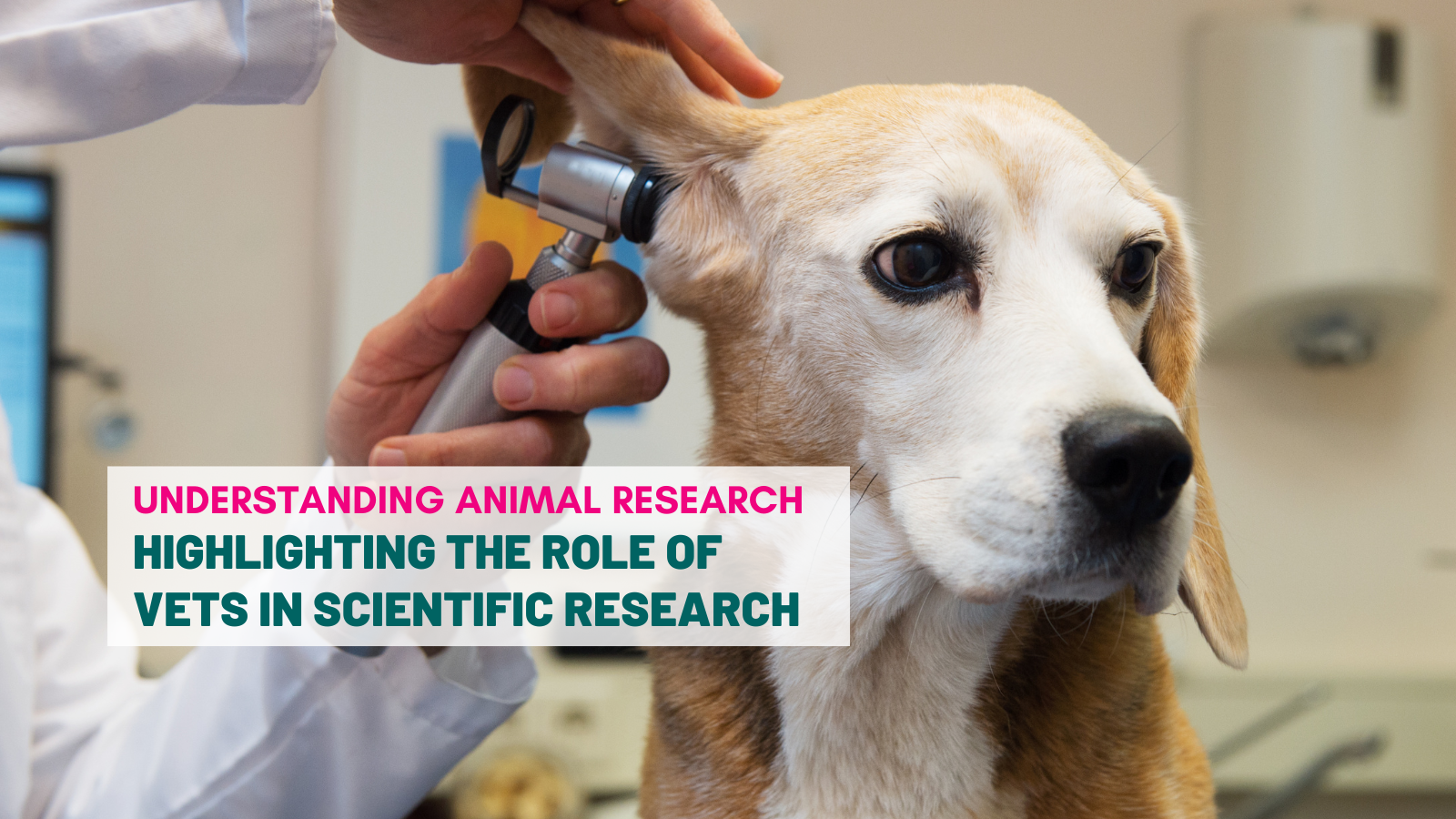
AI algorithms are increasingly being deployed to augment diagnostic capabilities. One of the most prominent applications is in image analysis. AI can be trained on massive datasets of medical images (X-rays, CT scans, MRIs, cytology slides) to identify subtle patterns and anomalies that might be missed by the human eye, or to provide a second opinion. For example, AI can assist in the early detection of conditions like osteoarthritis, certain cancers, or specific cardiac abnormalities by analyzing radiographs or ultrasound images with remarkable speed and accuracy.
Beyond imaging, AI is also being used in predictive diagnostics. By analyzing a pet’s medical history, breed predispositions, lifestyle factors, and even genetic markers, AI can help predict the likelihood of developing certain diseases, allowing veterinarians to implement proactive prevention strategies. Furthermore, AI contributes to drug discovery and personalized medicine, helping to identify effective treatments and dosages based on individual patient characteristics. This enhances diagnostic accuracy, speeds up the diagnostic process, and ultimately leads to more timely and effective interventions.
Data-Driven Insights: Improving Patient Outcomes and Practice Efficiency
The sheer volume of data generated by modern veterinary practices, from individual patient records to population-level health trends, holds immense potential. Data analytics tools are designed to extract meaningful insights from this data, benefiting both patient care and practice operations.
On the patient care front, analyzing aggregate data can reveal patterns in disease prevalence, treatment efficacy, and medication responses within specific populations or breeds. This “big data” approach can inform best practices, improve understanding of disease epidemiology, and even contribute to public health efforts related to zoonotic diseases. For instance, tracking the spread of a particular canine virus in a region can lead to targeted vaccination campaigns. Operationally, data analytics can optimize clinic workflows, manage inventory more effectively, predict appointment trends, and identify areas for efficiency improvement, leading to better resource allocation and enhanced service delivery. By harnessing data, veterinary practices can become smarter, more responsive, and ultimately more successful in their mission.
Wearable Tech and Client Engagement
The integration of technology extends beyond the clinic walls, directly involving pet owners in the ongoing health and wellness of their animals. Wearable technology and digital communication platforms are empowering owners with new ways to monitor their pets and stay connected with their veterinary care providers.
Pet Wearables: Proactive Health Monitoring
Just like fitness trackers for humans, pet wearables are becoming increasingly sophisticated. These devices, often worn as collars or harnesses, can monitor a range of vital signs and activities, including heart rate, respiration rate, temperature, sleep patterns, and activity levels (steps taken, distance traveled, calories burned). This continuous, real-time data can be invaluable for early disease detection, particularly for chronic conditions like diabetes, arthritis, or cardiac issues. Anomalies in a pet’s baseline data can trigger alerts for owners and veterinarians, prompting an earlier veterinary visit before symptoms become severe.
Beyond health monitoring, some wearables also offer GPS tracking, providing peace of mind for owners of adventurous pets. The data collected by these devices can also inform lifestyle adjustments, helping owners manage weight, encourage exercise, or identify behavioral patterns that might indicate underlying stress or discomfort, fostering a more proactive and preventative approach to pet care.
Digital Client Communication and Education
Modern veterinary practices recognize that effective communication with pet owners is paramount. Digital tools have transformed how clinics interact with their clients, moving beyond phone calls and postcards. Dedicated client portals and mobile apps allow pet owners to securely access their pet’s medical records, view vaccination histories, request prescription refills, and even schedule appointments from their smartphones.
Beyond administrative functions, these platforms serve as powerful educational tools. Veterinarians can share personalized health articles, instructional videos on medication administration, or detailed explanations of diagnostic results. Automated reminders for vaccinations, parasite prevention, and routine check-ups ensure compliance with recommended care protocols. Social media integration and engaging online content also help clinics build community, share valuable pet health tips, and reinforce their brand as a trusted source of information, fostering a stronger partnership between vets and pet owners in managing animal health.
Cybersecurity and Data Integrity in Veterinary Care
As veterinary practices become increasingly digitalized, the importance of robust cybersecurity and data integrity measures has escalated dramatically. The reliance on electronic medical records, digital communication, and interconnected systems means that protecting sensitive information and ensuring operational continuity is more critical than ever before.
Protecting Sensitive Patient Data
While not subject to the same strict HIPAA regulations as human healthcare in many regions, veterinary clinics handle a wealth of sensitive personal information about their clients, including names, addresses, payment details, and detailed pet medical histories. A data breach could not only compromise client privacy but also damage the practice’s reputation and lead to legal repercussions. Consequently, implementing strong data encryption, secure network protocols, multi-factor authentication for accessing systems, and regular data backups is non-negotiable.
Training staff on cybersecurity best practices, such as recognizing phishing attempts and using strong, unique passwords, is equally vital. The goal is to create a multi-layered defense that safeguards client confidentiality and maintains trust, ensuring that the valuable information stored within the practice’s digital ecosystem remains protected from unauthorized access or theft.

Safeguarding Practice Operations from Cyber Threats
Beyond client data, the operational continuity of a veterinary practice is heavily reliant on its digital systems. Ransomware attacks, which encrypt data and demand payment for its release, can cripple a clinic, preventing access to patient records, scheduling systems, and diagnostic tools, effectively halting operations. Malware, viruses, and other cyber threats can lead to system downtime, data corruption, and significant financial losses.
To mitigate these risks, veterinary practices must invest in comprehensive cybersecurity solutions, including firewalls, antivirus software, intrusion detection systems, and regular security audits. Implementing robust backup and disaster recovery plans ensures that even in the event of a successful cyberattack, critical data can be restored, and operations can resume with minimal disruption. Protecting the integrity of the practice’s digital infrastructure is paramount not just for data security, but for the uninterrupted delivery of essential veterinary care, reinforcing the critical role of technology in all facets of modern animal health.
In conclusion, the modern veterinary clinic is a hub of technological innovation, where advanced tools and digital solutions are not merely accessories but fundamental to delivering exceptional care. From the foundational efficiency of practice management software and the expansive reach of telemedicine to the cutting-edge precision of AI diagnostics and robotic surgery, technology is continually pushing the boundaries of what is possible in animal health. This digital revolution empowers veterinarians with unprecedented insights, streamlines complex processes, and fosters deeper, more proactive engagement with pet owners. As the veterinary field continues to evolve, the integration of new technologies will remain central to its progress, ensuring that our cherished animal companions receive the most advanced, compassionate, and effective care available.
aViewFromTheCave is a participant in the Amazon Services LLC Associates Program, an affiliate advertising program designed to provide a means for sites to earn advertising fees by advertising and linking to Amazon.com. Amazon, the Amazon logo, AmazonSupply, and the AmazonSupply logo are trademarks of Amazon.com, Inc. or its affiliates. As an Amazon Associate we earn affiliate commissions from qualifying purchases.