
Understanding the UV Index: A Digital Perspective
The UV index, a globally recognized standard, quantifies the strength of ultraviolet radiation at a particular place and time. Developed by the World Health Organization (WHO) and other international bodies, it serves as a critical indicator for public health, informing individuals when and how to protect themselves from the sun’s potentially harmful rays. In an increasingly digital world, access to this vital information is more immediate and sophisticated than ever, transforming how we perceive and react to solar exposure.
How the UV Index is Calculated and Communicated
The calculation of the UV index involves complex atmospheric models, factoring in elements such as ozone levels, cloud cover, altitude, and ground reflectance. Specialized sensors measure UV radiation, and this data is then processed and disseminated. Historically, UV forecasts were primarily found in newspaper weather sections or on television broadcasts. Today, however, the primary channels for communicating this data are digital. Weather applications on smartphones, dedicated UV index apps, and online weather portals now provide real-time or near real-time UV index readings. These digital platforms often incorporate GPS to offer hyper-local data, ensuring users receive the most accurate information pertinent to their immediate surroundings. Furthermore, many smart home devices and voice assistants can now fetch and vocalize the current UV index upon request, embedding this critical data into daily routines with unprecedented ease.

The Importance of Real-time UV Data
Reliance on real-time UV data, facilitated by modern technology, is paramount for effective sun protection. The UV index is not static; it fluctuates significantly throughout the day, peaking around midday. It also varies with geographical location, season, and atmospheric conditions. A general forecast for a region might not accurately reflect the specific conditions in a park, on a beach, or at a high-altitude ski resort. Digital tools that update frequently, often every few minutes, provide a dynamic picture of risk. This immediate feedback allows individuals to make informed, spontaneous decisions about sun exposure, such as delaying an outdoor activity, seeking shade, or reapplying sunscreen, rather than relying on outdated or generalized information. The integration of live data streams into personal devices thus forms the cornerstone of a proactive, technology-driven approach to sun safety.
Leveraging Technology for Optimal Sun Protection
The proliferation of smart devices and sophisticated software has revolutionized personal health management, and sun protection is no exception. Technology now offers a suite of tools that go beyond simple UV index reporting, providing personalized guidance and actionable insights to minimize sun-related risks.
Smartphone Apps: Your Personal UV Monitor
Smartphone applications are at the forefront of this technological shift. Beyond basic weather apps, a new generation of dedicated UV index applications has emerged. These apps often integrate with the phone’s GPS to provide highly localized UV index data, sometimes even down to a specific street address. Their features extend to real-time updates, push notifications for changing UV levels, and personalized alerts based on a user’s skin type (e.g., Fitzpatrick scale), typical sun sensitivity, and planned outdoor duration. Many apps also include timers for sunscreen reapplication, reminders to seek shade, and even educational content on proper sun protection techniques. Some advanced apps utilize augmented reality (AR) to visualize sun paths and shadow casting, helping users find optimal shade locations. This transformation of the smartphone into a sophisticated sun safety hub empowers users to monitor their exposure proactively and receive timely, context-aware advice.
Wearable Tech: Smart Solutions for Sun Safety
The evolution of wearable technology has brought sun safety directly onto our wrists and bodies. Smartwatches and fitness trackers are increasingly incorporating UV sensors that measure ambient UV radiation directly. These devices provide continuous monitoring throughout the day, often logging exposure over time. Some advanced wearables can differentiate between direct and indirect UV exposure and even estimate accumulated UV dose, correlating it with an individual’s skin sensitivity. When UV levels reach a pre-defined threshold or when accumulated exposure becomes concerning, these devices can trigger haptic alerts or visual notifications, prompting the wearer to take protective measures. Beyond the wrist, specialized UV patches and clip-on sensors, often Bluetooth-enabled, can be worn directly on clothing or skin. These compact devices communicate with smartphone apps to provide highly accurate, personal exposure data, allowing for granular tracking and tailored recommendations that account for individual movement and activity.
Smart Fabrics and Beyond: The Future of Sun Protection Tech
The horizon of sun protection technology extends beyond personal devices into the very materials we wear. Researchers are developing smart fabrics embedded with UV-sensing fibers or photochromic dyes that change color when exposed to harmful levels of UV radiation. This provides an immediate, visual cue to the wearer, signaling the need for increased protection. Imagine a child’s swim shirt that turns purple when the UV index becomes dangerous, or a hiking hat that visibly darkens. Furthermore, advancements in materials science are leading to the creation of ultra-lightweight, breathable fabrics with inherent high UPF (Ultraviolet Protection Factor) ratings, offering superior physical barriers against the sun without sacrificing comfort. The convergence of textile engineering with digital sensing and data processing promises an era where our clothing itself becomes an active participant in our sun safety strategy, moving from passive protection to intelligent, responsive defense against UV radiation.
Decoding the UV Index for Actionable Insights
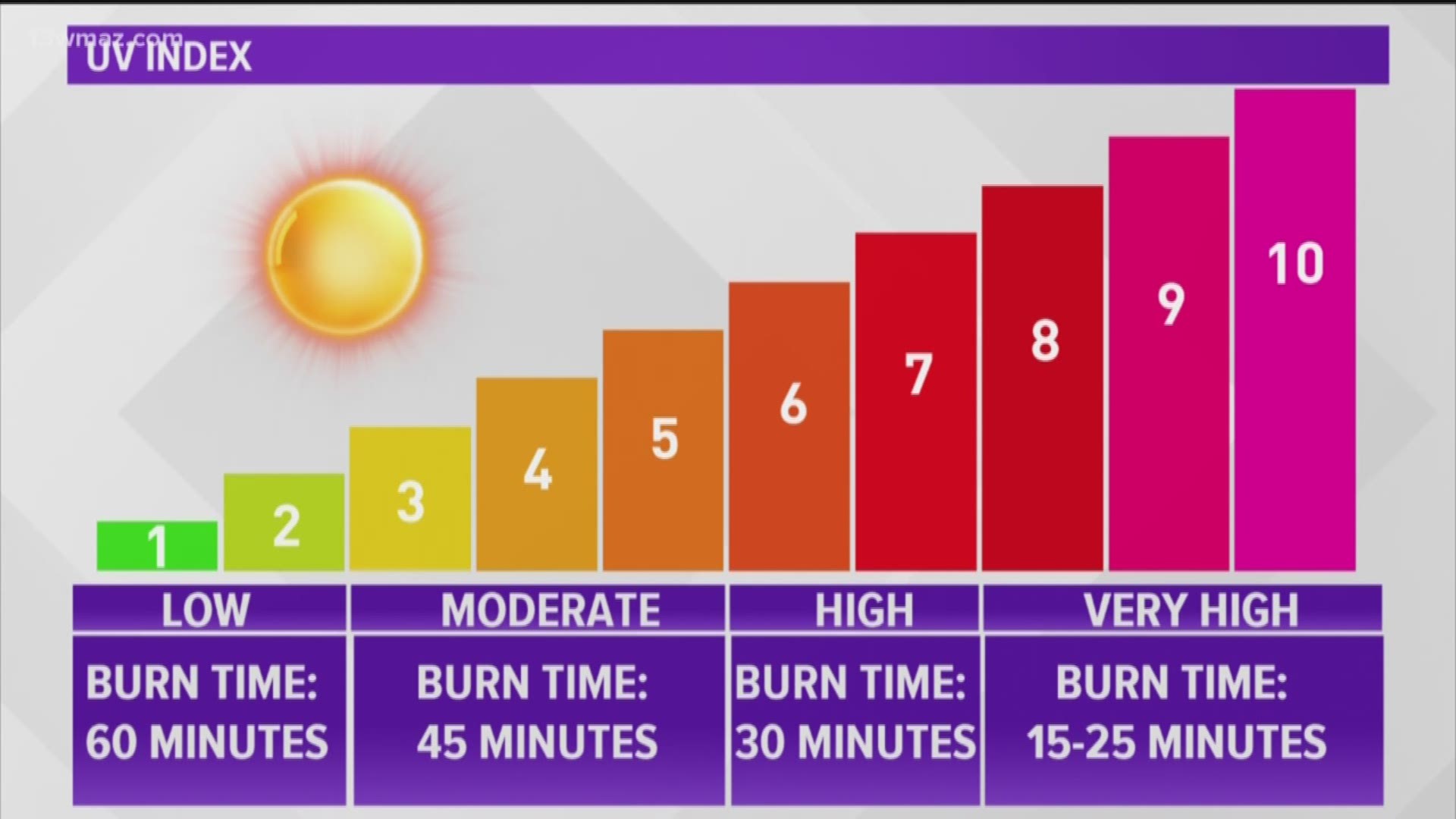
Understanding the numerical values of the UV index is crucial for translating digital data into effective personal protection strategies. Technology facilitates this by providing clear, universally understood thresholds and translating complex scientific data into actionable advice.
Global Standards and Local Variations
The UV index scale typically ranges from 0 to 11+, categorizing risk levels from low to extreme. While the scale is standardized globally, actual UV levels can vary significantly based on local conditions. Factors like geographical latitude (UV is stronger near the equator), altitude (UV increases by about 10-12% for every 1,000 meters in elevation), time of year (higher in summer), and ground reflectance (snow, sand, and water reflect UV, increasing exposure) all play a role. Digital platforms and apps are designed to account for these variables, often integrating local weather station data, satellite imagery, and topographical maps to provide highly accurate, localized UV forecasts. This means that an app can tell you not just the general UV index for your city, but potentially the specific index for the mountain trail you’re hiking or the lake you’re boating on, making advice more precise and relevant.
The Thresholds: When to Apply Sunscreen
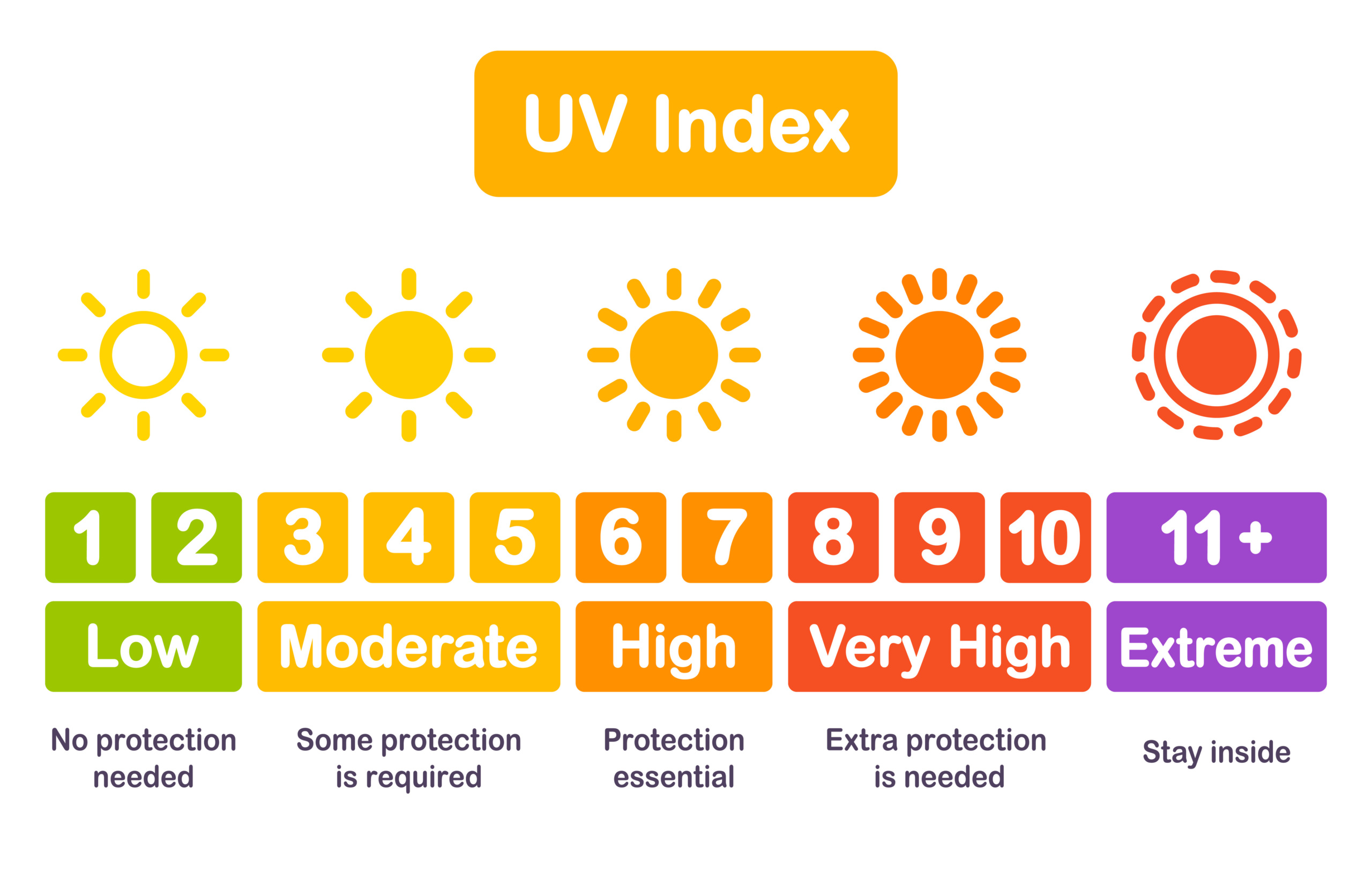
The core question of what UV index requires sunscreen is best answered by understanding the universally accepted risk categories:
- UV Index 0-2 (Low): At this level, the risk of sun damage is minimal for most people. However, technology can still advise. Apps might suggest wearing sunglasses on bright days or using sunscreen if you have particularly sensitive skin or are spending extended periods outdoors, especially on reflective surfaces like snow.
- UV Index 3-5 (Moderate): This level signals a moderate risk. Tech tools will typically recommend applying sunscreen (SPF 30+) if you plan to be outside for 30 minutes or more. They might also suggest wearing protective clothing, sunglasses, and a wide-brimmed hat, particularly for children and those with sensitive skin. Apps can send timely reminders to apply sunscreen before stepping out.
- UV Index 6-7 (High): At this stage, the risk of harm from unprotected sun exposure is high. Digital alerts become more urgent, advising users to apply a broad-spectrum sunscreen with SPF 30 or higher liberally every two hours, even on cloudy days. Tech might also strongly suggest seeking shade during peak hours (10 AM to 4 PM), wearing long-sleeved shirts and pants, and avoiding prolonged outdoor activities. Wearable devices might continuously monitor exposure and warn if you’re exceeding safe limits.
- UV Index 8-10 (Very High): This indicates a very high risk, where unprotected skin can burn quickly. Technology will issue strong warnings, often urging people to minimize outdoor time, especially during midday. Apps might suggest rescheduling outdoor plans, emphasizing strict adherence to sunscreen application, seeking maximum shade, and wearing extensive protective clothing. Wearables with UV sensors will typically trigger continuous alarms if exposure persists.
- UV Index 11+ (Extreme): This is the highest level, representing an extreme risk. Digital platforms will provide critical alerts, advising individuals to avoid sun exposure outdoors entirely during peak hours. If outdoor activity is unavoidable, technology will underscore the need for maximum protection, including high SPF sunscreen, shade, hats, sunglasses, and UV-protective clothing. Some apps might even integrate local emergency warnings or public health advisories related to extreme UV levels.
Beyond Sunscreen: A Holistic Tech-Enabled Approach
While sunscreen is a crucial component of sun protection, technology promotes a holistic approach. Many apps and smart devices incorporate advice on seeking shade, wearing appropriate clothing, and using hats and sunglasses. Some advanced systems can even use GPS data to suggest optimal shade spots in parks or provide real-time maps of shaded areas. By integrating these multiple layers of protection into a single digital interface, technology helps users adopt a comprehensive strategy against UV radiation, reinforcing the idea that sunscreen is one tool among many in their sun safety arsenal.
The Digital Evolution of Sun Safety Habits
The pervasive nature of digital technology is not merely providing information; it’s actively shaping how individuals approach and manage their sun exposure, fostering more informed and proactive sun safety habits.
Personalized Protection Profiles through Tech
One of the most significant advancements is the ability of technology to offer highly personalized sun protection advice. Unlike generic public health messages, modern apps and wearables can build individual profiles based on skin type, sensitivity to UV, history of sunburns, and even genetic predispositions to skin conditions. This data allows for dynamic recommendations, such as suggesting a higher SPF for someone with very fair skin, or adjusting exposure limits for individuals taking photosensitizing medications. Some platforms even integrate lifestyle data, like planned outdoor activities or travel itineraries, to pre-emptively advise on sun protection strategies, turning generic guidelines into a bespoke safety plan for each user. This personalization capability drastically enhances the relevance and effectiveness of sun safety advice.
Data-Driven Awareness and Behavioral Change
The continuous feedback loop provided by UV sensors and smart applications plays a crucial role in behavioral change. When individuals can see their real-time UV exposure, track their cumulative dose, and receive timely alerts, it creates a heightened awareness of sun’s impact. This data-driven insight helps users connect their actions (or inactions) directly to potential risks. For example, a wearable device showing an accumulated “red zone” UV dose might prompt someone to seek shade immediately, whereas previously they might have remained oblivious to their overexposure. Gamification features within some apps, offering rewards for consistent sun protection or tracking “sun-safe streaks,” can further reinforce positive habits, transforming what was once a chore into an engaging, data-supported routine.
The Role of AI in Predicting UV Exposure Risks
Looking ahead, artificial intelligence (AI) is poised to further revolutionize sun safety. AI algorithms can analyze vast datasets, including historical UV indices, weather patterns, personal exposure logs, and even satellite imagery, to predict UV levels with greater precision. Beyond mere prediction, AI can develop highly sophisticated risk models tailored to individual users. Imagine an AI assistant that learns your daily routines, monitors local UV forecasts, considers your skin type, and then proactively suggests the optimal time for your outdoor run to minimize UV exposure, or reminds you to pack sunscreen based on your travel plans for the week. AI could also analyze the effectiveness of different sun protection methods in real-world scenarios, offering data-backed insights on which sunscreen brands perform best under specific conditions, or which types of clothing offer superior protection. This predictive and adaptive intelligence will move sun safety from reactive measures to truly proactive, intelligent management of sun exposure.
aViewFromTheCave is a participant in the Amazon Services LLC Associates Program, an affiliate advertising program designed to provide a means for sites to earn advertising fees by advertising and linking to Amazon.com. Amazon, the Amazon logo, AmazonSupply, and the AmazonSupply logo are trademarks of Amazon.com, Inc. or its affiliates. As an Amazon Associate we earn affiliate commissions from qualifying purchases.